MindMap Gallery Andersen's Fairytales
This is a mind map about Andersen’s fairy tales, telling stories related to Andersen’s fairy tales. If you are interested in the stories of Andersen’s fairy tales, you are welcome to collect and like this mind map~
Edited at 2021-11-11 08:50:46Avatar 3 centers on the Sully family, showcasing the internal rift caused by the sacrifice of their eldest son, and their alliance with other tribes on Pandora against the external conflict of the Ashbringers, who adhere to the philosophy of fire and are allied with humans. It explores the grand themes of family, faith, and survival.

This article discusses the Easter eggs and homages in Zootopia 2 that you may have discovered. The main content includes: character and archetype Easter eggs, cinematic universe crossover Easter eggs, animal ecology and behavior references, symbol and metaphor Easter eggs, social satire and brand allusions, and emotional storylines and sequel foreshadowing.
[Zootopia Character Relationship Chart] The idealistic rabbit police officer Judy and the cynical fox conman Nick form a charmingly contrasting duo, rising from street hustlers to become Zootopia police officers!
Avatar 3 centers on the Sully family, showcasing the internal rift caused by the sacrifice of their eldest son, and their alliance with other tribes on Pandora against the external conflict of the Ashbringers, who adhere to the philosophy of fire and are allied with humans. It explores the grand themes of family, faith, and survival.
This article discusses the Easter eggs and homages in Zootopia 2 that you may have discovered. The main content includes: character and archetype Easter eggs, cinematic universe crossover Easter eggs, animal ecology and behavior references, symbol and metaphor Easter eggs, social satire and brand allusions, and emotional storylines and sequel foreshadowing.
[Zootopia Character Relationship Chart] The idealistic rabbit police officer Judy and the cynical fox conman Nick form a charmingly contrasting duo, rising from street hustlers to become Zootopia police officers!
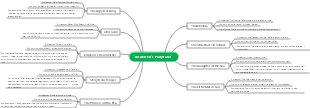
Andersen's Fairytales
Introduction
Andersen's fairy tales are part of the treasure trove of world literature and are widely known for their fantastic and touching stories. These fairy tales are loved by readers all over the world and can be called classics among classics.
Andersen's life and creative background
Hans Christian Andersen (1805-1875) was a Danish writer and poet who was born in a poor family. As a young man, he began to search for his writing talent and experienced many difficulties and setbacks.
Andersen was deeply influenced by Gothic literature, but he stood out in his fairy tale creation with his unique style. His creative inspiration comes from his own childhood experience, outlook on life and emotional experience, as well as his observation of life and the use of imagination.
Andersen's fairy tales are romantic and also incorporate elements of realism. He conveyed his understanding and thinking about human nature, love, hope and life through the form of fairy tales.
Characteristics and significance of Andersen's fairy tales
Andersen's fairy tales are often based on themes such as orphans, poverty, and cold reality. The characters and plots in the stories demonstrate his concern for social issues and human nature.
The characters in fairy tales are distinct and diverse, including animals, flowers and plants, as well as unconventional images such as rice grains and stick figures, as well as fantasy characters such as princes and princesses. These images reflect the author's understanding of the world and thinking about human nature.
Andersen's fairy tales convey profound connotations in short words, and tell readers about love, courage, friendship, meaning of life and other aspects through exaggerated and heart-wrenching plots and stories.
The significance of Andersen's fairy tales lies not only in entertainment, but also in guiding readers to think about life issues, stimulating their imagination and creativity, and conveying positive values.
The representative work of Andersen's fairy tales "The Ugly Duckling"
Introduction: "The Ugly Duckling" is one of Andersen's most popular fairy tales. The story tells the story of the growth of a little duck with a distinctive appearance, and his ultimate discovery of his true identity and value.
Content: The little duck in the story begins a lonely and difficult journey under the ridicule and rejection of other ducks. He experienced cold, hunger and the danger of being hunted, but he always remained optimistic and brave. Eventually, the little duck discovers that he is actually a swan and becomes a beautiful and confident swan. Through the growth of a little duck, the story tells that everyone has their own characteristics and values, and should not feel inferior or be defined by others because of their different appearance.
The masterpiece of Andersen's fairy tale "Little Red Riding Hood"
Introduction: "Little Red Riding Hood" is another popular work among Andersen's fairy tales. The story tells the story of a little girl who brought food to visit her sick grandma, but was deceived and devoured by a wolf.
Content: The little girl Little Red Riding Hood obeyed her mother's instructions and went on the road wearing a red cloak. Encountering a wolf on the way, he didn't know the wolf's true intention and told the wolf his destination without warning. The wolf took advantage of Little Red Riding Hood's trust and first ate grandma, then pretended to be grandma, and finally swallowed Little Red Riding Hood. Later, the hunter arrived in time, cut open the wolf's belly, and rescued Little Red Riding Hood and grandma. Through the story of Little Red Riding Hood, the story tells readers to be wary of strangers and protect their own safety.
The representative work of Andersen's fairy tales "The Daughter of the Sea"
Introduction: "The Daughter of the Sea" is a story about love and sacrifice in Andersen's fairy tales. The story tells the story of a beautiful mermaid princess who sacrificed her voice and life to save a human prince.
Content: The mermaid princess fell in love with a human prince. In order to be with him, she agreed to the Queen of the Sea's proposal and exchanged her beautiful voice for human legs. However, even after she became human, the prince married another woman. In order to make the prince happy, the mermaid princess chose to sacrifice and turned into foam in the sea. The story is a moral about sacrificial and dedicated love, as well as growth and disappointment in love.
The masterpiece of Andersen's fairy tale "The Little Match Girl"
Introduction: "The Little Match Girl" is a sad story in Andersen's fairy tales. The story tells the tragedy of a poor little girl who kept selling matches to survive on a cold winter night and eventually froze to death.
Content: The little girl carries a basket full of matches and searches hard for customers to buy matches in the snow, but no one pays attention to her. She was shivering in the cold wind, but she didn't have the courage to go home. She lit a match, which warmed her heart and imagined beautiful things, but it was quickly extinguished. After the last match she lit went out, her soul flew away. Although this story is cruel, it gives people food for thought and makes people reflect and pay attention to those who live in difficult situations.
The representative work of Andersen's fairy tales "The Emperor's New Clothes"
Introduction: "The Emperor's New Clothes" is a story in Andersen's fairy tales that reveals hypocrisy and truth. The story tells the story of a conceited and gullible emperor who is betrayed by two