MindMap Gallery Data structure implementation basics
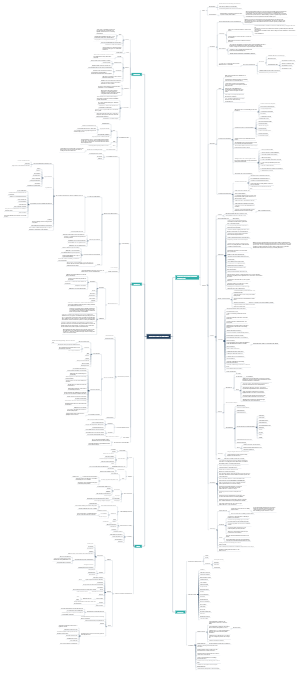
A mind map of the basics of data structure implementation. The basics of data storage include constructing complex data types, type definitions, and linked lists.
Edited at 2023-06-02 20:30:32Avatar 3 centers on the Sully family, showcasing the internal rift caused by the sacrifice of their eldest son, and their alliance with other tribes on Pandora against the external conflict of the Ashbringers, who adhere to the philosophy of fire and are allied with humans. It explores the grand themes of family, faith, and survival.
This article discusses the Easter eggs and homages in Zootopia 2 that you may have discovered. The main content includes: character and archetype Easter eggs, cinematic universe crossover Easter eggs, animal ecology and behavior references, symbol and metaphor Easter eggs, social satire and brand allusions, and emotional storylines and sequel foreshadowing.
[Zootopia Character Relationship Chart] The idealistic rabbit police officer Judy and the cynical fox conman Nick form a charmingly contrasting duo, rising from street hustlers to become Zootopia police officers!
Avatar 3 centers on the Sully family, showcasing the internal rift caused by the sacrifice of their eldest son, and their alliance with other tribes on Pandora against the external conflict of the Ashbringers, who adhere to the philosophy of fire and are allied with humans. It explores the grand themes of family, faith, and survival.
This article discusses the Easter eggs and homages in Zootopia 2 that you may have discovered. The main content includes: character and archetype Easter eggs, cinematic universe crossover Easter eggs, animal ecology and behavior references, symbol and metaphor Easter eggs, social satire and brand allusions, and emotional storylines and sequel foreshadowing.
[Zootopia Character Relationship Chart] The idealistic rabbit police officer Judy and the cynical fox conman Nick form a charmingly contrasting duo, rising from street hustlers to become Zootopia police officers!
Data structure implementation basics
Data storage basics
Construct complex data types
array
An ordered collection of data of the same type
Sequential structure, the elements in the array are stored continuously in the memory, and the array elements can be uniquely determined by using the array name and subscript.
The general form of the definition of a one-dimensional array: type name array name [array length] The definition form of a two-dimensional array: type name array name [row length] [column length]
structure
The general form of structure type definition: struct structure name {type name structure member 1;};
Structure variable usage format: structure variable name.structure member name
Structure array: Format: result array name [subscript].structure member name
structure pointer
1. Use * method to access, in the form: (*structure pointer variable name).structure member name
2 Use the pointer operator to access the structure member pointed to by the pointer, in the form: structure pointer variable name -> structure member name
community
Definition form union union {type name member name n;}
pointer
The general form of defining pointer variables: type name * pointer variable name
Using pointers to implement memory dynamics
1. Allocation: malloc
2. Release: free
typedef typedef
typedef original type name new type name
linked list
Definition: There are several "nodes" of the same structure type connected in sequence, that is, each node stores the address (pointer) of the next node.
Type: One-way linked list, doubly linked list, circular list
Common operations on one-way lists
1. Insert node
2. Delete nodes
3. Traversal of one-way linked list
4. Creation of linked list
Process control basics
Three basic control structures: sequence, branch, and loop
branch control
if-else
Switch
loop control
for
while
do-while (the loop body will be executed at least once)
Functions and recursion
Format: function name (actual parameters)
Actual parameters: can be constants, variables and expressions (address changes)
Formal parameter: must be a variable (value changes)
Recursive function: calls its own function directly or indirectly