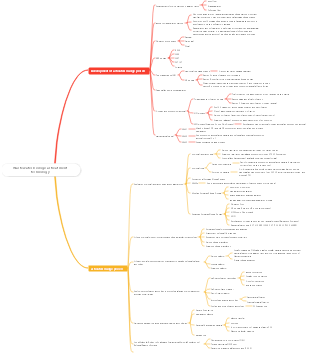
MindMap Gallery water pollution control engineering
Summary of learning about water pollution control engineering, including water resources, water pollution, water pollution treatment methods, traditional municipal sewage treatment technology, etc.
Edited at 2024-02-23 00:12:08Avatar 3 centers on the Sully family, showcasing the internal rift caused by the sacrifice of their eldest son, and their alliance with other tribes on Pandora against the external conflict of the Ashbringers, who adhere to the philosophy of fire and are allied with humans. It explores the grand themes of family, faith, and survival.

This article discusses the Easter eggs and homages in Zootopia 2 that you may have discovered. The main content includes: character and archetype Easter eggs, cinematic universe crossover Easter eggs, animal ecology and behavior references, symbol and metaphor Easter eggs, social satire and brand allusions, and emotional storylines and sequel foreshadowing.
[Zootopia Character Relationship Chart] The idealistic rabbit police officer Judy and the cynical fox conman Nick form a charmingly contrasting duo, rising from street hustlers to become Zootopia police officers!
Avatar 3 centers on the Sully family, showcasing the internal rift caused by the sacrifice of their eldest son, and their alliance with other tribes on Pandora against the external conflict of the Ashbringers, who adhere to the philosophy of fire and are allied with humans. It explores the grand themes of family, faith, and survival.
This article discusses the Easter eggs and homages in Zootopia 2 that you may have discovered. The main content includes: character and archetype Easter eggs, cinematic universe crossover Easter eggs, animal ecology and behavior references, symbol and metaphor Easter eggs, social satire and brand allusions, and emotional storylines and sequel foreshadowing.
[Zootopia Character Relationship Chart] The idealistic rabbit police officer Judy and the cynical fox conman Nick form a charmingly contrasting duo, rising from street hustlers to become Zootopia police officers!
water pollution control engineering
water resources
water uses
Classification of water
Classification according to the properties of water
seawater
brackish water
freshwater
Classification according to the existence space of water
surface water
groundwater
Classification by water form
solid state
gaseous
liquid
water cycle
natural cycle
small loop
intraterrestrial circulation
internal circulation at sea
big cycle
circulation between sea and land
social cycle
The cycle of water in nature and the process of utilization, management, protection and governance of water resources by human society.
The virtuous cycle of water
water treatment
sewage treatment
Water industry design principles
sustainable development concept
Environmentally Friendly Design
3R principle
Water industry design requirements
Pollution must be controlled from source to end
Products must be harmless from cradle to grave
new ideas
Reduce and recycle
Energy saving and recycling
Reclaimed water reuse
my country's water resources
Overview of my country's water resources
The total volume ranks sixth in the world
Per capita water is about 1/4 of the world's per capita water, ranking 110th in the world
The current situation of water resources in my country
Water resources are generally scarce
It decreases from the southeast coast to the northwest inland; there is abundance in the south and shortage in the north.
The north has more cultivated land and less water, while the south has less cultivated land and more water.
The seasonal distribution of rainfall is uneven, with rainfall in most places concentrated in summer and autumn.
Overuse of groundwater
Resource-based water shortage and serious water pollution
my country's water resources regulation
lake
reservoir
Inter-basin water diversion projects. Such as: South-to-North Water Diversion Project
water pollution
Definition of water pollution
As pollutants discharged by human activities enter water bodies such as rivers, lakes, oceans, or groundwater, the physical and chemical properties or composition of biological groups in the water body change, thereby reducing the use value of the water body.
self-purification of water
Physical purification
Dilution, diffusion, precipitation or volatilization of contaminants
chemical purification
Oxidation, reduction and decomposition of pollutants
biological decontamination
Oxidative decomposition of organic matter by microorganisms
water quality standards
Water environment quality standards
Surface water quality standards
Category I: source water, national nature reserve
Category II: First-level protected areas for centralized drinking water surface water sources, rare aquatic creature habitats, etc.
Category III: Secondary protection zone for centralized drinking water surface water sources
Category IV: General industrial water areas and recreational water areas with indirect human contact
Category V: Agricultural water areas and waters with general landscape requirements.
Inferior Category V
Use value
Sea water quality standards
Groundwater quality standards
Water pollutant discharge standards
National emission standards
Pollutant discharge standards for urban sewage treatment plants
Industry emission standards
local emission standards
water pollutants
physical pollution
Sensory pollution, thermal pollution, suspended solid pollution, oil pollution
Inorganic pollution
Acid-base pollution, inorganic poison pollution, nutrient salt pollution
Organic Pollutants
Oxygen-consuming organic matter, refractory organic matter
biological contamination
Pathogenic bacteria, insect eggs, viruses
radioactive contamination
Natural radioactive pollution, man-made radioactive pollution
new pollutants
Perfluorinated organic compounds, PPCPs, endocrine disruptors, nanoparticles, resistance genes, etc.
Water pollution indicators
physical pollution
Temperature, color, odor, solid matter
Inorganic pollution
PH, heavy metals, TN, TP, etc.
Organic Pollutants
COD, BOD, TOD, TOC, DOC, etc.
biological contamination
Total number of bacteria, total number of coliforms
Sources of water pollutants
external pollution
point source of pollution
urban domestic sewage
Industrial waste
surface pollution sources
watershed land surface
Urban street surface runoff
surface runoff in forest areas
Surface runoff in agricultural areas
Loss of nutrients in farmland runoff
Untreated discharge of rural domestic sewage and domestic garbage
Poultry and livestock manure emissions from decentralized farms
farmland soil erosion
non-watershed land surface
diffuse pollution sources
precipitation
dust fall
Breeding
water recreation activities
endogenous pollution
Silt at the bottom of rivers and lakes
nutrients in water
Water pollution and treatment process
water pollution process
Healthy water body → Eutrophication of water body → Black and smelly water body
Water body management process
Black and smelly water → eutrophication → healthy water
Eutrophication of water bodies
External manifestations: algae bloom (freshwater), red tide (seawater)
harm
harm to ecosystems
Affects the use of water bodies: destroys the original ecosystem balance of water bodies, and water cannot be directly used by humans and animals.
Accelerate the process of water swamping and land blooming
harm to the economy
Deteriorating the quality of water sources and increasing the difficulty and cost of water supply treatment
Affects the utilization of water resources and tourism resources, and reduces the economic value of water bodies
Hazards to human health
Abnormally proliferating algae secrete large amounts of biotoxins, threatening the survival of aquatic life and posing a threat to human health.
governance
Exogenous source control to reduce external nutrients in water bodies
Eliminate endogenous sources and reduce their contribution to eutrophication
Black and smelly water
reason
The "black" color is usually caused by suspended particles
The first factor of "stink" is organic pollution
governance
Based on pollution interception, bio-enhanced purification measures are adopted to strengthen the removal of water pollutants in the short term. Reduce COD, increase DO, and eliminate black odor
Traditional municipal sewage treatment process
Primary treatment process
Grille or strainer
Regulation pool
grit tank
primary sinking pond
flotation tank
Secondary treatment process
activated sludge process
Traditional activated sludge process
Pulse flow activated sludge process
Completely mixed activated sludge process
Staged aeration activated sludge method
Improved activated sludge process
Adsorption-regeneration activated sludge method
Staged aeration method
high load aeration method
delayed aeration method
Decreasing aeration method
Deep well and pure oxygen aeration
Advanced activated sludge process
oxidation ditch
Pasveer
Carroussel
Orbal
AB process
Section A has high load and short mud age
Section B is similar to the ordinary activated sludge process
Organic matter is adsorbed and removed in section A, and the carbon source in section B is missing, so the nitrogen and phosphorus removal effect is limited.
Simultaneous nitrogen and phosphorus removal process
A/O
Pool A: Anaerobic or anoxic decarbonization and denitrification
O pool: aerobic decarbonization and nitrification
Aerobic nitrification (autotrophic), anoxic denitrification (heterotrophic)
Anaerobic release of phosphorus, aerobic absorption of phosphorus
A2/O
Pool A: Anaerobic or anoxic decarbonization and denitrification
O pool: aerobic decarbonization and nitrification
Aerobic nitrification (autotrophic), anoxic denitrification (heterotrophic)
Anaerobic release of phosphorus, aerobic absorption of phosphorus
Bardenpho
Phoredox
sequential batch
ICEAS
CASS
CAST
DAT-IAT
Unitanke
Membrane bioreactor (MBR)
Use microfiltration membrane or ultrafiltration membrane instead of secondary sedimentation tank for solid-liquid separation of sludge
biofilm
Main factors affecting the effectiveness of biofilm wastewater treatment
The composition and concentration of the feed water substrate
Nutrients
Organic load and hydraulic load
Dissolved oxygen
Biofilm amount
PH
temperature
Toxic Chemicals
biological filter
High load biological filter
tower biofilter
biological turntable method
biological contact oxidation method
center aeration
side aeration
Aerated biological filter
upflow
BIOFOR, BIOSTYR
downflow
BIOCARBONE
subtopic
biological fluidized bed
Two-phase biological fluidized bed
Three-phase biological fluidized bed
Anaerobic biological treatment
Three stages: (1) hydrolysis and fermentation stage; (2) hydrogen production and acetic acid production stage; (3) methane production stage
Anaerobic ammonification oxidation method
Tertiary treatment process
coagulation sedimentation
Deep phosphorus removal
Microfiltration, depth filtration, etc.
residual suspended solids
Nanofiltration, reverse osmosis, electrolysis, etc.
dissolved solids
Advanced oxidation, adsorption, ion exchange, etc.
specific minor components
Natural biological treatment.
Artificial wetland
surface flow wetland
horizontal hyporheic wetland
vertical flow wetland
Combined horizontal and vertical flow wetland systems
Ecological pond (stabilized pond)
Aerobic pond
facultative pond
Anaerobic pond
aeration pond
disinfect
UV ozone disinfection pool
Chlorine dioxide disinfection pool
Basic methods of water pollution control
physical treatment method
Sieve cutoff
Screen interception
filter
Micropore filtration, membrane filtration, depth filtration
gravity separation
precipitation
Free sedimentation, coagulated sedimentation, regional sedimentation (shallow sedimentation, crowded sedimentation), compression sedimentation
float up
float, float
centrifugation
hydrocyclone
centrifuge
evaporation crystallization
evaporation
Multi-effect evaporation, TVR, MVR
crystallization
Gas-liquid exchange
aeration
Air blast aeration, mechanical aeration
blow off
water droplets/spray
packed tower
magnetic separation
magnetic coagulation separation
disk detachment
high gradient magnetic separation
superconducting magnetic separation
equalization adjustment
Water volume adjustment
water quality regulation
biological treatment
Biological Processing Overview
A treatment method that utilizes the metabolism of microorganisms to purify sewage
The significance of artificial enhancement technology based on environmental self-purification is to create a good environment conducive to the growth and reproduction of microorganisms
Microbial classification
According to different types
fungus
Bacteria, fungi
algae
animals
protozoa, metazoa
Different according to nutritional source
Autotrophic bacteria
photoautotrophic bacteria
chemoautotrophic bacteria
Heterotrophic bacteria
saprophytic
parasitic
Basic principles of biological treatment
New and Exhibition Series
Catabolism (catabolism)
fermentation
The electrons released by the oxidation of organic matter are directly transferred to some intermediate product that is not completely oxidized by the substrate itself. At the same time, energy is released and metabolites of Wutong are produced.
Plays an important role in the anaerobic biological treatment (anaerobic digestion) process
propionic acid fermentation
butyric fermentation
breathe
In the process of degrading substrates, microorganisms transfer the released electrons to electron carriers such as NAD(P) FAD or FMN, and then transfer them to external electron acceptors through the electron transfer system to generate water or other reduction products and release energy.
aerobic respiration
Molecular oxygen as final electron acceptor
hypoxic respiration
Using oxidized compounds as final electron acceptors
Anabolism (anabolism)
substrate (matrix)
Nutrients that can be used by microorganisms
organic matter
heterotrophic microorganisms
Inorganic matter
autotrophic microorganisms
biological treatment methods
Different microorganisms have different needs for dissolved oxygen.
Aerobic biological treatment
Dissolved oxygen (molecular oxygen) is present in water
Medium and low concentration organic wastewater
Amination reaction
nitrification reaction
Phosphate-accumulating bacteria overabsorb phosphorus
anoxic biological treatment
There is no molecular oxygen in the water, but there is combined oxygen such as nitrate
Denitrification
Phosphate-accumulating bacteria overabsorb phosphorus
Anaerobic biological treatment
There is neither molecular oxygen nor combined oxygen in water
Organic matter decomposes into inorganic matter such as methane, carbon dioxide, water, ammonia, and hydrogen sulfide.
Medium and high concentration organic sewage, organic sludge
Anaerobic ammonium oxidation (short-cut nitrification, Anammox)
Phosphate-accumulating bacteria release phosphorus
Different microbial growth methods
suspension growth method
The microorganisms are kept suspended in the biological treatment structure through appropriate mixing methods. Such as: activated sludge method
attached growth method
Microorganisms grow on some kind of carrier and form biofilms. Such as: biofilm method
chemical treatment
neutralize
Use alkali or alkaline substances to neutralize acidic wastewater or acid or acidic substances to neutralize alkaline wastewater, and adjust the pH of the wastewater to about 7
wet addition
Lime, carbide slag, limestone, dolomite, caustic soda, sodium carbonate
filter method
Limestone, dolomite
chemical coagulation
Factors affecting coagulation effect
water temperature
pH value
Composition, nature and concentration of impurities in water
Hydraulic conditions (stirring)
Type, dosage and order of coagulant
coagulant
Inorganic salt coagulant. Lu salt, iron salt
Polymer coagulant. Organic: polyacrylamide; inorganic: polyaluminum chloride, polyferric sulfate
Coagulant
Improve coagulation effect. Polyacrylamide, activated silicic acid, bone glue, sodium alginate, safflower tree, etc.
chemical precipitation
Cold oxide precipitation method, sulfide precipitation method, salt precipitation method, carbonate precipitation method and iron oxidation precipitation method
solubility and solubility product
Hydroxide precipitation method
Has a lot to do with pH value
sulfide precipitation method
Hydrogen sulfide, sodium sulfide, potassium sulfide
carbonate precipitation method
Sodium carbonate
ferrite precipitation method
Wastewater ferrous sulfate alkali (pH adjustment)
barium salt precipitation method
Treatment of wastewater containing hexavalent chromium. Barium carbonate, barium chloride, barium nitrate, barium hydroxide
chemical oxidation and reduction
Commonly used oxidants are chlorine oxidation, air oxidation, ozone oxidation
Commonly used reducing agents include ferrous sulfate, ferrous chloride, iron filings, zinc powder, sulfur dioxide, sodium borohydride, etc.
Agent oxidation and reduction
Chlorine dioxide oxidation method
Chlorine/hydrochloric acid sodium hypochlorite reaction production
photooxidation
Photoactivation oxidation method
Ozone, hydrogen peroxide, oxygen, air photochemical radiation
Photocatalytic oxidation method
Semiconductor Catalyst UV Radiation
H2O2/UV method
UV/TiO2 method
Advanced Oxidation Technology
Fenton oxidation (H2O2/Fe2)
Fenton-like oxidation
ozone oxidation
O3/UV
O3/H2O2
O3/H2O2/UV
O3/metal catalyst
High iron oxidation
Electrochemical Advanced Oxidation
Anodic catalytic oxidation
cathodic reduction
Synergistic catalytic degradation of cathode and anode
photocatalytic oxidation
Ultrasonic oxidation
Wet air oxidation (CWAO)
Supercritical Water Oxidation (SCWO)
electrolysis
The characteristics of the electrolysis method are: the electrolysis device is compact, occupies a small area, has low primary investment, and is easy to realize automation. The dosage of chemicals and the amount of waste liquid produced are small. By adjusting the tank voltage and current, it can adapt to larger changes in water volume and quality. However, it consumes more electricity and soluble materials, has many side reactions, and the electrodes are easily passivated.
Electrolytic oxidation method
Electrolytic reduction method
Iron-carbon interior point solution
Cu/Fe catalytic reduction method
disinfect
Physical disinfection: ultraviolet disinfection, heating disinfection, heating disinfection, radiation disinfection
Chemical disinfection: chlorination disinfection, ozone disinfection, chlorine dioxide disinfection
Physicochemical treatment method
A method of purifying sewage using the combined effects of physics and chemistry
extraction
According to operating status
Continuous
Intermittent
According to the number of extractions
single stage extraction
multi-stage extraction
cross flow
countercurrent
supercritical fluid extraction
Distribution law: KA=Cs/Ce
Stripping
Flotation, a method of removing low-density solid matter or liquid particles from a liquid
blow off
Adsorption
physical adsorption
Adsorption caused by intermolecular forces (van der Waals forces) between solute and adsorbent
chemical adsorption
The process of chemical reaction between solute and adsorbent to form strong adsorption chemical bonds and surface complexes
Ion adsorption (exchange adsorption)
The ions of the solute gather at the charged points on the surface of the adsorbent due to electrostatic attraction.
Adsorbent: activated clay, fuller's earth, diatomite, activated carbon, silica gel, activated alumina, zeolite molecular sieve, adsorption resin, humic acid adsorbent
q=V(Co-c)/W
Ion exchange
According to ion exchange selectivity
Cation exchange resin
anion exchange resin
According to the strength of the acid and base in the active group
Strongly acidic cation exchange resin
Weakly acidic cation exchange resin
Strongly basic anion exchange resin
Weakly basic anion exchange resin
The main method of softening and desalting. The exchange reaction of exchange ions on an insoluble ionic compound (ion exchanger) with other ions of the same type in the solvent.
Membrane separation
Microfiltration
Ultrafiltration
Nanofiltration
reverse osmosis
electrodialysis
Membrane separation method with potential difference as driving force, used to remove ions from aqueous solution, mainly used for brackish water desalination or seawater desalination