MindMap Gallery Fermentation engineering and its applications
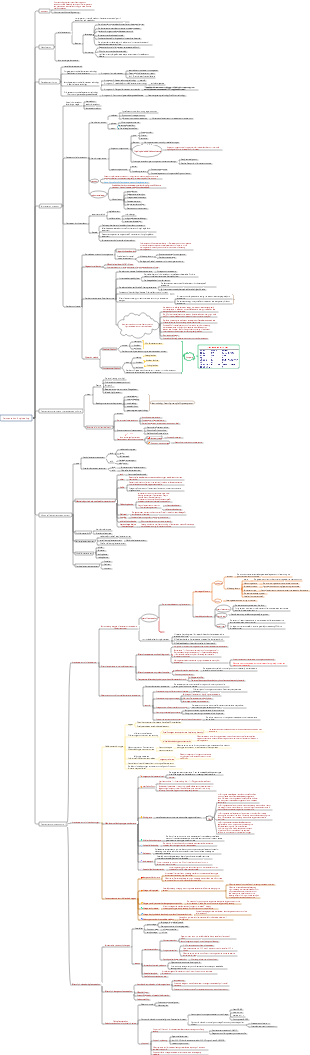
This is a mind map about fermentation engineering and its applications. Fermentation engineering is a new technology that utilizes the specific functions of microorganisms to produce products useful to humans, or directly applies microorganisms to industrial production processes.
Edited at 2023-12-20 00:06:26Discover how Aeon can navigate the competitive online landscape with a strategic SWOT analysis. This comprehensive overview highlights Aeon’s strengths, such as its strong brand recognition, omnichannel capabilities, and customer loyalty programs, alongside its weaknesses, including digital maturity gaps and cost structure challenges. Opportunities for growth include enhancing e-commerce competitiveness and leveraging data-driven strategies, while threats from online-first players and market dynamics require attention. Explore how Aeon can strengthen its market position through innovation and customer-centric approaches in the ever-evolving retail environment.

Discover how Aeon effectively tailors its offerings to meet the diverse needs of family-oriented consumers through a comprehensive Segmentation, Targeting, and Positioning (STP) analysis. Our approach begins with demographic segmentation, examining family life stages, household sizes, income levels, and parent age bands to identify distinct consumer groups. Geographic segmentation highlights store catchment types and community characteristics, while psychographic segmentation delves into family values and lifestyle orientations. Behavioral segmentation focuses on shopping missions, price sensitivity, and channel preferences. Finally, needs-based segmentation reveals core family needs related to value and budget considerations. Join us as we explore these insights to enhance family shopping experiences at Aeon.
Discover the dynamics of sneaker transactions with our Kream Sneaker Consumption Scene Analysis Template. This comprehensive framework aims to visualize the purchasing and consumption journeys of sneakers, identifying key demand drivers and obstacles. It covers user behavior within Kream and external influences, targeting various sneaker categories over specific timeframes and regions. The analysis defines user segments, including collectors, resellers, sneakerheads, casual trend followers, and gift purchasers, each with unique values and KPIs. It outlines the consumption journey from awareness to resale, highlighting critical touchpoints such as search, purchase, inspection, and sharing experiences. Key performance indicators are established to measure engagement and satisfaction throughout the process. Join us in exploring the intricate world of sneaker trading!
Discover how Aeon can navigate the competitive online landscape with a strategic SWOT analysis. This comprehensive overview highlights Aeon’s strengths, such as its strong brand recognition, omnichannel capabilities, and customer loyalty programs, alongside its weaknesses, including digital maturity gaps and cost structure challenges. Opportunities for growth include enhancing e-commerce competitiveness and leveraging data-driven strategies, while threats from online-first players and market dynamics require attention. Explore how Aeon can strengthen its market position through innovation and customer-centric approaches in the ever-evolving retail environment.
Discover how Aeon effectively tailors its offerings to meet the diverse needs of family-oriented consumers through a comprehensive Segmentation, Targeting, and Positioning (STP) analysis. Our approach begins with demographic segmentation, examining family life stages, household sizes, income levels, and parent age bands to identify distinct consumer groups. Geographic segmentation highlights store catchment types and community characteristics, while psychographic segmentation delves into family values and lifestyle orientations. Behavioral segmentation focuses on shopping missions, price sensitivity, and channel preferences. Finally, needs-based segmentation reveals core family needs related to value and budget considerations. Join us as we explore these insights to enhance family shopping experiences at Aeon.
Discover the dynamics of sneaker transactions with our Kream Sneaker Consumption Scene Analysis Template. This comprehensive framework aims to visualize the purchasing and consumption journeys of sneakers, identifying key demand drivers and obstacles. It covers user behavior within Kream and external influences, targeting various sneaker categories over specific timeframes and regions. The analysis defines user segments, including collectors, resellers, sneakerheads, casual trend followers, and gift purchasers, each with unique values and KPIs. It outlines the consumption journey from awareness to resale, highlighting critical touchpoints such as search, purchase, inspection, and sharing experiences. Key performance indicators are established to measure engagement and satisfaction throughout the process. Join us in exploring the intricate world of sneaker trading!
Fermentation engineering and its applications
1. Basic links of fermentation engineering
Schematic diagram of fermentation tank
Beer industrial production process
Germination Roasting Grinding Saccharification Cooking Fermentation Sterilization Termination
common problem
(1) Why does it need to be "ventilated first and then sealed" during the yeast alcohol fermentation process? The purpose of "aeration" is to allow yeast to carry out aerobic respiration and multiply; The purpose of "sealing" is to allow yeast to undergo alcoholic fermentation to produce alcohol. (2) In beer production, fermentation is an important step. In the later stage of fermentation, if the sealing is not tight, the beer will become sour. Do you know what has changed? Alcohol is oxidized under the action of acetic acid bacteria to produce acetaldehyde, which eventually becomes acetic acid.
Monitoring of the fermentation process
Reasons for strict control of fermentation conditions
Summarize
2. Application of fermentation process
food industry
Produce traditional fermented products, such as soy sauce, various wines, etc.
Example 1: Producing soy sauce
Soybean → Aspergillus niger → Protein hydrolyzed into small molecule peptides and amino acids → Elution and preparation → Soy sauce
Example 2: Brewing
Cereals or fruits → Saccharomyces cerevisiae → Alcoholic beverages
Produces a wide range of food additives
Production of enzyme preparations
Pharmaceutical industry
Drugs produced by fermentation engineering
Antibiotics, amino acids, hormones, immunomodulators
Combining genetic engineering, protein engineering and fermentation engineering
Agriculture and animal husbandry
Produce microbial fertilizers
Utilize the organic acids and bioactive substances produced by microorganisms during the metabolic process to increase soil fertility, improve soil structure, promote plant growth, and enhance plant disease resistance and stress resistance.
Common microbial fertilizers
Rhizobium fertilizer, nitrogen-fixing bacteria fertilizer
Production of microbial pesticides
Using microorganisms or their metabolites to control pests and diseases
Common microbial pesticides
Producing microbial feed
Single-cell protein: A large number of microbial cells obtained through fermentation using hydrolysates of starch or cellulose, sugar industry waste, etc. as raw materials. Obtained by filtration, precipitation, etc.
Adding lactic acid bacteria to silage can improve the quality of the feed, keep the feed fresh, and improve the immunity of animals after eating it.
Other applications
Solve resource shortage and environmental pollution problems
Utilizing fiber waste fermentation to produce alcohol, ethylene and other energy substances
Utilization of extremophiles (living in high temperature, high pressure, high salt and low temperature environments)
Utilizing thermophilic and halophilic bacteria to produce detergents