 Wondershare EdrawMind
MindMap Gallery 1H413020 Electrical Engineering Installation Technology
- 37
1H413020 Electrical Engineering Installation Technology
This is a mind map about 1H413020 electrical engineering installation technology, lightning protection measures, installation requirements for lightning protection placement, installation requirements for grounding devices, grounding requirements for explosion and fire hazardous environments, and requirements for anti-static grounding devices.
Edited at 2021-07-19 10:00:11
- Aeon SWOT Analysis
Discover how Aeon can navigate the competitive online landscape with a strategic SWOT analysis. This comprehensive overview highlights Aeon’s strengths, such as its strong brand recognition, omnichannel capabilities, and customer loyalty programs, alongside its weaknesses, including digital maturity gaps and cost structure challenges. Opportunities for growth include enhancing e-commerce competitiveness and leveraging data-driven strategies, while threats from online-first players and market dynamics require attention. Explore how Aeon can strengthen its market position through innovation and customer-centric approaches in the ever-evolving retail environment.
- Aeon Market Segmentation, Targeting and Positioning Analysis
Discover how Aeon effectively tailors its offerings to meet the diverse needs of family-oriented consumers through a comprehensive Segmentation, Targeting, and Positioning (STP) analysis. Our approach begins with demographic segmentation, examining family life stages, household sizes, income levels, and parent age bands to identify distinct consumer groups. Geographic segmentation highlights store catchment types and community characteristics, while psychographic segmentation delves into family values and lifestyle orientations. Behavioral segmentation focuses on shopping missions, price sensitivity, and channel preferences. Finally, needs-based segmentation reveals core family needs related to value and budget considerations. Join us as we explore these insights to enhance family shopping experiences at Aeon.
- Nike Market Segmentation, Targeting and Positioning Analysis
Discover the dynamics of sneaker transactions with our Kream Sneaker Consumption Scene Analysis Template. This comprehensive framework aims to visualize the purchasing and consumption journeys of sneakers, identifying key demand drivers and obstacles. It covers user behavior within Kream and external influences, targeting various sneaker categories over specific timeframes and regions. The analysis defines user segments, including collectors, resellers, sneakerheads, casual trend followers, and gift purchasers, each with unique values and KPIs. It outlines the consumption journey from awareness to resale, highlighting critical touchpoints such as search, purchase, inspection, and sharing experiences. Key performance indicators are established to measure engagement and satisfaction throughout the process. Join us in exploring the intricate world of sneaker trading!
1H413020 Electrical Engineering Installation Technology
- Aeon SWOT Analysis
Discover how Aeon can navigate the competitive online landscape with a strategic SWOT analysis. This comprehensive overview highlights Aeon’s strengths, such as its strong brand recognition, omnichannel capabilities, and customer loyalty programs, alongside its weaknesses, including digital maturity gaps and cost structure challenges. Opportunities for growth include enhancing e-commerce competitiveness and leveraging data-driven strategies, while threats from online-first players and market dynamics require attention. Explore how Aeon can strengthen its market position through innovation and customer-centric approaches in the ever-evolving retail environment.
- Aeon Market Segmentation, Targeting and Positioning Analysis
Discover how Aeon effectively tailors its offerings to meet the diverse needs of family-oriented consumers through a comprehensive Segmentation, Targeting, and Positioning (STP) analysis. Our approach begins with demographic segmentation, examining family life stages, household sizes, income levels, and parent age bands to identify distinct consumer groups. Geographic segmentation highlights store catchment types and community characteristics, while psychographic segmentation delves into family values and lifestyle orientations. Behavioral segmentation focuses on shopping missions, price sensitivity, and channel preferences. Finally, needs-based segmentation reveals core family needs related to value and budget considerations. Join us as we explore these insights to enhance family shopping experiences at Aeon.
- Nike Market Segmentation, Targeting and Positioning Analysis
Discover the dynamics of sneaker transactions with our Kream Sneaker Consumption Scene Analysis Template. This comprehensive framework aims to visualize the purchasing and consumption journeys of sneakers, identifying key demand drivers and obstacles. It covers user behavior within Kream and external influences, targeting various sneaker categories over specific timeframes and regions. The analysis defines user segments, including collectors, resellers, sneakerheads, casual trend followers, and gift purchasers, each with unique values and KPIs. It outlines the consumption journey from awareness to resale, highlighting critical touchpoints such as search, purchase, inspection, and sharing experiences. Key performance indicators are established to measure engagement and satisfaction throughout the process. Join us in exploring the intricate world of sneaker trading!
- Recommended to you
- Outline
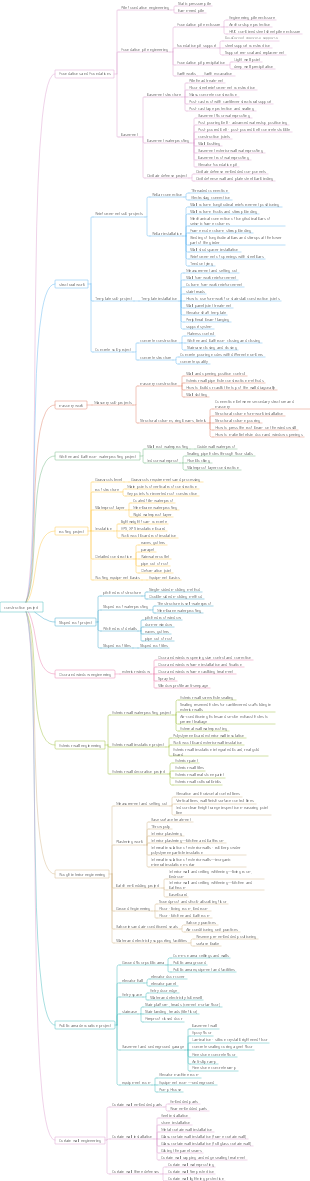
Electrical Engineering Installation Technology
Power distribution device installation and debugging technology
Inspection before installation of power distribution equipment
1. Packaging and sealing should be good. The models, specifications, and cabinet geometry of equipment and components should comply with the design requirements. The supply scope and quantity of spare parts should comply with the contract requirements, and the cabinet should have lifting rings for easy lifting. 2. The electrical appliances, components, and insulating porcelain bottles in the cabinet are complete, and there are no defects such as damage or cracks. 3. The layout of the equipment inside the cabinet should be safe and reasonable to ensure easy maintenance of the switch cabinet. Keep a safe distance between cabinet equipment and the disk surface 4. The power distribution device has mechanical and electrical interlocking devices to prevent misoperation. Steel wire is not allowed for mechanical interlocking devices. 5. The busbars in the power distribution device should be marked with phase sequence colors in accordance with national standards, and the phase sequence should be consistent. 6. Technical documents should be complete. All electrical equipment and components should have certificates of conformity, and key components should have copies of product manufacturing licenses, and their certificate numbers should be clear.
Installation requirements for cabinets of power distribution devices
1. The permissible deviations in verticality and horizontality, positional deviation and non-parallelism of the basic section steel when installed, and the top plane of the basic section steel should comply with the regulations. The grounding of the basic steel should be ≧2. 2. Cabinet doors containing electrical appliances should be reliably connected to the metal cabinet body with bare copper flexible wires. 3. Install the cabinets on the basic steel in numerical order, and then level and align them. The allowable deviation of the cabinet installation verticality is ≦1.5%. , the gap between each other is ≦2mm, and the deviation of the arrayed disk surface is ≦5mm. 4. After the cabinet is installed, each cabinet should be individually connected to the basic steel for grounding protection to ensure that the cabinet is firmly and well grounded. 5. After the installation is completed, a comprehensive retest should be carried out and the installation records of the cabinet should be kept.
Power distribution device
Carry out simulation tests separately, and the operation, control, interlocking, signaling and protection should be correct, safe and reliable.
Configuration device testing and adjustment requirements
High voltage test content (Conducted by a testing unit licensed by the local power supply department)
1. Busbars, lightning arresters, high-voltage porcelain bottles, voltage transformers, current transformers, high-voltage switches and other equipment and components 2. The test contents include: main circuit resistance measurement and temperature rise test, insulation test, peak withstand current, shutdown capacity test, mechanical test, protection level, internal fault test, operating vibration test, short-time withstand current test , SF6 gas insulated switchgear air leakage rate and moisture content inspection, inspection. (Mantra: Lu Yuanfeng shuts down the computer room and stops breathing)
Main setting contents of power distribution device (Mantra: Mitsubishi has done it)
Overcurrent protection setting: current component setting and time component setting. Overload alarm setting: overload current component setting and time component setting. Three-phase primary reclosing setting: reclosing delay setting and reclosing synchronization angle setting. Zero-sequence overcurrent protection setting: current component setting, time component setting and direction component setting. Overvoltage protection setting: overvoltage range setting and overvoltage protection time setting.
Configure equipment before powering on
Prepare qualified electroscopes, insulating boots, insulating gloves, temporary grounding braided copper wire, insulating rubber pads and fire extinguishers
Inspection before power transmission
1. Check and test whether all meters and relays operate correctly 2. Check whether the grounding device of the switch cabinet is firm and whether there are obvious signs. 3. Check whether the pull-out component is flexible 4. Check whether the installed electrical equipment has good contact and meets its own technical conditions. 5. Check the reliability of mechanical chain 6. Check whether the installation of the switch cabinet meets the requirements 7. Check whether the electrical equipment and wiring in the switch cabinet meet the drawing requirements, whether the wire ends are marked with numbers, and whether the wiring is neat. Tip: My cousin pulled out the locker cord
Power transmission operation acceptance
1. After passing the inspection by the power supply department, the power supply will be sent indoors, and it will be correct after power inspection and phase calibration (inspection by the power supply department) 2. Turn on the high-voltage switch to check whether the high-voltage voltage is normal; turn on the switch of the transformer cabinet to check whether the transformer has power; turn on the incoming switch of the low-voltage cabinet to check whether the low-voltage voltage is normal; turn on the switches of other cabinets (high voltage --- transformer - --low pressure) 3. Run without load for 24 hours. If there is no abnormal phenomenon, go through the acceptance procedures and hand it over to the construction unit for use. At the same time, submit 1. Construction drawings 2. Test report and other technical information 3. Product certificate instructions, 4. Construction records (Function: Soil Egg secretary)
Motor installation and debugging technology
Transformer installation technology
open box to check
1. Check the specifications and models of the transformer according to the equipment list, construction drawings and equipment technical documents. They should be consistent with the design, and the accessories and spare parts should be complete and undamaged. 2 Transformers filled with nitrogen or dry air for transportation should have pressure monitoring and replenishing devices. Positive pressure should be maintained during transportation, and the gas pressure should be 0.01~0.03MPa.
Transformer secondary transportation
1. The secondary transportation of the transformer can be carried out by roller rolling and winch hauling. 2. When lifting the transformer, the rigging must be inspected and qualified. The wire rope must be hung on the hook of the oil tank. The lifting ring on the top cover of the transformer is only used for lifting core inspection. It is strictly forbidden to use this lifting ring to lift the entire transformer. 3. When transporting the transformer, the high and low voltage insulating porcelain bottles should be covered to protect it from damage. 4. During the transportation of the transformer, there should be no severe shock or vibration. When using mechanical traction, the traction point should be below the center of gravity of the transformer, and the transportation inclination angle should be ≦15 degrees to prevent the internal structure from deforming due to tilt. 5. When using a jack to lift a large transformer, the jack should be placed on the jack bracket of the oil tank. The lifting operations should be coordinated, the force on each point should be even, and the pads should be placed in time.
Transformer lifting core inspection
1. Inspection contents: 1. Winding inspection; 2. Iron core inspection; 3. Lead wire insulation inspection; 4. Inspection of the oil circulation pipeline and the insulation interface of the lower coil; 5. Inspection of the on-load voltage regulating switching device; 6. None Inspection of the excitation and voltage regulation switching device; 7. Insulation screen inspection; 8. Insulation barrier inspection; (Mantra: pig heart seal tube, tooth barrier) 2. After the inspection of the transformer body is completed, it must be flushed with 1. qualified transformer oil and the bottom of the oil tank must be cleaned. There must be no leftover debris. 2. The valves on the box wall should open and close flexibly and indicate correctly.
Transformer in place
1. The transformer can be directly hoisted into place by a crane. 2. The track on the foundation of the transformer should be level, and the track gauge and wheel gauge should match. The top cover of the transformer equipped with a gas relay should have a rising slope of 1.0%-1.5% along the air flow direction of the gas relay. 3. When the transformer is connected to the closed busbar, the center line of the casing should be consistent with the center line of the closed busbar. 4. After the transformer is in place, the rollers should be fixed with a removable braking device.
Transformer wiring
1. The construction of the primary and secondary leads of the transformer should not cause the casing of the transformer to directly bear stress. 2. The neutral point on the low-voltage side of the transformer must be directly connected to the grounding trunk lead from the grounding device. The transformer box, bracket or shell should be grounded (PE) and marked. 3. In the grounding loop of the neutral point of the transformer, a detachable connection point should be made close to the outside of the transformer.
Transformer handover test
Insulating oil test or SF6 gas test
The moisture content of SF6 gas is ≦250ppm, and the transformer should have no obvious leakage points.
Measure the DC resistance of the winding together with the bushing
(1) Comparing the DC resistance of the transformer with the factory measured value of the product at the same temperature, the corresponding change is ≦2%. (2) For three-phase transformers of 1600kVA and below, the difference between the windings of each phase is ≦4%; the difference between the windings between the winding lines without a neutral point is ≦2%. (3) For transformers above 1600kVA, the difference between each phase winding is ≦2%; for windings without a neutral point, the difference between lines is ≦1%.
Check the voltage ratio of all taps
(1) The allowable deviation of voltage ratio of transformers with voltage level below 35kV and voltage ratio <3 should be ±1%. (2) The allowable deviation of the rated tap voltage ratio of all other transformers is ≦0.5%. (3) The voltage ratio of other taps should be within 1/10 of the transformer impedance voltage value (%), and the allowable deviation should be ±1%.
Check the three-phase connection group of the transformer
DC induction method or AC voltage method
Measure the insulation resistance of cores and clamps
1. After all the installation work of the transformer is completed, the insulation resistance measurement of the iron core to the ground, the clamp with the external ground wire to the ground, and the iron core to the clamp should be measured. 2. When there is a special iron core grounding wire leading out of the casing on the transformer, its insulation resistance to the shell should be measured before and after oiling. 3. Use a 2500V megger to measure, the duration should be 1min, and there should be no flashover or breakdown.
Measure the insulation resistance and absorption ratio of the winding and bushing
1. Use a 2500V megger to measure the insulation resistance value of each phase high-voltage winding to the shell. 2. Use a 500V megger to measure the insulation resistance value of each low-voltage phase winding to the shell.
AC withstand voltage test of windings and bushings
1. Large-capacity transformers must be left standing for 12 hours before conducting a withstand voltage test. 2. For small-capacity transformers below 10kV, the withstand voltage test can only be carried out after they have been left standing for more than 5 hours.
Impact closing test at rated voltage
1. The impact closing test of the transformer at rated voltage should be carried out 5 times, and the interval between each time should be 5 minutes. There should be no abnormal phenomena. 2. For the 750kV transformer, under the rated voltage, the live running time after the first impact closing is ≧30min. The live running time after each subsequent closing can be shortened successively, but ≧5min. 3. Impact closing should be performed on the high-voltage side of the transformer. When testing a power system with a grounded neutral point, the neutral point of the transformer should be grounded.
Check phase
Check the phase of the transformer, it should be consistent with the phase of the power grid.
Power transmission trial operation
1. When the transformer is put into operation for the first time, it can be switched on at full voltage for impact closing. The impact switching should be switched on from the high voltage side. 2. The transformer should undergo no-load and full-voltage impact closing for 5 times, and there should be no abnormality; after receiving power for the first time, the duration should not be less than 10 minutes; during full-voltage impact closing, the excitation inrush current should not cause the protection device to fail. Malfunction. 3. After the oil-immersed transformer is charged, check that all welds and connection surfaces of the oil system should not see any oil leakage. 4. Before parallel operation of transformers, the phase should be checked. 5. During the trial operation of the transformer, attention should be paid to the inrush current, no-load current, primary and secondary voltages, and temperature, and the trial operation records should be kept. 6. The transformer can be put into load operation only after it has been running without load for 24 hours without any abnormality.
Motor installation technology
open box to check
1. The unevenness of the air gap should comply with the technical regulations of the product. 2. When there is no regulation, the ratio of the difference between the air gap at each point and the average air gap to the average air gap should be ±5%
Core pulling inspection (Summary: overdue, suspicious)
1. The factory date of the motor exceeds the manufacturer's warranty period; if the manufacturer does not have a warranty period, the factory date has exceeded 1 year. 2. When the quality is questionable after visual inspection or electrical testing
Drying of electric motors
When the insulation resistance cannot be met, drying must be carried out 1. Use a 500-1000V megger for motors of IkV and below, and the insulation resistance value should not be lower than IMQ/kV. 2. Use a 2500V megger for motors above 1kV. The insulation resistance of the stator winding should not be less than IMfl/kV, and the insulation resistance of the rotor winding should not be less than 0.5MQ/kV. An absorption ratio (R60/R15) test should be done, and the absorption ratio should not be less than 1.3.
Drying method
External heating drying method: Use high-power external heat sources, such as infrared bulbs, heating tubes, heating plates and other equipment to bake the inside of the motor
Current heating drying method: pass the motor into low-voltage DC or AC current, and use the copper loss of the motor itself to heat
Precautions
1) Before drying, the drying method and related technical measures should be formulated according to the moisture condition of the motor. 2) The drying temperature rises slowly, and the temperature rise is generally controlled at 5 to 8 degrees per hour. 3) The temperature should be strictly controlled during drying. Within the specified range, the maximum allowable temperature for drying should be determined according to the grade of the insulating material. Generally, the maximum temperature of the core and winding should be controlled at 70~80 4) It is not allowed to use mercury thermometer to measure the temperature during drying. Use alcohol thermometer, resistance thermometer or temperature difference thermocouple. 5) Regularly measure and record the insulation resistance of the winding, winding temperature, voltage and current of the dry power supply, and ambient temperature. Be sure to disconnect the power supply during measurement to avoid danger. 6) When the insulation resistance of the motor reaches the specification requirements and remains stable for 5 hours at the same temperature, it is deemed that the drying is completed.
Motor installation
1. During installation, a layer of hard wooden board or hard plastic or other anti-vibration material should be placed between the motor and the foundation. 2. Spring washers should be applied to all anchor bolts, and nuts should be tightened in diagonal staggered order. 3. The levelness of the motor should be adjusted, usually measured with a level. 4. There should generally be no more than three motor gaskets. The gaskets should be in tight contact with the foundation surface. Secondary grouting should be performed after the motor base is installed.
Inspection before trial operation
(1) Use a 500V megger to measure the insulation resistance of the motor winding. For 380V asynchronous motor should be ≧0.5 megohm (2) Check whether the motor is installed firmly and whether the anchor bolts are all tightened. (3) The protective grounding wire of the motor must be connected reliably. The cross-section of the grounding wire (copper core) is not less than 4mm2 and has a lock spring washer. (4) Check whether the coupling between the motor and the transmission machinery is installed properly. (5) Check whether the motor power switch, starting equipment, and control device are suitable. Is the fuse selection qualified? Is the thermal relay adjusted properly? Are the short-circuit release and thermal release settings correct? (6) Turn on the power and check whether the motor's steering direction is correct. If it is incorrect, just swap the two power cords on the power supply side or the motor junction box side. (7) For wound-type motors, slip rings and brushes should also be checked.
Inspections during trial operation
(1) The rotation direction of the motor should meet the requirements and there should be no noise; (2) The commutator, slip rings and brushes are working normally; (3) Check the temperature of the motor, there should be no overheating; (4) Vibration (double amplitude value) should not be greater than the value specified in the standard; (5) The temperature rise of sliding bearings and rolling bearings should not exceed the specified value; (6) The first start of the motor is generally carried out under no-load conditions. The no-load running time is 2 hours, and the no-load current of the motor is recorded.
Technology requirements for transmission and distribution line construction
Overhead line construction procedures and contents
Overhead line construction procedures
Line measurement---Basic construction--Pole and tower assembly--Wire laying--Wire connection--Line test--Completion acceptance inspection (mantra: Standing instructor)
line measurement
1. The displacement of the linear pole tower along the line and transverse line direction does not need to exceed the design distance requirements. 2. The horizontal lines and along-line displacements of corner towers and branch towers should meet the requirements.
Basic construction requirements
1. The center deviation of the root opening of the double-rod foundation pit is ≦30mm, and the depth deviation of the two-rod pit is ≦20mm. When the pole foundation uses a chuck, the soil below it should be compacted in layers before installation. The installation location, direction and depth should meet the design requirements
Pole and tower assembly requirements
1. The overall assembly method includes the falling type herringbone pole holding method and the seated leg type herringbone pole holding method. 2. The legislation for disassembly and assembly includes disassembling and assembling towers by holding poles with internal and external cables, inverting and assembling towers, etc.
How to disassemble and assemble the tower by holding poles with inner cables
Features: 1. Double hoisting can be performed at the same time 2. Reduces the tools and workload required for setting anchor piles 3. Improves construction efficiency 4. Not affected by the terrain around the tower
Wire connection requirements
1. Each conductor is allowed to have only one joint within each span. However, conductors and lightning protection wires are not allowed to have joints where they cross roads, rivers, railways, important buildings, power lines and communication lines. 2. Wires of different materials, different cross-sections or different twisting directions can only be connected within the jumper on the pole. 3. The mechanical strength of the joint is ≧90% of the strength of the conductor itself. Resistance ≦ 1.2 times the resistance of the same length of wire. (analogy to tying a knot) 4. For jumper connections at tension poles, branch poles, etc., T-shaped wire racks and parallel groove wire clips can be used. 5. The crimping methods of overhead lines can be divided into clamping connection, hydraulic connection and explosion pressure connection. (Synopsis: Sorry)
Line test
1. Measure the insulation resistance of insulators and lines ----Insulation resistance measurement of suspension insulators and pillar insulators ----AC withstand voltage test of suspension insulators and pillar insulators 2. Measuring the power frequency parameters of lines above 35kV can be carried out according to professional requirements such as relay protection and overvoltage. 3. Check that the phases on both sides of each phase of the overhead line should be consistent. 4. Impact closing test: The impact closing test on the no-load line under rated voltage should be carried out three times. 5. Measure the ground resistance value of the tower and it should comply with the design requirements. 6. Wire joint test ----Voltage drop method: The voltage drop at both ends of a normal wire joint is generally ≦ 1.2 times the voltage drop of the same length of wire. ----Temperature method: Infrared thermometer, which can measure the temperature at a certain distance from the measured point, and test the connection quality of the joint by measuring the temperature of the wire joint
Completion acceptance inspection
Shock closing of no-load line 3 times under rated voltage, no problem
Laying of cable lines
Directly buried cable laying requirements
1. The burial depth of directly buried cables should be ≧ 0.7m, and when crossing farmland, the burial depth should be ≧ 1m. 2. Directly buried cables generally use armored cables. Both ends of the metal sheath of the armored cable must be reliably grounded, and the grounding resistance is ≦10Ω. 3. After the cable is laid, 100mm thick soft soil or fine sand should be laid on it, and then covered with a concrete protective board. The coverage width should exceed 50mm on both sides of the cable, or use bricks instead of concrete protective boards. 4. For directly buried cables, obvious orientation signs or stakes should be set up every 50-100m in straight sections, at cable joints, at turns, and when entering buildings, etc. 5. There should be a cast iron or concrete protective box outside the cable intermediate joint box. The concrete base plate should be padded under the joint, and the length should extend 600~700mm from both ends of the joint protection box. 6. When the cable is introduced into a building or tunnel, it should be inserted into the pipe and the pipe opening should be blocked to prevent water seepage. 7. When cables cross each other and non-thermal pipes and pipelines, they must be worn in protective tubes when crossing roads. The length of the protective tube exceeds the intersection point by 1m, the clear crossing distance is ≧ 250mm, and the inner diameter of the protective tube is ≧ 1.5 times the outer diameter of the cable. 8. It is strictly prohibited to lay cables in parallel above or below the pipeline.
Construction requirements for pipe cable laying
1. The hole diameter should generally be ≧1.5 times the outer diameter of the cable. The hole diameter of the row pipe for laying the power cable should be ≧100mm. The hole diameter of the control cable should be ≧75mm. 2. The distance from the top of the buried underground pipe to the ground should be ≧500mm on the sidewalk; ≧700mm in general areas 3. Where the straight line distance exceeds 100m, pipe cable wells must be installed at turns and branches of the pipe; the pipe leading to the well pit should have a slope of ≧0.1% so that the water in the pipe can flow into the well pit. 4. Cables laid in pipes should be armored cables.
Requirements for cable laying in cable trenches or tunnels
1. Power cables and control cables should not be configured on the same layer of brackets 2. The control cable is on the ordinary bracket, ≦1 layer, and on the bridge frame, it is ≦3 layers. 3. High and low voltage power cables, strong current and weak current control cables should be arranged in layers in order, preferably from top to bottom. 4. AC three-core power cable has ≦ one layer on the ordinary support and hanger, and ≦2 layers on the bridge. 5. AC single-core power cables should be arranged on the same side bracket. When arranged in a close-fitting equilateral triangle, they should be firmly tied with straps every 1m. 6. After the cable laying is completed, debris should be removed in time and the cover should be covered. If necessary, the gaps in the cover should also be sealed.
Inspection before cable laying
1. The oil pressure of the charging cable is ≧0.15MPa. The oil supply valve should be in the open position and the action should be flexible. 2. Before laying, the length of each cable should be designed and calculated according to the actual path, and each cable should be arranged reasonably to reduce cable joints. 3. When laying cables in live areas, reliable safety measures should be taken. 4. The cable end sealing should be tight and the insulation test should be done as required. ---For cables above 6kV, AC withstand voltage and DC leakage tests should be applied; ---Test the insulation resistance of cables below 1kV with a megger and keep records.
Cable laying requirements
1. When working, pulleys must be placed every 1.5-2m. The cable end is removed from the reel and placed on the pulley. Then it is buckled with a rope and dragged forward. Do not drag the cable on the ground. 2. When laying cables mechanically, they should be advanced slowly. The general speed is ≦15m/min. The pulling head must be equipped with a steel wire sleeve. Large-section cables with a length within 300m can be directly tied to the cable core for traction, and the protective layer must not be damaged during laying. 3. The maximum traction strength when laying cables mechanically should comply with relevant regulations. The total pulling force of charging cables is ≦27kN. 4. The cables inserted into the pipe should meet the design requirements. AC single-core cables must not be inserted into the steel pipe alone.
Layout of power cable joints
1. The length, model and specifications of cables laid in parallel should be the same, and the locations of the joints should be staggered from each other. 2. When the cable is laid out in the open, the connector should be fixed with a pallet. 3. There should be a protective box outside the directly buried cable junction box to prevent mechanical damage. The protective box located in the frozen soil layer should be filled with asphalt.
Installation of signboards
1. Signs should be installed on cables at cable terminals, cable joints, corners, mezzanines, both ends of shafts in tunnels, manholes, etc. 2. The signboard should indicate the line number. The writing on the signboard should be clear and not easy to fall off. When there is no number, the cable model, specification and starting and ending locations should be stated. Cables used in parallel should have sequence numbers. 3. The specifications of the signs should be uniform, the signs should be anti-corrosion and the hanging should be firm.
Measurement of insulation resistance
1. The insulation resistance of cables of 1kV and above can be measured with a 2500V megger. The minimum insulation resistance values of cables with different voltage levels should comply with regulations. 2. Before measuring the insulation resistance of the cable line, use a wire to short-circuit the cable to the ground and discharge it. When the grounding line is long or the insulation performance is good, the discharge time is ≧1min. 3. After the measurement is completed or when further measurement is required, the cable should be grounded again for discharge. 4. Each measurement needs to record the ambient temperature, temperature, voltage level of the insulation resistance meter and other factors that may affect the measurement results. Analyze and compare the measurement results to correctly judge the quality of the cable insulation performance.
Withstand voltage test
1. The withstand voltage test is conducted with DC voltage, and the test voltage standard should meet the requirements. 2. While conducting the DC withstand voltage test, measure the leakage current with a microammeter connected to the high voltage side. The maximum asymmetry coefficient of three-phase leakage current is generally ≦2. For cables of 10kV and above, if the leakage current is <20uA, the maximum asymmetric system of the three-phase leakage current is not specified.
Installation requirements for lightning protection and grounding devices
Lightning protection measures
Lightning protection measures for transmission lines
1. Set up lightning wires. Let lightning strike directly on the lightning line to protect the transmission conductor from lightning strike. 2. Increase the number of insulator strings to strengthen the insulation. When lightning falls on the line, the insulator string will not flash. 3. Reduce the grounding resistance of the tower, which can quickly discharge lightning current into the ground and prevent the voltage of the tower from rising too high. Prevent the insulator from being counterattacked. 4. Install tubular air-termination devices or discharge gaps to limit overvoltage caused by lightning strikes. 5. Install automatic reclosing to prevent power outages after the external insulation flashover caused by lightning strikes causes the circuit breaker to trip. 6. Use the arc suppression coil grounding method. The ground fault current of a single-phase lightning strike can be extinguished by the arc suppression coil, so that the fault is automatically eliminated. 7. Settings of lightning terminals for transmission lines with different voltage levels: ✦For power transmission lines of 500kV and above, double lightning lines should be installed on the entire line. The higher the transmission line, the smaller the protection angle. ✦220-330kV lines should be equipped with double air-termination wires on the entire line. The protection angle of the air-termination wires on the towers for the conductors is 20-30 degrees (memory: echoing before and after) ✦The 110kV line is equipped with lightning wires along the entire line, and double lightning wires are used in areas with particularly strong lightning. In areas with few minefields or areas where operating experience proves that lightning activity is light, lightning wires may not be erected along the line, but the tower should still be grounded along with the foundation (memory: 110 is very flexible)
Lightning protection measures for power plants and substations
Air-termination devices are used to limit the overvoltage amplitude of intruding lightning waves. Valve-type air-termination devices are usually used in substations, and metal oxide air-termination devices are used in power plant generators. (memory: fine)
Requirements for protection against direct lightning strikes for industrial buildings and structures
1. Install independent air-termination pins or air-termination wires to protect buildings, structures and objects protruding from the roof. 2. The tip of the air-termination needle on or near the top of a discharge pipe, breathing valve, exhaust pipe, or near the top of a pipe containing explosive gas, steam or dust should be at least 3m higher than the top of the pipe. 3. Install a voltage equalizing ring and use the grounding trunk of electrical equipment to connect to the metal structures and metal equipment in buildings and structures.
Installation requirements for lightning protection devices
Air Termination Installation Requirements
1. When installing an exhaust air-termination device, the gas discharged from it should be prevented from causing flashover between phases or to the ground, and should not be sprayed onto other electrical equipment. 2. The grounding wire of the zinc oxide air-termination device should be a soft copper wire with a cross-sectional area of not less than 15mm2. When installing, pay attention to the safe distance between the upper live part of the air terminal and the outer shell of the electrical cabinet or other equipment in the cabinet. 3. The length of the connection line between the tubular air-termination device and the protected equipment shall not be greater than 4m. During installation, short circuits caused by the intersection of ionized gases discharged from each air-termination device shall be avoided.
Air-termination test
1. Measure the insulation resistance of the air terminal. 2. Measure the leakage current of the air-termination device, the AC conductivity current of the magnetic air-termination device, and the continuous current of the metal oxide air-termination device. 3. Measure the power frequency reference voltage or DC reference voltage of the metal oxide air-termination device, and measure the power-frequency discharge voltage of the FS type valve air-termination device.
Installation requirements for grounding devices
Installation of metal ground electrode
1. The metal ground electrode is made of galvanized angle steel, galvanized steel pipe, copper rod or copper bar and other metal materials. 2. Grounding poles are divided into vertical grounding poles and horizontal grounding poles. 3. When digging the grounding wire trench, it should be carried out according to the design requirements. The distance between the center line of the trench and the foundation of the building or structure should not be less than 2m, and the distance between the grounding device of the independent lightning rod and the repeated grounding should not be less than 3m.
Ground module
Usually the burial depth of the top surface of the grounding module should not be less than 0.6m. The distance between ground modules should not be less than 3 ~ 5 times the module length
Laying of ground wire
Installation of outdoor ground wire
1. Outdoor grounding main lines and branch lines are generally installed in trenches. The depth of the trench should not be less than 0.6m and the width should not be less than 0.5m. Then the grounding wire should be buried 2. The connection between the grounding trunk line and the grounding electrode, and the connection between the grounding branch line and the grounding trunk line should be welded. ground trunk The end of the branch line should be exposed above the ground for more than 0.5m
Installation of indoor ground wire
Most of the grounding wires installed with open wires are laid vertically and horizontally on the wall, or on the brackets of busbars or cable trays. When the equipment connection branch lines need to pass through the ground, they should be buried in concrete.
Grounding requirements for explosion and fire hazardous environments
Explosive gas environment
1. In an environment with explosion risk, the metal shell of electrical equipment should be reliably grounded. 2. All electrical equipment in Zone 1 with explosive gas atmosphere and other electrical equipment except lighting fixtures in Zone 2 should use special grounding wires. 3. The grounding trunk line should be connected to the grounding body at no less than two places in different directions in the explosion hazard area. 4. The grounding device of electrical equipment and the grounding device of an independent lightning rod should be set up separately; they can be combined with the grounding device of the lightning rod on the building.
explosive dust environment
1. The metal shell of electrical equipment in explosive dust environments should be reliably grounded. (1) All electrical equipment in Zone 10 of explosive dust environment should have special grounding wires. (2) All electrical equipment in Zone 11 of explosive dust environment can use metal pipelines or metal components with reliable electrical connections as ground wires (PE wires), but pipes transporting explosive hazardous substances must not be used. 2. In order to improve the reliability of grounding, the grounding trunk should be connected to the grounding body in different directions and at least two places in the explosion hazard area.
Fire hazardous environment
1. The metal shell of electrical equipment should be reliably grounded. 2. The ground trunk line should be connected to the ground body at no less than two places.
Requirements for anti-static grounding devices
1. The anti-static grounding device can be installed together with the grounding device for lightning protection and electrical equipment. 2. The anti-static grounding wires of equipment, units, storage tanks, pipelines, etc. should be connected to the grounding body or grounding trunk line separately. They should not be connected to each other in series except for parallel pipelines. 3. The installation of anti-static grounding wires should be connected to fixed grounding terminals or bolts on equipment, units, storage tanks, etc. The connecting bolts should not be smaller than M10, and should be equipped with anti-loosening devices and coated with electrical compound grease. 4. For storage tanks with a capacity of 50m3 and above, there should be no less than two grounding points, and the distance between the grounding points should not be greater than 30m. They should be connected to the grounding body symmetrically around the bottom of the tank, and the grounding body should be connected in a ring. closed loop
The historical average score is 8.56 points Five-star test center