MindMap Gallery The Courage to Be Disliked (Part 1)
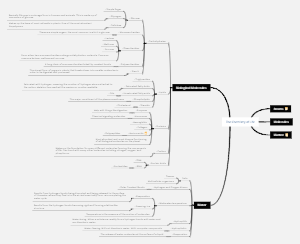
The book adopts the classical method of Greek philosophy "Dialogue" and launches a simple but profound discussion around the issue of "how people can obtain happiness". The "philosopher" explains to the "youth" in a simple and easy-to-understand way how to improve interpersonal relationships, how to obtain happiness, and how to muster up the courage to face others when being disliked.
Edited at 2023-01-11 10:04:30This mind map analyzes favorites and dark horses for the 2026 FIFA World Cup, hosted by the USA, Canada, and Mexico. With the expansion to 48 teams, the competitive landscape has shifted. The objective is to identify top contenders and surprise packages. Key performance indicators include prediction accuracy and user engagement. Favorites: A Clear Top Four Spain emerges as the consensus front-runner at +400 odds. They are reigning European champions, powered by Lamine Yamal and Ballon d‘Or winner Rodri. France follows at +600, possessing the deepest talent pool led by Kylian Mbappé. They have reached the previous two finals. England ranks third at +550, qualifying with a perfect record: eight wins, zero goals conceded. New manager Thomas Tuchel has instilled defensive solidity. Argentina, the defending champions, sits fourth at +800. Lionel Messi, now 39, leads what is likely his final World Cup. Dark Horses: Potential Surprises Ecuador is a compelling dark horse on a 17-match unbeaten streak, keeping 13 clean sheets. Their counter-attacking style, anchored by Moisés Caicedo, suits knockout football. Japan has defeated Germany, Spain, and Brazil since 2022. Their well-drilled pressing system could surpass their previous Round of 16 ceiling. Norway qualifies for their first World Cup since 1998. Erling Haaland makes them a threat against any opponent. Colombia, led by Luis Díaz, sits at the intersection of dark horse and fringe favorite. Host nations USA (+5000) and Mexico (+6500) have home-soil advantage but face long odds. Conclusion Spain enters as the team to beat, but France, England, and Argentina remain contenders. Among dark horses, Ecuador‘s defensive solidity, Japan’s tactical discipline, and Norway‘s offensive firepower make them most likely to exceed expectations. This mind map is created with EdrawMax and EdrawMind, serving as an essential guide for analysts and fans.
Discover the transformative power of AI in our community with this engaging introduction! In this discussion, we will explore three main topics the definition and fundamentals of AI, its applications across various industries, and the ethical considerations surrounding its use. Firstly, we will delve into what AI(This content is AI-generated. It is for reference only)
장가계 5일 4박 심층 여행 가이드 템플릿 — EdrawMind로 제작된 한국인 맞춤형 여행 계획 마인드맵으로, 중국 장가계 여행을 체계적으로 준비하고 실행할 수 있도록 돕는 전문 시각화 도구입니다. 이 템플릿은 여행의 전 과정을 아우르는 5대 핵심 모듈(출발 전 준비사항·추천 체험·실용 팁·유의사항·일차별 세부 일정)으로 구성되어 있으며, 각 단계별로 필수 정보를 한눈에 파악할 수 있도록 설계되었습니다. 출발 전 준비사항에서는 한국 여권 소지자의 비자 규정(15일 체류 무비자), 최적 여행 시기(4~10월, 특히 4월과 10월 추천), 현지 교통 안내(장가계 화이국제공항에서 직통 버스 3시간 소요), 필수 준비물(등산화·우산·보조배터리·위장막 등)까지 실용적인 정보를 제공합니다. 추천 체험에서는 부모님과 함께하는 효도 여행·한국 드라마 촬영지 탐방·고봉에서의 평지 방문·우황채에서의 짚라인 체험 등 장가계만의 특별한 활동을 제안하며, 전통문화 체험으로 무투자 문화촌의 공연과 송품 체험을 소개합니다. 실용 팁에서는 주요 관광지 내 한국어 안내 서비스 운영, 현지 음식점의 한국어 메뉴 지원, 무료 셔틀버스 이용 안내, 예산 계획(1인당 2000~3000위안)까지 한국인 여행객의 편의를 고려한 정보를 담고 있습니다. 유의사항에서는 환율 기준(2026년 4월 기준 1위안≈216.56원), 환전 팁, 명함 관광 피하기 등 안전하고 즐거운 여행을 위한 주의사항을 정리했습니다. 일차별 세부 일정은 1일차 도착과 시내 관광부터 5일차 문화 체험과 귀국까지 단계별로 구성되어 있습니다. 1일차는 공항 도착 후 호텔 체크인과 시내 맛집 탐방, 2일차는 장가계 국가삼림공원 산악 코스, 3일차는 산하·채곡 코스, 4일차는 텐먼산 국가삼림공원 관광, 5일차는 무투성 방문과 기념품 구매로 이어지며, 각 일차별로 이동 수단·숙박·식사·관광지의 세부 정보(요금·이동 시간·추천 활동)를 구체적으로 제시하여 여행의 혼란을 줄여줍니다. EdrawMind의 강력한 마인드맵 기능을 활용해 사용자는 자신의 여행 스타일에 맞춰 일정・예산・테마를 자유롭게 수정할 수 있으며, 한국어로 작성된 템플릿이라 편리하게 사용할 수 있습니다. 여행 계획 발표・동반자와의 일정 공유・개인 여행 기록 등 다양한场景에서 활용 가능하며, 전문적이고 체계적인 여행 계획을 쉽게 완성할 수 있도록 지원합니다.
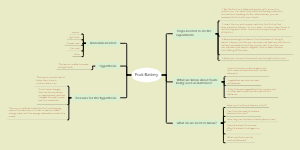
This mind map analyzes favorites and dark horses for the 2026 FIFA World Cup, hosted by the USA, Canada, and Mexico. With the expansion to 48 teams, the competitive landscape has shifted. The objective is to identify top contenders and surprise packages. Key performance indicators include prediction accuracy and user engagement. Favorites: A Clear Top Four Spain emerges as the consensus front-runner at +400 odds. They are reigning European champions, powered by Lamine Yamal and Ballon d‘Or winner Rodri. France follows at +600, possessing the deepest talent pool led by Kylian Mbappé. They have reached the previous two finals. England ranks third at +550, qualifying with a perfect record: eight wins, zero goals conceded. New manager Thomas Tuchel has instilled defensive solidity. Argentina, the defending champions, sits fourth at +800. Lionel Messi, now 39, leads what is likely his final World Cup. Dark Horses: Potential Surprises Ecuador is a compelling dark horse on a 17-match unbeaten streak, keeping 13 clean sheets. Their counter-attacking style, anchored by Moisés Caicedo, suits knockout football. Japan has defeated Germany, Spain, and Brazil since 2022. Their well-drilled pressing system could surpass their previous Round of 16 ceiling. Norway qualifies for their first World Cup since 1998. Erling Haaland makes them a threat against any opponent. Colombia, led by Luis Díaz, sits at the intersection of dark horse and fringe favorite. Host nations USA (+5000) and Mexico (+6500) have home-soil advantage but face long odds. Conclusion Spain enters as the team to beat, but France, England, and Argentina remain contenders. Among dark horses, Ecuador‘s defensive solidity, Japan’s tactical discipline, and Norway‘s offensive firepower make them most likely to exceed expectations. This mind map is created with EdrawMax and EdrawMind, serving as an essential guide for analysts and fans.
Discover the transformative power of AI in our community with this engaging introduction! In this discussion, we will explore three main topics the definition and fundamentals of AI, its applications across various industries, and the ethical considerations surrounding its use. Firstly, we will delve into what AI(This content is AI-generated. It is for reference only)
장가계 5일 4박 심층 여행 가이드 템플릿 — EdrawMind로 제작된 한국인 맞춤형 여행 계획 마인드맵으로, 중국 장가계 여행을 체계적으로 준비하고 실행할 수 있도록 돕는 전문 시각화 도구입니다. 이 템플릿은 여행의 전 과정을 아우르는 5대 핵심 모듈(출발 전 준비사항·추천 체험·실용 팁·유의사항·일차별 세부 일정)으로 구성되어 있으며, 각 단계별로 필수 정보를 한눈에 파악할 수 있도록 설계되었습니다. 출발 전 준비사항에서는 한국 여권 소지자의 비자 규정(15일 체류 무비자), 최적 여행 시기(4~10월, 특히 4월과 10월 추천), 현지 교통 안내(장가계 화이국제공항에서 직통 버스 3시간 소요), 필수 준비물(등산화·우산·보조배터리·위장막 등)까지 실용적인 정보를 제공합니다. 추천 체험에서는 부모님과 함께하는 효도 여행·한국 드라마 촬영지 탐방·고봉에서의 평지 방문·우황채에서의 짚라인 체험 등 장가계만의 특별한 활동을 제안하며, 전통문화 체험으로 무투자 문화촌의 공연과 송품 체험을 소개합니다. 실용 팁에서는 주요 관광지 내 한국어 안내 서비스 운영, 현지 음식점의 한국어 메뉴 지원, 무료 셔틀버스 이용 안내, 예산 계획(1인당 2000~3000위안)까지 한국인 여행객의 편의를 고려한 정보를 담고 있습니다. 유의사항에서는 환율 기준(2026년 4월 기준 1위안≈216.56원), 환전 팁, 명함 관광 피하기 등 안전하고 즐거운 여행을 위한 주의사항을 정리했습니다. 일차별 세부 일정은 1일차 도착과 시내 관광부터 5일차 문화 체험과 귀국까지 단계별로 구성되어 있습니다. 1일차는 공항 도착 후 호텔 체크인과 시내 맛집 탐방, 2일차는 장가계 국가삼림공원 산악 코스, 3일차는 산하·채곡 코스, 4일차는 텐먼산 국가삼림공원 관광, 5일차는 무투성 방문과 기념품 구매로 이어지며, 각 일차별로 이동 수단·숙박·식사·관광지의 세부 정보(요금·이동 시간·추천 활동)를 구체적으로 제시하여 여행의 혼란을 줄여줍니다. EdrawMind의 강력한 마인드맵 기능을 활용해 사용자는 자신의 여행 스타일에 맞춰 일정・예산・테마를 자유롭게 수정할 수 있으며, 한국어로 작성된 템플릿이라 편리하게 사용할 수 있습니다. 여행 계획 발표・동반자와의 일정 공유・개인 여행 기록 등 다양한场景에서 활용 가능하며, 전문적이고 체계적인 여행 계획을 쉽게 완성할 수 있도록 지원합니다.
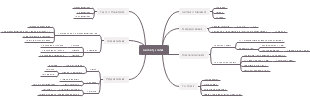
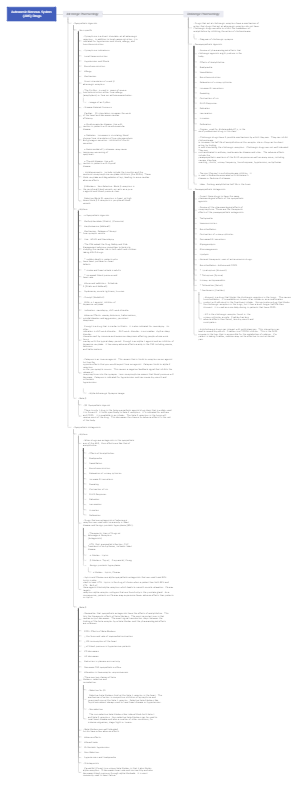
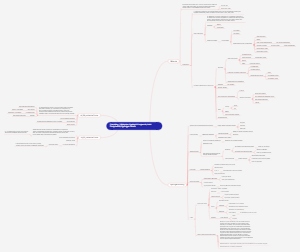
"The Courage to Be Disliked" (Adlerian Psychology) (superior)
introduction
Claim: The world is extremely simple, and so is life.
People do not live in the objective world, but in the subjective world they create. The world itself is not complicated, it is entirely how you see the world that is complicated.
Claim: People can change and everyone can achieve happiness.
1. Whose fault is our misfortune?
1. The “Third Giant” of Psychology
The three giants of psychology: Freud, Jung, and Adler. This book focuses on: Alfred Adler - Individual Psychology
Adlerian psychology is not a rigid science, but about understanding the truth and goals of human nature.
2. “Teleology”
If you blindly focus on past causes and try to explain things solely by causes, you will fall into "determinism." In other words, we will eventually come to the conclusion that our present and even the future are determined by the past and cannot be changed at all.
Adlerian psychology considers not the "causes" of the past, but the "purpose" of the present. That is, you are not staying indoors because you are uneasy, but you are creating uneasiness because you don’t want to go outside.
If we continue to rely on the theory of causes, we will never get anywhere.
3. Psychological trauma does not exist
No experience itself determines anything. The meaning we attach to past experiences directly determines our lives. We do not suffer because of the stimulation of our own experiences—the so-called psychological trauma. In fact, we discover factors in our experiences that suit our own purposes.
4. Anger is all fabricated
The so-called anger is actually just a "means" that can be released or recovered.
5. Freud was wrong
If the past determines everything and the past cannot be changed, then we living today will be helpless in life. You may fall into nihilism or pessimism, despairing of the world and being disgusted with life. Freudian cause theory, represented by the theory of trauma, is determinism in disguise and is the entrance to nihilism.
6.Answer
Both Socrates and Adler wanted to inspire people through dialogue. The answer should not be obtained from others, but should be found out for oneself. The first step to change is understanding.
7. Do you want to be someone else?
Accept yourself as you are. However, if you can't feel happy, you can't "always be like this" and you can't stop moving forward.
Adler: What matters is not what is given, but how to use what is given.
8. All your misfortunes are "chosen" by oneself
Socratic Paradox "No one wants to do evil" - No one wants to do "evil" (nothing good).
You have chosen "misfortune" at a certain stage of your life, not because you were born in an unfortunate environment, nor because you fell into an unfortunate situation, but because you think "misfortune" is harmful to yourself. Speech is a kind of "goodness" (something beneficial).
9. People often make up their minds Determined to "not change"
Adlerian psychology uses the term "lifestyle" to describe personality or disposition. "Lifestyle" refers to how someone sees the "world" and how someone sees "oneself", a concept that brings together these "meaning-giving ways". The word even encompasses someone's worldview or outlook on life.
Lifestyle is not given innately, but you "unconsciously" choose your own way of life when you are about 10 years old.
Choosing a new lifestyle is often accompanied by uneasiness and fear of the unknown. Even if people are dissatisfied with the present, they still think it is easier and more secure to maintain the status quo. People often choose "not to change" because they lack the "courage" to "change".
10. Your life depends on the "now"
To change your lifestyle, you need to change the way you communicate with the world, and even change your own behavior. (reselect)
No matter what happened in your previous life, it has no impact on how you live your life in the future. What determines your life is you who live in "this moment".
2. All troubles come from interpersonal relationships
1.Why do you hate yourself?
Because you are too afraid of being disliked by others and afraid of being hurt in relationships. Just become a person who only looks at your own shortcomings, hates yourself extremely, and tries not to get involved in interpersonal relationships. (Purpose)
However, it is impossible not to get hurt in interpersonal relationships. As long as you get involved in interpersonal relationships, you will be hurt in large or small ways, and you will also hurt others.
Accept "your current self", no matter what the outcome is, first build up the courage to move forward. Adlerian psychology calls this "encouragement."
2. All troubles are troubles in interpersonal relationships
This is a basic concept in Adlerian psychology
3. Feeling of inferiority comes from subjective fabrication
Inferiority is not an "objective fact" but a "subjective explanation". Subjective means you can choose with your own hands.
Inferiority complex is a word about self-worth judgment. Value must be based on social meaning, and value issues can ultimately be traced back to interpersonal relationships.
4. Inferiority complex is just an excuse
Human beings live in this world as a powerless existence. People want to get rid of this powerless state, and then they have universal desires. Adler called it "the pursuit of superiority."
Failure to achieve one's ideals will produce a sense of inferiority. Whether it is the pursuit of superiority or a sense of inferiority, it is not a pathology, but a stimulus that can promote healthy, normal efforts and growth.
But some people cannot recognize the fact that "situations can be changed through realistic efforts" and simply do not have the courage to move forward.
Inferiority complex refers to the state of using one's own inferiority complex as an excuse. Simply put, it’s a fear of moving forward or a lack of real effort, preferring to maintain the status quo.
Adler's "law of external causation" explains things that originally have no causal relationship as if they have major causal relationships.
5. The more conceited a person is, the inferior he or she is.
No one can endure the feeling of inferiority for a long time. If there is no courage to change through sound means such as hard work or growth, people will want to use a simpler method - the "superiority complex" - to compensate.
"Powerful assertion" - using the power of power to promote oneself, acting as if one is superior, and immersing oneself in a false sense of superiority. Adler pointed out: "If someone is arrogant, it must be because he has an inferiority complex." Such people ultimately live in the values and lives of others.
"Boasting about misfortune" - using misfortune to show that one is "special" and using misfortune as a weapon to dominate the other party. Adler pointed out: "In our culture, vulnerability is actually very powerful and privileged." As long as misfortune is used as a weapon to remain "special", that person will always need misfortune.
6. Life is not a competition with others
"The pursuit of superiority" is not about stepping on others to rise, but on the same plane, with some people walking in front and others walking behind. "The pursuit of superiority" means constantly moving forward, rather than being superior to others. A healthy sense of inferiority comes not from comparison with others, but from comparison with the "ideal self."
We are all different in terms of gender, age, experience, knowledge, and appearance. We should view the differences between ourselves and others positively. "Different but equal".
Differences are not about good or evil or superiority or inferiority. It does not matter whether you are ahead or behind. We keep moving forward not to compete with anyone, but the value lies in constantly surpassing ourselves.
When a person wants to be himself, competition is bound to become an obstacle.
7. The only one who cares about your appearance is you.
If there is "competition" in interpersonal relationships, it is impossible for people to get rid of the troubles caused by interpersonal relationships. Unconsciously, they will regard other people and even the entire world as "enemies" and think that the world is full of dangers.
From a competitive perspective, the happiness of others will be regarded as "my failure", and sincere blessings cannot be given.
Are people really looking for opportunities to attack you around the clock? In fact, this is a reaction to excessive self-awareness. People in the world don't actually pay attention to me.
If you can realize that "everyone is my partner", then the world will become a safe and comfortable place, and the troubles in interpersonal relationships will be greatly reduced.
8. In interpersonal relationships "Power Struggle" and Revenge
When the other party irritates you through words and deeds, he is provoking a "power struggle". His purpose is to prove his strength by winning and make you surrender, who is not happy with you. If you get angry at this time, it will play into their hands, and the relationship will sharply turn into a power struggle.
Assuming you suppress the argument, the defeated opponent will quickly move to the next stage-"revenge"-the other party will plan revenge in other places and in other forms, waiting for revenge. Once a relationship develops into the revenge stage, it is almost impossible to reconcile the parties involved.
To avoid this, you must not fall for the bait when challenged for power.
9. Admit mistakes, Doesn't mean you failed
Not being fooled does not mean that you have to "be patient", but that you do not have any reaction to the other person's behavior.
It's not that you can't be angry, but "there's no need to rely on anger as a tool." Irritable people do not have an impatient temper, but do not understand effective communication tools other than anger - they must believe in the power of words.
No matter how right you think you are, don't use it as a reason to blame the other person. This is a trap in relationships that many people easily fall into. Once people are convinced that "I am right" in interpersonal relationships, they have entered into a power struggle. If you think you're right, it shouldn't matter what the other person's opinion is.
Admitting mistakes, apologizing, and withdrawing from power struggles are not "failures." If you can only see the victory or defeat in front of you, you will go down the wrong path. Only by taking off the glasses of competition or victory or defeat can you change and improve yourself.
10. Three major topics in life: Friends, work and love
Adlerian psychology has put forward quite clear goals regarding human behavior and psychology:
Behavioral goals: 1. Be independent 2. Live in harmony with society
The psychological goals that support this behavior: 1. I am capable 2. Everyone is my partner
To achieve your goals, you must face "life issues" head on. Life issues are further divided into: 1. Work issues 2. Friendship issues 3. Love issues
Life issues are the interpersonal relationships that an individual has to face if he wants to survive as a social being. There is distance and depth in relationships.
11. Romantic red thread and strong chain
In a working relationship, you must cooperate even if you don't get along.
In friendships, the number of friends has no value. What we should consider is the distance and depth of the relationship.
The subject of love
Love/couple relationship (the red thread that can be cut), only when people can feel that "you can be unrestrained with this person" can you experience love. True love has neither a sense of inferiority nor need to show off superiority, and can maintain a calm and natural state. Bondage is a desire to dominate the other person, and it is also an idea based on distrust.
Parent-child relationship (strong chain), the most difficult relationship. No matter how difficult a relationship is, you cannot choose to escape, you must face it bravely.
12. “Life lies” teaches us how to escape
Adler called the situation of creating various excuses (shifting responsibility for one's current situation to others or the environment) to avoid life's issues as "life lies".
We choose our own way of life, and we are our first responsibility.
Even if you avoid life issues and rely on life lies, it is not because you are contaminated with "evil". This is not a problem that should be condemned from a moral perspective, it is just a problem of "courage".
13. Adlerian psychology is "The Psychology of Courage"
We humans are not fragile existences manipulated by the mental trauma mentioned in the theory of cause. From a teleological point of view, we use our own hands to choose our own life and lifestyle. We have this power. Adlerian psychology is "psychology of use"
3. Give hell to those who interfere with your life
1. Freedom means no longer seeking approval?
Adlerian psychology denies seeking approval from others (denies the desire for approval)
2. Do you want to live in the expectations of others?
There is a saying in Jewish teachings: "If you don't live your life for yourself, then who will live for yourself?"
If you hope too much to be recognized by others, you will live according to other people's expectations. That is to give up your true self and live in the lives of others.
We “don’t live to meet other people’s expectations.” Others don’t live to “meet your expectations.” Don't get angry when other people's behavior is not in line with your own ideas.
When wanting to gain recognition from others, almost everyone will resort to the method of "meeting others' expectations." This is actually influenced by the reward and punishment education of "if you do the right thing, you will be praised." However, if you do this, you will always care about other people's eyes and be afraid of other people's evaluation, and you will not be able to be your true self at all.
3. Put yourself and others Separate “life issues”
Separation of topics: Separate your own topics from other people’s topics and do not interfere with other people’s topics.
Basically, all interpersonal conflicts arise from interference in other people's issues or interference in one's own issues.
How to identify “whose problem”: Who will ultimately bear the consequences of a certain choice.
Parents in the world always say things like "I'm thinking of you." However, parents sometimes behave in ways that clearly serve their own purposes. That is, not “for you” but “for me.”
As far as learning is concerned, tell the child that this is his own subject. Parents should be ready to help when he wants to learn, but never interfere with his child's subject. Don't point fingers at your children when they don't ask you for help. (You can take the horse to the water, but you cannot force it to drink water)
If you ignore your wishes and force them to "change", the result will only be an even stronger reaction in the future. The only one who can change yourself is yourself.
4. Even parents have to put aside their children’s issues
Precisely because we are closely related family members, it is even more necessary to consciously separate topics.
The act of trust also requires subject separation. Trust others, that's your job. However, how to treat your trust is the subject of the other party. Think about it: Can you still trust and love the other person even if they don’t do what you want?
Interfering or even taking on other people's problems will make your own life heavy and painful. Put aside other people's issues and lighten the burden of life.
5. Put aside other people’s issues, Troubles fly away gently
All you can do about your life is "choose the path you think is best." How others evaluate your choice is their business. You have absolutely no control over it.
Being unreasonable is an issue that the boss should deal with. There is no need to please or compromise. What you should do is face your own life honestly and handle your own issues correctly.
6. Cut off the "Gerdios Rope Knot"
King Gerdeos tied a chariot to the pillars of the temple. Local legend said that "whoever unties this knot will become the king of Asia." Many skilled people fail to untie the knot. When Alexander the Great saw that the knot was very strong, he immediately took out his dagger and cut it in two. He said, "Destiny is not determined by legends but carved out by your own sword."
Such intricate knots, which are the "bonds" in interpersonal relationships, can no longer be untied by ordinary methods, and must be cut off with new methods.
Subject separation is not the end goal of human relationships, but the gateway. Building a good interpersonal relationship requires maintaining a moderate distance, reaching out and touching each other, but not stepping into the other party's territory.
The so-called betrayal of good intentions is bound by the "reward thought". No matter what the other party does, it is you who should decide how you should do it. We can neither seek rewards nor be bound by them.
Some thoughts on reading: After reading this, I deeply feel the significance of the separation of topics. What we are talking about here is not to teach people to be selfish and ruthless, but to completely cut off the cause and effect between one's own thoughts and behaviors and those of others. That is, all thoughts and behaviors originate from the individual will of the self and do not depend on it. The opinions and evaluations of others are not bound by social morals, customs, and concepts. The separation of subjects is telling people to truly return to themselves.
The result of repeated interference in children's issues is that children learn nothing and eventually lose the courage to face life's issues. "Children who don't learn to face difficulties head on will eventually want to avoid all difficulties," Adler said.
7. The pursuit of recognition kills freedom.
To a certain extent, I hope to be interfered with because it will be easier to live according to other people's expectations. If you follow the track, you will not get lost. If you decide your own path, you may get lost and face "how to survive." Such a problem.
Taking meeting other people's expectations as a roadmap in life is an extremely unfree lifestyle. If you don't want to be disliked by anyone, you will take on all the responsibilities that you can't bear. The pressure of continuous lying and credit crisis will make people breathless. . This is a lying way of life.
8.Freedom is being hated by others
Not wanting to be disliked by others is a natural desire of human beings, but if you live a life of trying to please everyone, you will lose your freedom and it is also impossible to achieve. One person can never be liked by everyone.
The price of freedom is to be hated by others. Freedom means not caring about other people's evaluations, not being afraid of being hated by others, and not pursuing being recognized by others.
9. The “trump card” of interpersonal relationships is in your own hands
According to Adler's teleology, the reason why we feel unfortunate is to achieve a certain "purpose" of ours. As long as we change the "purpose", things can be solved.
The purpose is to have what kind of relationship we want with others, and then make up our minds to do it, so that the "relationship card" is in our own hands.
According to the subject separation theory, I have changed, and only "I" has changed. As a result, what the other party will do is his subject and cannot be controlled. Of course, as I change—not through my change—the other person also changes. It is a very wrong idea to use changing yourself as a means of manipulating others.
When it comes to interpersonal relationships, people often think of relationships, but in fact, they are themselves first. If you are bound by the desire for recognition, the "relationship card" will always be in the hands of others.