MindMap Gallery What are the market segments
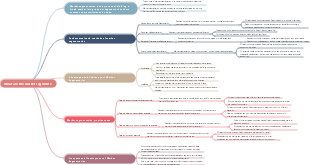
This is a mind map about the types of market segmentation. It tells related stories about the types of market segmentation. If you are interested in the story of the types of market segmentation, welcome to this mind map. Favorites and likes~
Edited at 2021-10-14 19:48:38Ce calendrier annuel, créé avec EdrawMax, présente une disposition claire et organisée des mois de janvier à décembre. Chaque mois est affiché dans un cadre distinct, montrant les jours de la semaine et les dates correspondantes. Les weekends (samedis et dimanches) sont mis en évidence pour une meilleure visibilité. Ce format est idéal pour la planification et l'organisation des activités tout au long de l'année, offrant une vue d'ensemble rapide et facile à consulter.

This quarterly calendar overview for 2026, created with EdrawMax, presents a structured and colorful layout of the entire year divided into four quarters. Each quarter is displayed in a separate column, showcasing the months within that quarter in a clear grid format. The days of the week are labeled, and each date is marked within its respective cell, allowing for easy identification of dates across the year. This calendar is an excellent tool for long-term planning, providing a comprehensive view of the year at a glance.
This weekly calendar for 2026 is designed using EdrawMax to provide a detailed and organized view of each week, starting from January. The left side features a mini monthly calendar for quick reference, highlighting the current week in yellow. Below it, there's a section for weekly goals to help prioritize tasks. The main area is a time-grid from 6:00 AM to 12:00 AM, divided into half-hour slots, allowing for precise scheduling of daily activities throughout the week. This layout is ideal for managing a busy schedule efficiently.
Ce calendrier annuel, créé avec EdrawMax, présente une disposition claire et organisée des mois de janvier à décembre. Chaque mois est affiché dans un cadre distinct, montrant les jours de la semaine et les dates correspondantes. Les weekends (samedis et dimanches) sont mis en évidence pour une meilleure visibilité. Ce format est idéal pour la planification et l'organisation des activités tout au long de l'année, offrant une vue d'ensemble rapide et facile à consulter.
This quarterly calendar overview for 2026, created with EdrawMax, presents a structured and colorful layout of the entire year divided into four quarters. Each quarter is displayed in a separate column, showcasing the months within that quarter in a clear grid format. The days of the week are labeled, and each date is marked within its respective cell, allowing for easy identification of dates across the year. This calendar is an excellent tool for long-term planning, providing a comprehensive view of the year at a glance.
This weekly calendar for 2026 is designed using EdrawMax to provide a detailed and organized view of each week, starting from January. The left side features a mini monthly calendar for quick reference, highlighting the current week in yellow. Below it, there's a section for weekly goals to help prioritize tasks. The main area is a time-grid from 6:00 AM to 12:00 AM, divided into half-hour slots, allowing for precise scheduling of daily activities throughout the week. This layout is ideal for managing a busy schedule efficiently.
What are the market segments?
Classification based on consumer characteristics
age
Consumers of different age groups have different purchasing behaviors and consumption needs, so the market can be divided into different market segments according to age.
For example, the market is divided into different age segments such as children, teenagers, adults and the elderly.
gender
Men and women have differences in consumption habits, preferences and needs, and the market can be segmented by gender.
Such as the cosmetics market for women, the sports goods market for men, etc.
Profession
Different occupational groups also have different demands for products and services, and market segments can be divided according to occupation.
Such as the medical insurance market for doctors, the education and training market for teachers, etc.
Income level
People's income levels have a direct impact on their purchasing power and consumption levels, and market segments can be divided by income levels.
Such as segmenting the market into high-income, middle-income and low-income groups.
Education level
People with different education levels have different demands for knowledge and cultural products, and the market can be segmented based on education level.
Such as higher education market, vocational training market, etc.
Classification based on behavioral characteristics
Purchase frequency
Consumer purchase frequency is of great significance to market segmentation, and the market can be segmented based on purchase frequency.
For example, based on purchase frequency, it can be divided into high-frequency buyers, medium-frequency buyers and low-frequency buyers.
Purpose of purchase
Consumers have different purposes for purchasing products and services, and market segments can be divided based on their purchasing purposes.
For example, according to the purpose of purchase, it is divided into markets that meet basic needs, markets that pursue fashion trends, etc.
User attitude
Consumers have different attitudes towards products and services, and market segments can be divided based on user attitudes.
For example, based on the positive attitude towards the product, it can be divided into loyal users, general users and potential users.
purchasing power
Different consumers have different purchasing abilities, and market segments can be divided based on purchasing abilities.
For example, the market is segmented into groups with high spending power and groups with low spending power.
Classification according to product characteristics
product type
The market can be segmented according to different product types to meet the needs of different consumers.
For example, the market is segmented into food market, clothing market, electronic product market, etc.
brand preference
Consumers have different preferences for different brands, and market segments can be divided based on brand preferences.
For example, the market is segmented into a market that prefers international brands, a market that prefers local brands, etc.
Functional Requirements
Consumers have different functional needs, and market segments can be divided according to different functional needs.
For example, the market is segmented into sports mobile phone market, business mobile phone market, etc.
scenes to be used
Consumers use products in different scenarios, and market segments can be divided according to usage scenarios.
For example, the market is segmented into outdoor sports market, home life market, etc.
price sensitivity
Consumers have different levels of sensitivity to product prices, and market segments can be divided based on price sensitivity.
Such as segmenting the market into high-value markets and low-value markets.
Divided according to regional characteristics
geographical location
The market can be segmented based on geographical location, and consumers in different regions have different purchasing habits and consumption needs.
For example, the market is divided into urban market, rural market, etc.
cultural difference
Cultural differences in different regions also have an important impact on market segmentation, and market segments can be divided based on cultural differences.
For example, the market is divided into Eastern cultural market and Western cultural market.
Climatic conditions
Climatic conditions have a certain impact on market segmentation, and market segments can be divided based on climatic conditions.
For example, the market is segmented into cold climate market, hot climate market, etc.