MindMap Gallery Overall project management
1. Project start 2. Develop a preliminary project scope statement 3. Develop a project management plan 4. Guide and manage project execution 5. Supervise and control projects 6. Overall change control 7. Project closing
Edited at 2020-09-09 09:39:05Ce calendrier annuel, créé avec EdrawMax, présente une disposition claire et organisée des mois de janvier à décembre. Chaque mois est affiché dans un cadre distinct, montrant les jours de la semaine et les dates correspondantes. Les weekends (samedis et dimanches) sont mis en évidence pour une meilleure visibilité. Ce format est idéal pour la planification et l'organisation des activités tout au long de l'année, offrant une vue d'ensemble rapide et facile à consulter.

This quarterly calendar overview for 2026, created with EdrawMax, presents a structured and colorful layout of the entire year divided into four quarters. Each quarter is displayed in a separate column, showcasing the months within that quarter in a clear grid format. The days of the week are labeled, and each date is marked within its respective cell, allowing for easy identification of dates across the year. This calendar is an excellent tool for long-term planning, providing a comprehensive view of the year at a glance.
This weekly calendar for 2026 is designed using EdrawMax to provide a detailed and organized view of each week, starting from January. The left side features a mini monthly calendar for quick reference, highlighting the current week in yellow. Below it, there's a section for weekly goals to help prioritize tasks. The main area is a time-grid from 6:00 AM to 12:00 AM, divided into half-hour slots, allowing for precise scheduling of daily activities throughout the week. This layout is ideal for managing a busy schedule efficiently.
Ce calendrier annuel, créé avec EdrawMax, présente une disposition claire et organisée des mois de janvier à décembre. Chaque mois est affiché dans un cadre distinct, montrant les jours de la semaine et les dates correspondantes. Les weekends (samedis et dimanches) sont mis en évidence pour une meilleure visibilité. Ce format est idéal pour la planification et l'organisation des activités tout au long de l'année, offrant une vue d'ensemble rapide et facile à consulter.
This quarterly calendar overview for 2026, created with EdrawMax, presents a structured and colorful layout of the entire year divided into four quarters. Each quarter is displayed in a separate column, showcasing the months within that quarter in a clear grid format. The days of the week are labeled, and each date is marked within its respective cell, allowing for easy identification of dates across the year. This calendar is an excellent tool for long-term planning, providing a comprehensive view of the year at a glance.
This weekly calendar for 2026 is designed using EdrawMax to provide a detailed and organized view of each week, starting from January. The left side features a mini monthly calendar for quick reference, highlighting the current week in yellow. Below it, there's a section for weekly goals to help prioritize tasks. The main area is a time-grid from 6:00 AM to 12:00 AM, divided into half-hour slots, allowing for precise scheduling of daily activities throughout the week. This layout is ideal for managing a busy schedule efficiently.
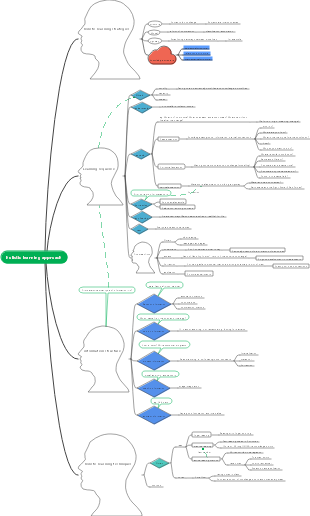
Overall project management
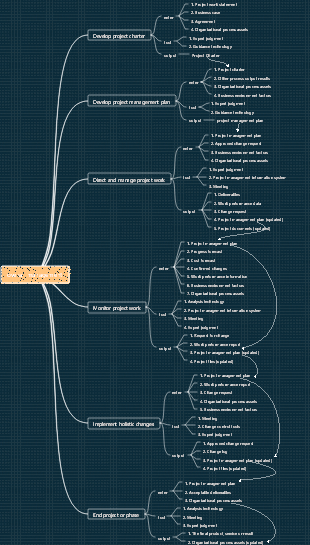
1. Project start
Develop a project management charter to formally authorize the start of a project or project phase.
The role and content of the project charter
A project charter is a document that formally approves a project, or approves whether an existing project will move to the next phase.
The initiator should be a project initiator outside the project organization, or it can be issued by an investor. Issuers should be at a level within their organization to approve the project and have the appropriate authority to provide the required funding for the project.
Determine the project manager's authority and determine the project manager as early as possible.
content:
1. Requirements based on the needs and expectations of project stakeholders
2. Business requirements or product requirements that the project must meet
3. The purpose of the project or the reason for project establishment
4. The assigned project manager and the level of the project manager
5. Outline milestone progress plan
6. Influence of project stakeholders
7. Functional organization and its participation
8. Organizational, environmental and external constraints
9. Demonstrate the business plan of the project, including rate of return
10. Summary budget
The main focus is on the commercial needs of the builder, the reasons and background for the project, the existing understanding of customer needs and new products, services or results that meet these needs.
Start by (input):
contract
Project work statement
A description of the products, results, or services to be provided by the project.
1. Business needs
2. Product scope description
3. Strategic plan
environmental and organizational factors
Environmental, organizational factors and systems that influence project success.
organizational process assets
Methods, techniques and tools for project launch:
project management methods
Project Management Information System (PMIS)
A systematic set of automation tools available within an organization.
expert judgment
Project Initiation Process Outcomes (Outputs):
Project Charter
2. Develop a preliminary project scope statement
It clarifies many things that need to be done to complete the project. This process should clarify the characteristics and boundaries of the project and its products and services, as well as the methods of scope control and acceptance.
content:
1. Project and scope goals
2. Requirements and characteristics of products or services
3. Project requirements and deliverables
4. Product acceptance criteria
5. Project boundaries
6. Project constraints
7. Project assumptions
8. Initial project organization
9. Initial definition of risk
10. Progress milestones
11. Preliminary breakdown of project work
12. Preliminary magnitude cost estimate
13. Project configuration management requirements
14. Approval requirements
enter:
Project Charter
statement of work
In the process of formulating the project scope statement (preliminary), the statement of work SOW is an important basis and reference.
environmental and organizational factors
organizational process assets
Techniques and Tools:
project management methodology
project management information system
expert judgment
Output:
project scope statement
3. Develop project management plan
Define, prepare, integrate and coordinate all sub-plans to form the project management plan. Updates and revisions can be made through the overall change control process. Also called overall management plan, overall plan or project plan
content:
1. Project background
2. Project manager, supervisor, client contact person, project management team, project implementation team members
3. Overall technical solution for the project.
4. Description of the tools and techniques used to complete these processes
5. The life cycle and related stages of the selected project
6. Final goals and phased goals of the project
7. Progress plan
8. Project budget
9. Change Process and Change Control Board
10. Communication management plan
11. Conduct critical management reviews of content, scope and timing to identify overhang issues and outstanding decisions
In addition to the schedule and project budget mentioned above, the project management plan can be summary or detailed and can contain one or more sub-plans
scope management plan
quality management plan
process improvement plan
Human Resource Management Plan
communication management plan
risk management plan
Procurement Management Plan
The above plans can be included in the project management plan if necessary and to meet the specific project details.
Basic principles for project planning:
1. Unified management of goals
The three goals of project schedule, cost and quality are interrelated and restrict each other. When preparing a project management plan, it is necessary to unify the relationship between the three.
2. Unified management of plans
3. Unified management of the process
Each management process is closely related to each stage of the project life cycle. Each management process occurs at least once in each stage and will cycle multiple times if necessary.
Unified management of the project phase must first be achieved by formulating a unified project plan. The project is then implemented by actively executing the project plan, and any changes are managed uniformly during the project implementation until the project is completed.
4. Unified coordination of technical work and management work
5. Unified management of plans
6. Unified management of personnel resources
7. Participation of various stakeholders
8. Be precise step by step
Project planning workflow:
1. Clear goals
2. Establish a preliminary project team
3. Work preparation and information collection
4. Prepare a preliminary outline project plan based on standards and templates
5. Prepare scope management, quality management, schedule, budget and other sub-plans
6. Incorporate the above sub-plans into the project plan, and then comprehensively balance and optimize the project plan.
7. The project manager is responsible for organizing and writing the project plan.
Should include the main body of the plan and other sub-plans in the form of annexes
8. Review and approve project plans
9. The approved project plan becomes the baseline plan of the project.
The main methods of developing a project management plan:
1. Project management methodology
Help the project management team to formulate targeted project management plans and change control strategies based on customer requirements and specific project conditions, such as schedule priority, quality priority, and cost priority.
2. Project management information system
3. Expert judgment
enter:
1. Project management charter
2. Project scope statement
3. Output from a planning process
4. Prediction
5. Environmental and organizational factors
6. Organizational process assets
7. Work performance information
content:
1. Planned progress and actual progress
2. Which deliverables have been completed and which have not yet been completed?
3. Which activities in the schedule have started and which activities have ended?
4. To what extent does it comply with quality standards?
5. Budget implementation
6. Activity completion estimate
7. Actual completion percentage of the activity
8. Experience and lessons that have been recorded and sent to the experience knowledge base
Output:
1. Project management plan
After being unified by relevant project stakeholders, it becomes the baseline of the project, providing a basis for project execution, monitoring and changes.
2. Configuration Management (CM)
By identifying product configuration items at different points in the product life cycle and systematically controlling changes to these identified product configuration items, the requirements for maintaining product integrity, consistency and traceability can be achieved.
It is a subsystem of the overall project management information system.
Configuration management systems in most domains include change control systems.
include:
1. Submit proposed changes
2. Review of proposed changes and approved changes
3. Define the approval level for authorized changes.
4. Confirmation method for approved changes
A collection of formal specifications for technical guidance and management oversight
1. Identify and record the functional and physical characteristics of the product or its components.
2. Control changes to these features
3. Record and report each change and the status of its implementation.
4. Support the audit of products or components to verify their compliance with requirements.
3. Change control system
A collection of formal specifications that define how project deliverables and documents are controlled, changed, and approved.
4. Guide and manage project execution.
Execute the work defined in the project management plan to achieve project objectives.
Authorize corresponding implementation personnel so that they assume responsibilities and have corresponding rights.
Based on the project plan and implementation, the project manager actively follows up on the implementation of the project and inspects, guides and supervises the project. include:
1. Execute project activities according to planned methods and standards to complete project requirements.
2. Complete project deliverables
3. Equip, train and manage team members assigned to projects
4. Establish and manage internal and external communication channels for the project team
5. Generate actual project data to facilitate forecasting, such as real data such as cost, schedule, technical quality and status.
6. Implement approved changes into the project scope, plan and environment.
7. Manage risks and implement risk response activities.
8. Manage subcontractors and suppliers.
9. Collect and record lessons learned, and execute approved process improvement activities.
method:
1. Project management methodology
2. Project management information system
enter:
1. Project management plan
2. Approved corrective actions
3. Approved preventive measures
4. Approved change application
5. Approved defect fixes
6. Confirm defect repair
Output:
1. Deliverable results
2. Requested changes
3. Implemented changes
4. Corrective measures implemented
5. Preventive measures implemented
6. Implemented defect fixes
7. Work performance data
1. Filling of deliverables
2. Actual progress
3. Costs incurred
4. Actual quality, actual productivity, etc.
5. Supervise and control projects.
Oversee and control project initiation, planning, execution and closing works to achieve project objectives as defined in the project management plan.
focus on:
1. Use the project management plan as a benchmark to compare actual project performance.
2. Evaluate performance to determine whether corrective or preventive actions are needed and recommend these actions if necessary.
3. For individual corrective or preventive actions such as progress improvement measures in progress control, the impact on other aspects, such as cost, quality, etc., should be evaluated before implementation.
4. Analyze, track and monitor risks to ensure that risks are identified, their status is reported, and appropriate risk response plans are implemented.
5. Maintain an accurate and timely information base of project finished products and their related documents until project completion.
6. Provide information to support status reporting and performance reporting.
7. Provide forecasts to update current costs and current schedule information.
8. Monitor the implementation of approved changes as they occur.
method:
1. Project management methodology
2. Project management information system
3. Earned value management
See related content on cost control
4. Expert judgment
enter:
1. Project management plan
2. Work performance
3. Performance report
Completed activities, results, milestones, incidents and issues discovered.
Output:
1. Requested changes
1. Suggested corrective measures
2. Recommended preventive measures
3. Suggested defect fixes
2. Project report
Includes status reports, progress reports, cost reports, performance reports, configuration status reports, and forecasts.
6. Overall change control.
Review all change requests, approve changes, and control deliverables and organizational process assets.
Target:
1. Establish a method to consistently identify and propose changes to the baseline, and evaluate the value and effectiveness of these changes.
2. Provide opportunities to improve the project by considering the impact of each change.
3. Provide the project management team with a method to communicate all approved and rejected changes to project stakeholders in a consistent manner.
4. Some configuration management activities in the overall change control process
Identification of configuration items
configuration status
Configuration verification and auditing
method:
1. Project management methodology
The relationship between local changes and overall changes
change control process
1. Accept change applications
2. Analysis of the overall impact of the change
3. Accept or reject changes
4. Implement changes
5. Change results tracking and review
2. Project management information system
3. Expert judgment
enter:
1. Project management plan
2. Changes applied for
3. Work performance
4. Deliverables
Output:
1. The change application is approved or rejected
2. Project management plan
3. Approved corrective actions
4. Approved preventive measures
5. Approved defect fixes
6. Deliverables
7. Project closing
Completion of all activities during the project process to formally end a project or project phase.
management closing
1. Confirm the actions and activities of the project or phase that meet the needs of relevant stakeholders.
2. Actions and activities that confirm that completion standards for a project phase or the entire project have been met, or that confirm rollout standards for a project phase or the entire project.
3. When necessary, actions and activities that move project products or services to the next phase, or to production and/or operations.
4. Activities need to collect project or project phase records, check project success or failure, collect lessons learned, and archive future project management
Contract closing
method:
1. Project management methodology
2. Project management information system
3. Expert judgment
enter:
1. Project management plan
2. Contract documents
3. Organizational process assets
Output:
1. Handover of final products, services or results
2. Management closing methods and contract closing methods
3. Updated organizational process assets
1. Formal acceptance document
2. Project documents
3. Project closing documents
4. Historical information