MindMap Gallery Internal Medicine Nursing Urology
Urinary system internal medicine nursing, glomerular disease is a disease with hematuria, urinary protein, edema, hypertension and varying degrees of renal function damage as the main clinical manifestations. now.
Edited at 2024-03-17 23:17:17This Valentine's Day brand marketing handbook provides businesses with five practical models, covering everything from creating offline experiences to driving online engagement. Whether you're a shopping mall, restaurant, or online brand, you'll find a suitable strategy: each model includes clear objectives and industry-specific guidelines, helping brands transform traffic into real sales and lasting emotional connections during this romantic season.

This Valentine's Day map illustrates love through 30 romantic possibilities, from the vintage charm of "handwritten love letters" to the urban landscape of "rooftop sunsets," from the tactile experience of a "pottery workshop" to the leisurely moments of "wine tasting at a vineyard"—offering a unique sense of occasion for every couple. Whether it's cozy, experiential, or luxurious, love always finds the most fitting expression. May you all find the perfect atmosphere for your love story.
The ice hockey schedule for the Milano Cortina 2026 Winter Olympics, featuring preliminary rounds, quarterfinals, and medal matches for both men's and women's tournaments from February 5–22. All game times are listed in Eastern Standard Time (EST).
This Valentine's Day brand marketing handbook provides businesses with five practical models, covering everything from creating offline experiences to driving online engagement. Whether you're a shopping mall, restaurant, or online brand, you'll find a suitable strategy: each model includes clear objectives and industry-specific guidelines, helping brands transform traffic into real sales and lasting emotional connections during this romantic season.
This Valentine's Day map illustrates love through 30 romantic possibilities, from the vintage charm of "handwritten love letters" to the urban landscape of "rooftop sunsets," from the tactile experience of a "pottery workshop" to the leisurely moments of "wine tasting at a vineyard"—offering a unique sense of occasion for every couple. Whether it's cozy, experiential, or luxurious, love always finds the most fitting expression. May you all find the perfect atmosphere for your love story.
The ice hockey schedule for the Milano Cortina 2026 Winter Olympics, featuring preliminary rounds, quarterfinals, and medal matches for both men's and women's tournaments from February 5–22. All game times are listed in Eastern Standard Time (EST).
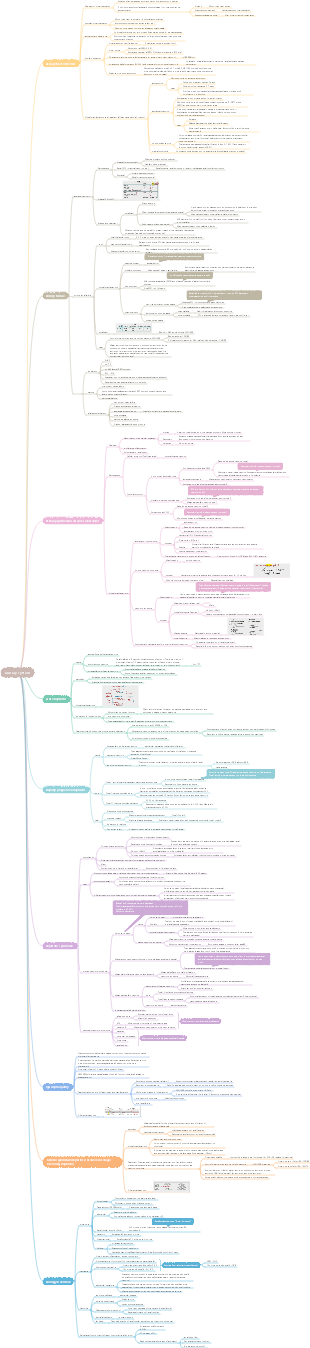
Internal Medicine Nursing Urinary System 1
definition
Glomerular disease is a disease with hematuria, urinary protein, edema, hypertension and varying degrees of renal function damage as its main clinical manifestations.
Classification of primary glomerular diseases Clinical classification
acute glomerulonephritis
Rapidly progressive glomerulonephritis
chronic glomerulonephritis
latent glomerulonephritis
nephrotic syndrome
1. Chronic glomerulonephritis
definition
Chronic glomerulonephritis is characterized by proteinuria, hematuria, hypertension and edema as the main manifestations
More common in young and middle-aged men
Etiology and pathogenesis
The initiating factor is mostly immune-mediated inflammation
Clinical manifestations (typical manifestations)
proteinuria
Appears early, is mild, and must have symptoms
Hematuria under microscope
Hematuria, sometimes gross hematuria
hypertension
Sustained moderate increase in blood pressure (obvious diastolic blood pressure), thinning and tortuosity of the retinal arteries and arteriovenous cross-compression, and a small number of flocculent exudates or hemorrhages.
Edema
Eye and face edema and/or pitting edema of lower limbs
Auxiliary inspection
1. Urine test
Urinary protein ++~+++, quantitative urine protein 1~3g/d; polymorphic red blood cells in urine ++~++, and granular casts, etc.
2. blood routine
In the early stage, there is usually normal or mild anemia, and in the late stage, red blood cells and hemoglobin decrease significantly.
3. Kidney function test
After GFR decreases, blood urea nitrogen (BUN) and blood creatinine (Cr) increase. Some patients have elevated blood lipids and reduced plasma albumin
4. B-ultrasound examination
In the late stage, the kidneys shrink and the cortex becomes thinner
medical treatement
treatment goals
Blood pressure is controlled below 130/80mmhg, and urine protein is reduced to 1g/d
antihypertensive drugs
capacity dependence
Thiazide diuretics, such as hydrochlorothiazide
creatinine clearance
Creatinine clearance <30mL/min: a good diuretic, not suitable for excessive or long-term use
renin-dependent hypertension
Angiotensin-converting enzyme inhibitors (ACEI) or angiotensin-1 receptor antagonists are preferred. ACEI can reduce blood pressure, reduce urinary protein and delay the renal protection of renal function deterioration
Antiplatelet depolymerization drugs
Suppress immune and inflammatory responses
Etiology and pathogenesis
Clinical manifestations (typical manifestations)
Auxiliary inspection
medical treatement
2. Nephrotic syndrome
definition
Nephrotic syndrome is a group of clinical syndromes caused by various kidney diseases, which commonly manifest as
1. massive proteinuria
2. hypoalbuminemia
3. Edema
4. Hyperlipidemia
Cause and pathogenesis
Nephropathy syndrome is divided into primary and secondary
Primary nephrotic syndrome refers to glomerular disease originating in the kidney itself, which is renal damage caused by immune-mediated inflammation.
Secondary nephrotic syndrome refers to renal damage secondary to systemic or other systemic diseases
Typical performance
massive proteinuria
hypoalbuminemia
Edema
Hyperlipidemia
concurrent
The most common sites of infection are the respiratory tract, urinary tract, and skin.
Thrombus, embolism Renal vein thrombosis is the most common
acute kidney injury
Others Long-term hypoalbuminemia leads to malnutrition, growth retardation in children, etc.
Auxiliary inspection
1. Urine test
On days of egg urination+++~+++++urinary protein quantification>3.5g/d there are red blood cells, casts, etc. in the urine
2. blood test
Plasma albumin <30g/L. Blood cholesterol, triglycerides, low and very low-density lipoproteins increase. Blood urea nitrogen and blood creatinine increase in renal failure.
3. Renal biopsy
4. B-ultrasound examination
Treatment principles and main measures
Nursing measures
Rest and Activities: Nephrotic syndrome patients with severe systemic edema and pleural and peritoneal effusion should undergo outdoor activities when their urine protein drops below 2g/d during absolute bed rest.
Diet care
chronic nephritis
When the urine output reaches the normal standard, drink water normally and choose high-quality protein 0.6~0.8g/(kg/d). If the kidney function is severely damaged, accompanied by high blood pressure and uremia tendency, limit salt to 3~4g/d and protein to 0.3 ~0.4g/d
nephrotic syndrome
Normal amount of high-quality protein. When renal insufficiency occurs, protein intake should be adjusted according to creatinine clearance to provide sufficient calories. When edema occurs, a low-salt (<3g/d) diet should be avoided. Do not eat pickled foods.
Medication care
Potassium-sparing diuretics are contraindicated in renal failure
1. Diuresis and swelling combined with thiazides and potassium-sparing diuretics
2. Reduce urinary protein
3. Lipid-lowering therapy
4. Suppress immune and inflammatory responses
Glucocorticoids
Cytotoxic drugs
cyclosporine
5. Prevent and treat complications
definition
Cause and pathogenesis
Typical presenting complications
Auxiliary inspection
Treatment principles and main measures