MindMap Gallery Epidemiology Chapter 2 Distribution of Diseases
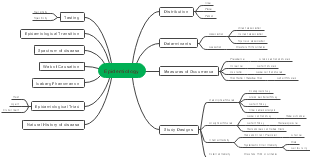
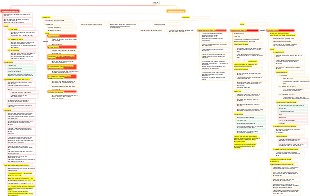
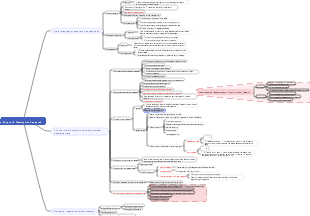
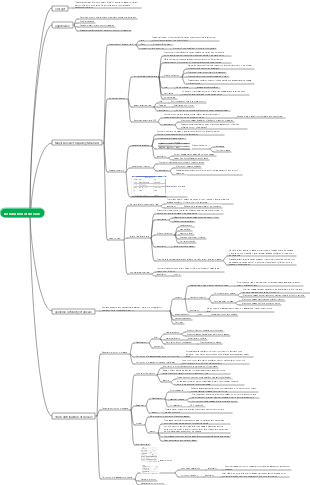
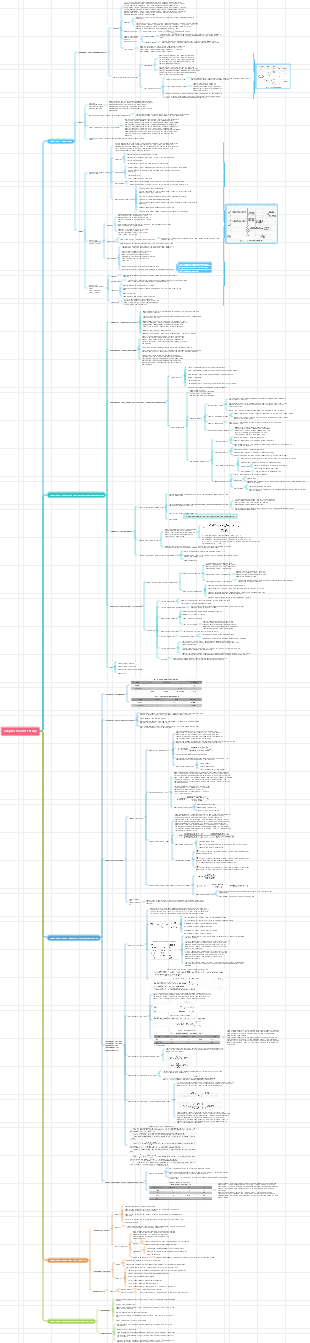
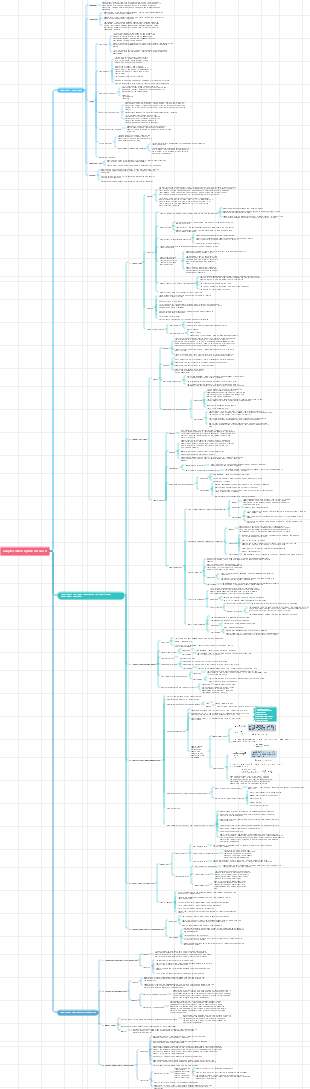
This is a mind map about the distribution of diseases in Chapter 2 of Epidemiology. The distribution of diseases refers to the way diseases and health-related events exist in regions, time and groups of people, as well as the rules of their occurrence and development.
Edited at 2023-12-18 21:51:28Avatar 3 centers on the Sully family, showcasing the internal rift caused by the sacrifice of their eldest son, and their alliance with other tribes on Pandora against the external conflict of the Ashbringers, who adhere to the philosophy of fire and are allied with humans. It explores the grand themes of family, faith, and survival.

This article discusses the Easter eggs and homages in Zootopia 2 that you may have discovered. The main content includes: character and archetype Easter eggs, cinematic universe crossover Easter eggs, animal ecology and behavior references, symbol and metaphor Easter eggs, social satire and brand allusions, and emotional storylines and sequel foreshadowing.
[Zootopia Character Relationship Chart] The idealistic rabbit police officer Judy and the cynical fox conman Nick form a charmingly contrasting duo, rising from street hustlers to become Zootopia police officers!
Avatar 3 centers on the Sully family, showcasing the internal rift caused by the sacrifice of their eldest son, and their alliance with other tribes on Pandora against the external conflict of the Ashbringers, who adhere to the philosophy of fire and are allied with humans. It explores the grand themes of family, faith, and survival.
This article discusses the Easter eggs and homages in Zootopia 2 that you may have discovered. The main content includes: character and archetype Easter eggs, cinematic universe crossover Easter eggs, animal ecology and behavior references, symbol and metaphor Easter eggs, social satire and brand allusions, and emotional storylines and sequel foreshadowing.
[Zootopia Character Relationship Chart] The idealistic rabbit police officer Judy and the cynical fox conman Nick form a charmingly contrasting duo, rising from street hustlers to become Zootopia police officers!
Section 1 Commonly used indicators in epidemiology
1. The concepts of rate and ratio
Rate
It represents the ratio of the actual number of instances of a certain phenomenon to the total number of possible instances of the phenomenon under certain conditions, to illustrate the frequency or intensity of a certain phenomenon occurring per unit time. Generally expressed as percentage, thousandth, ten thousand or 100,000.
K=100%,1000‰
Notice
The calculation of the rate must be based on a certain number of absolute numbers.
There is a time unit, which requires observation over a period of time and cannot be obtained from a single observation.
The numerator and denominator should represent the same group of people. If the numerator is qualified (such as age, etc.), the denominator should also be qualified
Commonly used frequency indicators include morbidity, mortality, etc.
Compare
Also called relative ratio, it represents the value obtained by dividing two numbers, indicating the relative level of the two. It is often expressed as a multiple or a percentage.
Notice
The numerator and denominator are separate from each other, do not overlap with each other, and do not tolerate each other.
It is an indicator that compares the size of two independent events, indicating that event A is a multiple or percentage of event B.
No time unit, comparison is made between specific groups of people and specific time points.
In actual use, the units of the two events can be the same or different (such as the ratio of the number of medical staff to the number of beds in a hospital)
Commonly used ratios include sex ratio, standardized death ratio, relative risk, odds ratio, etc.
composition ratio
Used to describe the proportion or distribution of each component within something, often expressed as a percentage
Notice
The units of the numerator and denominator are the same, and the numerator is included in the denominator.
No time unit, comparison is made at a specific time, and is the result of an observation
It is a static indicator, indicating the existence status of each part of something within a certain period of time.
The sum of the values of each part of the composition ratio is 1 or 100%
Commonly used composition ratios include prevalence rate, infection rate, positivity rate, etc.
Comparison of rates, ratios and composition ratios
Correct use of ratio, ratio and composition ratio
The denominator should have a sufficient number: otherwise the calculation results will be unstable and cannot correctly reflect the objective reality.
Choose the appropriate proportion base: you can choose percentage, thousandth, ten thousand or hundred thousand, etc. according to your needs.
Correctly calculate the average rate: If the number of observations in each group is not equal, you cannot directly add several rates and then take the average.
Rate and composition ratio are indicators of different natures, and they cannot be equated or confused.
The composition ratio cannot explain the frequency of a certain event. The composition ratios in different regions and under different conditions cannot be used as rates. Such composition ratios cannot be compared with each other.
2. Disease indicators
Incidence
Incidence rate refers to the frequency or intensity of new cases of a certain disease among a specific population within a certain period of time (year, quarter, month)
K=100%, 1000‰, 100000/100,000
application
Describe the distribution of diseases and reflect the degree of impact of diseases on population health
Explore the incidence factors of the disease and propose etiological hypotheses by exploring the incidence rates of different groups of people.
Evaluate the effectiveness of control measures
Notice*
onset time
Observation time
Number of new cases*
①The number of new cases is related to the onset time and observation time. The onset time must fall within the observation period.
②Distinguish between cases and patients
Exposed population*
① Must be people in the observation area during the observation time
② Must be likely to suffer from the disease to be observed (those who are currently ill, have been ill, or will not suffer from the disease due to age, immunity, etc. should be excluded)
③Replace the exposed population with the average population (population at zero o'clock on July 1 of a certain year or the sum of the population at the beginning and end of the year ÷ 2)
Attack rate
Like incidence rate, it is a measure of the frequency of new cases
K=100%, 1000‰, 100000/100,000
the difference
Used to measure the frequency of new cases in a small area and in a short period of time, in months, weeks, days or an epidemic period as the time unit
advantage
Chances of developing disease can be accurately measured based on exposure
Often used to describe outbreaks of food poisoning, occupational poisoning and infectious diseases
Prevalence
Also known as prevalence rate and prevalence rate, it refers to the proportion of new and old cases of a certain disease among a certain population within a specific period of time.
K=100%, 1000‰, 100000/100,000
Influencing factors
Contact and Compare
When the incidence and course of a disease in a certain place remain stable for a long period of time, the following relationship exists between the prevalence, incidence and course: Prevalence rate P = incidence rate I × disease duration D
infection rate
Refers to the ratio of the number of people currently infected with a certain disease among the population examined, usually expressed as a percentage. Mainly used in infectious diseases, especially in the investigation of diseases with many hidden infections
Application: Commonly used for the investigation of latent infections, pathogen carriers, mild and atypical cases. The infection rates obtained by different detection methods or indicators may be different.
Reissue rate SAR
Also called secondary incidence. Refers to the percentage of secondary cases of a certain infectious disease among susceptible contacts within a certain observation period.
The first case among susceptible contacts is called the "primary case" and is not counted in the subsequent rate. After the primary case appears, the cases that occur between the shortest incubation period and the longest incubation period of the disease are called secondary cases, that is, second-generation cases.
Information to know when calculating renewal rate
Primary case and onset time
Number of susceptible persons among contacts
Number of second-generation cases that occurred during the observation period
Cumulative incidence CI
It refers to the ratio of the number of new cases of a certain disease in a fixed population within a period to the total number of people at the beginning of the observation. The longer the observation period, the more cases occur, so CI represents the cumulative impact of incidence
K=100%, 1000‰, 100000/100,000
Suitable for large sample size, stable population, and relatively neat data
Please indicate the observation time
Incidence density ID
·When the population under observation is unstable, the observation objects enter the study at different times, and the follow-up time is different for various reasons, and the follow-up time of each observation object is different, it is unreasonable to use the total number of people as the unit to calculate the rate. At this time, the incidence rate is calculated in person-hour units, which is called incidence density. ·Person-hour is the number of people observed multiplied by the observation time. The time unit can be years, months, days, etc. The most commonly used is years.
K=100%, 1000‰, 100000/100,000
Person-hour calculation method
Calculate exposure time on an individual basis
Life table method to calculate exposure time
Calculate the number of exposed persons based on the average number of people: Average number of people × number of years of observation
3. Death indicators
mortality rate
Refers to the proportion of the number of people who died from all causes in a certain group of people within a certain period of time. It is the most commonly used indicator to measure the risk of death in a population.
K=100%, 1000‰, 100000/100,000
Related concepts
The death rate from all causes is an unadjusted rate known as the crude death rate
It reflects the total death level of a population and is an indicator of the risk of death due to illness or injury.
When comparing the mortality rates of different groups in different regions, due to the different composition of the population, direct comparison cannot be made, and standardized mortality rates must be used.
The mortality rate calculated according to the type of disease, age, gender, occupation or race is called the death rate. When calculating the death rate, the denominator must be the population corresponding to the numerator
Infant mortality rate (IMR) refers to the ratio of the number of infant deaths within one year of age to the number of live births in the year, generally expressed as a rate per thousand.
Closely related to maternal and child health care
It is a sensitive indicator to measure the economic development, social health status and residents' health level of a country or region.
The under-5 mortality rate refers to the ratio of the number of deaths of children under the age of 5 (including infant deaths) in a given year to the number of live births in the same year.
One of the important indicators to measure the economic and social development status and people's health level of a country or region.
Maternal mortality rate refers to the ratio of the number of maternal deaths in a given year to the number of live births in the same year. Often expressed in parts per 10,000 or parts per 100,000
Indicators to evaluate the quality of maternal and child health care in a country or region
Indirectly reflects the health culture level of a country or region
Standardized mortality rate*
Using a specified standard population composition to eliminate differences in population composition indicators (such as age, gender, etc.) in different regions is called the standardization method. The rate calculated after correction for standard population composition is called the standardized rate (standardized mortality or morbidity rate)
Comparison of mortality rates between places A and B
direct standardization method
concept
Calculate the expected number of deaths in place A (B) based on standard population
calculation steps
①Establish a standard population*
Sum and average
② Calculate the expected number of deaths based on the standard population
③Calculate standardized mortality rate
Calculate standardized rate = total expected number of cases ÷ total standard population
indirect standardization method
concept
Calculate the expected number of deaths in place A (B) based on the standard death rate
calculation steps
①Establish a standard death rate*
② Calculate the expected number of deaths under the standard death rate
③Calculate the standardized death ratio
Standardized death ratio = actual number of deaths/expected number of deaths
④Calculate standardized mortality rate
Standardized mortality rate = Standardized total mortality rate × Standardized death ratio
Explain the meaning of standardized ratio
Land B is larger than land A under direct method and indirect method. When unstandardized, place A is greater than place B, and the crude mortality rate cannot truly produce a correct result and has no reference value. The purpose of standardization is to eliminate the impact of differences in age, gender, etc. on population mortality when different groups are compared with each other, making the results more objective.
Death composition ratio
The ratio of the number of deaths from a certain disease to the total number of deaths in the same period
Example
Population A: 50,000 people, 250 total deaths, 50 of whom died from cardiovascular disease. Population B: 50,000 people, 500 total deaths, 50 of whom died of cardiovascular disease. Mortality (absolute hazard) A=50/50000=1‰ B =50/50000=1‰ Cardiovascular disease mortality composition (relative hazard) A=50/250=20% B=50/500=10%
application
Indicates the relative importance of a cause of death
Identify priorities for disease prevention and control
application
A commonly used indicator to measure the mortality risk of a population in a certain area during a certain period.
Reflects the health status of the population and the level of health care work in a region at different times
Can provide scientific basis for local health care needs and planning
Death rates can be used to explore causes and evaluate prevention and treatment measures
case fatality rate
Indicates the proportion of deaths due to a disease among all patients suffering from the disease within a certain period of time. The case fatality rate is different from the death rate. The case fatality rate is not a real rate, but a ratio.
application
The case fatality rate indicates the probability of death from a confirmed disease. It indicates the severity of the disease and also reflects the medical level and diagnostic capabilities (when the case fatality rate is used as an indicator to evaluate the medical level of different hospitals, attention should be paid to the severity of the conditions of patients admitted to different hospitals and the medical treatment of the hospital. (Facility conditions and other factors)
It is mostly used for acute diseases with short duration and less often for chronic diseases.
If the mortality rate and incidence rate of a certain disease are in a relatively stable state, the mortality rate can also be calculated from the death rate and incidence rate.
survival rate
Refers to the ratio of the number of cases that are still alive at the end of the follow-up to the number of people observed after n years of follow-up for people suffering from a certain disease (or patients who receive certain treatments). It is often used to evaluate the long-term efficacy of certain chronic diseases.
It is often used to evaluate the long-term efficacy of certain chronic diseases such as cancer and cardiovascular disease. When applying this indicator, the start and end dates of follow-up should be determined. The start date is generally the date of diagnosis, discharge date, or surgery date, and the end date can usually be 1 year, 3 years, 5 years, or 10 years, and the 1-year, 3-year, 5-year, or 10-year survival rate can be calculated.
Section 3 Distribution of Diseases
I. Overview
definition
The distribution of diseases refers to the way diseases and health-related events exist in regions, time and populations, as well as the rules of their occurrence and development.
significance
Understand the basic characteristics of disease epidemics
Provide clues for further cause research
Provide scientific basis for rational formulation of disease prevention/health care strategies and measures
Provide scientific basis for clinical diagnosis
2. Regional distribution
Division of regional distribution
By administrative region
Can obtain more complete population data, morbidity and mortality data
According to natural environment
Can better reflect the impact of the natural environment on the regional distribution of diseases
Sometimes it can reflect the common or unique cultural traditions, customs and genetic traits of the residents.
Reasons for regional distribution
Special geographical location, terrain and environmental conditions
Weather condition
Special customs and habits and their genetic characteristics
Sociocultural background
Basis for judging endemic diseases
The incidence of the disease is high among all types of people living in the local area and can increase with age.
Among similar people living in other areas, the incidence of the disease is low or even non-existent.
Healthy foreigners may become ill after arriving locally for a certain period of time, and their incidence rate is similar to that of local residents.
For residents who move out of the area, the incidence of the disease decreases, and the symptoms of patients are relieved or tend to heal on their own.
Similar illnesses may occur in local animals that are susceptible to the disease
Distribution among countries
related to many factors
Diet composition may play a major role
Distribution within countries
Performance
The distribution of some diseases is strictly regional within a country
Affected by trace elements in the local environment
Some diseases have a wide regional distribution, but their incidence rates can show large differences in different regions.
Related to many factors such as genetics, living habits and natural environment
Influencing factors
Related to the uneven distribution of elements on the earth’s surface
It is related to the uneven distribution of intermediate hosts and vector insects of the disease.
It is related to factors such as residents’ customs and habits, religious beliefs, socioeconomic culture, health level and genetics.
Differences in urban and rural distribution
Due to different living conditions, health status, population density, transportation conditions, industrial level, distribution of animals and plants, cities and rural areas have different distributions of diseases. This difference is determined by their respective characteristics.
3. Time distribution
Changes in disease phenomena over time reflect changes in the type, distribution, or factors that contribute to the epidemic a. Different diseases: different time distributions b. The same disease: short-term fluctuations, seasonality, cyclicality, and long-term trends
(1) Short-term fluctuations*
concept
Also known as an outbreak or epidemic, it refers to a sudden increase in the number of cases of a certain disease in a collective or fixed population in a short period of time.
Under normal circumstances, the incidence curve of infectious diseases rises rapidly and then declines, shaped like a bell and showing a logarithmic normal distribution.
The speed at which the incidence peaks and the length of the epidemic period are related to the infectiousness of the disease, the length of the incubation period, the proportion of susceptible people in the population at the beginning of the epidemic, and the population density.
Features
Refers to an outbreak
time, space, crowd concentration
Many patients with the same symptoms occur
Mostly caused by short-term exposure of many people to the same pathogenic agent
Due to different incubation periods, the onset of disease occurs first and later, but most cases occur between the shortest and longest incubation periods.
(2) Seasonality
concept
The phenomenon that the frequency of disease increases in a certain season is called seasonality
different situations
Strictly seasonal
It means that the occurrence of some diseases is strictly limited to special seasons throughout the year and does not occur in other seasons.
seasonal increase
Diseases can occur throughout the year, but the frequency of disease can vary greatly in different months.
Generally, the incidence of respiratory infectious diseases is higher in winter and spring.
The incidence of intestinal infectious diseases is higher in summer and autumn
Hemorrhagic fever with renal syndrome transmitted to humans by rats, etc., manifests as an increase in the temperature in winter
No seasonality
There is no obvious seasonal increase in the incidence of the disease, and the disease can occur all year round.
Features
Seasonal incidence peak
The occurrence of acute infectious diseases has a certain seasonality
Chronic infectious diseases generally do not have obvious seasonal peaks in incidence
Some non-communicable diseases occur seasonally, such as bronchial asthma and cerebrovascular disease and stroke caused by pollen.
(3) Periodicity
concept
Disease epidemics occur at regular intervals, which is called periodicity (Mainly for infectious diseases, epidemics occur every few years)
Depends on factors
Disease transmission mechanisms are easy to implement and can spread quickly as long as there are enough susceptible people.
This type of disease can form a relatively strong immunity after the disease. The length of time the population's immunity level lasts after the epidemic determines the time between epidemics of the disease.
The increase in newborns and the rate of accumulation of susceptible individuals also determine the interval between epidemics.
Pathogen mutation and mutation speed
(4) Long-term trends (Long term variation)
concept
It refers to the morbidity, mortality, clinical manifestations, pathogen types and hosts of the disease over a long period of time (usually a few years, ten years or decades) as human living conditions change and medical technology changes. significant changes due to progress and changes in natural conditions
Notice
Effect of observation time on results
Whether there is any significant progress in treatment measures during the observation period
Explaining long-term variation in chronic disease
Accuracy of morbidity and mortality data
4. Crowd distribution
(1) Age distribution
Methods for studying the age distribution of diseases
The most important factor in population distribution, the incidence/death of almost all diseases are related to age
The incidence of chronic diseases tends to increase with age, while the incidence of acute infectious diseases tends to decrease.
Reason for the difference
Immunity levels vary
Differences in exposure to causative agents
Different lifestyles and behaviors
Analysis method of disease age distribution
cross-sectional analysis (Current age analysis)
Refers to the study of the age distribution characteristics of diseases or other health conditions in a specific population within a specific period of time and the relationship between them and related variables
Often used to describe the age distribution characteristics of acute diseases such as infectious diseases (diseases with no obvious long-term trend in morbidity or mortality)
This kind of analysis can only explain the differences in mortality rates at different ages during the same period and the changes in mortality rates for each age group in different years, but cannot explain the death trends of each age group for people born in different years.
birth cohort analysis
It refers to the analysis of the incidence and mortality of a certain disease at different ages among people born in the same era to understand the trend of incidence or death changing with age and the impact of the exposure characteristics of different birth cohorts on incidence or death.
It is mostly used for diseases with obvious long-term trends in morbidity or mortality.
Birth cohort analysis can help distinguish three roles in changes in mortality or morbidity from a disease: age itself, characteristics of the era, and exposure experiences.
e.g. Age-adjusted lung cancer mortality rate among white men over 40 years old in the United States Black line: cross-sectional analysis (specific time) Red line: birth cohort analysis (people born in the same generation)
Characteristics of age distribution
Infectious diseases that are easy to spread and have the ability to consolidate immunity after illness mostly have a high incidence among children. Such as measles, whooping cough, chickenpox
Some infectious diseases with a large number of latent infections are rare in adults. Such as Japanese encephalitis, poliomyelitis, meningococcal meningitis, etc.
Even the same disease can show differences in age distribution due to different prevalent types.
The risk of most cancers increases with age. However, leukemia often attacks teenagers, and liver cancer is more common in middle-aged and middle-aged people.
The incidence of cardiovascular disease also increases with age
History of disease epidemics often affects age distribution
The incidence of some infectious diseases, such as rat hemorrhagic fever and schistosomiasis, is higher among young adults. This is mainly due to the fact that young adults have more opportunities to be exposed to pathogens.
Vaccination can change the age distribution of disease onset. For example, after vaccination with diphtheria toxoid and measles vaccine, the age of onset of both diseases has shifted to older people.
(2) Gender distribution
Different opportunities for exposure to disease-causing agents
Different factors such as genetics, physiological anatomy and endocrine
(3) Occupational distribution
Exposure varies across occupations
The amount of exposure is related to working conditions
Workers in different occupations have different socioeconomic status and health and education levels
Pay attention to investigating career history
The relationship between disease and occupation cannot be easily determined
(4) Racial and ethnic distribution
Differences in the types and frequency of diseases among different racial or ethnic groups
genetic factors differ
different socioeconomic status
Differences in customs, diet, living habits, etc.
The geographical environment, natural conditions and social conditions of the place where you live are different
The quality and level of medical and health care vary
(5) Marital and family status
Different marital statuses have significant impacts on people’s health
Inbreeding significantly increases the incidence of certain diseases
(6) Social class
(7) Behavior
Many bad behaviors are important causes of disease
(8) Floating population
The floating population is either imported as a susceptible population or as a source of infection, or they are in a high-risk environment or have some high-risk behaviors, which have posed a great threat to the control of infectious diseases in temporary cities.
The impact of floating population on disease distribution
Is a high-risk group for infectious disease outbreaks
It is the link between infectious areas and non-epidemic areas.
Play a non-negligible role in spreading diseases
Adding difficulty to the implementation of planned immunization for children
4. Comprehensive description of the population, regional and time distribution of the disease E.G.: Migration Epidemiology
concept
By comparing the differences in disease incidence or mortality among immigrants, local people in the place of immigration and people in the original place of residence, the relationship between the occurrence of the disease and genetic factors and environmental factors is analyzed.
in principle
If the incidence or mortality rate of a disease among immigrants is different from that of the population in the original place of residence, but close to the rate of the local population in the place of immigration, the disease may be mainly affected by environmental factors
If the incidence or mortality rate of a disease among immigrants is similar to the incidence or mortality rate of the population in the original place of residence, but different from the rate in the local population in the place of immigration, the disease may be mainly affected by genetic factors
Research examples
Epidemiological study of nasopharyngeal cancer in immigrants: Overseas Chinese who immigrated from China to the United States, Singapore, Thailand, Malaya, Indonesia, and Australia have much higher incidence rates than locals. The mortality rate of nasopharyngeal cancer among people who moved to Guangzhou from low-incidence areas in China remains low. When residents from Guangdong go to Shanghai, an area with a low incidence of nasopharyngeal cancer, their nasopharyngeal cancer mortality rate remains high.