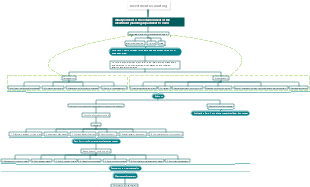
MindMap Gallery Introduction to basic knowledge and methods of industrial division
Introduction to the basic knowledge and methods of industry classification, including an overview of industry classification methods, how industry types are divided, the application of industry classification methods, industry type classification standards, etc.
Edited at 2023-12-18 09:51:18Avatar 3 centers on the Sully family, showcasing the internal rift caused by the sacrifice of their eldest son, and their alliance with other tribes on Pandora against the external conflict of the Ashbringers, who adhere to the philosophy of fire and are allied with humans. It explores the grand themes of family, faith, and survival.

This article discusses the Easter eggs and homages in Zootopia 2 that you may have discovered. The main content includes: character and archetype Easter eggs, cinematic universe crossover Easter eggs, animal ecology and behavior references, symbol and metaphor Easter eggs, social satire and brand allusions, and emotional storylines and sequel foreshadowing.
[Zootopia Character Relationship Chart] The idealistic rabbit police officer Judy and the cynical fox conman Nick form a charmingly contrasting duo, rising from street hustlers to become Zootopia police officers!
Avatar 3 centers on the Sully family, showcasing the internal rift caused by the sacrifice of their eldest son, and their alliance with other tribes on Pandora against the external conflict of the Ashbringers, who adhere to the philosophy of fire and are allied with humans. It explores the grand themes of family, faith, and survival.
This article discusses the Easter eggs and homages in Zootopia 2 that you may have discovered. The main content includes: character and archetype Easter eggs, cinematic universe crossover Easter eggs, animal ecology and behavior references, symbol and metaphor Easter eggs, social satire and brand allusions, and emotional storylines and sequel foreshadowing.
[Zootopia Character Relationship Chart] The idealistic rabbit police officer Judy and the cynical fox conman Nick form a charmingly contrasting duo, rising from street hustlers to become Zootopia police officers!
Introduction to basic knowledge and methods of industrial division
Overview of industry classification methods
The importance of industry classification methods
Helps understand industry development trends
1. The industry classification method helps identify the growth drivers of different industries and thereby predict future development trends.
2. The industry classification method helps to discover the correlations and interactions between various industries and provides reference for policy formulation.
3. The industry classification method helps to understand the competitive landscape of different industries and provides a basis for corporate decision-making.
4. The industry classification method helps analyze investment opportunities in different industries and provides guidance for investors.
5. The industry classification method helps evaluate the employment prospects of different industries and provides a reference for talent flow.
6. The industrial classification method helps to understand the resource utilization of different industries and provides support for sustainable development.
Help formulate industrial policy
Helps analyze industry competitiveness
Classification standards for industry classification methods
Industry classification standards
Classification according to industry nature
Classified by industry size
1. According to the classification of industry size, industries can be divided into large, medium and small.
2. Large enterprises are large in scale, rich in resources, and strong in strength.
3. Medium-sized enterprises are of moderate scale and have great development potential.
4. Small enterprises are smaller in scale, more flexible and adaptable to market demand.
5. Enterprises of different sizes play different roles in the industry and jointly promote the development of the industry.
Classification according to industry technical level
1. Traditional technology industries: using traditional technologies, such as manual manufacturing, primary processing, etc.
2. Medium technology industries: adopting medium technology, such as machinery manufacturing, chemical production, etc.
3. High-tech industries: using advanced technologies, such as electronic technology, information technology, biotechnology, etc.
4. Basic technology industries: such as metallurgy, petroleum, coal, etc., providing basic raw materials for other industries.
5. Knowledge-intensive industries: such as education, scientific research, consulting, etc., rely on knowledge and intelligence.
6. Labor-intensive industries: industries such as construction, manufacturing, and services rely on a large amount of manpower.
7. Capital-intensive industries: such as finance, real estate, etc., require large amounts of capital investment.
8. Resource-intensive industries: such as agriculture, mining, etc., rely on natural resources.
Product classification standards
Classification according to product use
Classification according to product technical level
Classification according to product life cycle
Product life cycle definition
Product life cycle refers to the entire process of a product from research and development, production, sales to exit from the market
Product life cycle stages
Introduction period
The product has just entered the market and consumers have low awareness of the product.
Companies need to invest a lot of resources in marketing and publicity
growth period
The product is gradually accepted by consumers and market demand is growing rapidly
Enterprises need to increase production scale, improve product quality and reduce costs
mature stage
Market demand tends to be saturated and competition intensifies
Enterprises need to adjust product strategies to improve product differentiation and added value
Recession
Market demand gradually decreases and products are gradually eliminated from the market
Companies need to adjust product strategies and find new market opportunities
The significance of product life cycle classification
Help enterprises understand the market status and competitive environment of products at different stages
Help enterprises formulate corresponding product strategies and market strategies to improve the market competitiveness of products;
Enterprise classification standards
Classification according to enterprise size
Classification according to the nature of the enterprise
Classification according to enterprise technical level
How are industry types divided?
1. According to the division of production factors, industry types can be divided into labor-intensive industries, capital-intensive industries and knowledge and technology-intensive industries.
2. According to the division of social and economic activities, industry types can be divided into primary industry, secondary industry and tertiary industry.
3. According to the division of resource elements, industry types can be divided into resource-based industries, processing industries and knowledge service industries.
4. According to the status and level of industries in the economy, industry types can be divided into basic industries, pillar industries and leading industries.
Application of industry classification methods
Application of industrial classification methods in industrial research
Application of industrial classification methods in industrial policy formulation
Application of industrial classification methods in industrial competitiveness analysis
Application of industrial classification method in enterprise management
Application of industry classification methods in corporate strategic planning
Application of industry classification method in enterprise market analysis
Application of industrial classification method in enterprise human resources management;
Industry type classification standards
Basis for classification of industry types
Industry scale
Industrial nature
Industrial technology level
Industrial market structure
Industry type classification method
Industry Classification
industry life cycle approach
Industrial agglomeration method
Industry type classification results
primary industry
agriculture
forestry
animal husbandry
fishery
Secondary industry
manufacturing
construction industry
mining industry
Electricity, heat, gas and water production and supply industry
Tertiary Industry
Service industry
financial industry
real estate industry
Wholesale and retail trade
transportation, warehousing and postal services;
What are the future industries?
AI
machine learning
deep learning
natural language processing
computer vision
reinforcement learning
Speech Recognition
Image Identification
Internet of things
Smart hardware
smart home
smart car
Smart medical
Industrial Internet
Internet of Vehicles
Big Data
data analysis
data mining
data visualization
data storage
Data Security
cloud computing
Infrastructure as a Service
server
storage
network
platform as a service
operating system
database
development tools
software as a service
application
Office Software
Industry software
Blockchain
cryptocurrency
Bitcoin
Ethereum
smart contract
Decentralized applications
Virtual Reality
head mounted display
Oculus Rift
HTC Vive
Augmented Reality
Google Glass
HoloLens
Quantum computing
quantum computer
DWave
IBMQ
Quantum algorithm
Shor's algorithm
Grover's algorithm
Biotechnology
gene editing
CRISPR
TALEN
Biopharmaceutical
Antibody drugs
vaccine
bioenergy
biodiesel
bioethanol;
Conclusion: Industrial division is basic knowledge and cannot be divided randomly.