MindMap Gallery Medicine - the birth of life
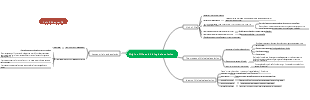
This is a mind map about the birth of life, including embryo and fetal growth and development, formation and function of fetal appendages, pregnancy diagnosis, etc.
Edited at 2023-12-13 19:50:58Avatar 3 centers on the Sully family, showcasing the internal rift caused by the sacrifice of their eldest son, and their alliance with other tribes on Pandora against the external conflict of the Ashbringers, who adhere to the philosophy of fire and are allied with humans. It explores the grand themes of family, faith, and survival.

This article discusses the Easter eggs and homages in Zootopia 2 that you may have discovered. The main content includes: character and archetype Easter eggs, cinematic universe crossover Easter eggs, animal ecology and behavior references, symbol and metaphor Easter eggs, social satire and brand allusions, and emotional storylines and sequel foreshadowing.
[Zootopia Character Relationship Chart] The idealistic rabbit police officer Judy and the cynical fox conman Nick form a charmingly contrasting duo, rising from street hustlers to become Zootopia police officers!
Avatar 3 centers on the Sully family, showcasing the internal rift caused by the sacrifice of their eldest son, and their alliance with other tribes on Pandora against the external conflict of the Ashbringers, who adhere to the philosophy of fire and are allied with humans. It explores the grand themes of family, faith, and survival.
This article discusses the Easter eggs and homages in Zootopia 2 that you may have discovered. The main content includes: character and archetype Easter eggs, cinematic universe crossover Easter eggs, animal ecology and behavior references, symbol and metaphor Easter eggs, social satire and brand allusions, and emotional storylines and sequel foreshadowing.
[Zootopia Character Relationship Chart] The idealistic rabbit police officer Judy and the cynical fox conman Nick form a charmingly contrasting duo, rising from street hustlers to become Zootopia police officers!
birth of life
Fertilization (24h), three stages
Sperm capacitation: It takes about 7 hours to make sperm capable of fertilization. The main parts of capacitation are the uterus and fallopian tube.
Acrosomal reaction: The egg is released into the ampulla or isthmus of the fallopian tube to await fertilization. When the two meet, the acrosome external mold of the sperm head ruptures, releasing acrosome enzyme, which dissolves the corona radiata and zona pellucida around the egg and passes through.
The combination of sperm and egg occurs within 12 hours after ovulation; the zona pellucida reaction ensures fertilization by a single sperm
Fertilized egg formation: The outer mold of the sperm that has passed through the zona pellucida contacts and fuses with the egg membrane. The sperm enters the egg. The egg quickly completes secondary subtraction to form the egg pronucleus. The egg pronucleus and spermatozoa fuse to form the fertilized egg. The formation of a fertilized egg marks the birth of new life.
Fertilized egg development, transport and implantation
Two-cell stage: The fertilized egg divides into the two-cell stage 24 to 36 hours after fertilization, and then divides every 12 hours to form multiple daughter cells called blastomeres.
Morula: 72 hours after fertilization, the fertilized egg divides into a 16-cell solid embryo that looks like a morula.
Late blastocyst: On the fourth day after fertilization, a blastocyst or early blastocyst is formed. 5 to 6 days after fertilization, the early blastocyst enters the uterine cavity, the zona pellucida disappears, the blastocyst rapidly increases in size, continues to divide and develop, and forms a late blastocyst.
Embryo implantation: The process of late blastocyst implantation in the endometrium is called embryo implantation.
The process of embryo implantation begins 6 to 7 days after fertilization and ends 11 to 12 days. Including three processes: positioning, adhesion and invasion
Necessary conditions for embryo implantation: the zona pellucida must disappear on time; the blastocyst differentiates into cytotrophoblasts and syncytiotrophoblasts; the blastocyst and endometrium develop simultaneously and function in a coordinated manner; the pregnant woman's body secretes sufficient amounts of estrogen and progesterone.
The site of embryo implantation: usually in the body or bottom of the uterus, usually on the posterior wall of the uterus
formation of decidua
Decidua basalis: The endometrium at the site of blastocyst implantation, which is in contact with the chorionic villi and later develops into the maternal part.
Decidua envelope: The decidua covering the surface of the blastocyst gradually bulges toward the uterine cavity as the blastocyst develops.
True decidua: The decidua basalis and the other parts covering the uterine cavity other than the decidua parenchyma. At 14 to 16 weeks of pregnancy, the decidua parvum and true decidua move closer together and the uterine cavity disappears.
Formation and differentiation of the three germ layers: After embryo implantation, the inner cell mass first differentiates into inner and outer layers, and then the ectoderm differentiates into the intraembryonic mesoderm, which is the three germ layer stage.
Embryonic and fetal growth and development
Taking four weeks as a unit of gestational age, the whole process is about 280 days, that is, forty weeks. The period within 10 weeks of pregnancy is called the embryo, which is the period of differentiation of major organs. From the 11th week of pregnancy to term, each organ further develops and matures, which is called the fetal period. From the ninth week of fertilization, it is called a fetus
Developmental characteristics of embryos
Pre-embryonic period: from the beginning of fertilization to the formation of primitive villi, about 14 days: three to four days after fertilization, the morula enters the maternal uterus; on the sixth day of fertilization, the trophoblast of the blastocyst implants into the maternal endometrium and forms the chorion; seven to seven days after fertilization On the eighth day of fertilization, the ectoderm and endoderm of the embryo are formed; on the eighth to ninth day of fertilization, the amniotic membrane, amniotic sac, and yolk sac begin to form, and amniotic fluid appears; on the 10th to 21st day of fertilization, the trophoblast is formed, and the chorion secretes hCG, which is released in the maternal urine. Detected in.
Embryonic period: from the 15th day to the eighth week after fertilization
Fetal development characteristics
Week 12 of pregnancy: The reproductive organs have developed, some parts can identify gender, synthesize thyroxine, and begin to secrete insulin. Week 16 of pregnancy: Gender can be identified from the external genitalia, the fetus has begun breathing movements, and some mothers are aware of fetal movements; gastrointestinal function is established, and the fetus can suck amniotic fluid Week 20 of pregnancy: Alveolar development is completed, but gas exchange cannot occur. The fetus has the function of urinating and the fetal heartbeat can be heard with a stethoscope. Week 24 of pregnancy: Fingerprints and footprints appear, eyebrows and eyelashes appear on the fetus, and the myelin sheath of the cerebrospinal cord and brainstem nerve roots begins to form. Week 28 of pregnancy: Survivable after birth, but prone to specific dyspnea syndrome and light reflex Week 32 of pregnancy: Viability is acceptable, and you can survive if you pay attention to care after birth Week 36 of pregnancy: crying and sucking after birth, good viability, basically viable
Viable fetus: A fetus delivered before 20 weeks to 28 weeks
Physiological characteristics of the fetus
Fetal blood circulation characteristics: one umbilical vein, blood from the placenta enters the fetal liver and inferior vena cava through the umbilical vein; two umbilical arteries; the foramen ovale is located between the left and right atria
Characteristics of neonatal blood circulation: the umbilical vein is atretic after birth and becomes the round ligament of the liver; the umbilical artery is atretic after birth and becomes the hypogastric ligament with the connected hypogastric artery that is atretic; the foramen ovale is completely atretic at six months after birth to form the fossa ovale .
The formation and function of fetal appendages
placenta
The shape of the placenta: When the pregnancy is full term, the placenta is round or oval, thick in the middle, thin at the edge, and divided into fetal and maternal sides. The fetal surface is gray and white, smooth and translucent; the maternal surface is dark red.
The structure of the placenta
Amniotic membrane: The fetal part that makes up the placenta, it is the innermost layer of the placenta; the amniotic membrane is translucent and has a certain elasticity, which facilitates fluid exchange between the amniotic fluid and the amniotic membrane.
Chorion phyllata: The main structure of the placenta. The chorion is composed of trophoblast cells and extraembryonic mesoderm. The chorion located in the decidua basalis is called leaf-like chorion due to its rich nutrition, sufficient blood supply and lush stems and branches. It is the main part of the placenta.
Villus: Level 1 (cytotrophoblast and syncytiotrophoblast on the surface) Secondary (extraembryonic mesoderm forms villous stroma) Level 3 (differentiated capillaries)
Decidua basalis: the endometrium where the placenta attaches, accounting for a small part of the placenta
Blood circulation of the placenta: There are two blood circulation systems of the mother and the fetus in the placenta. Maternal blood passes through the basal decidual spiral artery and opens into the intervillous space.
placenta function
Substance exchange function: simple diffusion includes water, carbon dioxide, oxygen, electrolytes, etc.; facilitated diffusion includes the transport of glucose, etc.; active transport includes amino acids, water-soluble vitamins, etc.; larger substances can split through the cytoplasmic membrane, phagocytose within the membrane, and then membrane Fusion to form vesicles for transport including macromolecular proteins, immunoglobulins, etc.
Defense function: Immune substances such as IgG in maternal blood can pass through the placenta and protect the fetus, but the defense function is limited, and various viruses can easily invade the fetus through the placenta.
Synthetic function: hCG is secreted by the placental syncytiotrophoblast. After the placenta implants, it can be detected about ten days after fertilization, reaching its peak at 8 to 10 weeks of pregnancy. It has the functions of maintaining the corpus luteum, inducing ovulation, inhibiting the immune function of lymphocytes, and stimulating thyroid activity. hPL is secreted by placental syncytiotrophoblast cells and can be detected at 5 to 6 weeks of pregnancy, reaching its peak at 34 to 36 weeks of pregnancy. It can promote the development of mammary gland alveoli, stimulate mammary gland epithelial cells to synthesize milk protein, etc. to prepare for postpartum lactation; promote insulin production; inhibit the mother's glucose uptake through lipolysis, so that glucose can be transferred to the fetus to promote its growth and development. It is an important factor in fetal development. "Metabolic regulator"; a function that inhibits maternal excretion of the fetus. Estrogen and progesterone: After the placenta implants, the menstrual corpus luteum of the ovary transforms into the corpus luteum of pregnancy, which continues to secrete estrogen and progesterone to maintain pregnancy. Estrogen is produced by the corpus luteum of the ovary in the early stage and is mainly synthesized by the feto-placental unit after ten weeks of gestation; progesterone is produced by the corpus luteum of the ovary in the early stage of pregnancy and is produced by the placental syncytiotrophoblast at eight to ten weeks of gestation. Enzymes: mainly oxytocinase and thermostable alkaline phosphatase
Fetal membranes: composed of smooth chorion and amniotic membrane. The main function is to maintain the integrity of the amniotic cavity, absorb amniotic fluid, and maintain balance.
Umbilical cord: The umbilical cord of a full-term pregnancy is 30 to 100 cm long and 0.8 to 2.0 cm in diameter. The umbilical blood vessels are surrounded by a water-rich gel-like tissue called Huatong's Jelly, which has the function of protecting the umbilical blood vessels.
amniotic fluid
Source: Amniotic fluid in early pregnancy mainly comes from the dialysate of maternal serum passing through fetal membranes and entering the amniotic cavity; fetal urine accounts for the main part after the second trimester; fetal lungs are involved in late pregnancy, and 600 to 800 ml of fluid per day flows from the alveoli to the amniotic cavity.
Absorption: 50% is absorbed by fetal membranes; full-term fetuses swallow 500 to 700 ml per day
The exchange between maternal body and amniotic fluid is mainly through fetal membranes
Amniotic fluid volume, properties, composition, etc.: about 30 ml at ten weeks of pregnancy, 400 ml at 20 weeks of pregnancy, peaking at 1000-1500 ml at 36 to 38 weeks, and then gradually decreasing to about 800 ml at 40 weeks of pregnancy. Colorless and transparent in the early stage, slightly turbid in the later stage
Function: Protect the fetus and mother; an appropriate amount of amniotic fluid allows the fetus to have a certain degree of mobility in the uterine cavity to avoid fetal pressure; maintains a constant temperature in the uterine cavity; an appropriate amount of amniotic fluid buffers the pressure on the uterine wall and makes the pressure in the uterine cavity uniform Distributed to protect the fetus from external damage; swallowing or absorbing amniotic fluid by the fetus can promote the development of the fetus's digestive tract and lungs; reduce maternal discomfort caused by fetal movements; during labor, amniotic fluid can conduct the pressure of uterine contraction and form preamniotic fluid at the same time The sac helps to dilate the cervix; it can lubricate the birth canal after membrane rupture, and also cleans the vagina and reduces infection.
pregnancy diagnosis
Early pregnancy diagnosis: <13 weeks
Signs and symptoms
Menopause: It is the most important symptom in early pregnancy. It can be suspected if it lasts for more than eight weeks.
Early pregnancy reactions: Chills, dizziness, salivation, vomiting, fatigue and drowsiness may occur 6 weeks after menopause, and usually disappear automatically around 12 weeks after menopause.
Frequent urination
Breast changes: Mild breast swelling, nipple and areola color deepening, Montessori nodules appearing
Gynecological examination: Congestion of the vaginal mucosa and cervix appears purple-black. At 6 to 8 weeks of pregnancy, bimanual examination examines the uterine isthmus and softness. It feels that the cervix and uterine body are not connected, which is called the black plus sign.
Auxiliary inspection
Pregnancy test: Usually 8 to 10 days after fertilization, radioimmunoassay can be used to detect the increase in hCG in the blood of the subject. This method is simple and rapid. Ultrasound examination: The main purpose of early pregnancy ultrasound examination is to determine intrauterine pregnancy and whether the fetus is viable, and to rule out ectopic pregnancy. Ultrasound examination at 9 to 13 weeks of pregnancy can rule out serious fetal malformations.
Diagnosis: Positive hematuria for hCG, ultrasound examination of the embryo and primitive cardiac pulsation. Ultrasound examination is the gold standard for confirming intrauterine pregnancy. If the pregnancy is greater than 14 weeks, biparietal diameter, head circumference, abdominal circumference and femur length can be used to comprehensively determine pregnancy.
Intermediate and late diagnosis: mid-term (14 to 27 weeks) Late stage (≥28 weeks)
Symptoms: Conscious abdominal enlargement, pregnant women can feel fetal movements and hear fetal heart sounds
Physical signs and examination
Uterine enlargement: The growth rate is faster at 20 to 24 weeks of pregnancy, and the growth rate slows down at 36 to 39 weeks of pregnancy. Under normal circumstances, the height of the uterus is highest at 36 weeks of pregnancy, and decreases slightly at full term due to fetal presentation.
Fetal movement: Primiparous women feel fetal movement at 18 to 20 weeks, multiparous women earlier than primiparous women, fetal movement peaks at 32 to 34 weeks, and gradually decreases at 38 weeks. After 28 weeks of pregnancy, normal fetal movements are ≥10 times/2h
Fetal body: At 20 weeks of pregnancy, the fetal body in the uterus can be palpated through the abdominal wall. After 24 weeks, palpation can distinguish the fetal head, fetal back, fetal buttocks and limbs.
Fetal heart sound: Doppler fetal heart stethoscope is often used to detect fetal heart sound after 12 weeks. It can be heard with a general stethoscope between 18 and 20 weeks. Pay attention to distinguishing it from uterine murmur, abdominal aortic sound and umbilical cord murmur.
Auxiliary inspection
Ultrasound examination: At 20 to 24 weeks, the examination can determine whether the fetus is malformed; color doppler ultrasound
Fetal posture, fetal delivery, fetal presentation, fetal orientation
Fetal position: the position of the fetus in the womb
Fetal position: the relationship between the longitudinal axis of the fetus and the transverse axis of the mother's body
Fetal presentation: the part of the fetus that enters the pelvis first
Fetal position: refers to the relationship between the indicator point of the presenting part of the fetus and the mother's pelvis. Normally the left and right occipital fronts
Instructions: Occipital presentation: Occipital bone O; Breech presentation: Sacrum S; Facial presentation: chin M; Shoulder presentation: scapula Sc
Fetal health assessment
EFM graphic definitions and terminology
Baseline level: refers to the average level of fetal heart rate within any ten minutes. The normal baseline is between 110 and 160.
Baseline variability: The change in amplitude of fetal heart rate from peak to trough per minute. Moderate variation is normal variation, and the amplitude fluctuates between 6 and 25 times/min.
Acceleration: sudden and significant increase in baseline fetal heart rate. The standard for acceleration at ≥32 weeks of pregnancy is fetal heart rate acceleration ≥15 beats/min, lasting >15 seconds, but not more than two minutes.
slow down
Premature deceleration: the deceleration that occurs with uterine contractions, usually symmetrically and slowly descending to the lowest point and then returning to baseline, usually indicating compression of the fetal head; Late deceleration: the lowest point of deceleration is later than the peak of uterine contraction, usually indicating poor placental function Variable deceleration: a sudden and significant decrease in fetal heart rate with no fixed pattern, usually indicating umbilical cord compression and vagus nerve excitement
Predicting fetal intrauterine reserve capacity
Non-stress test (NST: refers to the observation and recording of the fetal heart rate and tocotogram without uterine contractions and external load stimulation. The pregnant woman takes a sitting or supine position. The test usually lasts for twenty minutes): Normal positive is: Fetal heart rate 110 to 160; moderate baseline variability; no deceleration or occasional variable deceleration; two or more accelerations exceeding 15/min within 40 minutes when >32 weeks of gestation, lasting 15 seconds; <32 weeks of gestation, 49 minutes Accelerating twice within the period will exceed 10/min more than twice, lasting for 10 seconds.
A negative result of the Contraction Stress Test (CST: observing the fetal heart rate during contractions) is the absence of late decelerations or obvious variable decelerations.
Manning's five-item scoring method includes NST, FBM (combined with ultrasound phenomena to observe fetal breathing movements), FM (fetal movement), FT (fetal muscle tone), and AFV (amniotic fluid volume).
Fetal maturity check
Placental maturity tends to be mature in Level 2; overmature in Level 3
At 34 weeks of pregnancy, fetal lung development is basically mature, and amniotic fluid L/S ≥ 2 indicates fetal lung maturity.
Umbilical artery blood flow detection: S/D was 3.3 to 3.4 at 26 to 28 weeks of pregnancy and 2.2 at 40 weeks of pregnancy. Pregnancy-induced hypertension with intrauterine distress S/D>3
normal delivery
After 28 weeks of pregnancy, the process from labor to delivery of the fetus and its appendages from the mother's uterus is called delivery. Among them, births between 28 weeks and less than 37 weeks of gestation are called premature births; births between 37 and less than 42 weeks of gestation are called full-term births; births after 42 weeks of gestation are called post-term births.
motivation for childbirth
It is currently believed that physiological changes in the uterus and fetal maturation are necessary conditions for the initiation of labor.
Physiological changes in the uterus: increased sensitivity of uterine smooth muscle to oxytocin; regular uterine contractions and cervical dilation
The mechanism of physiological changes in the uterus: increase in gap junctions in uterine myocytes; increase in calcium ion concentration in uterine myocytes; recruitment of leukocytes in the myometrium.
Endocrine changes during childbirth
Oxytocin: Endogenous oxytocin increases during delivery, promoting uterine contractions to deliver the fetus. It reaches a peak value when the fetus is delivered, and then continues to help deliver the placenta. During this process, the main factor affecting the intensity and frequency of contractions is uterine contractions. The number of oxytocin receptors and their sensitivity to oxytocin, rather than changes in oxytocin production and release, also exert an analgesic effect.
Prostaglandins: produced by the amnion, chorion, and decidua, promote uterine contractile activity
Endorphins: increase during pregnancy, reach a peak during delivery, and decrease within 20 minutes after the fetus is born. Endorphins can relieve pain and change the mother's state of consciousness, inducing pleasure and euphoria.
Catecholamine hormones: increase during delivery, reach a peak at the end of delivery, and decrease rapidly after the birth of the fetus. Catecholamines increase the mother's concentration and energy levels and are more likely to protect the fetus. However, excessive secretion of catecholamines can reduce the blood supply to the placenta, causing fetal hypoxia. It can also directly inhibit uterine contractions, prolong labor, and increase the risk of postpartum hemorrhage.
Factors affecting childbirth
physiological factors
productivity
Uterine contractility: the main force after labor
Rhythmity: a sign of labor: at term labor, the interval between contractions is generally 5 to 6 minutes, and contractions last for more than 30 seconds. When the cervix is fully open, the intermission period is only 1 to 2 minutes, and the contraction time can last up to 60 seconds.
Why does it hurt when the uterus contracts? During uterine contractions, the blood vessels in the uterine muscle wall and the placenta are compressed, causing the blood flow in the intervillous space between the uterus and the placenta to decrease. However, between contractions, the uterine muscles relax, the uterine blood flow returns to the original level, and the placental chorionic space blood flow resumes. Fill.
Symmetry and polarity: Normal uterine contractions start at the corners of the uterus on both sides and quickly converge toward the midline of the uterine fundus. They are symmetrical from left to right. The uterine contractions are the strongest and most lasting at the uterine fundus, and gradually weaken downward. The contraction force of the uterine fundus is that of the lower uterine segment. Twice, this is the polarity of uterine contractility. Symmetry and polarity ensure that the direction of uterine contractility is directed downward toward the cervix.
Contraction and recovery effect: During each uterine contraction, the muscle fibers of the uterine body shorten and become thicker. Although the muscle fibers relax, lengthen and thin during the intermittent period, they cannot return to their original length. After repeated contractions, the muscle fibers become shorter and shorter. This phenomenon For shrinkage.
Abdominal muscle and diaphragm contractility (abdominal pressure): an important auxiliary force for delivering the fetus during the second stage of labor. Premature use of abdominal pressure can easily lead to maternal fatigue and cervical edema, which can prolong labor.
Levator ani muscle contraction: helps the presenting part of the fetus flex and internally rotate in the pelvis. Also beneficial to the delivery of the placenta
B
Free position helps increase pelvic space
bony birth canal
Pelvic inlet plane: in front of it is the upper edge of the pubic symphysis, on both sides are the iliopectineal edges, and behind it is the upper edge of the sacral promontory. There are four diameters on average: the anteroposterior diameter of the entrance (the distance from the midline of the upper edge of the pubic symphysis to the midline of the front edge of the sacral promontory, the normal value is 11cm) the transverse diameter of the entrance: the maximum distance between the two iliopubic edges, the normal value is 13cm; Oblique diameter: one on each side. The distance between the left sacroiliac joint and the right iliopectineal process is the left oblique diameter. The normal value is 12.75cm.
Midpelvic plane: It is the smallest plane of the pelvis. In front of it is the lower edge of the pubic symphysis, on both sides are the ischial spines, and behind is the lower edge of the sacrum. There are two diameter lines: the anteroposterior diameter of the middle pelvis: the midpoint of the lower edge of the pubic symphysis passes through the midpoint of the line connecting the ischial spines on both sides to the lower edge of the sacrum. The normal value is 11.5cm on average; the transverse diameter of the mid-pelvis: also known as the ischial interspinous diameter, the normal value is 10cm. The transverse diameter of the midpelvis is the important diameter line through which the presenting part of the fetus passes through the midpelvis.
Pelvic outlet plane: It consists of two triangles that are not in the same plane. The apex of the anterior triangle is the lower edge of the pubic symphysis, and the descending pubic ramus is on both sides; the apex of the posterior triangle is the sacrococcygeal joint, and the sacrotuberous ligament is on both sides. Their common base is the inter-ischial tuberosity diameter. There are three diameter lines: the anteroposterior diameter of the outlet: the distance between the lower edge of the pubic symphysis and the sacrococcygeal joint, which is 11.5cm; the transverse diameter of the outlet: the distance between the two ischial tuberosities, also called the interischial tuberosity diameter, the normal value is 9cm , is the diameter line of the presenting part of the fetus passing through the pelvic outlet. The exit plane causes many difficulties in delivery, so the diameter line is narrow.
Pelvic axis and pelvic inclination: The pelvic axis is an imaginary curve connecting the center points of each plane of the pelvis. The upper section of this shaft is from bottom to back, the middle end is downward, and the lower section is downward and forward. Pelvic inclination refers to the inclination of 60 to 70 degrees between the planes of the pelvic inlet and the horizontal plane when a woman is standing. If the pelvic inclination is too large, it often affects the fetal head connection.
soft birth canal
A curved tube composed of the lower uterine segment, cervix, vagina, vulva, and pelvic floor soft tissue
The formation of the lower uterine segment: formed by the stretching of the uterine isthmus, which is about one centimeter long when not pregnant. The uterine isthmus gradually expands to become part of the uterine cavity after 12 weeks of pregnancy, and is gradually elongated to form the lower segment of the uterus in the third trimester. Regular uterine contractions after labor further elongate the lower segment of the uterus by 7 to 10 centimeters, becoming part of the soft birth canal. Due to the contraction and recovery of uterine muscle fibers, the upper uterine segment muscle wall becomes thicker and thicker, and the lower uterine segment muscle wall is stretched thinner and thinner. The upper and lower uterine segment muscle walls are different in thickness, forming a ring-shaped bulge on the inner surface of the uterus between the two. , called physiological contraction ring.
cervical changes
Softening and maturation of the cervix: This is the basis for cervical effacement and dilation. Triggers include inflammation, increased oxytocin and prostaglandin activity. During the non-pregnant period, the cervix is tight, tough, and the cervix is tightly closed. After pregnancy, the cervical glue element is affected by hormones and becomes loose in the second trimester. After delivery, the water content of the cervix increases in the weeks to days before delivery. At the same time, collagen rearranges the connective tissue, and collagenase and elastase destroy it, which makes the cervical tissue softer and lays the foundation for the disappearance and expansion of the cervix.
The disappearance of the cervical canal means that the inner cavity of the cervix is fusiform, called the cervical canal, and its lower end is the external cervical opening, which is connected with the vagina. The cervical canal of primiparous women is about 2.5 to 3.0 centimeters long, and the external cervical opening is round; in multiparous women, a transverse cleft is formed due to the impact of childbirth, which divides the cervix into an anterior lip and a posterior lip. Regular uterine contractions and contractions after labor pull upwards. At the same time, the connection between the fetal presenting part prevents the anterior amniotic fluid from flowing back during uterine contractions. However, the decidua in the lower uterine segment is underdeveloped, and the fetal membranes are easily separated from the decidua there. It protrudes into the cervical canal to form a wedge-shaped anterior amniotic fluid sac, causing the internal cervical os to expand upward and outward, and the cervical canal forms a funnel shape. As the labor process continues, the cervical canal gradually shortens until it disappears. In primiparous women, the cervical canal disappears first and the cervix expands later; in multiparous women, the cervical canal disappears and the cervix dilates at the same time.
Dilation of the cervix: The expansion of the cervix after labor is mainly the result of uterine contraction and retraction, and upward traction. The wedge-shaped anterior amniotic fluid sac also assists in dilating the cervix. Clinical evaluation of cervical dilation is expressed by measuring the length of the diameter of the cervix. 0 cm indicates that the external cervix and external os are closed, 10 cm indicates that the cervix is fully open, and 10 cm of fully opened cervix is based on the diameter of the anterior fontanelle under the fetal head. The length of the fetus is determined. The suboccipital fontanelle diameter of a full-term fetus is approximately 9.5 cm. In a normal head-position delivery machine, this is the largest anteroposterior diameter when the fetal head is flexed.
Changes in the pelvic floor tissue of the vagina and perineum: This is due to the amniotic fluid sac and fetal presenting part first expanding the upper part of the vagina. After the membranes rupture, the fetal presenting part descends and directly compresses the tissues of the pelvic floor, causing the lower part of the soft birth canal to form a long, forward-curved section. Tubular shape, the front wall is short and the back wall is long, the external vaginal opening opens forward and upward, the vaginal mucosal folds are flattened, and the vagina is expanded. The levator ani muscle expands downward and to both sides, and the muscle fibers lengthen, making the perineal body, which is about five centimeters thick, thin by about 2 to 4 millimeters to facilitate the passage of the fetus.
fetus
fetal size
Fetal head skull: There is soft tissue coverage between the cranial sutures and fontanels, which allows the fetal head to have a certain degree of plasticity. During the delivery process, the cranial sutures and skull are slightly folded, reducing the size of the skull to adapt to the shape and size of the pelvis. This is called lifting. The degree of plasticity of the fetal head is related to the thickness and hardness of the bone.
Fetal head diameter: Biparietal diameter (BPD) is the distance between the two parietal sutures, with an average value of 9.3 cm at full term. Clinical ultrasound measurements are used to determine the size of the fetus; occipitofrontal diameter is from the top of the nose to the occipital protuberance. The distance between the fetal head and the meridian is often connected with this meridian, and the average value at full term is about 11.3 cm; the diameter of the suboccipital bregma is the distance from the center of the bregma to the bottom of the occipital protuberance. This is the smallest diameter line of the fetal head in side view. The average value at full term is 9.5 cm; the occipital mental diameter is the distance from the center below the bone to the top tip of the posterior fontanel. When the fetal head is presented in facial presentation, the fetal head passes through the birth canal along this meridian. The average value at full term is 13.3 cm.
Fetal position: During longitudinal labor, the longitudinal axis of the fetus is consistent with the pelvic axis, making it easy to pass through the birth canal. When the fetus is exposed, the fetal head passes through the birth canal first, and the fetus is easy to deliver. Among them, the occipital-anterior position is more conducive to completing the birth mechanism, while other fetal positions will Increased difficulty in childbirth to varying degrees.
Mechanism of occipital presentation of delivery
Articulation: refers to the biparietal diameter of the fetal head entering the pelvic inlet plane, and the lowest point of the skull approaching or reaching the level of the ischial spine, which is called articulation. The fetal head enters the pelvic inlet in a semi-flexed state and is connected by the occiputofrontal diameter. Since the occipital-frontal diameter is larger than the anteroposterior diameter of the pelvic inlet plane, the sagittal suture of the fetal head is usually on the right oblique diameter of the pelvic inlet plane, and the occipital bone is located in front and left of the pelvic inlet. Most primiparous women can be connected within 1 to 2 weeks before the expected date of delivery. Pregnant women often join after labor begins.
Descending: The movement of the fetal head along the pelvic axis that occurs throughout labor. Uterine contractions are the main driving force for fetal head descent, so fetal head descent is intermittent. Uterine contractions promote the descent of the fetal head in the following ways: during uterine contractions, pressure is conducted through the amniotic fluid and transmitted to the fetal head through the fetal axis; during uterine contractions, the fundus of the uterus directly compresses the fetal buttocks; during uterine contractions, the fetal body straightens and elongates, which is conducive to pressure transmission; The contraction pressure of the abdominal diaphragm is transmitted to the fetus through the uterus.
Flexion: When the fetal head continues to descend to the pelvis, it encounters resistance. The semi-flexed fetal head further flexes, bringing the fetal chin closer to the chest, and changes the occipital-frontal diameter when the fetal head is connected to the suboccipital-anterior diameter. The diameter of the fontanel is adapted to the shape of the birth canal and is conducive to further descent of the fetal head.
Internal rotation: When the fetal head is in occiput presentation, the occipital part is the lowest. When the fetal head descends to the pelvic floor and encounters resistance, the levator ani muscle contracts to push the fetal occipital part to a place with less resistance and a wider area, that is, the occipital part is toward the maternal midline. Rotate 45 degrees to the rear of the pubic symphysis, so that the sagittal suture of the fetal head is consistent with the anteroposterior diameter of the mid-pelvis. The fetal head usually completes internal rotation at the end of the first stage of labor. At the same time, the fetal shoulder is still in the left anterior position. .
Back extension: Uterine contractions and abdominal pressure cause the fetal head to descend, and the contraction of the levator ani muscle pushes the head forward. The combined force of the two makes the fetal head move in the "downward and forward" direction along the lower section of the pelvic axis, and the occipital bone of the fetal head When the lower part reaches the lower edge of the pubic symphysis, that is, with the pubic arch as the fulcrum, the fetal head gradually extends upward, and the fetal top, forehead, nose, mouth, and chin are successively delivered from the front edge of the perineal body. At this time, the fetal shoulders enter the pelvis along the left torticollis at the pelvic entrance plane.
Reduction and external rotation: After the fetal head is delivered, in order to restore the fetal head and shoulders to the normal anatomical position, the fetal head occiput is externally rotated 45 degrees to the left of the mother's body, and returning to the original position is called reduction. Then the fetal shoulder continues to descend in the pelvic cavity, and when it reaches the middle pelvic plane, in order to adapt to the characteristics of the middle pelvic plane's long front and rear diameter and short transverse diameter, the fetal front shoulder falls under the combined force caused by force production and the resistance of the pelvic floor soft tissue. Rotate forward 45 degrees toward the midline of the mother's body. At this time, the fetal shoulders are turned in the same direction as the pelvic outlet meridian. At this time, the fetal head occiput needs to continue to rotate 45 degrees outside the mother's body to the left of the mother's body to maintain the fetal head. The normal anatomical relationship with the fetal shoulder is called external rotation. The essence of external rotation of the fetal head is that the fetal shoulder "internally rotates" within the maternal pelvis.
Fetal shoulder and fetal delivery: After external rotation, the fetus continues to descend under the force of labor, and then the fetal anterior shoulder is delivered under the pubic arch, and the posterior shoulder is delivered from the front edge of the perineal body, followed by the fetal body and lower limbs, completing delivery. the whole process.
Pregnant labor and labor
clinical manifestations
The difference between labor and threatened labor: whether the cervix is progressively dilated.
threatened labor
Irregular contractions: also known as false labor. Characteristics: The frequency of uterine contractions is different, the duration is short (<30s) and not constant, and the intermittent time is long and irregular; the intensity of uterine contractions does not increase; they often appear at night and disappear in the early morning; they are not accompanied by shortening of the uterine tube and uterine contractions. Cervical morphological changes such as oral dilatation; giving sedative drugs can inhibit
Feeling of fetal descent: In most first-time mothers, the sensation of fetal descent may occur two weeks or earlier before delivery, while multiparous women may not feel the sensation of fetal descent until the time of delivery.
Blushing: When the cervix matures, the cervical capillaries rupture and bleed a small amount, which mixes with the mucus in the cervical canal and is discharged, which is called flushing. The sight of redness is a sign that labor is about to begin, and usually indicates that labor will officially begin in the next few days.
Others: transient diarrhea, indigestion; nausea; vomiting
Labor: important signs are regular and gradually increasing uterine contractions, lasting 30 seconds or more, with intervals of 5 to 6 minutes, accompanied by progressive disappearance of the uterine duct, dilation of the cervix, and falling fetal presentation.
first stage of labor
Also known as the cervical dilation period, it refers to the period from the beginning of labor until the cervix is fully dilated, that is, the cervix is fully dilated (10cm)
clinical manifestations
Regular contraction period: At the beginning of labor, uterine contractions are weak, with an intermission period of five to six minutes and lasting thirty seconds or more. As labor progresses, the intermission period shortens, lasts longer, and increases in intensity. When the cervix is fully open, the duration can reach more than one minute. Cervical dilation: When uterine contractions become more frequent and stronger, the cervical canal becomes softer, shorter, and the cervix flattens, then the cervix expands slowly at first and quickly in the later stages. When the cervix is fully dilated, the edge of the cervix disappears and the cervix becomes part of the lower segment of the uterus. Decline of fetal presentation: It is an important observation indicator to evaluate whether the fetus can be delivered vaginally. When the cervix dilates 5cm, it descends rapidly. Rupture of fetal membranes: During uterine contractions, the pressure in the amniotic cavity increases and the presenting part of the fetus descends. After the fetal presenting part is connected, the amniotic fluid is divided into the anterior and posterior parts. The amount of amniotic fluid in front of the fetal presenting part is not much, about one hundred milliliters, which is called anterior amniotic fluid, and the sac formed by it is called anterior amniotic fluid sac.
Treatment principles: Strictly observe the vital signs of the mother and fetus, observe the progress of labor, and work with family members to provide care during labor.
Key points of midwifery
Assessment and testing
health history Vital signs: 4h Fetal heartbeat: Fetal heartbeat auscultation is performed after uterine contractions. The interval between latent periods is 30 to 60 minutes, and the interval between active periods is 30 minutes. Uterine contractions: Strictly observe and record the pattern, duration, intermission time and intensity of uterine contractions during labor. Observe uterine contractions every 1 to 2 hours, and check 3 to 5 times each time. Uterine contractions are clinically evaluated by their frequency. Palpation method: It becomes hard during contractions and becomes soft during intermittent relaxation. Cervical dilation and fetal presentation decline: The speed and degree of cervical dilation and fetal presentation decline are important signs of labor progress and the main basis for guiding labor. The descent of fetal presentation in occipital presentation is expressed by the relative positional relationship between the lowest point of the fetal skull and the ischial spine plane. The ischial spine level is the standard for judging the height of presentation. Rupture of fetal membranes: The fetal membranes often rupture naturally when the cervix is nearly fully dilated. Once they rupture, listen to the fetal heart rate immediately and observe the amount and characteristics of the amniotic fluid.
The incubation period is the slow stage of cervix expansion from regular uterine contractions to the cervix dilation of five centimeters. Primiparous women generally do not go through 12.10 hours, and often do not exceed 14 hours. The active period refers to the period from the cervix dilation of five centimeters to the cervix. The full opening of the mouth is the accelerated stage of cervical expansion. The active period generally does not exceed 12 hours for first-time mothers and ten hours for multiparous women.
Education and Support
Encourage pregnant women to eat foods that are light, easy to digest and contain less residue. In postural management, those who have one of the following conditions are not suitable for freely moving postures or need to assist pregnant women in positioning according to medical advice: 1. The fetal head has been ruptured and the fetal head is high; 2. Those who are complicated by severe pregnancy-induced hypertension; 3. Abnormal bleeding 4. Pregnancy complicated by heart disease. During urination and defecation, the mother needs to be reminded to urinate every two hours to prevent the bladder from becoming full and affecting the descent of fetal presentation and uterine contraction.
Handling and Cooperation
When uterine contractions are abnormal, mothers who use oxytocin should stop using it immediately, report to the doctor as soon as possible, and give tocolytics if necessary. When the task requires artificial rupture of membranes, they must follow the doctor's advice. Artificial rupture of membranes can be done at different stages of labor. , to promote the progress of labor. After rupture of membranes, it is necessary to evaluate the characteristics of amniotic fluid to determine whether the fetus has entered the pelvis first.
second stage of labor
clinical manifestations
The fetal membranes usually rupture naturally after the cervix is fully dilated. If they still do not rupture, it will affect the descent of the fetal head, so artificial rupture of membranes should be performed. After rupture of membranes, the uterine contractions temporarily stop, the mother feels slightly comfortable, and then the uterine contractions reappear, and Enhancement, lasting for one minute or more each time, with an intermission period of only 1 to 2 minutes; when the fetal head descends to the pelvic outlet and compresses the pelvic floor tissue, the mother feels a sense of defecation and involuntarily exerts downward force to hold her breath; as the labor progresses , the perineum is bulging and thinning, and the anal sphincter is relaxed. At this time, there are two phenomena: the fetal head is exposed at the vaginal opening during contractions, and the exposed part continues to increase. During the intermittent period, the fetal head retracts into the vagina, which is called The fetal head is exposed. As the birth progresses, the exposed part of the fetal head gradually increases. When the biparietal diameter crosses the pelvic outlet, the fetal head no longer retracts during the interval between contractions. It is called the fetal head being crowned. As the fetus is delivered, , the amniotic fluid also gushes out of the fundus of the uterus and drops to the level of the umbilicus. At this point, the second stage of labor ends. When the cervix is fully dilated, the separation between the decidua and the fetal membranes at the cervix is greater than before. Therefore, during the second stage of labor, the mother's vaginal bleeding The secretions increase, and the mother involuntarily holds her breath downwards and exerts force along with the uterine contractions, actively increasing the abdominal pressure, which consumes a lot of physical strength and often manifests as profuse sweating and soreness in the lumbosacral region.
Key points of midwifery
Assessment and testing
Education and Support
The position of the mother during childbirth varies in different countries or regions. Each position has its own advantages and disadvantages. Currently, most women in China adopt the knee-bent position. The advantages of this delivery position include being helpful for observing the progress of labor and monitoring uterine contractions and fetal heart rate. , secondly, it can fully expose the meeting, thirdly, it is conducive to protecting the perineum and controlling the use of negative pressure for the mother, and fourthly, it is conducive to the operation of vaginal midwifery surgery, and the handling of newborns is more convenient.
Handling and Cooperation
third stage of labor
clinical manifestations
signs of placenta detachment
The first uterine body becomes hard and spherical. After the placenta is peeled off, it drops to the lower end of the uterus and is expanded. The uterine body becomes narrow and elongated and is pushed upward. The fundus of the uterus rises above the umbilicus. 2. The exposed umbilical cord segment at the vaginal opening lengthens on its own. 3. A small amount of vaginal bleeding. 4. Use the palm of your hand to gently press the lower uterine segment above the pubic symphysis. The uterine body rises, but the exposed umbilical cord no longer retracts, and the placenta is expelled from the vagina after separation. in vitro.
Placental separation and delivery methods: fetal face delivery (more common) and maternal face delivery
Treatment principle: closely observe vaginal bleeding and assist in smooth delivery of the placenta
Key points of midwifery
Assessment and testing
Education and Support
Handling and Cooperation
Newborn handling: After the newborn is delivered, say the time and gender out loud. Start drying the newborn within five seconds. The time is 20 to 30 seconds. The order of drying is eyes, face, head, trunk, limbs and back. ;Make timely and early contact; need to change sterile gloves before handling the umbilical cord. Maternal treatment: deliver the placenta; check the placenta and fetal membranes; check the soft birth canal The third stage of labor begins when the newborn is delivered and usually does not exceed thirty minutes. After the placenta is delivered, the intensity of uterine contractions, the amount of vaginal bleeding, and the presence of vaginal bleeding clots should be strictly observed.
two hours after delivery
Clinically known as the fourth stage of labor, it is a high-risk period for postpartum hemorrhage. The mother's condition should be strictly observed. It is also the golden period for newborn rescue. If there is any abnormality, seize the time to rescue immediately.
Changes in maternal body during pregnancy
reproductive system
Uterus: The body of the uterus is enlarged, the uterine muscle fibers are hypertrophic and lengthened, and the interstitial blood and lymphatic vessels are increased; the uterine capacity increases from 5 ml in non-pregnancy period to 5000 ml; the uterus is slightly rotated to the right in the third trimester; gestation 12 to 14 Painless, irregular, asymmetrical contractions of the uterus occur during the perinatal period, which are called BSaxton Hicks contractions; the isthmus of the uterus lasts 7 to 10 seconds during labor, and is called the lower uterine segment; the cervix becomes shorter and dilates as labor approaches.
Ovary: The ovary enlarges slightly during pregnancy and ovulation stops. A large amount of estrogen and progesterone are produced before 6 to 7 weeks of pregnancy. After ten weeks of pregnancy, the function of the corpus luteum is replaced by the placenta, and the corpus luteum begins to shrink in pregnancy.
Vagina: The vaginal epithelial cells contain increased glycogen and lactic acid content, causing the vaginal pH to drop and become acidic to prevent infection.
Breasts: Enlarge in early pregnancy and become obviously congested. Stimulating the nipples can cause uterine contractions and lead to miscarriage. Montessori nodules appear. Colostrum production in late pregnancy
blood system
Blood volume: begins to increase at 6 to 8 weeks of pregnancy and reaches a peak at 32 to 34 weeks of pregnancy
Changes in blood components: a slight increase in reticulocytes, pregnant women are prone to iron deficiency anemia; an accelerated erythrocyte sedimentation rate; a slight increase in white blood cell count, an increase in neutrophils; an increase in coagulation factors, and an increase in plasma fibrinogen, making them prone to iron deficiency anemia Thrombus; decreased plasma protein, mainly albumin
circulatory system
Heart: Moves upward and forward to the left, the apex moves 1 to 2 cm to the left, and the area of cardiac dullness expands. Cardiac output: Gradually increases from ten weeks into pregnancy, reaching a peak at 32 to 34 weeks Blood pressure and venous pressure: Blood pressure is low in the first and second trimester of pregnancy, and blood pressure is slightly elevated at 24 to 26 weeks of pregnancy. Pay attention to the risk of thrombosis and supine hypotension syndrome.
Respiratory system: The transverse and anteroposterior diameters of the thorax are widened, and the longitudinal diameter of the thorax is shortened, but the total volume remains unchanged and vital capacity is not affected. Hyperventilation and upper respiratory tract infections are prone to occur in the middle and late stages of pregnancy.
Digestive system: There are varying degrees of nausea and vomiting in early pregnancy, which are obvious in the early morning. Early pregnancy reactions appear. They usually appear at 40 days of pregnancy and disappear at 16 weeks. In the middle and late stages, it is easy to feel full.
Urinary system: The burden on the kidneys increases, and renal plasma flow and glomerular filtration increase in early pregnancy; frequent urination occurs in early and late pregnancy; pregnant women are prone to pyelonephritis, mostly on the right side
Pregnancy: The process of development and growth of the embryo and fetus in the mother's body. Clinically, the first day of the last menstrual period is considered the beginning of pregnancy to 40 weeks. The due date is month 9/-3, date 7