MindMap Gallery Pharmacology-Insulin
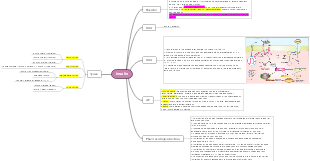
This is a mind map about insulin. Insulin and hypoglycemic drugs are both important means of treating diabetes. Hope this helps!
Edited at 2023-12-12 19:37:52This template, created with EdrawMind, provides a structured workflow for weekly coordination meetings focused on MEP (Mechanical, Electrical, Plumbing) pipeline layout. It follows a four-stage cycle: starting with Issue Identification (Clash Detection) to detect pipeline conflicts, moving to Meeting Agenda preparation to define discussion topics, then On-site Discussion to review and resolve issues on the construction site, and finally Resolution & Update to document solutions and track progress. This template can be reused to standardize MEP coordination processes, ensuring clear communication, efficient problem-solving, and smooth construction progress.

This template, created with EdrawMind, outlines a quarterly checklist for preparing materials for green building certification. It is divided into four sequential quarters: Q1 focuses on Basic Material Preparation, including collecting project approval documents and compiling self-assessment reports; Q2 covers Technical Data Improvement, such as organizing energy consumption calculation books and preparing green construction proof materials; Q3 involves On-site Inspection Preparation, including organizing construction process materials and verifying certification standards; and Q4 is for Formal Application, which includes completing online reporting and cooperating with expert on-site reviews. This template can be reused to systematically prepare for green building certification, ensuring all requirements are met and the process is efficient.
This template, created with EdrawMind, provides a comprehensive framework for daily monitoring of deep foundation pit construction. It covers six key monitoring areas: Retaining Wall Top Displacement, Settlement of Surrounding Buildings, Groundwater Level, Pit Bottom Heave, Support Axial Force, and Data Summary & Analysis. Each section specifies monitoring points, frequency, and warning values to ensure safety. The template can be reused to standardize monitoring practices, track structural stability, and trigger immediate alarms if warning thresholds are exceeded, thus mitigating risks during foundation pit construction.
This template, created with EdrawMind, provides a structured workflow for weekly coordination meetings focused on MEP (Mechanical, Electrical, Plumbing) pipeline layout. It follows a four-stage cycle: starting with Issue Identification (Clash Detection) to detect pipeline conflicts, moving to Meeting Agenda preparation to define discussion topics, then On-site Discussion to review and resolve issues on the construction site, and finally Resolution & Update to document solutions and track progress. This template can be reused to standardize MEP coordination processes, ensuring clear communication, efficient problem-solving, and smooth construction progress.
This template, created with EdrawMind, outlines a quarterly checklist for preparing materials for green building certification. It is divided into four sequential quarters: Q1 focuses on Basic Material Preparation, including collecting project approval documents and compiling self-assessment reports; Q2 covers Technical Data Improvement, such as organizing energy consumption calculation books and preparing green construction proof materials; Q3 involves On-site Inspection Preparation, including organizing construction process materials and verifying certification standards; and Q4 is for Formal Application, which includes completing online reporting and cooperating with expert on-site reviews. This template can be reused to systematically prepare for green building certification, ensuring all requirements are met and the process is efficient.
This template, created with EdrawMind, provides a comprehensive framework for daily monitoring of deep foundation pit construction. It covers six key monitoring areas: Retaining Wall Top Displacement, Settlement of Surrounding Buildings, Groundwater Level, Pit Bottom Heave, Support Axial Force, and Data Summary & Analysis. Each section specifies monitoring points, frequency, and warning values to ensure safety. The template can be reused to standardize monitoring practices, track structural stability, and trigger immediate alarms if warning thresholds are exceeded, thus mitigating risks during foundation pit construction.
Insulin and hypoglycemic drugs
DM
Insulin-dependent diabetes mellitus (type 1) IDDM
Pancreatic beta cell destruction, absolute insulin deficiency
Non-insulin-dependent diabetes mellitus (type 2) NIDDM
90%
Insulin resistance, relative insulin deficiency
Method
First, diet and exercise Secondly, oral hypoglycemic drugs Insulin again
insulin
Not to be taken orally; can be administered intravenously/subcutaneously
Pharmacological effects
Promote fat, glycogen and protein synthesis
Accelerate HR, myocardial contractility, and reduce renal blood flow
Reduce blood potassium levels
Insulin-glucose-potassium synergistically enter cells
mechanism
Insulin binds to the α subunit of the receptor and activates tyrosine protein kinase on the β subunit.
application
Drug of choice for IDDM
Newly diagnosed NIDDM with marked hyperglycemia
NIDDM diet control/oral hypoglycemic drugs are ineffective
DM with acute/severe complications
ketoacidosis
Adequate insulin to correct water and electricity disorders and eliminate the cause of the disease
hyperosmolar nonketotic diabetes
Correct hyperglycemia, hyperosmolarity, and acidosis
Diabetes complicated with severe infection, consumptive type, high fever, pregnancy trauma and other surgeries
Intracellular potassium deficiency, hyperkalemia
GIK polarizing solution: G-insulin-KCl
Preparation classification
Quick effect
regular insulin
Lai Preserved-
intravenous/subcutaneous
Medium effect
Low protamine zinc-
Zinc globin-
Long lasting
Protamine zinc-
subcutaneous administration
single component insulin
high purity
Adverse reactions
Hypoglycemia
The most important and common
Early stage: hunger, sweating, rapid heartbeat, anxiety
Severe: coma, shock, brain damage
Long-acting insulin: headache, mental and movement disorders
method
Lighter: sugar water/eating
Severe cases: ivgtt50% glucose
allergic reaction
Measles, Quincke's edema
animal origin
Switch to human insulin
There are impurities
High purity preparation
Tolerance
Insulin resistance
acute stress
Increase insulin dose
chronic resistance
lipoatrophy
Switch to high-purity insulin
Not allowed for pregnant women
Thiazepsin, strong diuretics, and corticosteroids cannot be used together as they will antagonize
Oral hypoglycemic drugs
Sulfonylureas
Classification
Generation: hypoglycemic
tolbutamide
chlorpropamide
longest
Second generation: hypoglycemic
Glibenclamide (excellent hypoglycemic)
Glipizide (pyrazide)
Third generation: lower blood sugar, improve PLT
Glimepiride
Glezite
Pharmacological effects and mechanisms
Hypoglycemic
Effective for patients with preserved pancreatic islet function
Ineffective for IDDM and pancreatectomy
mechanism
Stimulate the release of insulin from pancreatic islet B cells: intracellular Ca concentration ↑ triggers release
Reduce serum glycogen levels
Increase the binding ability of insulin to target tissues
diabetes insipidus
Glibenclamide, chlorpropamide → antidiuretic But the glomerular filtration rate remains unchanged - the effect of promoting ADH
Effect on coagulation function
Third-generation drugs stimulate plasminogen synthesis
Clinical application
People with type 2 diabetes who still have pancreatic islet function and whose diet control is ineffective
Diabetes insipidus: chlorpropamide
Hydrochlorothiazide can also be used
*Can lower blood sugar in normal people
Adverse reactions
Chlorpropamide → Allergy, gastrointestinal discomfort, jaundice, liver damage
Persistent hypoglycemia: Use with caution in the elderly and those with liver and kidney dysfunction
Biguanides
Lower blood sugar, lower blood lipids, lower body weight
Metformin (methformin), phenformin (phenformin)
mechanism
Promote glucose uptake from fat and reduce gluconeogenesis of glucose in intestinal tissue, inhibit glucagon, etc.
independent of beta cells
Pharmacological effects and mechanisms
No hypoglycemic effect on normal people
Increased sugar intake, decreased sugar absorption
Still effective for diabetic patients with complete loss of pancreatic islet function
Clinical application
Suitable for patients with mild and medium diabetes; can be used for IDDM, NIDDM
Especially suitable for diabetes with obesity, ineffective diet control, and insulin resistance.
Adverse reactions
Can cause lactic acidemia, ketonemia, etc.
Anorexia, nausea, vomiting, abdominal pain, diarrhea, metallic taste in the mouth, hypoglycemia, etc.
Severe liver and kidney dysfunction, severe cardiovascular disease, severe infection, diabetic ketoacidosis, etc. are contraindicated.
insulin sensitizer
Classification
Thiazolidinones (TADs)
Pioglitazone Rosiglitazone Troglitazone
Pharmacological effects and mechanisms
Improve insulin resistance and reduce high blood sugar
Improve fat metabolism disorders
HDL increases, VLDL decreases
Preventing and treating vascular complications of type 2 diabetes
Improve beta cell function
clinical effects
Treat insulin resistance and type 2 diabetes
Adverse reactions
Side effects include drowsiness, muscle and bone weakness, headache, and gastrointestinal symptoms.
Troglitazone: Hepatotoxicity Rosiglitazone: cardiovascular events Pioglitazone: Increases risk of bladder cancer
alpha-glucosidase inhibitor
Acarbose, Voglibose
Competes for glycoside hydrolase in the small intestinal epithelium, slowing carbohydrate hydrolysis and delaying glucose absorption
Reduce the patient’s postprandial blood sugar
Can be used for elderly patients/patients with significantly elevated blood sugar levels after meals
Mealtime blood sugar regulator
Take before meals
Suitable for NIDDM, elderly DM patients, DM nephropathy patients
Suitable for those allergic to sulfonylureas