MindMap Gallery Medical Laboratory Diagnostics - Cerebrospinal Fluid Mind Map
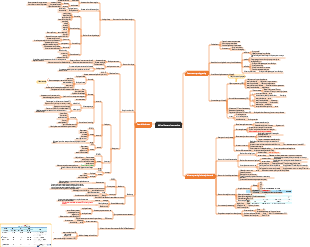
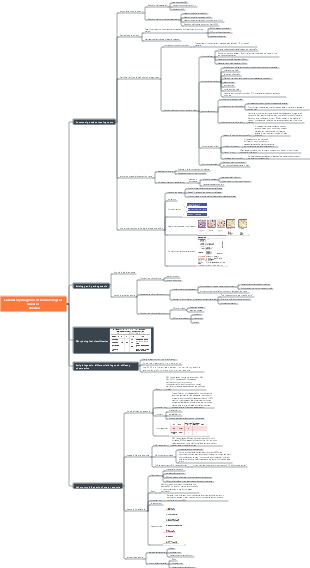
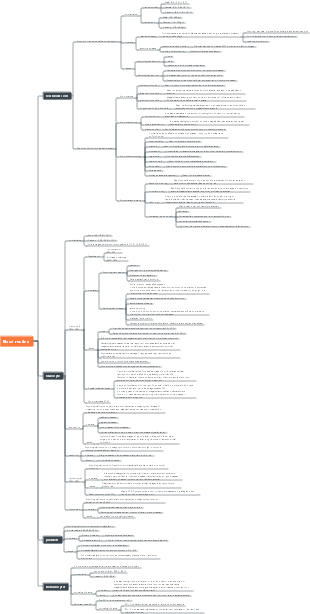
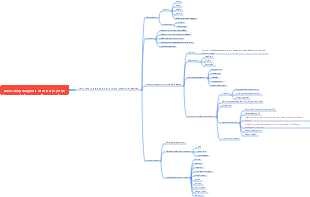
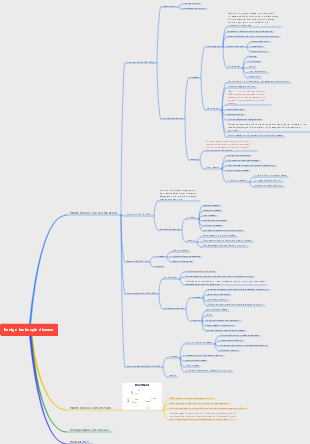
This is a mind map about cerebrospinal fluid, including cerebrospinal fluid microscopy, Cerebrospinal fluid chemical examination, cerebrospinal fluid physical examination, specimen collection and processing, etc.
Edited at 2023-12-10 16:22:18Avatar 3 centers on the Sully family, showcasing the internal rift caused by the sacrifice of their eldest son, and their alliance with other tribes on Pandora against the external conflict of the Ashbringers, who adhere to the philosophy of fire and are allied with humans. It explores the grand themes of family, faith, and survival.

This article discusses the Easter eggs and homages in Zootopia 2 that you may have discovered. The main content includes: character and archetype Easter eggs, cinematic universe crossover Easter eggs, animal ecology and behavior references, symbol and metaphor Easter eggs, social satire and brand allusions, and emotional storylines and sequel foreshadowing.
[Zootopia Character Relationship Chart] The idealistic rabbit police officer Judy and the cynical fox conman Nick form a charmingly contrasting duo, rising from street hustlers to become Zootopia police officers!
Avatar 3 centers on the Sully family, showcasing the internal rift caused by the sacrifice of their eldest son, and their alliance with other tribes on Pandora against the external conflict of the Ashbringers, who adhere to the philosophy of fire and are allied with humans. It explores the grand themes of family, faith, and survival.
This article discusses the Easter eggs and homages in Zootopia 2 that you may have discovered. The main content includes: character and archetype Easter eggs, cinematic universe crossover Easter eggs, animal ecology and behavior references, symbol and metaphor Easter eggs, social satire and brand allusions, and emotional storylines and sequel foreshadowing.
[Zootopia Character Relationship Chart] The idealistic rabbit police officer Judy and the cynical fox conman Nick form a charmingly contrasting duo, rising from street hustlers to become Zootopia police officers!
cerebrospinal fluid
Physiology and pathology of cerebrospinal fluid Cerebrospinal fluid (CSF) The choroid plexus of the ventricles forms a colorless, transparent liquid through active secretion and ultrafiltration, which circulates on the surface of the brain and spinal cord. Newborn 10-60ml Normal adult CSF 90-150ml
Indications and Contraindications Indications: 1. There are signs of meningeal irritation. 2. Intracranial hemorrhage is suspected. 3. Central nervous system tumors are suspected. 4. Unexplained severe headache, convulsions, coma, etc. Nuchal stiffness, loss of consciousness and rash 1. Those with obvious papilledema and signs of cerebral herniation. 2. Shock, heart failure, and endangered patients. 3. Local skin inflammation.
Specimen collection and processing
Collection site Usually lumbar puncture (lumbar puncture), If necessary, puncture from the cerebellomedullary cistern or lateral ventricle, Three layers of meninges in the spinal cavity: dura mater - arachnoid mater - pia mater
Detecting intracranial pressure (Detect of encephalic pressure) Normal adult: lying on side 80-180mmH2O (40-50 drops/min) Abnormalities: Pressure ↑: Meningitis, brain tumors, cerebral edema, cerebral hemorrhage, etc.
Cerebrospinal fluid collection: Collect three tubes, each tube is 1-2ml First tube: chemical or immunological examination Second tube: pathogenic microorganism culture (sterile) Tube Three: General Characteristics and Microscopic Examination 2 Note: If malignant tumor is suspected, Take another tube for exfoliative cytology
Specimens submitted for inspection ①Send for inspection immediately after collection (no more than 1 hour) and do not leave it for too long. ②Can be stored at 2-4℃, generally should not exceed 4 hours
cerebrospinal fluid physical examination
Color: Normal: colorless and transparent Abnormalities: red, yellow, milky white, etc.
red color: ①Intraventricular or subarachnoid hemorrhage ②Bleeding from puncture injury
Yellow (Xanthochromia) ①Old bleeding from intracranial lesions for 5-6 days (Hb↑) ② Subarachnoid space obstruction: such as spinal trauma, tuberculosis, intervertebral disc herniation, etc. (CSF concentration → protein ↑) ③Severe jaundice (bilirubin↑)
Milky white: acute suppurative meningitis, etc.
Colorless: syphilitic neuritis, mild chronic tuberculous meningitis, etc.
Others: green, black
transparency Normal: clear and transparent Abnormality: Turbidity or cloudiness is common in: Tuberculous meningitis (ground glass) Purulent meningitis (pus-like cloudiness)
coagulation Normal: Does not solidify if left standing for 12-24 hours Abnormality: protein >10g/L, rapid coagulation Tuberculosis: Let it sit for 12-24 hours to form a thin film; Transform the brain: let it sit for 1-2 hours to form a clot; Subarachnoid obstruction: CSF is concentrated and solidified like yellow peptone, with protein but low cells, that is, protein-cell separation.
cerebrospinal fluid chemistry test
protein test Normal cerebrospinal fluid contains very small amounts of protein (mostly A, trace amounts of G), which is 0.5% of the plasma protein content. When the BBB is damaged, cerebrospinal fluid protein increases, mostly G.
Reference interval: Qualitative: Negative (Pandy test) Quantitative: Adult lumbar puncture 0.2-0.4g/L
Clinical significance: Protein ↑ is found in ①CNS infectious diseases: encephalitis ↑↑> nodule ↑> disease encephalitis ↑ ②Intraventricular or subarachnoid hemorrhage(↑) ③Subarachnoid obstruction: spinal cord tumors, spinal trauma, etc. (↑↑) ④Intracranial space-occupying lesions: brain tumors (↑↑)
Glucose measurement Normal CSF glucose is 60% of blood glucose
Reference interval for adult lumbar puncture: 2.5-4.4mmol/L (glucose oxidase method)
Clinical significance: 1) Glu↓ is common in: ① CNS infectious diseases: acute brain Glu↓↓, tuberculosis, neoformans meningitis Glu mild↓; ② Intracranial tumors (such as glioma, etc.); ③ Hypoglycemia. 2) Glu↑ is common in: Cerebral or subarachnoid hemorrhage, diabetes, etc.
Chloride determination Due to the low protein content in CSF, in order to maintain the osmotic balance between CSF and plasma, the chloride content in cerebrospinal fluid is higher than that in plasma (↑20%) - Donnan equilibrium
Reference interval: CSF cl-: 120-130mmol/L
Clinical significance: cl-↓ is seen in ①CNS infectious diseases: Tuberculosis ↓↓<Cerebral ↓<Sick brain, brain abscess, etc. (no significant change) ②Blood chloride↓: vomiting, dehydration, diarrhea, etc.
cerebrospinal fluid microscopy
cell counts
Reference interval: RBC: None WBC: Adult (0-8)×106/L Children (0-15) ×106/L WBC classification: Mainly mononuclear cells (lymphocytes, monocytes)
Clinical significance: ①CNS infection: Tumor brain: the total number of cells and WBC↑↑↑, mainly N; tuberculous brain: the total number of cells and WBC↑↑, N and L, plasma cells coexist; diseased brain: the number of cells is light ↑, mainly L Mainly; Cryptococcus neoformans meningitis: cell number and WBC↑↑, mainly L; tuberculosis brain ②Cerebral parasitic disease: E, L↑, plasma cell ↑; ③Intraventricular or subarachnoid hemorrhage: mainly RBC and N↑; ④CNS tumor: WBC is normal or ↑, L mainly, tumor cells can be seen
Cytology test (omitted)
Pathogenic microorganism testing
Bacteria, fungi: Neisseria meningitidis, Gram stain Mycobacterium tuberculosis, film smear acid-fast stain Cryptococcus neoformans: ink stain
Parasites: Neurocystis, Schistosoma, Toxoplasma, etc.