 Wondershare EdrawMind
MindMap Gallery pathology
- 72
pathology
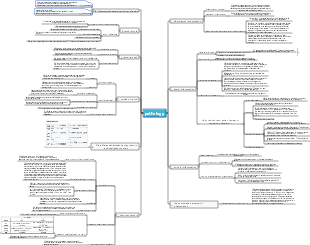
Western Medicine Pathology Tissue Damage and Repair Inflammation Tumors, including adaptation and damage of cells and tissues, damage repair, local blood circulation disorders, etc.
Edited at 2023-12-08 19:22:45
- New Employee First - week Onboarding Plan
Mappa mentale per il piano di inserimento dei nuovi dipendenti nella prima settimana. Strutturata per giorni: Giorno 1 – benvenuto, configurazione strumenti, presentazione team. Secondo giorno – formazione su policy aziendali e obiettivi del ruolo. Terzo giorno – affiancamento e primi task guidati. Il quarto giorno – riunioni con dipartimenti chiave e feedback intermedio. Il quinto giorno – revisione settimanale, definizione obiettivi a breve termine e integrazione culturale.
- Analisi del campo di allenamento inglese
Mappa mentale per l’analisi della formazione francese ai Mondiali 2026. Punti chiave: attacco stellare guidato da Mbappé, con triplice minaccia (profondità, taglio, sponda). Criticità: centrocampo poco creativo – la costruzione offensiva dipende dagli attaccanti che arretrano. Difesa solida (Upamecano, Saliba, Koundé). Portiere Maignan. Variabili: gestione infortuni e condizione fisica dei big. Ideale per scout, giornalisti e tifosi.
- Analisi della lineup francese
Mappa mentale per l’analisi della formazione francese ai Mondiali 2026. Punti chiave: attacco stellare guidato da Mbappé, con triplice minaccia (profondità, taglio, sponda). Criticità: centrocampo poco creativo – la costruzione offensiva dipende dagli attaccanti che arretrano. Difesa solida (Upamecano, Saliba, Koundé). Portiere Maignan. Variabili: gestione infortuni e condizione fisica dei big. Ideale per scout, giornalisti e tifosi.
pathology
- New Employee First - week Onboarding Plan
Mappa mentale per il piano di inserimento dei nuovi dipendenti nella prima settimana. Strutturata per giorni: Giorno 1 – benvenuto, configurazione strumenti, presentazione team. Secondo giorno – formazione su policy aziendali e obiettivi del ruolo. Terzo giorno – affiancamento e primi task guidati. Il quarto giorno – riunioni con dipartimenti chiave e feedback intermedio. Il quinto giorno – revisione settimanale, definizione obiettivi a breve termine e integrazione culturale.
- Analisi del campo di allenamento inglese
Mappa mentale per l’analisi della formazione francese ai Mondiali 2026. Punti chiave: attacco stellare guidato da Mbappé, con triplice minaccia (profondità, taglio, sponda). Criticità: centrocampo poco creativo – la costruzione offensiva dipende dagli attaccanti che arretrano. Difesa solida (Upamecano, Saliba, Koundé). Portiere Maignan. Variabili: gestione infortuni e condizione fisica dei big. Ideale per scout, giornalisti e tifosi.
- Analisi della lineup francese
Mappa mentale per l’analisi della formazione francese ai Mondiali 2026. Punti chiave: attacco stellare guidato da Mbappé, con triplice minaccia (profondità, taglio, sponda). Criticità: centrocampo poco creativo – la costruzione offensiva dipende dagli attaccanti che arretrano. Difesa solida (Upamecano, Saliba, Koundé). Portiere Maignan. Variabili: gestione infortuni e condizione fisica dei big. Ideale per scout, giornalisti e tifosi.
- Recommended to you
- Outline
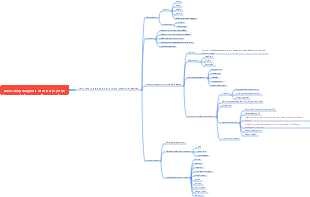
pathology
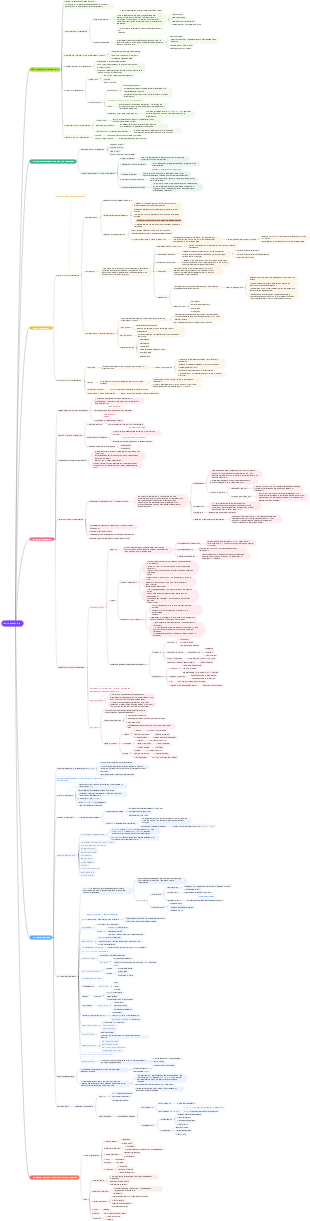
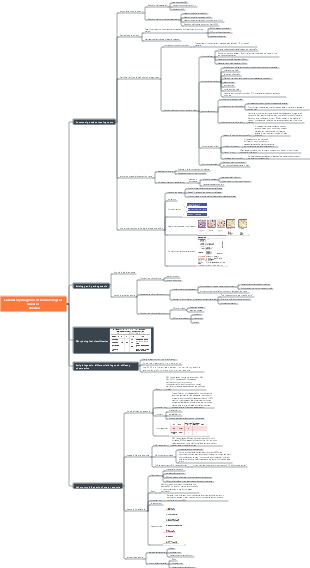
Chapter 1 Adaptation and Damage of Cells and Tissues
Adaptation (non-damaging response)
shrink
Definition: A decrease in the size of normally developed cells, tissues, or organs
type
Physiological atrophy
Thymic atrophy during puberty
Menopausal gonadal atrophy
pathological atrophy
dystrophic atrophy
General dystrophic atrophy (sequence: adipose tissue → skeletal muscle → liver, spleen and kidney → heart and brain)
localized dystrophic atrophy
compressive atrophy
apraxia of atrophy
endocrine atrophy
Denervation atrophy (irreversible disease)
aging and damage atrophy
Pathological changes
naked eye
Reduced volume, lighter weight, darker color
under the mirror
Parenchymal cells decrease, decrease Interstitial cells remain unchanged or even increase
Fat
hyperplasia
Metaplasia
Concept: The process in which one differentiated and mature cell type is replaced by another differentiated and mature cell type.
Features and scope
scope
epithelial tissue, mesenchymal tissue
Features
between homologous cells
transdifferentiation
type
epithelial tissue
Squamous metaplasia
Intestinal metaplasia (chronic atrophic gastritis)
mesenchymal tissue
damage
Degeneration (reversible damage)
concept
After the cells or intercellular matrix are damaged, abnormal substances or normal substances accumulate in the cells or intercellular matrix due to metabolic disorders.
type
Cell edema (cell degeneration)
Mechanism: mitochondrial damage→ATP↓→sodium-potassium pump↓→intracellular Na⁺↑→cell edema
Steatosis (cell degeneration)
Concept: Neutral fat (triglyceride) is accumulated in the cytoplasm of non-adipocytes
Features
Under light microscope: HE staining shows vacuole shape
Special dyeing
Sudan III: orange-red
Osmic acid: black
Oil Red O: Red
Example
Liver (most common)
Fatty liver (marked diffuse hepatic steatosis)
myocardium
Tabby heart (fatty change of myocardium)
renal tubular epithelial cells
hyalinization
Concept: Homogeneous, translucent protein accumulation within cells or interstitium
type
Intracellular hyalinization (cell degeneration)
Reversibility
Hyalinization of fibrous connective tissue (interstitial degeneration)
irreversible
Hyalinization of small arterial walls (plasma protein deposition) (interstitial degeneration)
irreversible
amyloidosis
Myxoid change
pathological pigmentation
pathological calcification
dystrophic calcification
Calcium salt deposition site: necrotic tissue/necrotic tissue/foreign body
Features: Normal calcium and phosphorus metabolism throughout the body
metastatic calcification
Calcium salt deposition site: normal tissue
Characteristics: Abnormal calcium and phosphorus metabolism throughout the body
Death (irreversible damage)
Necrosis
Definition: Necrosis is cell death in local tissues in vivo characterized by enzymatic changes.
Basic lesions
cell nucleus
nuclear pyknosis
nuclear fragmentation
nuclear lysis
cytoplasm
Increased cytoplasmic eosinophilia
Interstitial
Fusion into flaky, fuzzy, structureless matter
type
coagulative necrosis
Caseous necrosis (special coagulative necrosis)
Characteristic changes of tuberculosis
liquefaction necrosis
Fat necrosis (special liquefaction necrosis)
fibrinoid necrosis
Gangrene (secondary)
Concept: Large necrosis of local tissue and secondary infection by putrefactive bacteria, resulting in a type of necrosis with special color changes such as black or dark green.
Classification
dry gangrene
Dry and shriveled
black
clear boundaries
No obvious symptoms of systemic poisoning
wet gangrene
swelling
blue-green
unclear boundaries
Serious infection by putrefactive bacteria
There is a local stench
Obvious symptoms of systemic poisoning
Gas gangrene (wet gangrene)
Feature 1 (Characteristics of wet gangrene)
swelling
blue-green
unclear boundaries
Serious infection by putrefactive bacteria
There is a local stench
Obvious symptoms of systemic poisoning
Feature 2: A large amount of gas is generated
honeycomb
There is a "twirling feeling" when pressed
ending
Dissolve and absorb
Separate discharge
Erosion (superficial), ulcer (deeper) → superficial skin and mucosa
Cavity → internal organs with natural channels connected to the outside world
Sinus tract (blind tube), fistula (multiple outlets) → deep tissue
Mechanization and packaging
Organization: The process by which new granulation tissue grows in and replaces necrotic tissue.
(calcification)
Apoptosis (self-study)
Chapter 2 Repair of Damage
Regeneration (complete restoration)
regenerative potential
Unstable cells (injury/physiology)
Stable cells (damage)
Permanent cells (non-regenerative)
Cardiomyocytes
nerve cells
skeletal muscle cells
Fibrous repair (incomplete repair)
Granulation tissue
Definition: composed of a large number of new thin-walled capillaries and a large number of fibroblasts, containing varying amounts of inflammatory cells
Mechanism (Understanding)
A large number of new CAPs→most are closed, and a few are transformed into small A and small V
Fibroblasts → produce large amounts of collagen fibers
inflammatory cells
Moisture
→Decrease or even disappear
fibrous scar tissue
effect
Anti-infection and wound protection
Fill wounds and other tissue defects
Organize or encapsulate necrotic tissue, thrombi, inflammatory exudates and other foreign bodies
process and ending
Appears 1-2 days after injury
Gradually matures over time (1-2 weeks)
eventually becomes scar tissue
Chapter 3 Local Blood Circulation Disorders
Congestion and congestion
Hyperemia (active hyperemia)
Congestion (passive congestion)
Concept: The venous blood return of local tissues or organs is blocked, and blood accumulates in capillaries and venules, resulting in an increase in venous blood volume, which is called venous congestion, or congestion for short.
Causes of congestion
venous compression
venous lumen obstruction
heart failure
Left heart failure Pulmonary congestion
Right heart failure, systemic congestion
Pathological changes
naked eye
Volume↑
dark red/purple blue
Telangiectasia heat dissipation↑, body surface temperature↓
under the mirror
The small V and Cap are dilated and filled with red blood cells
as a result of
Congestive edema, even congestion bleeding (different degrees of permeability)
Parenchymal cell atrophy, degeneration, and necrosis
Congestive sclerosis
Promote the formation of blood clots
Congestion of the most important organ
pulmonary congestion
Seen in left heart failure
Early stage: pulmonary V and alveolar wall CAP are dilated and congested Accumulation of edema fluid (containing small amounts of RBC) in the alveolar spaces Symptoms: Cough, pink frothy sputum Difficulty breathing
Pulmonary Edema
Chronic pulmonary congestion: alveolar septal thickening and fibrosis Presence of heart failure cells (macrophages that engulf hemosiderin-containing particles)
Brown sclerosis of the lungs
Liver congestion
Seen in right heart failure
Pathological changes
The central vein of the liver lobule and the nearby liver sinusoids are congested and expanded, and the congestion areas of adjacent liver lobules are connected by congestion zones.
hepatocellular steatosis
Liver cells in congestion areas shrink and disappear
naked eye
Congestion area/congestion zone: red
Fat: yellow (vacuoles under the microscope)
Betel nut liver “Chronic liver congestion”
thrombosis
Concept: The process in which blood coagulates in the heart and blood vessels of a living body or the formed components in the blood agglomerate into solid masses.
Conditions and mechanisms of thrombosis
Damage to cardiovascular endothelial cells (endothelial injury)
Changes in blood flow status (blood stasis)
Increased blood coagulability (hypercoagulability)
→Blood flow is slow and vortex is formed
Thrombosis process and thrombus morphology (white head, flower body, red tail)
White thrombus (the head of a persistent thrombus in a vein, firm)
Mixed thrombosis (body of persistent thrombosis in veins)
Red thrombus (the tail of a continuous intravenous thrombus, easy to fall off)
Hyaline thrombus (microthrombus, fibrinous thrombus)
ending
Soften, dissolve and absorb
mechanization and recanalization
Calcification
Effects on the body
profit
Stop bleeding and prevent bleeding
Prevent inflammatory bacteria from entering the blood
Disadvantages
block blood vessels
embolism
Heart valve deformation (white thrombus → granulation tissue → scar)
Extensive hemorrhage (DIC)
embolism
Concept: Abnormal substances that appear in the circulating blood and are insoluble in the blood travel with the blood and block the lumen of the blood vessels.
The path of travel of emboli
Emboli in the right heart and venous system → pulmonary artery system
Embolism in the left heart and arterial system → systemic circulatory system
Emboli in the portal venous system → intrahepatic portal venous system
Types of emboli and their impact on the body
Thromboembolism (99%)
pulmonary embolism
Source: Deep veins of lower limbs (95%)
as a result of
Large emboli → sudden death
Many small emboli→sudden death
A small amount of small to medium emboli → no obvious effect →Hemorrhagic infarction (those with severe congestion in the lungs)
systemic arterial embolism
fat embolism
gas embolism
amniotic fluid embolism
infarction
some concepts
Embolism: necrosis of an organ or local tissue due to blood vessel obstruction and stagnant blood flow leading to lack of oxygen.
Emboli: abnormal material that blocks a blood vessel
type
anemic infarction
forming conditions
dense organizational structure
Insufficient collateral circulation
parts
Heart, brain, spleen, kidney
(Heart and brain: irregular shape, topographic shape; spleen and kidney: triangular, flat shape, vertebral shape)
(Heart, spleen, kidney: coagulation necrosis; brain: liquefaction necrosis)
Features
Infarct focus gray-white anemia
Different shapes (blood supply areas)
Clear demarcation (surrounded by dark red congestion and bleeding bands)
hemorrhagic infarction
Conditions (other than pulmonary embolism)
severe congestion
Loose organizational structure
Organs with dual blood supply or abundant collateral circulation
simultaneously exist
Common parts
Lungs, intestines
septic infarction
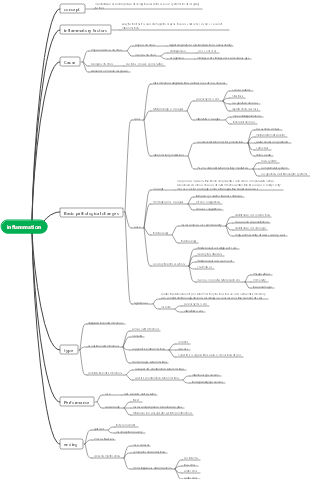
Chapter 4 Inflammation
Section 1 Overview of Inflammation
Concept: refers to the basic pathological process dominated by defense responses produced by living tissues with vascular systems stimulated by various damage factors.
Basic pathological changes
Overview
Deterioration (damage)
Exudation (anti-damage, repair)
Early, acute phase
Proliferation (anti-damage, repair)
Late stage, chronic inflammation
spoil
Definition: degeneration and necrosis of local tissue caused by inflammation
ooze
Concept: The process by which liquid components, cellulose and other proteins and various inflammatory cells in the blood vessels of local inflammatory tissues enter the tissue space, body cavity, body surface and mucosal surface through the blood vessel wall.
The difference between exudate and transudate⭐
Different mechanisms of occurrence
hyperplasia
Concept: Under the action of inflammatory factors, parenchymal cells and interstitial cells in the inflammatory area can proliferate.
Local manifestations and systemic responses of inflammation
local manifestation
Redness, swelling, heat, pain, dysfunction
systemic reaction
a. Fever
b. Increased leukocytes in peripheral blood
c. Proliferation of the monocyte-macrophage system (monocyte-macrophages and their precursor cells)
Has defensive function
d. Solid organ dysfunction
Classification of inflammation
hyperacute inflammation
Time: several hours to several days (or death)
acute inflammation
Time: a few days to a month
Local pathological changes: deterioration, exudation
Infiltrating inflammatory cells are: neutrophils
subacute inflammation
Time: one month to several months
Local pathological changes: both deterioration and hyperplasia are prominent
chronic inflammation
Time: more than a few months
Local pathological changes: hyperplasia
Infiltrating inflammatory cells: lymphocytes, monocytes, plasma cells
Section 2 Acute inflammation
Inflammatory cell infiltration: Inflammatory cells gather in the interstitial spaces of local inflamed tissues.
The role of white blood cells
Phagocytosis
Neutrophils (small phagocytes)
Early, acute phase, purulent inflammation
Macrophages (large phagocytes)
Late stage of acute inflammation, chronic inflammation, granulomatous inflammation
eosinophils
Seen in parasitic infections and allergic inflammation
Immunity
Macrophages
Lymphocytes
Plasma cell
chronic inflammatory cells
tissue damage
Pathological types of acute inflammation
degenerative inflammation
Examples: acute severe hepatitis, diphtheria myocarditis, Japanese encephalitis, amoebic dysentery
exudative inflammation
(1) Serous inflammation
Example: rheumatoid arthritis
(2) Fibrinitis
Mucous membrane
pseudomembranous inflammation
Example: diphtheria, bacillary dysentery
Serosa
Epicardium
epicardial fibrinitis
"Fuzz Heart"
pleura
lung
Seen in lobar pneumonia
(3) Purulent inflammation
Pus cells: degenerated and necrotic neutrophils
Classification
Superficial suppuration and accumulation of pus
Cellulitis (diffuse suppurative inflammation of loose connective tissue)
abscess
Example: meningococcal meningococcal meningitis
(4) Hemorrhagic inflammation
Section 3 Chronic Inflammation
nonspecific proliferative inflammation
General chronic inflammation
inflammatory polyps
specific proliferative inflammation
granulomatous inflammation
Concept: A special type of chronic inflammation characterized by well-defined nodular lesions formed by the proliferation of inflammatory local macrophages and their derived cells.
Example
Tuberculous nodules (tuberculous granulomas)
form
central
caseous necrosis
around
Epithelioid cells, Langerhans cells (macrophages → (Mycobacterium tuberculosis) → epithelioid cells → (caseation necrosis) → Langerhans cells)
Periphery
Lymphocytes and fibroblasts
significance
Diagnostic for tuberculosis
Rheumatoid bodies (rheumatic granulomas)
form
central
fibrinoid necrosis
around
Rheumatoid cells (macrophages → (fibrinoid necrosis) → rheumatoid cells)
Periphery
Lymphocytes and fibroblasts
significance
Diagnostic significance for rheumatism
Chapter 6 Tumor
Tumor shape
Tumor tissue morphology (under microscope)
Essence: general name of tumor cells → main components
Interstitial: non-specific → support and nutrition
Special case
Only parenchyma, no stroma: carcinoma in situ, choriocarcinoma (erodes surrounding vascular tissue, which can lead to bleeding and blood vessel metastasis)
Multiple parenchyma (≥3): Teratoma (stem C)
Similarities and Differences
Differentiation: describes similarity, that is, degree of differentiation ↑ → similarity ↑
⭐Atypia (describing differences): Tumor tissue structure and cell morphology are different to varying degrees from corresponding normal tissues, which is called tumor atypia.
Cell morphology
Pleomorphism of tumor cells
tumor cell nuclear pleomorphism
Changes in the cytoplasm of tumor cells (the pulp is mostly basophilic)
organizational structure
The relationship between substance and stroma
disordered arrangement
Density, level↑
The meaning of heteromorphism
Determine whether it is a tumor
Determine good and bad
Determine the degree of malignancy
Nomenclature and classification of tumors
name
benign tumor nomenclature
Incidence site tissue/cell type “tumor”
Examples: uterine leiomyoma, back subcutaneous lipoma
malignant tumor nomenclature
Carcinoma (malignant tumor of epithelial tissue origin)
Site of occurrence Tissue/cell type “Cancer”
Sarcoma (malignant tumor of mesenchymal tissue origin)
Site of occurrence Tissue/cell type “Sarcoma”
Example: Osteosarcoma of the lower end of the femur
tumor growth and spread
How tumors grow
Expansive growth (the way most benign tumors grow)
Clear boundaries, less likely to relapse
Infiltrative growth (how most malignant tumors grow)
The boundaries are unclear and easy to relapse
Exophytic growth (benign/malignant)
How tumors spread
direct spread (local infiltration)
transfer
Concept: The process in which malignant tumors invade lymphatic vessels, blood vessels or body cavities from the primary site, migrate to other sites, continue to grow, and form the same type of tumor (metastasis).
transfer pathway
Lymphatic channels (the main metastasis route of cancer)
Blood tract (the main route of metastasis of sarcoma)
Plantability
Precancerous lesions
Concept: If certain benign lesions with the potential to become cancerous exist for a long time, patients will have an increased risk of developing corresponding malignant tumors.
Common precancerous lesions
Colorectal adenoma
Breast ductal epithelial atypical hyperplasia
Chronic gastritis and intestinal metaplasia
ulcerative colitis
chronic ulcers of the skin
leukoplakia
dysplasia
Grading
Grade I (light) <1/3
Intraepithelial neoplasia grade I
Level II (medium) 1/3~2/3
Intraepithelial neoplasia grade II
Level III (heavy)>2/3
Carcinoma in situ: involves the entire thickness of the epithelium but does not break through the basement membrane
Intraepithelial neoplasia grade III
Intraepithelial neoplasia: describes the continuum of epithelial progression from dysplasia to carcinoma in situ.
Arguments
cardiovascular system diseases
Atherosclerosis (AS)
Definition: Atherosclerosis is characterized by the formation of atherosclerosis or fibrous plaque in the intima of blood vessels, mainly involving large and medium-sized arteries, resulting in hardening of the wall, narrowing of the official lumen, and weakening of elasticity, causing ischemic changes in the corresponding organs.
Cause
Hyperlipidemia
LDL (ox-LDL)
VLDL
AS-causing lipoproteins
HDL
Anti-AS lipoprotein
Diseases causing secondary hyperlipidemia
hypertension
smoking
The main independent risk factor for myocardial infarction is blood CO↑
other factors
gender
age
genetics
Metabolic syndrome
Predisposed areas
The openings of arterial branches and branches of large and medium-sized arteries and the convex surface of blood vessel bends.
Pathological changes
Basic pathological changes
Fatty lines (fat spots)
Early disease, reversibility
Formation of large amounts of foam cells
fibrous plaque
Fibrous cap → composed of a large amount of SMC and a large amount of extracellular matrix
Atheromatous plaque (atheroma)
Porridge-like material formed by necrosis of foam cells
secondary lesions
Intra-plaque bleeding (ulcer)
plaque rupture
formation of thrombus
Calcification
aneurysm formation
vascular lumen stenosis
Pathological changes of major arteries
Coronary atherosclerosis
Lesion location
Left anterior descending>right main trunk>left main trunk>left circumflex branch
Coronary atherosclerotic heart disease (CHD)
Angina pectoris
Myocardial infarction (MI)
transmural MI
Infarction site (blood supply area)
left anterior descending branch
anterior wall of left ventricle
Apex of heart, anterior 2/3 of ventricular septum
right main trunk
left ventricular posterior wall
Right ventricle posterior 1/3 of interventricular septum
Left circumflex branch
left ventricular lateral wall
subendocardial MI
myocardial fibrosis
sudden coronary death
High blood pressure
Diagnostic criteria
Diastolic blood pressure ≥90mmHg or systolic blood pressure ≥140mmHg
Precautions
resting state
Rule out drug effects
Multiple measurements on different days
Classification
Essential hypertension (hypertension of unknown cause)
90%-95%
Secondary hypertension (symptomatic hypertension secondary to other diseases)
5%-10%
Special types of high blood pressure
Types and pathological changes
benign hypertension
dysfunctional period
Pathological changes
Intermittent spasm of small arteries throughout the body
clinical manifestations
Volatility can return to normal values
No organic disease in blood vessels and internal organs
Arteriopathy stage
Pathological changes
systemic arteriosclerosis
Arteriole
Mechanism: Hyalinization—the most important characteristic
arteriole
Mechanism: Hyperplasia of extracellular matrix
clinical manifestations
lose volatility
May be accompanied by early damage to the heart, brain, kidneys and other organs
visceral disease stage
heart disease
left ventricular hypertrophy
Concentric hypertrophy (compensation phase) → eccentric hypertrophy (decompensation phase) → heart failure
kidney disease
primary granular pyknotic kidney
brain lesions
Cerebral edema and hypertensive encephalopathy
Encephalomalacia
Cerebral hemorrhage (most serious and fatal)
Retinopathy
Arteriosclerosis of the central retinal artery
malignant hypertension
Rheumatism
Concept: It is an allergic disease related to group A beta-hemolytic streptococcus infection. It mainly affects connective tissues and blood vessels throughout the body, often forming characteristic rheumatic granulomas known as Aschoff bodies. The lesions often involve the heart, joints, blood vessels, etc., with heart lesions being the most serious.
Basic lesions
Diseased site: connective tissue throughout the body
Characteristic pathological changes: rheumatic bodies
Deterioration and exudation stage (early, acute stage)
spoil
Myxoid change, fibrinoid necrosis, rheumatic fever
ooze
cells and fluids
Proliferative phase (granulomatous phase)
rheumatic body
Fibrosis stage (hardening stage)
Fibrosis of rheumatic corpuscles forms small spindle scars
Diseases of various organs
rheumatic heart disease
Rheumatic endocarditis (mitral valve > mitral aortic valve)
Eczema (white thrombus)
Rheumatic myocarditis (not the myocardium itself)
Rheumatoid bodies can be seen in the myocardial interstitium (rheumatic cell nuclei are owl-shaped or caterpillar-shaped)
rheumatic epicarditis
Fluffy heart
Rheumatoid arthritis (serous inflammation)
skin lesions
annular erythema (oozing)
Subcutaneous nodules (hyperplasia)
diagnostic
Valvular heart disease (self-study)
Digestive system diseases
peptic ulcer
Concept: It is a common disease characterized by the formation of chronic ulcers in the gastric or duodenal mucosa. More common in adults.
Predisposed areas
Gastric ulcers are mostly located on the lesser curvature of the stomach, and are more common closer to the pylorus, especially in the gastric antrum. It is less common in the fundus of the stomach and the greater curvature of the stomach. (lesser curvature of gastric antrum)
Duodenal ulcers mostly occur on the anterior and posterior walls of the bulb
Pathological changes
naked eye view
The edge of the ulcer is neat, like an incision, and the bottom is flat and clean (difference from tumor)
Under the mirror (from inside to outside/from shallow to deep)
inflammatory exudative layer
necrotic tissue layer
granulation tissue layer
scar layer
complication
(heal)
bleeding
perforation
Pyloric obstruction
Cancer (duodenal ulcers do not become cancerous)
Viral hepatitis (degenerative inflammation)
Concept: It is a common infectious disease caused by a group of hepatitis viruses and characterized by degeneration and necrosis of liver parenchymal cells.
Pathological changes
⭐Degenerative changes in liver parenchymal cells
Cytoplasmic loosening and ballooning
Lytic necrosis
Punctate necrosis (seen in acute hepatitis)
Fragmented necrosis (seen in chronic hepatitis)
Bridging necrosis (seen in moderate to severe hepatitis)
Submassive necrosis (seen in severe hepatitis)
eosinophilia
Eosinophilic necrosis (apoptosis)
exudative lesions
Inflammatory cell infiltration
proliferative lesions
Liver cell regeneration: complete regeneration (nodular regeneration)
interstitial reactive hyperplasia
Small bile duct hyperplasia
⭐Clinical pathology type
normal type
Acute (common) hepatitis
Extensive degeneration and slight necrosis
Chronic (common) hepatitis (course of disease lasts for more than half a year)
mild chronic hepatitis
Portal area inflammation predominates
moderate chronic hepatitis
severe chronic hepatitis
Fragmentary necrosis and bridging necrosis
Heavy duty
acute severe hepatitis
The prognosis is the worst, with rapid, extensive and severe lysis and necrosis of liver cells, and no regeneration of liver cells.
subacute severe hepatitis
There is both extensive necrosis of liver cells and nodular regeneration of liver cells.
Cirrhosis
Concept: Liver cirrhosis is an end-stage liver disease caused by various causes. The basic pathological characteristics of the disease are chronic progressive and diffuse liver cell degeneration and necrosis, intrahepatic fibrous tissue hyperplasia and hepatocyte nodular regeneration. Extensive proliferation of fibrous tissue. The tissue divides the original liver lobules and wraps them into round or nearly round liver cell clusters of varying sizes to form pseudo lobules, causing damage and reconstruction of the liver lobule structure and blood vessels.
Cause
Viral hepatitis (the main cause of liver cirrhosis in my country)
chronic alcoholism
cholestasis
…
Pathological changes
naked eye view
In the early stage, the liver size is normal or slightly enlarged, the weight is increased, and the texture is normal or slightly hard.
In the advanced stage, the liver shrinks in size, weight, and texture. The surface and cut surface appear as nodules that diffuse throughout the liver. The nodules can appear as normal liver color, yellowish brown (hepatocellular steatosis), or yellowish green (cholestasis).
under the mirror
Formation of pseudolobules; The arrangement of liver cells is disordered, and degeneration, necrosis and regeneration of liver cells can be seen; Central veins are often absent, deviated, or have more than two central veins; The pseudolobules are peripherally surrounded by fibrous septa; There are varying numbers of inflammatory cell infiltration and regeneration of small bile ducts in the fibrous septa.
clinicopathological link
⭐Portal hypertension
Chronic congestive splenomegaly, hypersplenism
ascites
formation of collateral circulation
lower esophageal venous plexus
hemorrhoidal venous plexus
Periumbilical and superficial venous network of thoracoabdominal wall
Gastrointestinal congestion and edema
Liver dysfunction
bleeding tendency
protein synthesis disorder
Bile pigment metabolism disorder
Reduced inactivation of hormones
Hepatic encephalopathy (hepatic coma)
urinary tract disease
glomerular disease
physiological knowledge
nephron
glomerulus
capillaries
Endothelial cells
mesangium
mesangial cells
mesangial matrix
glomerulus
Visceral layer cells (podocytes)
parietal cells
renal tubule
Pathological type
⭐Acute glomerulonephritis (proliferative inflammation) (acute diffuse proliferative glomerulonephritis, post-infectious glomerulonephritis, intracapillary proliferative glomerulonephritis)
Pathological changes
Naked view: "Big red kidney" "Flea-bitten kidney"
Under light microscope: proliferation of glomerular capillary endothelial cells and mesangial cells
clinicopathological link
acute nephritic syndrome
changes in urine
Oliguria, anuria (<400, <100)
Proteinuria, hematuria, cast urine
hypertension
Edema
Rapidly progressive glomerulonephritis (rapidly progressive glomerulonephritis, crescentic glomerulonephritis, extracapillary proliferative glomerulonephritis)
Pathological features
glomerular parietal epithelial cell proliferation
Crescent formation
In the early stage, mainly cellular components are called cellular crescents.
Later, collagen fibers increased and transformed into fibro-cellular crescents.
eventually become fibrous crescents
clinicopathological link
rapidly progressive nephritic syndrome
Symptoms such as proteinuria and hematuria rapidly progress to anuria and oliguria
azotemia
acute renal failure
membranous glomerulopathy (membranous nephropathy)
Pathological changes
Naked Eye: "Big White Kidney"
Under light microscope: diffuse thickening of glomerular basement membrane
Clinicopathological connection (⭐ Nephrotic syndrome “three highs and one low”)
massive proteinuria
High degree of edema
Hyperlipidemia, urinary lipids
hypoalbuminemia
Chronic glomerulonephritis (sclerosing nephritis, end renal disease)
Pathological features
under the mirror
Hyalinization and sclerosis of glomeruli
Kidney tubules atrophy or disappear
Interstitial fibrosis with lymphocyte and plasma cell infiltration
Compensatory changes occur in nephrons with less severe lesions, the glomerular volume increases, the renal tubules dilate, and various casts may appear in the cavity.
naked eye
secondary granular pyknotic kidney
clinicopathological link
chronic nephritic syndrome
changes in urine
polyuria
Nocturia
low specific gravity urine
hypertension
anemia
Azotemia/Uraemia
Confines and eliminates damage factors, removes and absorbs necrotic tissues and cells, and repairs damage
Rheumatoid cell nucleus morphology
crosscut
Owl-eye shape
Cut lengthwise
Caterpillar-like
Thrombosis is most likely to occur: veins of lower limbs
early stage of allergic disease
myxoid degeneration
fibrinoid necrosis
The most common type of liver cirrhosis in my country: portal venous
Serous inflammation of the mucosa, also known as catarrhal inflammation
Hematogenous metastasis is most common in the lungs, followed by the liver
pneumonia
Lobular hepatitis (suppurative inflammation)
Lobar pneumonia (fibrinitis)
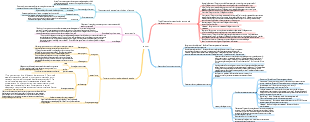
Local blood circulation disorder (mechanism)
blood changes
quantity
↑congestion
↓Ischemia
quality
formation of thrombus
embolism
infarction
blood vessel wall changes
Permeability changes↑
Edema
bleeding
Three steps of liver cancer: viral hepatitis → cirrhosis → liver cancer
foam cells
macrophage-derived foam cells
myogenic foam cells
(Mesenchymal tissue is a term in histology and pathology. It is a general term for the tissues that develop from the mesenchymal differentiation of the mesoderm during embryonic development, such as: connective tissue, adipose tissue, vascular tissue, bone and Cartilage tissue, mucus tissue, lymphatic hematopoietic tissue, striated muscle and smooth muscle tissue, synovium, etc. are all mesenchymal tissues).
Containing "tumor" is not a tumor
atheroma
Aneurysm
ventricular aneurysm