 Wondershare EdrawMind
MindMap Gallery Tourism consumer behavior
- 60
Tourism consumer behavior
The mind map of the "Tourism Consumer Behavior" course includes tourism consumer attitudes, tourism consumer emotions, tourism consumer motivations, etc.
Edited at 2023-12-08 10:00:40
- New Employee First - week Onboarding Plan
Mappa mentale per il piano di inserimento dei nuovi dipendenti nella prima settimana. Strutturata per giorni: Giorno 1 – benvenuto, configurazione strumenti, presentazione team. Secondo giorno – formazione su policy aziendali e obiettivi del ruolo. Terzo giorno – affiancamento e primi task guidati. Il quarto giorno – riunioni con dipartimenti chiave e feedback intermedio. Il quinto giorno – revisione settimanale, definizione obiettivi a breve termine e integrazione culturale.
- Analisi del campo di allenamento inglese
Mappa mentale per l’analisi della formazione francese ai Mondiali 2026. Punti chiave: attacco stellare guidato da Mbappé, con triplice minaccia (profondità, taglio, sponda). Criticità: centrocampo poco creativo – la costruzione offensiva dipende dagli attaccanti che arretrano. Difesa solida (Upamecano, Saliba, Koundé). Portiere Maignan. Variabili: gestione infortuni e condizione fisica dei big. Ideale per scout, giornalisti e tifosi.
- Analisi della lineup francese
Mappa mentale per l’analisi della formazione francese ai Mondiali 2026. Punti chiave: attacco stellare guidato da Mbappé, con triplice minaccia (profondità, taglio, sponda). Criticità: centrocampo poco creativo – la costruzione offensiva dipende dagli attaccanti che arretrano. Difesa solida (Upamecano, Saliba, Koundé). Portiere Maignan. Variabili: gestione infortuni e condizione fisica dei big. Ideale per scout, giornalisti e tifosi.
Tourism consumer behavior
- New Employee First - week Onboarding Plan
Mappa mentale per il piano di inserimento dei nuovi dipendenti nella prima settimana. Strutturata per giorni: Giorno 1 – benvenuto, configurazione strumenti, presentazione team. Secondo giorno – formazione su policy aziendali e obiettivi del ruolo. Terzo giorno – affiancamento e primi task guidati. Il quarto giorno – riunioni con dipartimenti chiave e feedback intermedio. Il quinto giorno – revisione settimanale, definizione obiettivi a breve termine e integrazione culturale.
- Analisi del campo di allenamento inglese
Mappa mentale per l’analisi della formazione francese ai Mondiali 2026. Punti chiave: attacco stellare guidato da Mbappé, con triplice minaccia (profondità, taglio, sponda). Criticità: centrocampo poco creativo – la costruzione offensiva dipende dagli attaccanti che arretrano. Difesa solida (Upamecano, Saliba, Koundé). Portiere Maignan. Variabili: gestione infortuni e condizione fisica dei big. Ideale per scout, giornalisti e tifosi.
- Analisi della lineup francese
Mappa mentale per l’analisi della formazione francese ai Mondiali 2026. Punti chiave: attacco stellare guidato da Mbappé, con triplice minaccia (profondità, taglio, sponda). Criticità: centrocampo poco creativo – la costruzione offensiva dipende dagli attaccanti che arretrano. Difesa solida (Upamecano, Saliba, Koundé). Portiere Maignan. Variabili: gestione infortuni e condizione fisica dei big. Ideale per scout, giornalisti e tifosi.
- Recommended to you
- Outline
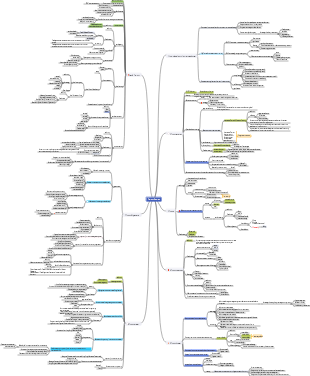
Tourism consumer behavior
1. Introduction to tourism consumer behavior
(1) Concept of tourism consumption behavior
1. Tourism consumption P5~6
1. Product structure and categories purchased by tourists
2. Definition of tourism consumption
Tourism consumption refers to tourists’ consumption in the six aspects of food, accommodation, transportation, shopping and entertainment and other aspects during the entire tourism activity process in order to meet their needs for development and enjoyment.
2. Tourism consumer behavior P7~8
1. Classification
1. Consumer behavior
2. Consumer purchasing decision-making process
2. Definition
Tourism consumer behavior refers to the process by which tourists select and purchase travel products in order to satisfy their needs for travel pleasure and other experiences.
process
1. Demand generated before traveling
2. Decision-making process
3. Consumption in scenic spots
4. Post-purchase evaluation
(2) Characteristics of tourism consumption
1. Characteristics of tourism consumption P8~9
1. Comprehensive
1. Consumption content
Core, travel media products, travel souvenirs
1. Core
Products that satisfy tourists’ aesthetic experience and pleasure when traveling
2. Media
Improve experience
Professional tour guide
3. Travel souvenirs
destination goods
4. Basic tourism consumption
daily needs
transportation, accommodation
2. Consumer objects
Food, accommodation, travel, shopping and entertainment
3. Travel results
Relax physically and mentally; increase knowledge
2. Experience
The sensory experience of the consumption service process, considering the purpose of tourism consumption
3. Timeliness
Temporality, remoteness and synchronicity with production
4. Non-repeatability
non-transferability, non-storability
You have only temporary rights to use travel products; you need to purchase them again after the event ends
5. Flexibility
Non-basic living consumption
1. Income
2. Occupation
3. Age
4. Gender
5. Education level
6. Religious beliefs
7. Personal preference
8. Prices of tourism products
9. The socio-economic development level of tourist destinations
10. Customs and habits
11. International political and economic relations
2. Characteristics of tourism consumer behavior
1. Complex
1. Process
Buy, consume, dispose
2. Behavior
Attitudes, motivations, cognitions, experiences, and the influence of social, economic, and cultural backgrounds
2. Driven by travel motivation
subtopic
(3) History of tourism consumer behavior research
(4) Basic theories of tourism consumer behavior research (roughly understand the content)
1. Economics
2. Psychology
1. General Psychology
2. Social Psychology
1. Individual internal factors
2. Social environmental factors
Social Psychology Master Lewin
3. Consumer Behavior
1. Research paradigm
information processing paradigm
Understand - search - evaluate - purchase - after purchase
empiricist paradigm
Subjectivity and Symbolism of Consumer Behavior
behaviorist paradigm
2. Research model
1. Needs—motivations—behaviors
2. Stimulus - response
4. Sociology and Anthropology
1. Sociology
Social structure, its internal relationships and the laws of social development
2. Anthropology
1. Research methods
Fieldwork
2. Mythology, religion, folklore, folklore
(5) Research methods on tourism consumption behavior
1. Two paradigms
1. Positivism
Emphasizes the supremacy of human reason and believes that there is a single objective truth that can be discovered using science.
2. Interpretivism
Emphasis on the importance of symbolic subjective experience.
2. Two research methods
1. Qualitative research methods
The researcher himself serves as a research tool, using a variety of data collection methods to conduct a holistic exploration of social phenomena in natural situations, using inductive methods to analyze data and form theories, and gaining an interpretive understanding of their behavior and meaning construction through interaction with the research subjects. an activity
1. Advantages
1. Conduct case investigation and in-depth research and analysis on small samples to facilitate understanding of the complexity of things
2. Pay attention to finding the problem of a certain social phenomenon from the perspective of the parties involved, collect information in an open way, and understand the way and viewpoints of the parties involved in looking at the problem.
3. Conduct exploratory research on phenomena familiar to the researcher
4. Pay attention to the natural situations in which events occur, and study life events in natural situations.
5. Pay attention to understanding the dynamic process of the development of things
6. Establishing theory from the bottom up through induction can innovate the theory.
7. When analyzing data, pay attention to the textual nature of the saved data.
2. Disadvantages
1. Not suitable for research on large-scale groups of people or social institutions at the macro level
2. Not good at directly identifying the cause and effect or correlation of things.
3. It is impossible to measure the validity and reliability of the results more accurately than quantitative research.
4. The results of the study are not representative in the sense of quantitative research and cannot be generalized to other locations and groups of people.
5. The data is complex and there is no unified standard for sorting it out, making it difficult to sort and analyze the data.
6. Without unified research procedures, it is difficult to establish quality measurement standards for workers
7. Time-consuming and labor-intensive
2. Quantitative research methods
Quantitative research is a research method that measures and analyzes the quantifiable part of a thing to test some theoretical assumptions of the researcher about the thing.
1. Determine variables with causal relationships
2. Probability sampling to select samples
3. Standardized tools and procedures
3. Advantages of combination
1. Provide more flexibility for research design and solving practical problems
2. Conduct relevant tests on relevant results to improve the reliability of research conclusions.
(6) Significance of research on tourism consumer behavior
1. Service quality
2. Provide basis for marketing strategy
3. Transformation and healthy development of tourism industry
2. Tourism consumer perception
1. Travel consumers’ feelings
1. Definition
The process of nerve impulses generated by the body receptors (senses) of tourism consumers during the entire consumption process that represents the internal and external experiences of the body. (Feelings occur only when there is impulse stimulation)
2. Characteristics of feeling (4 points)
1. Sensitivity
The factors that influence the strength of feelings cannot be felt by others just when they happen. There are certain conditions.
How to set up tourism consumption to maximize consumers’ experience as much as possible.
2. Adaptability
If you smell the fragrance of flowers for a long time, you will become accustomed to its smell, and if you stay in one place for a long time, you will lose interest.
Emphasis on giving tourists a unique feeling
3. Interaction
Color, smell, taste, and the five senses of eyes, ears, mouth, nose, and touch are all related to each other.
When creating tourism consumption, we need to pay attention to giving tourists a multi-sensory experience.
4. Group differences
There are differences among different age, gender, and consumption characteristics groups, and they have different demands for tourism products.
How to divide market segments and design tourism products according to their characteristics
2. Tourism consumer perception
1. Definition
Tourism consumer perception refers to the overall reflection of the tourist's brain on things that directly affect the body's senses during the entire process of tourism consumption.
2. Characteristics (4 points)
1. Selectivity
Bounded rationality theory, consumers will be more inclined to choose a few as the objects of their cognition based on their own experience and preferences. (There is a dazzling array of products, but consumers don’t know which one to choose better)
The design of travel products should not have as many elements as possible, but should consider whether it can capture consumers' attention and make them associate with it.
2. Holistic
For new things, consumers will completely perceive a certain aspect and attribute of the current thing based on past experience and knowledge, and transform it into a whole with a certain structure. The organization of perception
1. Proximity principle
Classification, grouping perceived objects (attractions) that are close in space and time into a group
2. Similarity principle
Classification, grouping those with similar shapes, colors, characteristics, functions, and sizes into groups
Islands, forests, deserts and other tourist destinations
3. Closed principle
Self automatically fills in the blank element content into a whole
subtopic
3. Constancy
The external environment is constantly changing. Even if the information stimulation received changes, people will still make appropriate responses based on past experience. And you are more comfortable in a familiar environment. If there is too much change, you will not be able to handle the information load. Anticipation - A situation in which seeing something happen can predict what will happen next.
Hotels in tourist destinations will intentionally create a familiar home feeling for tourists.
4. Comprehensibility
Use your own knowledge to understand objectively existing things. The more knowledge and experience you have, the more complete and profound your perception will be.
3. Factors influencing tourism consumer perception
1. Objective factors (3 points)
1. Perceive the stimulus intensity of the object
2. Perceive the frequency of occurrence of objects
3. Perceive the variability of objects
2. Subjective factors (4 points)
1. Interest
2. Needs and motivations
3. Emotions
4. Other individual levels
4. Tourism consumers’ perception of consumption factors in tourist destinations
1. Tourist attractions
2. Enter the channel
3. Reception facilities and services
4. Auxiliary services
5. Cultural factors
5. Tourism consumers’ perception of tourism destination conditions
1. Perception of distance
1. Obstacle effect
2. Promotional effect
2. Perception of tourism risks (reasons: intangibility, non-transferability, complexity of tourism products)
1. Financial risk
2. Performance risk
3. Psychological risks
4. Physical risks
5. Social risks
6. Time risk
6. Marketing strategy based on tourism consumers
1. Brand upgrade strategy
It is helpful for potential consumers to have a different perception of tourist destinations than their previous impressions, and even change the stereotypes of mass psychology, thereby affecting their travel behavior.
Change of slogan (most direct)
2. Advertising strategy
1. Definition
Tourism advertising refers to paid, organized, comprehensive, non-personnel information transmission activities funded by relevant government and enterprise departments and disseminated by various related media to tourism products, services and tourism-related information.
2. Classification
1. Communication media
Newspapers, TV, radio, showcases, outdoor, Internet
2. Tourism companies
Travel agencies, hotels, tourist cities, scenic spots, festivals, exhibitions
3. Tourism consumer motivations
1. Tourists’ needs
1. Need
1. Definition
A person's desire or desire for a certain goal.
1. Natural needs
innate
2. Social needs
the day after tomorrow
2. Maslow’s hierarchy of needs theory
1. Physiological needs
2. Safety needs
3. Social needs
4. Need to be respected
5. Self-actualization needs
in
1. The need for knowledge
2. Aesthetic needs
3. Travel needs
1. Definition
It refers to the basic needs that people can meet through tourism, especially spiritual and social needs.
1. Needs of potential tourism consumers
Have travel consumption tendency
2. Travel consumer needs
In the process of tourism consumption
2. The decisive role of travel consumer needs in travel motivations
1. The strength of travel consumer needs determines the strength of travel motivations
2. The type of tourism consumption needs determines the type of tourism motivation.
2. Travel motivation
1. Definition
The psychological motivation that triggers and maintains individual travel behavior and directs the behavior to travel goals is the internal psychological motivation that promotes people to travel.
2. Factors affecting travel motivation
1. Tourism consumers’ perception of tourism objects
Tourism perception is the psychological process of people accepting tourism information. It is affected by the hobbies and personalities of tourism consumers, as well as the influence of information and transmission media.
2. Travel objects that meet consumer needs
Tourism resources, tourism attractions: various things and factors that are attractive to tourists and can be developed and produce economic, social and environmental benefits.
3. Necessary economic conditions and leisure time
Vacation system, paid leave
3. Features
1. Implicit·
Psychological processes are generally difficult to detect. Even tourists themselves may sometimes act due to subconscious influence. It can only be further inferred through behavior, but there is a large error
2. Complexity and multiplicity
Tourists choose to travel for different purposes and motivations, including visiting relatives, relieving boredom, relieving stress, and spending time with friends. Or a combination of several factors at the same time.
3. Directivity
It is specific, closely related to individual behavior, and has corresponding goals and objects.
4. Sharability
Along with the motivation to travel with companions
5. Learning ability
The deeper the understanding of the outside world, the more eager to have more experiences, hoping to learn more knowledge and satisfy one's higher-level needs.
6. Dynamic
Travel goals will change with time and experiences
4. Classic theory of tourism motivation
1. Plog’s tourism motivation theory
1. Polycentric type
adventure
2. Near polycentric type
3. Intermediate type
4. Near egocentric type
5. Self-centered
Self-centered
2. Dane’s tourist motivation theory
push and pull theory
1. Thrust
tourist motivations
1. Escape
2. Self-exploration
3. Relax
4. Reputation
5. Return
6. Close contact with relatives and friends
7. Increase social interaction
2. Tension
Attributes of tourist destinations
Oceans, islands (what tourists can do)
3. McIntosh’s travel motivation theory
1. Good health
2. Culture
3. Communication
4. Status and reputation
5. Escape and seek
5. Influencing factors
1. Internal factors
1. Demographic factors
1. Gender, age
2. Nationality, occupation, education level
3. Family structure and population income
4. Health status
2. Psychological factors
1. Personality
2. Attitude
3. Emotion
4. Values
2. External environment
1. Political factors
2. Social and cultural factors
3. Technical and economic development level
Convenience of travel and transportation, convenience and comfort of travel
6. Stimulation of travel motivation
1. Tourism motivation based on external factors
Resource-Market-Product (RMP)
R (nature, humanities)
Resource characteristics
resource suitability
P analysis
M (number of people, length of stay, satisfaction)
market elasticity
Market potential
P analysis
2. Tourism motivation stimulation based on internal factors (2W2H)
1.2W
1. where to play
where to play
Stimulation of information, dissemination of advertising, motivating potential tourists
Passively receive information and begin to have some interest
2. what to play
playing what
Further deepen tourist motivations
Actively search for more information
2.2H
1. How to plan
how to get to
Gather information and make travel plans
Already confirmed the plan I made before going
2. How to play
How to play
Actual consumption at tourist destinations
Already at the tourist destination, just making some specific corrections based on actual conditions.
7. Marketing methods to stimulate travel motivation (short answer)
1. Event marketing
1. Definition
Tourism companies or tourism administrative departments plan, organize and use people or events with news value, social influence and celebrity effects to attract the interest and attention of the media, social groups and consumers in order to increase the visibility of tourism companies or tourism products. , reputation, establish a good image, and ultimately promote sales means and methods.
2. Typical cases
Tourism and Culture Festival
3. Meaning
Arouse the needs of Xiongan Africa and strengthen tourism consumers’ perception of tourism objects.
2. Implantation marketing
1. Definition
Strategically integrate products or brands and their representative visual symbols and even service content into movies, TV series, and TV programs. Through scene reproduction, the audience can unconsciously leave an impression of the product or brand, thereby achieving the goal of marketing products. destination.
2. Operation mode
1. Scenario-based implantation
The visual symbol of the brand or the product itself is composed of the scene or part of the story in the media content.
After the scenic spot is promoted in the program, a scene that can bring memories to the audience is formed, and this scene is used to attract more tourists.
2. Plot implantation
Flexibly integrate the characteristics of the product into movies and TV series to become an integral part of promoting the development of the storyline, achieving the state of "it is an advertisement but not like an advertisement"
Thai embarrassment
3. Cultural implantation (the highest state of implantation)
Promote its products in a cultural context through cultural penetration
Court drama, Han culture
Forbidden City, cultural and creative...
3. Blog marketing
1. Definition
Reach out to authors and viewers through blog sites or forums, and use bloggers’ personal knowledge for marketing (KOL\KOC marketing)
1. High degree of segmentation and accurate orientation.
2. Strong interactive communication, high degree of trust, and good word-of-mouth effect
3. Guide online public opinion
4. Lower cost
4. Tourism consumer emotions
1. Overview of emotions and emotions
1. Definition
A special form of human reflection on the objective world, a subjective experience of whether objective things meet one's own needs
2. Classification basis
1. Divide according to the intensity, speed and duration of emotion occurrence
1. Mood
1. Temporary state of mind
2. Dominant mood
2. Passion
1. Excitability and impulsivity
2. Shortness of breath
3. Directivity
4. Explicitness
3. Stress
4. Frustration
2. Divide according to the direction and intensity of emotional expression
1. Negative emotions
2. Positive emotions
3. Divide emotions according to their social content
1. Moral sense
2. Sense of reason
3. Aesthetics
3. The polarity of emotions
1. Affirmation and negativity
subtopic
2. Positive and negative
3. Tension and relaxation
4. Excitement and calmness
5. Strong and weak
2. Emotions of tourism consumers
1. Definition of emotions
A special form of reaction of tourism consumers to the objective world during the whole travel process is the subjective experience of tourism consumers on whether objective things meet their own needs.
2. Features
1. Excitability and infectiousness
2. Short-lived multilateralism
3. Stability and volatility
4. Decoration
2. Emotional types and emotional experiences
1. Emotional type
Joy, anger, sorrow and fear
2. Emotional experience (flow)
1.Happiness
2. Anger
3. Sadness
4. Fear
3. Tourism consumers’ emotional types and emotional experiences
1. Definition
2. Emotional type
1. Beauty
An emotional experience of affirmation, satisfaction, pleasure and admiration that occurs when tourists with certain aesthetic views evaluate the beauty of aesthetic objects (tourist landscapes, others and themselves) in tourism activities.
2. Moral sense
Be ethical
satisfaction, pleasure
on the contrary
disappointment
others conform to
Appreciate
on the contrary
condemn, despise
3. Emotional experience
subtopic
4. Factors influencing the emotions of tourism consumers
1. Needs and motivations of tourism consumers
2. Perception of tourism consumers
3. Attribution method
4. Marketing and service strategies based on the emotions of tourism consumers
1. Emotional marketing
1. Definition
Take the personal emotional differences and needs of tourism consumers as the core of the brand marketing strategies of tourism companies and tourism destinations, and achieve the goals of tourism companies and destinations with the help of strategies such as emotional packaging, emotional promotion, emotional advertising, emotional word-of-mouth, and emotional design.
2. How to do emotional marketing well
1. Focus on tourists’ emotional needs and focus on the development of emotional attributes of tourism products
2. Stimulate tourists’ potential emotions and reflect interactivity and participation
3. Explore the beauty of tourism products and cater to tourists’ aesthetic tastes
2. Stimulation of positive emotions among tourism consumers
3. Regulation of negative emotions among tourism consumers
5. Tourism consumer attitudes
1. Overview of tourism consumer attitudes
1. Definition
1. Attitude
Refers to an individual’s stable and lasting psychological tendency consisting of cognitive, emotional and behavioral tendencies towards a specific thing, concept or other person.
three elements of
2. Tourism consumer attitudes
In the process of understanding, contacting and enjoying tourism products and services, tourism consumers have relatively stable and lasting psychological reactions and tendencies towards the tourism experience itself, tourism products and services, tourism enterprises and tourism destinations.
characteristic
1. Objectivity
2. Anti-denaturation
3. Implicit
2. Basic theories on the formation and change of consumer attitudes
1. Formation
1. Learning Theory (Karl Hovland)
1. Information learning
When an individual obtains certain information, it will have an important impact on his or her attitude
2. Emotional transfer
Creating a warm scene of a family on the hotel’s promotional images will more easily influence consumers’ attitudes.
2. Expectancy-Valence Theory
1. The value of a specific result V and the expected generalization P
2. Change
1. Balance theory (Hyde 1958)
Discuss how individuals achieve cognitive balance by changing their least emotional relationships in interpersonal relationships and attitudes towards things.
During the travel process, consumers' attitudes towards products and services are largely influenced by their closest relatives and friends.
2. Cognitive dissonance theory (1962 Festinger)
There are conflicts and contradictions in information that affects one's self, behavior, surrounding environment, etc.
measure
1. Change attitude
2. Increase awareness
3. The importance of changing one’s own perception
4. Change behavior
3. Self-perception theory
Challenges to dissonance theory: Usually one does not understand, or has difficulty in being aware of one's own attitudes, and more infers one's own attitudes through behavior.
4. Persuasion and Attitude Change Model
subtopic
3. Factors influencing tourism consumer attitudes
1. Factors influencing the relationship between tourism consumers’ attitudes and behaviors
1. Strength of attitude
2. Level of specificity of attitude
3. Attitude accessibility
The ease with which attitudes are retrieved from memory
4. Time span
5. Self-awareness
2. Factors influencing tourism consumers’ attitudes toward destinations
1. Types of tourist consumers’ attitudes toward destinations
1. Yearning
2. Expectation
3. Curiosity
4. Avoid
5. Boycott
2. Factors affecting tourism consumers’ attitudes towards destinations
1. Tourist individual factors
2. External environmental factors
3. Destination factors (objective attributes, functions, environment)
4. Strategies to change the attitude of tourism consumers
1. Update tourism products and services and improve the quality of tourism products and services
2. Adopt a flexible pricing strategy
1. Discount and discount pricing strategies
2. Regional pricing strategy
3. Psychological pricing strategy
4. Skimming pricing strategy
5. Penetration pricing strategy
3. Increase tourism consumer activity participation
Experiential Marketing
6. Social environmental factors and tourism consumer behavior
1. Reference group tourism consumer behavior
1. Overview of reference groups
1. Group
1. Group
A collection of interconnected and interactive members
1. Ties
2. Common goals
3. Group awareness and norms
2. Reference group
A group of individuals who are closely related to consumers and can influence their evaluations, expectations and behaviors.
2. Classification of groups
1. According to the composition form
2. According to contact characteristics
3. According to the nature of the impact
4. According to affiliation and influence
2. The influence of reference groups on tourism consumer behavior
1. Information
2. Utility
3. Value expression
2. Social class and tourism consumer behavior
1. Overview of social class
All members of society are divided into social groups that are distinguished from each other in terms of status according to certain hierarchical standards.
Pointed at both ends and wide in the middle (best)
The middle class has a large proportion
2. Tourism consumer groups of different social classes
1. High class
The richest, most powerful, most prestigious
Pursuing high taste and quality (outbound travel)
2. Middle class
Successful people in their respective careers, social acceptability, pay more attention to their own image
Pay attention to experience
3. Lower class
Ordinary workers
Love life and pursue instant gratification
3. Social interaction and tourism consumer behavior
1. Overview of social interaction
Temporary informal parallel communication between individuals is an important way of communication in human society
2. Characteristics and levels of social interactions among tourism consumers
1. Characteristics of social interactions among tourism consumers
1. Beyond utilitarianism
for emotional purposes
2. Singleness of communication relationship
1. Buy and sell
2. Emotional role
It’s up to the tourists themselves
3. Temporary nature of communication
2. Levels of social interaction among tourism consumers
1. Isolated communication
No contact at all
2. Potential sexual intercourse
Tourists begin to understand and have certain expectations, and begin to actively search for more information
3. Symbolic communication
With real contacts, communication with peers, and consultation with local travel service providers
4. Interactive communication
Direct social activities between people
5. Mutual help exchanges
Mutual understanding, support and help
6. Competitive interactions
between tourists, between tourists and destination tourism enterprises, between residents, between tourists and operators
3. Host-guest interaction in tourism experience
1. The behavior of host-guest relationship in tourism experience
1. Behavioral characteristics of communication
1. Transience
2. Time and space restrictions
3. With the development of mass tourism, individuals lack the spontaneity to meet local hosts.
4. The contact between host and guest is usually an unbalanced and asymmetrical process.
2. Conditions for good communication
Communication skills and effective communication
Good social interaction effect
1. Participants have equal status
2. Between the majority group and the minority group with higher status
3. Voluntary
4. Cooperation and close relationships pursue common goals and have certain institutional guarantees
2. The process of host-guest interaction during tourism experience
1. Macroscopic process
life cycle theory
Evolution theory of subject-object relationship
Travel consumer types
Tourism impact theory
Overlay
1. Early development stage
exploration stage
Mainly a small number of explorers, many tourists, harmonious relationship between host and guest
2. Increased development efforts
participation, development stage
With the increase in tourists, local people are accustomed to foreign tourists, and the culture of foreign tourists has an impact on the local area.
3. Develop to a certain maturity stage
consolidation stage
Local people are affected by commercialization, or cannot sustainably obtain more tourists. Local residents cannot make profits, resulting in conflicts between people and land, and anger towards tourists.
4. Unable to make amends
decline stage
Local people resist tourists who are disgusted with visiting the local area, and the local social and cultural system collapses.
2. Microscopic process
Jafari’s travel experience model
1. Preparation stage
Before arriving at the tourist destination, tourists have already developed travel needs, expectations, and expectations.
2. Interaction stage
The communication between the host and the guest involves complex processes such as surface level, deep level, behavior and psychology.
3. Influence stage
Compare and evaluate with past experiences to influence future travel decisions
4. Family and travel consumer behavior
1. Family overview
1. Definition
A group living together formed by marriage, blood, and adoption relationships
2. Classification
1. Core
subtopic
2. Trunk
3. Union
4. Others
2. Family life cycle
1. Concept
subtopic
2. Stage division
1. Youth single period
2. Family formation period
3. Family growth period
4. Children’s education period
5. Family maturity stage
6. Retirement and pension period
3. The role of family members in tourism consumption
1. Advocate
The stimulating stage of travel motivation
2. Influencers
Tourism information collection and plan comparison and selection stage
3. Decision maker
Whether to travel, where to travel, when to travel
travel decision stage
4. Buyer
Actual purchase and consumption stage (remote location)
5. User
actual members used
Factors influencing family tourism consumption
1. Culture and subculture
gender
2. Role specialization
Profession, hobbies
3. Family life cycle
Decision makers at different stages have different situations
4. Personal characteristics
The greater the economic strength, the greater the decision-making power and personal preference.
5. Tourism marketing based on social environmental factors (questions and answers)
1. Tourism marketing based on reference groups
1. Give full play to the celebrity effect of reference groups
2. Expert effect
KOL
3. Ordinary person effect
KOC
2. Tourism marketing based on social class
1. Determine social class variables based on market segmentation
2. Select consumers from a specific social class as the target market
3. Develop the positioning of tourism products among specific target groups
3. Tourism marketing based on social interaction
1. Marketing based on host-guest relationship
1. Show the enthusiasm and hospitable attitude of the residents of the tourist destination
2. Emphasis on social interaction elements and opportunities for tourism enterprises
2. Marketing based on interactions between tourists
Scenic spots, enterprises, and local residents must convey a friendly interactive environment and atmosphere to tourists, provide platforms and conditions for positive interactions between tourists, and effectively avoid the potential for negative interactions.
4. Family-based tourism marketing
1. Identify the family life cycle stage of the target market
2. Identify the influencing factors of tourism consumption behavior in the target market
7. Cultural and economic factors and tourism consumer behavior
1. Culture and tourism consumer behavior
1. Cultural overview
1. Definition
Culture is the sum of spiritual and material wealth created by human beings in the process of social development.
2. Classification
1. In broad sense
The sum of spiritual wealth and material wealth
2. Narrow sense
People’s common social habits, food, clothing, housing, transportation, customs, lifestyles, and behavioral norms
3. Function
1. Integration
shared culture
2. Guidance
Provide direction and options for people's actions
3. Maintaining order
Social norms formed by the accumulated experience of living together
4. Continuation
The next generation identifies with and shares the culture of the previous generation
4. Features
1. Shared
Shared social norms and etiquette
2. Learned
subtopic
3. The foundation of culture is symbolism
The most important thing is language and writing
2. Impact on tourism consumer behavior
1. Perception
2. Motive
3. Emotions
4. Attitude
5. Other behaviors
2. Subculture and tourism consumer behavior
1. Overview of subculture
1. Definition
smaller cultures with different behaviors and beliefs within a larger parent culture
Compared to mainstream culture
2. Impact on tourism consumer behavior
1. The impact of ethnic subculture on tourism consumer behavior
Chinese people are more inclined to go to destinations that are safe, nearby, and less expensive
2. The impact of religious subculture on tourism consumer behavior
motivation
Hindu forbidden beef
conduct on the ground
Tourists must abide by rules and requirements when visiting religious sites
3. Geographic subculture
Eight major cuisines
4. Age subculture
young people, old people
5. Gender subculture
male
adventure
female
cautious
3. Economic conditions and tourism consumer behavior
1. Overview of economic conditions
1. Meaning
Economic status refers to personal and family labor remuneration or other economic income and living consumption expenditures
1. Disposable income
Personal expenses less income tax paid to the government…
2. Residents’ consumption expenditure
All expenditures by residents and households for living consumption and collectively for personal consumption
2. Differences in tourism consumer behavior under different economic conditions
1. Motive
1. Low economic income
backpacker
pursue social interaction
2. High income
Pursue economic value, learning and challenge
2. Perception
Lower salary level, less cultural accumulation, and less perception
4. Tourism marketing based on cultural and economic factors
1. Tourism marketing based on cultural factors
Tourism culture marketing
Tourism cultural marketing refers to a form in which tourism destinations or enterprises infiltrate culture (system, spiritual culture) into the entire marketing process to enhance the added value of tourism products and services to better achieve market exchange.
2. Tourism marketing based on economic factors
Pricing Strategy
discount strategy
membership policy
8. Travel consumer purchasing decisions
1. Overview of travel consumer purchasing decisions
1. Decision-making
2. Tourism consumer purchasing decision-making process model
3. Characteristics of travel consumers’ purchasing decisions
4. Factors influencing travel consumers’ purchasing decisions
2. Travel consumers’ choice of travel destinations
1 Overview
2. Model
subtopic
subtopic
subtopic
3. Marketing based on travel consumers’ purchasing decisions
1. The marketing significance of tourism consumers’ purchasing decisions
2. Marketing strategy mix
1.4P
1. Products
2. Pricing
3. Channels
4. Promotion
2.6P
4P
that power
power
public relationship
public relations
3.11P
1.6P
6
7. Exploration
Probe
8. Split
Partition
9. Priority
priority
10. Positioning
position
11. People
people
9. Tourism consumer experience
1. Overview of tourism consumer experience
1. Connotation
Tourism consumers go to a specific tourist destination to spend time to visit, visit, entertain, learn, feel, and form a personal experience of body and mind.
2. Type
1. Entertainment
2. Education
3. Escape
4. Aesthetics
5. Empathy
Emotional transfer and temporary self-escape
3. Personal importance
1. The importance of experience
Rich experiences help individuals form a correct world outlook, outlook on life, values,
Improve perseverance and confidence
It has a certain role in promoting the growth of personal intelligence.
2. Value and significance
4. Influencing factors
1. Destination culture
2. Travel time
3. Destination activities
4. Travel companion
5. Life satisfaction before travel
6. Modern information and communication technology
2. The impact of tourism experience on tourists
1. Health
2. Study and education
3. Psychosocial development
4. Interpersonal relationships
1. Family
2. Society
3. Tourism experience marketing
1. Definition
Tourism enterprises (scenic spots, destinations) design marketing concepts from the aspects of tourism consumers’ senses, emotions, thoughts, actions and relationships, and use products or services as the fulcrum to stimulate and satisfy the experience needs of tourism consumers.
2. Experience marketing model
1. Entertainment
2. Aesthetics
3. Emotion
4. Theme experience
5. Cultural experience
3. Basic strategy
1. Design a distinct and unique theme
2. Promote travel experience through advertising
3. Marketing methods should highlight tourist participation and strengthen interaction with tourists
10. Tourism consumer satisfaction (omitted)
11. Tourism consumer loyalty (omitted)
12. Cross-cultural comparison of tourism consumer behavior
1. Overview of cross-cultural comparison
1. The main orientation of cross-cultural comparison
1. Necessity
1. Increased global mobility (people, capital, technology and information)
Global multi-centering, the frequency of interactions between people from different cultures increases
2. Different stakeholders in the tourism industry urgently need cross-cultural basic knowledge and theories to support the improvement of actual service quality.
2. Main orientation
1. Ethnographic description
Qualitative research: identifying and comparing different ethnic groups
2. Use of agents
subtopic
3. Direct value judgment
4. Indirect value judgment
2. Hofstede’s six dimensions of culture theory
1. Individualism and collectivism
self-directed
collective oriented
2. Uncertainty avoidance
The degree of acceptance and comfort shown by people from different cultural backgrounds to unclear, uncertain and unpredictable future tenses
Adventure (West), Avoidance (East)
3. Power distance
Power has relatively little acceptance of unfair situations as ordinary
The higher it is, the higher the power distance.
China is a high power power distance society
4. Masculine rigidity and feminine flexibility
Masculine
male dominance
feminine
equality between men and women
5. Long-term and short-term time values
long
Creation of cultural atmosphere
short term
short term goals
6. Laissez-faire and restraint
The extent to which members of society intend to control their desires
indulge
pursue hedonism
constraint
Hedonism is the source of evil
2. Cross-cultural comparison of tourism consumer behavior
1. Cross-cultural comparison of tourism consumer motivations and perceptions
1. Cross-cultural comparison of tourism consumer motivations
2. Cross-cultural comparison of tourist destination image perception
2. Cross-cultural comparison of tourism consumers’ decision-making behavior
1. Cross-cultural comparison of tourism consumers’ information collection channels and behaviors
2. Cross-cultural comparison of tourism consumers’ travel decision-making behavior
3. Cross-cultural comparison of service quality evaluation and behavioral tendencies
4. Cross-cultural comparison of the impact of tourism experience
3. Cross-cultural tourism marketing
1. Definition of cross-cultural marketing
1. Cross-cultural marketing
Enterprises conduct marketing activities in more than two different cultural environments, emphasizing the differentiated management of the cultural backgrounds of both parties (enterprises and customers, distributors, suppliers, etc.)
2. Cross-cultural tourism marketing
Tourism marketing activities carried out by tourism enterprises and tourism destinations in more than two different cultural environments. This marketing activity emphasizes the management of cultural background differences between both parties of tourism consumption (tourist destinations and tourists, tourism distributors).
2. Cross-cultural marketing strategies
1. Cut into cultural values and seek a sense of adaptability
2. Address psychological needs and seek a sense of experience
3. Cut into context differences and seek a sense of tacit understanding
13. Global consumption trends and tourism consumption behavior with Chinese characteristics (omitted)
Important theories that influence tourists’ travel
1. Risk avoidance theory
Function, safety, money, time, society, psychology
2. Bounded rationality theory
1. Memory system
2. Information processing capabilities
3. Attention
4. Perception