 Wondershare EdrawMind
MindMap Gallery Why do we sleep mind map
- 45
Why do we sleep mind map
Two of the most worrying diseases in developed countries are dementia and cancer. Both are associated with sleep deprivation. For brain-centered forms of dementia, sleep deprivation is quickly becoming a key lifestyle factor in determining whether you will develop Alzheimer's disease.
Edited at 2023-12-07 09:13:19
- Valentine's Day marketing campaign
This Valentine's Day brand marketing handbook provides businesses with five practical models, covering everything from creating offline experiences to driving online engagement. Whether you're a shopping mall, restaurant, or online brand, you'll find a suitable strategy: each model includes clear objectives and industry-specific guidelines, helping brands transform traffic into real sales and lasting emotional connections during this romantic season.
- 30 Creative Ideas for Valentine's Day
This Valentine's Day map illustrates love through 30 romantic possibilities, from the vintage charm of "handwritten love letters" to the urban landscape of "rooftop sunsets," from the tactile experience of a "pottery workshop" to the leisurely moments of "wine tasting at a vineyard"—offering a unique sense of occasion for every couple. Whether it's cozy, experiential, or luxurious, love always finds the most fitting expression. May you all find the perfect atmosphere for your love story.
- Milano Cortina 2026 Ice Hockey Schedule
The ice hockey schedule for the Milano Cortina 2026 Winter Olympics, featuring preliminary rounds, quarterfinals, and medal matches for both men's and women's tournaments from February 5–22. All game times are listed in Eastern Standard Time (EST).
Why do we sleep mind map
- Valentine's Day marketing campaign
This Valentine's Day brand marketing handbook provides businesses with five practical models, covering everything from creating offline experiences to driving online engagement. Whether you're a shopping mall, restaurant, or online brand, you'll find a suitable strategy: each model includes clear objectives and industry-specific guidelines, helping brands transform traffic into real sales and lasting emotional connections during this romantic season.
- 30 Creative Ideas for Valentine's Day
This Valentine's Day map illustrates love through 30 romantic possibilities, from the vintage charm of "handwritten love letters" to the urban landscape of "rooftop sunsets," from the tactile experience of a "pottery workshop" to the leisurely moments of "wine tasting at a vineyard"—offering a unique sense of occasion for every couple. Whether it's cozy, experiential, or luxurious, love always finds the most fitting expression. May you all find the perfect atmosphere for your love story.
- Milano Cortina 2026 Ice Hockey Schedule
The ice hockey schedule for the Milano Cortina 2026 Winter Olympics, featuring preliminary rounds, quarterfinals, and medal matches for both men's and women's tournaments from February 5–22. All game times are listed in Eastern Standard Time (EST).
- Recommended to you
- Outline
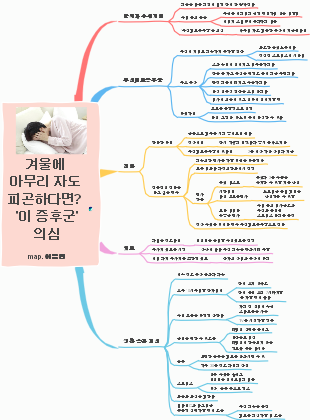

"Why do we sleep?" 》
Part One: Understanding what sleep is takes us to understand sleep
Chapter 1 Understanding Sleep
Why do we sleep?
1. Good for brain and body health
Sleep is incredibly complex and interesting, and has surprisingly close ties to health. Sleep has many functions and provides countless nighttime benefits to our brains and bodies. It seems that all the vital organs in our body or the inner workings of the brain are optimized and improved through sleep. Likewise, they suffer when they don't get enough sleep
2. Improve memory ability
Sleeping in the brain enriches various functions. Including the ability to learn and remember, make logical decisions and choices
3. Good for mental health
Sleep also generously serves our mental health, recalibrating the emotional circuits in the brain so that we can deal with various interpersonal and psychological challenges with composure the next day.
4. Produce dreams
We are even beginning to understand the most mysterious and controversial part of all conscious experience—dreams. Dreams provide a unique set of benefits to all species lucky enough to dream, including humans, including the neurochemical Sapphire, which soothes painful memories and soothes the brain. and providing a virtual reality space where the brain can blend past and present knowledge to inspire creativity
5. Improve immunity
In the body below the brain, sleep replenishes our immune system's armamentarium, helping to fight malignant tumors, protect against infection, and ward off a variety of diseases.
6. Adjust metabolism
Sleep can reset the body's metabolic state by regulating insulin balance and glucose circulation.
7. Control weight
Sleep also further regulates our diet, helping to control weight through healthy food choices rather than reckless urges to overeat.
8. Beneficial for the balance of microorganisms in the intestines
Adequate sleep maintains a thriving microbial community in the gut, from which our nutritional health originates
9. Beneficial to cardiovascular system health
Not only can it lower blood pressure, but it can also keep the heart in good condition. A full night's sleep has beneficial therapeutic effects on the cardiovascular system. During deep NREM sleep, the brain sends shock signals to the sympathetic branch of the body's nervous system responsible for the fight-or-flight response, which continues long into the night. Therefore, deep sleep prevents increases in physiological stress, which can lead to increased blood pressure, heart attacks, heart failure, and strokes
10. Consolidate new memories in the brain
Natural deep sleep helps consolidate new memory imprints in the brain, part of which is strengthening the connections between synapses that make up memory circuits
11. Conducive to improving personal abilities
The surprising impact of sleep on the personal improvement of professionals. Our physical health, mental health, emotional intelligence, memory, athletic ability, learning ability, productivity, creativity, attractiveness, and even appetite, the abilities that make our daytime life rich and colorful, are all inseparable from the sleep we get at night. relation
What are the three elements of health?
sleep
diet
sports
Sleep is the most important of the three elements of health. The physical and mental damage caused by a bad night's sleep dwarfs those caused by a lack of food or exercise.
Chapter 2 Caffeine, jet lag and melatonin, how to control your sleep rhythm?
What factors determine when you want to sleep and when you want to wake up?
1. 24-hour circadian rhythm
Signals from the 24-hour biological clock deep in the brain
2. Adenosine’s sleep stress signal
A chemical that builds up in your brain creates sleep pressure
sleep type
Morning people
Approximately 40% of the total population
night type
Approximately 30% of the total population
The remaining 30% are between morning and evening types, tending to be night people
genetically determined, nonconscious defect
Why do most organisms develop circadian rhythms?
synchronized with the earth
It is to make your body and behavioral activities, whether it is internal activities, such as temperature, or external activities, such as eating, consistent with the daily rotation of the earth on its axis, that is, to form a regular pattern. The orbital mechanics of the sun's appearance during the day and its hiding during the night are synchronized.
While daylight isn't the only signal your brain uses to reset your biological clock, it does so long as it's present. He remains the main and priority signal. The brain also uses food, exercise, temperature fluctuations, and even regular interactions. These signals have the ability to reset the biological clock, which can accurately maintain the 24-hour rhythm
What health problems can a lack of sleep cause?
1. Including depression, anxiety, diabetes, cancer, heart disease and stroke, etc.
2. Schizophrenia, depressive manic depression, major depressive disorder, ADHD, Alzheimer's disease
3. Heart disease, high blood pressure, cardiovascular disease, obesity, dementia, diabetes and cancer have been found to be inextricably linked to lack of sleep.
4. Cancer: breast cancer, prostate cancer, endometrial cancer and colon cancer
5. This book talks about the discovery of sleep disorders and suicidal thoughts and attempts in adolescent research. Now, adolescent sleep problems should be taken seriously by society and parents, rather than suppressed. In particular, suicide is the second leading cause of death after car accidents among young adults in developed countries.
pineal gland
The pineal gland is located between the left and right brains. It is also commonly known as the third eye or heavenly eye. It is only the size of a grain of rice and is a small reddish-brown bean-shaped body. It is located on the top of the third ventricle, so it is also called the honey brain. gland
Video 1-Pineal Gland.mp4
The pineal gland senses and responds to light signals. For example, people feel better, more energetic, and sleep less on sunny days. On the contrary, if you encounter hazy weather with continuous drizzle, you will be depressed, depressed, and sleepy. This phenomenon is exactly what the pineal gland is doing. Because the pineal gland cells are rich in 5-hydroxytryptamine, it is converted into melatonin, a hormone secreted by the pineal gland, under the action of special enzymes. Studies have found that melatonin secretion is restricted by light. Melatonin secretion decreases when exposed to strong light; melatonin secretion increases under dim light. When the melatonin in the human body is high, the mood will be depressed. On the contrary, when the melatonin in the human body is low, the mood will be high when happy events occur. From this point of view, it is not surprising that human emotions are affected by light.
Premonition ability
The pineal gland of modern creatures has degenerated to a certain extent, among which humans are the most degenerated. Animals in nature can respond to natural disasters in advance, but humans are usually unaware of it. Therefore, some people speculate that the pineal gland controls Premonition ability, this ability of humans has deteriorated a lot; some people speculate that the pineal gland can also respond to certain rays based on the fact that the pineal gland can respond to light waves.
Video 2-The pineal gland is the center of enlightenment.mp4
Melatonin (pineal gland) is also called dark hormone and vampire hormone
melatonin production process
Video 3-The use of melatonin is not recommended.mp4
precursor nutrition
Tryptophan (an essential amino acid)
serotonin
serotonin
Melatonin
The synergistic effect of various nutrients
Zinc, magnesium, iron, folic acid, vitamin C
effect
Melatonin's role is to provide formal instructions to initiate sleep, but is not involved in sleep itself
Melatonin itself cannot effectively assist sleep, but has a significant sleep placebo effect.
How does melatonin regulate sleep?
Your SCN relays its day-and-night signals to your brain and body through a circulating messenger called melatonin (the dark or vampire hormone). Under the direction of the suprachiasmatic nucleus. Melatonin begins to rise shortly after dusk and is released into the bloodstream from the pineal gland, located deep in the back of the brain. Melatonin provides a signal to the brain and body that we receive a notification that it is time to go into the night. That is, a biological command that sets the time for sleep.
In this way, melatonin helps regulate the timing of sleep by systematically signaling the entire collective. But melatonin has little effect on the formation of sleep itself
melatonin medication
Principle of action
It triggers an artificial melatonin cycle, simulating natural melatonin peaks, causing the brain to be tricked into believing that it is during the night.
What are the factors that determine wakefulness and sleep?
1. 24-hour circadian rhythm
Your circadian rhythm controls wakefulness and sleep
As you approach your typical bedtime, your circadian rhythm regulates your core body temperature downwards, reaching its lowest point about two hours after falling asleep. However, this temperature rhythm change has nothing to do with whether you are actually asleep. If you were kept awake throughout the night, your core body temperature would still show the same pattern. Although a drop in body temperature helps you fall asleep, your body temperature itself can rise or fall over a 24-hour period, whether you're awake or asleep. This is a classic example of a preprogrammed circadian rhythm. Body temperature is just one of many 24-hour rhythms governed by the suprachiasmatic nucleus; wakefulness and sleep are another
2. Adenosine’s sleep stress signal
The longer you are awake, the more adenosine accumulates and the more you crave sleep.
The chemical adenosine builds up in the brain. The longer you are awake, the more adenosine builds up. One consequence of increased adenosine in the brain is an increased desire for sleep. This is called sleep pressure, the second force that determines when you feel sleepy and when it's time to go to bed.
How to tell if you're getting enough sleep?
1. After waking up in the morning, can you fall asleep again at 10 or 11 am? in the case of. Then you may not be getting enough sleep or your sleep quality is poor
2. Can you stay at your best before noon without consuming caffeine? If not, then you’re probably secretly using caffeine-based drugs to cope with chronic sleep deprivation
Why am I still tired the next day if I get enough sleep?
It could be that you suffer from an undiagnosed sleep disorder. The most common is insomnia, followed by sleep-disordered breathing or. or sleep apnea, which includes snoring
Chapter 3 The Definition and Formation of Sleep
sleep mode
Non-rapid eye movement sleep (NREM)
During non-rapid eye movement sleep: Between sleep stages, there will be periods when your eyeballs are stationary. Your eyeballs are stationary in their own sockets.
Rapid eye movement sleep (REM)
REM sleep: Corresponding rapid eye movement. During certain stages of sleep, the eyeballs will quickly move back and forth from side to side under the eyelids.
During REM sleep, all muscles are paralyzed, preventing the dreamer from performing the actions of the ongoing dream. However, the muscles that control the eyes are not affected by this paralysis. It is through this eye movement phenomenon that this stage of sleep gets its name.
sleep cycle
NREM and REM cycle continuously
Cycle every 90 minutes
Switches back and forth between NREM and REM every 90 minutes
In the first half of the night, most of the time is occupied by NREM
REM sleep dominates in the second half of the night, with almost no NREM
effect
Our neural circuits can be beautifully rebuilt and updated during the night to manage limited storage space in the brain
There are a limited number of neurons and neural connections that store memories. Grassroots capacity is limited. Our brains must find an optimal balance between retaining old information and leaving enough room for new information
Chapter 6 mentioned that a key function of non-rapid eye movement sleep is to eliminate and remove unnecessary neural connections.
In which stage does the main dreaming stage of humans occur?
Rapid eye movement sleep (REM) is also commonly known as dreaming sleep
What is the best evidence for an extended sense of time in REM sleep in humans?
The brain needs a new period of sleep and its different stages each night to automatically update our memory network based on the time of the previous day. This is one reason why NREM and REM sleep alternate and their uneven distribution during the night
Why can't we dream in deep non-sleep and keep track of time unambiguously?
When we sleep, the thalamus (the sensory gate deep in the center of the brain) transmits sensory signals (sound, sight, touch, etc.) to the cerebral cortex, the top part of the brain. By cutting off our sensory connections to the outside world, we not only lose our conscious awareness. It also allows the cerebral cortex to "relax" into its default mode of function - deep slow-wave sleep. It is an active, unhurried, but highly synchronized state of brain activity, almost a nocturnal brain meditation state
Why did evolution dictate that muscle activity be prohibited during REM sleep?
Because by restricting muscle activity, you can't realize your dream experience
Chapter 4 How should we sleep?
What is monophasic sleep and biphasic sleep?
single sleep mode
Trying to get a long sleep at night, the average sleep duration is now less than seven hours
bidirectional mode
refers to sleeping longer at night and then taking a nap in the afternoon
What are the health consequences of giving up bipolar sleep?
1. Cardiovascular diseases
Biphasic sleep can be observed in some napping cultures around the world. The researchers focused on cardiovascular changes, which showed a 37 percent increased risk of heart disease compared with those who took naps during the day. Not taking a nap increases mortality by more than 60%
2. Shortened life span
When we break away from our innate habits of biphasic sleep, our lifespan is shortened
Naturally occurring two-way sleep and healthy eating habits appear to be the keys to longevity. This is a prescription written long ago in the genetic code of our ancestors
Chapter 5 Changes in sleep over the lifespan
fetal period
Sleep changes before birth
1. Before a human baby is born, he spends almost all of his time in a state similar to sleep, and most of the time is similar to REM sleep. The brain of an immature fetus in the womb has not yet developed the muscle-inhibiting system of an adult. However, other deep centers of the fetal brain are already taking shape, including those that produce sleep
2. During the second stage of development (approximately 23 weeks of gestation), most of the neural regulatory devices and switches required to produce non-rapid eye movement and rapid eye movement sleep have been developed and wired.
3. When the fetus enters the end of pregnancy, there will be some real awakening state. They are only awake for 2-3 hours a day in the womb
childhood
Sleep changes in childhood
1. Produce circadian rhythm
The older children get, the fewer sleep periods they have due to the creation of a circadian rhythm
2. Establish and increase neural pathways for the newborn brain
Before and soon after birth, development faces the challenge of establishing and adding numerous neural pathways and interconnections to the newborn brain. REM sleep, during this growth process, helps the brain form neural connections between different areas and activate these pathways
3. The emergence of daily rhythms
After three or four months, newborns develop moderate daily rhythms
4. Two-way sleep mode
By one year of development, infants must be able to capture circadian rhythms in their suprachiasmatic nuclei. At this stage, the child transitions from multiple sleep patterns to bidirectional sleep patterns
REM sleep intensity decreases during first year of life
5. Increased intensity of deep non-rapid eye movement sleep
Deep non-rapid eye movement sleep intensity increases exponentially in middle and late childhood. peaks before puberty and then begins to wane
teenager
Sleep changes during adolescence
1. Remodeling of brain connections
A second round of remodeling of brain connections in late childhood and adolescence, increasing efficiency and effectiveness
2. Neural channels are more stable
During mid-to-late childhood, the final neural development in the brain is being completed
3. Go to bed late and get up late
During adolescence, the time of the SCN gradually shifts backward, and the circadian rhythm determines that they need to go to bed later and get up later.
4. Change to a sober rhythm after adulthood
As adolescent brains continue to develop, their circadian rhythms continue to change, returning to slightly earlier sleep as adults.
Sleep and adolescent psychiatric disorders
Why do schizophrenia, manic depression, major depressive disorder, and ADHD typically appear in childhood and adolescence?
1. The alcohol consumed by the mother will easily pass through the placental barrier, so it will also easily enter the developing fetus. Newborns born to alcohol users spent less time in active REM sleep. Alcohol consumption during pregnancy linked to increased likelihood of children developing neuropsychiatric disorders, including autism
Second, alcohol also reduces the intensity of fetal REM sleep, which takes on the difficult neural construction task of building the side roads of the neural highways that produce thoughts, memories, feelings, decisions and actions. It occupies a large portion of the entire early life period of development, the period when REM sleep is most abundant, and is also the brain's greatest structural period.
Lack of REM sleep has been linked to autism spectrum disorder (autism disorder). Autism, which comes in several different forms, is a neurological disorder that appears early in development, usually around two to three years of age. The core symptom of autism is the lack of social interaction, and the patient cannot communicate or interact smoothly with others
4. One of the causes of autism is that the core of this symptom seems to be inappropriate neural connections in the brain in the early stages of development, especially the formation and number of abnormal synaptic connections in autism. It is common in individuals to have over-connections in some parts of the brain and under-connections in others
People with autism sleep differently than normal people. Infants and young children who exhibit or are diagnosed with autism have abnormal sleep patterns and amounts of sleep. Children with autism also have weaker circadian rhythms than children without autism. Melatonin distribution over a 24-hour period shows only minor fluctuations, rather than a large rise in nighttime concentrations and a rapid decrease in daytime concentrations. Failure in the pruning of brain connections in schizophrenia patients caused by sleep abnormalities is one of the most active and exciting areas of research in mental illness today.
5. As teenagers’ brains continue to develop, they face two other harmful challenges in their struggle to get enough sleep. The first is changes in their circadian rhythms, and the second is the very early start times of school
6. Parents want their children to wake up at a normal time in the morning. But teens can't fall asleep until several hours after their parents put them to bed
They may still be at the trough of their circadian rhythm decline at their normal time in the morning. Teenagers at this point are like an animal awakened from hibernation prematurely. The brain still needs more sleep and more time to complete its circadian cycle before it can function effectively without problems.
Why is rationality the last to emerge among teenagers?
1. Changes in deep non-rapid eye movement sleep always occur weeks or months before cognitive and developmental markers in the brain appear.
2. Deep sleep may be the driving force for brain maturation, not the other way around.
3. The wave pattern of maturation always begins in the back of the brain, where vision and spatial perception are driven, and progresses steadily forward as adolescence progresses.
4. The last stop on the journey of maturity is the frontal lobe, which is where rational thinking and key decisions are made.
At any point during pubertal development, the back of the brain is more adult-like, while the front of the brain is more child-like because it is the last brain region to undergo the modifications of sleep maturation.
Middle-aged and elderly
Sleep changes in middle age and old age
1. Decrease in sleep quantity and sleep quality
2. Decreased sleep efficiency
3. The sleep time is wrong
Core sleep issues that occur with age
What are three sleep problems that affect seniors as they age?
1. The stability of deep non-rapid eye movement sleep in the prime of life in the early 20s does not last long.
The decline in deep non-rapid eye movement sleep begins in the late 20s and early 30s. As you enter your fourth decade of life, the quantity and quality of deep non-rapid eye movement sleep waves decrease significantly. You'll spend less time in deep sleep. In those deep non-rapid eye movement sleeps, the amplitude of brain waves will become smaller, weaker, and fewer in number.
2. Fragmentation
The older we get, the more frequently we wake up during the night. There are many causes for this phenomenon, including the effects of medications and disease. But chief among them is a weakened bladder, so older people go to the bathroom more often at night
3. Changes in Circadian Rhythm
As we age, melatonin is released and peaks earlier in the evening, signaling an earlier time to start sleep. Since melatonin is released earlier and the circadian rhythm is advanced, they have no choice
Causes of sleep decline
Complex patterns of structural brain degeneration that occur with age are found in
1. As we age, the area of the brain that ages most severely is the area that produces deep sleep—the central area of the frontal lobe located above the bridge of the nose. The powerful brain waves of deep NREM sleep are generated in the central area of the brain's frontal lobe, just a few inches above the bridge of the nose.
2. Compared with young people, the deep sleep of the elderly is reduced by 70%.
3. We found that these changes are not independent, but are related to each other. The more this particular central area of the brain's frontal lobe degenerates in an older person, the more deep NREM sleep is reduced.
This confirms that the areas of our brains that produce healthy, deep sleep at night are the earliest and most severe areas to degenerate or shrink as we age.
What is brain atrophy?
As an individual ages, the brain does not degenerate uniformly and synchronously. Instead, some parts of the brain begin losing neurons much earlier than others, a process called atrophy
What factors lead to Alzheimer's disease?
A sticky, toxic protein that accumulates in the brain called beta-amyloid, a key factor in Alzheimer's disease
Part 2: Why We Sleep Describes the benefits of sleep and its disadvantages and fatalities
Chapter 6 The benefits of sleep for the brain
What are the stages of sleep?
light non-rapid eye movement sleep
deep non-rapid eye movement sleep
rapid eye movement sleep
Different times of the night provide different benefits to the brain, and losing sleep from any of them can lead to brain damage
hippocampus
Get to know the hippocampus
The hippocampus is a long, finger-shaped structure hidden deep in both sides of the brain. The hippocampus has two branches, extending into the center of the left and right brain respectively.
The hippocampus provides a short-term storage bank, or temporary information bank, for accumulating new memories. The hippocampus has a limited storage capacity, and if you exceed its capacity, you run the risk of not being able to add more information, or, equally worse, overwriting one memory with another, a condition known as "interfering amnesia" ACCIDENT
Chapter 7 also mentions a movie "Memento"
The protagonist suffered brain damage and suffered intensive amnesia (called in the field of neurology), and from then on no longer produced any new memories. The damaged part of the brain was the hippocampus.
Video 4-Removing the hippocampus does not create new memories.mp4
What is the role of the hippocampus?
Sleep before learning can refresh our ability to initially form new memories
This happens every night. When we are awake, our brains are constantly acquiring and absorbing new information, consciously or unconsciously. These opportunities to transfer memories are captured by specific parts of the brain. For fact-based information—or what most of us think of as textbook learning—a region of the brain called the hippocampus helps make sense of these delivered experiences and bundle their details together
The hippocampus has limited storage capacity, so how does the brain process memory?
Experiments have shown that sleep restores the brain's learning ability and makes room for new memories. The process is—the more sleep spindles you acquire during a nap, the more your learning ability is restored when you wake up.
Analysis of brainwaves from the nap group in the study found that memory recovery was associated with lighter stages of non-rapid eye movement sleep, stage 2, specifically the brief, powerful surges in electrical activity called sleep spindles. Analyzing the surges in sleep spindles revealed a striking pattern of electrical pulse cycles that spread throughout the brain, repeating every 100-200 milliseconds.
Impulses are constantly moving back and forth between the short-term, limited storage space of the hippocampus and the long-term, larger storage location of the cerebral cortex. At this point we learn that a sleep electrical transaction is taking place in the background - moving fact-based memories from the temporary storage warehouse (hippocampus) to the long-term safe vault (cortex). In the process, sleep happily cleans out the hippocampus, freeing up a lot of free space for this short-term information store. When the participants woke up, there was a new space in the hippocampus to absorb new information, and the experiences remembered yesterday were moved to a longer-term safe place. Learning of new information can begin again the next day
Video 5-Hippocampus short-term memory and long-term memory area cerebral cortex.mp4
How does sleep perfect skills?
1. The sleep system identifies difficult transitions in motor memory and corrects them
2. Sleep helps the brain automate action sequences
3. Improvements in speed and accuracy, consolidated by effective automation, are directly related to the amount of non-rapid eye movement stage 2 sleep, especially in the last two hours of the 8-hour sleep
4. Sleep after exercise will accelerate, common and severe physical recovery, stimulate muscle repair, and help replenish cellular energy in the form of glucose and glycogen.
Chapter 7 Sleep Deprivation and the Brain
What are the effects of lack of sleep?
1. Neuropsychiatric diseases
The devastating effects on the brain are associated with many neuropsychiatric conditions such as Alzheimer's disease, anxiety, depression, bipolar disorder, suicide, stroke or chronic pain.
Inadequate sleep during childhood significantly predicted a child's earlier drug and alcohol intake in late adolescence. Between sleep and mental illness, any kind of serious mental illness is associated with abnormal sleep, depression, anxiety, post-traumatic stress disorder (PTSD), schizophrenia and bipolar disorder (once known as manic depressive disorder). ) are all so
2. Influence on physiological system
Causes countless diseases and conditions such as cancer, diabetes, heart disease, infertility, weight gain, obesity and immune deficiencies
3. Impact on concentration
Reaction times slow down. Performance is impaired, alertness and energy levels are reduced, and recovery from sleep deprivation is difficult. Degeneration of brain and body functions can also be clearly observed
4. Serious impact on emotions
In addition to the professional, mental and social impact, emotions affect the brain at a neurological level
Lack of sleep can go from irritable and anxious to unresponsive and sluggish in an instant, and back to an intensely negative state
5. Youth issues
Study in adolescents finds link between sleep disturbance and suicidal thoughts, attempts, and subsequent suicidal behavior
Teen suicide is the second leading cause of death after car accidents. Teenage sleep problems should be taken seriously by society and parents rather than suppressed, especially among young adults in developed countries who commit suicide.
6. Children’s Issues
Lack of sleep has also been linked to problems with aggressive bullying in children of all ages
7. Sleep disorders are recognized signs of addictive substance use
Sleep deprivation also determines relapse rates in many addictions, as does the immeasurable lack of desire for reward controlled by the rational headquarters of the brain's prefrontal cortex.
8. Can cause brain defects and learning disabilities
That is "intensive amnesia". The damaged part of the brain is the hippocampus. This is the very structure that sleep deprivation attacks, preventing your brain from learning new things
9. Weak memory
Memories formed when sleep is deprived are weaker memories that dissipate quickly
10. DNA in brain cells that affects the hippocampus itself and genes related to learning
Lack of sleep is a penetrating, corrosive force that weakens the memory-making apparatus in your brain, preventing you from building lasting imprints.
11. Dementia and Cancer
Dementia and cancer are both linked to sleep deprivation. Sleep deprivation in brain-centered dementia is quickly becoming a key lifestyle factor in determining whether you develop Alzheimer's disease, and sleeping too little in adulthood significantly increases the risk of Alzheimer's disease
amygdala
A structure called the amygdala, located on the left and right sides of the brain, is a key site for triggering strong emotions such as anger and mania. It is also related to the fight or flight response (a term in psychology and physiology that refers to a series of nerves and glands in the human body). response, triggering a stress response that prepares the body to defend, struggle, or escape)
striatum
Above and behind the amygdala, there is a different deep emotional center called the striatum (associated with impulses and rewards, and bathed in the chemical dopamine), which in sleep-deprived individuals responds to rewarding, pleasurable emotions. Experience exhibiting hyperactive reactions. Like the amygdala, heightened sensitivity in these pleasure areas is associated with a loss of rational control from the prefrontal cortex
what is depression
Major depressive disorder is associated with a lack of positive emotions, which is described as anhedonia, the inability to derive pleasure from normal pleasurable experiences.
Sleep disorders and Alzheimer's disease
interconnected
Sleep disorders and Alzheimer's disease interact in a self-fulfilling paraspiral that can trigger and worsen the disease
Action process
Alzheimer's disease is linked to the buildup of a protein called beta-amyloid, which clumps together into sticky clumps or plaques in the brain. Amyloid plaques are toxic to neurons and kill surrounding brain cells
The reason why amyloid plaques affect only some parts of the brain and not others is unclear
Affect location
middle part of frontal lobe
thus affecting deep non-rapid eye movement sleep
New memories cannot be consolidated
Amyloid plaques accumulate in deep sleep areas of the brain
Degeneration of this area of the brain
Deep non-rapid eye movement sleep loss
Reduced ability to clear amyloid
More amyloid deposits
Less deep sleep
vicious circle
Hippocampus (memory relay station) immune to toxic amyloid
Does not affect memory areas of the brain
There are other factors in between
Affect DNA
Affects DNA in brain cells and genes related to learning in the hippocampus itself
The organ that makes memories gradually weakens
Prevents the creation of lasting memories
lymphoid system
Learn about the lymphatic system
Made up of cells called glial cells, named after the body's similar lymphatic drainage system
How to metabolize brain waste
The work of purifying the brain's metabolic waste is accomplished through the cerebrospinal fluid that fills the brain.
During non-rapid eye movement sleep, the size of the brain's glial cells shrinks to 60%, expanding the space around neurons and allowing the cerebrospinal fluid to accurately remove metabolic waste generated by neural activity during the day.
Part of the toxic waste is amyloid
Video 7-Deep sleep metabolism brain garbage.mp4
Chapter 8 Sleep deprivation leads to cancer, heart disease and shorter lifespan
The relationship between sleep deprivation and the body
How does sleep deprivation affect the body?
Cardiovascular diseases
1. Lack of sleep will affect every major system, tissue and organ of the body.
2. The effects of lack of sleep will penetrate into every corner of your physiology, enter your cells, and even change your most basic self-DNA.
3. The shorter the sleep, the shorter the life. Diseases such as heart disease, obesity, dementia, diabetes and cancer have been found to be inextricably linked to lack of sleep
4. Lack of sleep damages all major physiological systems of the human body, including cardiovascular metabolism, immunity, and reproduction.
5. Poor sleep quality will lead to unhealthy heart
6. A slight lack of sleep can easily increase the venous pressure throughout the body, stretching and compressing the blood vessel walls, which is as scary as constricting the blood vessels.
When you don’t get enough sleep, your heart beats faster and the volume flow rate of blood pumped through the vasculature increases, leading to high blood pressure.
In 2017 alone, hypertension claimed the lives of more than 7 million people through heart failure, ischemic heart disease, stroke or kidney failure
7. In addition to a rapid heart rate and increased blood pressure, lack of sleep can further erode those tight blood vessels, especially those that supply blood to the heart, called coronary arteries. Your chances of calcification and hardening of your coronary arteries are greatly increased. Lack of sleep reduces the blood supply to the heart, significantly increasing the risk of coronary heart disease.
8. Lack of sleep. Growth hormone, a great body hormone that normally surges at night, the healer is cut off from in a state of sleep deprivation. Without growth hormone to repair blood vessels called the endothelium, the endothelial tissue and blood vessels gradually wear out and lose their integrity.
9. The high blood pressure caused by sleep deprivation on the vascular system means that you can no longer effectively repair these ruptured blood vessels. At this time, the entire body’s vascular pipelines are weakened due to damage, and they are more likely to develop atherosclerosis and artery blockage. , blood vessels can also rupture, which can act as a trigger, leading to explosive consequences such as subsequent injections, heart attacks, and strokes
Metabolic disease: diabetes and weight
10. Diabetes and weight gain. The less sleep you get, the easier it is for you to eat. In addition, your body becomes unable to manage those calories effectively, especially the concentration of sugar in your blood sugar
11. When you sleep shorter, you gain weight
12. Lack of sleep reduces the concentration of leptin, the hormone that signals satiety, and increases the concentration of ghrelin, the hormone that induces hunger. The result is feeling unsatisfied with food while sleeping too little
13. Lack of sleep increases the levels of endocannabinoids in the blood circulation. Just like smoking marijuana, it stimulates your appetite and increases your desire for snacks, creating a craving. thereby overeating
14. Sleep is a strong metabolically active state for the brain and body. lack of sleep. And when the body's stress-related fight-or-flight nervous system kicks in, it triggers excess cortisol into the circulation, which feeds bad bacteria and corrupts your entire gut flora. Therefore, lack of sleep can prevent the effective absorption of nutrients from all foods and lead to gastrointestinal problems
15. Short sleep duration increases hunger and appetite, impairs impulse control in the brain, increases food consumption, reduces food satisfaction after eating, and prevents effective weight loss when dieting
Reproductive system degeneration
16. Key aspects of the human reproductive system, whether male or female, are affected by sleep. Reproductive hormones and the nature of physical attractiveness that affect reproductive opportunities, all of which are degraded by too little sleep
immune system disorders
17. Increases the probability of contracting various cancers: breast cancer, prostate cancer, endometrial cancer and colon cancer
18. Long-term sleep deprivation will also erode the essence of biological life. Your genetic code and the structures that carry it. Anything that shakes up genetic stability will have consequences. Errors in overexpression or low-level expression of specific genes may lead to the emergence of bioprinted products that increase the risk of disease. such as dementia, cancer, cardiovascular disease, and immune dysfunction.
19. Sleeping too short can also damage the activity of genes that regulate cholesterol. Lack of sleep, in particular, leads to a decrease in high-density lipoprotein, a directional characteristic consistently linked to cardiovascular disease
DNA damage
20. Lack of sleep not only changes the activity and expression of genes, but also attacks the physical structure of your genetic material itself. The less sleep an individual gets, or the poorer the quality of sleep, the more susceptible the telomeres at the top of his chromosomes are to damage.
When you neglect sleep, you decide to genetically engineer yourself every night
How and why too little sleep leads to cancer?
1. Disturbances of the sympathetic nervous system
Because sleep deprivation forces the sympathetic nervous system into overdrive, increased levels of sympathetic nerve activity in the body will cause an unnecessary and sustained inflammatory response in the immune system.
2. Cancer exploits inflammation
For example, some cancer cells attract inflammatory factors into tumors to help blood vessels proliferate and provide more nutrients and oxygen to the tumors.
3. Inflammatory factors promote the spread of cancer
Inflammatory factors associated with sleep deprivation can also be used to carve out a section from where the tumor is, anchoring the cancer. Begins to spread to other areas of the body, a state called metastasis, which is the process by which cancer destroys the initial boundaries of the original tissue and these tumors spread and expand. It is precisely caused by lack of sleep. But when cancer metastasizes (strongly triggered by a state of sleep deprivation) medical intervention is often ineffective and mortality rates gradually increase.
4. Increased risk of cancer development
Immune cells called tumor-associated macrophages are a fundamental cause of the cancerous effects of sleep deprivation. Sleep deprivation reduces the number of a type of macrophage called M1 cells. M1 cells help fight cancer. However, sleep deprivation actually increases the number of another type of macrophage that promotes cancer growth, called M2 cells, and also provides lethal fertilizer for its proliferation.
Part Three: The origin and causes of dreams, from excessive sleep to unconstrained dreams, provides a scientific explanation of dreams
Chapter 9 introduces dreams during REM sleep
At what stage does dreaming occur?
But REM sleep isn’t the only stage of sleep in which we dream. If you define dreaming broadly as any mental activity that can be reported upon waking from sleep, then technically you dream during all stages of sleep. But most people understand dreams—those hallucinatory, dynamic, emotional, and bizarre experiences with rich plots—from REM sleep. Furthermore, many sleep researchers limit their true definition of dreams to processes that occur during REM sleep
What are the surprising changes in brain activity when people enter REM sleep and start dreaming?
Activity in four main modules will intensify
1. The visuospatial area in the back of the brain dominates complex visual perception
2. Motor cortex that initiates movement
3. The hippocampus and its surrounding areas we talked about before, they support your autobiographical memory
4. The brain’s deep emotional center, the amygdala, and the cingulate cortex, a band-like tissue that sits above it and lines the brain’s inner surface, both of which help generate and process emotions.
What are the characteristics of REM sleep?
Activity in brain areas related to vision, movement, emotion and autobiographical memory was very active, while activity in areas controlling rational thinking was relatively reduced
Remains of daylight
Refers to the reappearance of previous waking life events in dreams (residues from the day)
Are dreams an accurate replay of our most recent waking experience?
The conclusions are drawn from dream reports collected through numerous experiments. Dreams are not massive replays of our waking lives. We don’t simply rewind the day’s recorded experience. Replay the projection on the big screen in the cerebral cortex at night, even if there really is such a thing as "day residue". Then he only has a few pitiful drops of rain on our barren land of dreams.
Chapter 10 Dreams as Night Therapy
The role of dreams, or the benefits of REM sleep?
1. Involving the care of our emotional and mental health
①When we dream, key structures in the brain related to emotion and memory are reactivated during REM sleep, including the amygdala, emotion-related areas in the cortex, and the key memory center—the hippocampus.
②During REM sleep, the brain’s chemicals undergo surprising changes. When you enter dreaming sleep, the release of a key stress-related chemical called norepinephrine stops completely in your brain. REM sleep is the only time in a 24-hour day when this anxiety-inducing molecule is completely absent from your brain.
③During REM sleep, the brain reprocesses distressing memory experiences and themes under this neurochemically stable (low norepinephrine concentration) and "safe" dream condition.
④The dreaming state of REM sleep is a perfectly designed nighttime repair balm that can smooth the sharp edges of emotions in our daily lives. Dreams in REM sleep can gently remove emotions from our experiences.
2. In terms of problem solving and creativity, some people can make fuller use of their power by controlling their dreams (the second benefit is in Chapter 11)
Norepinephrine
Norepinephrine, also called norepinephrine, is to the brain what adrenaline is to the body.
post traumatic stress disorder
What symptoms do patients with post-traumatic stress disorder have?
1. The patient’s sleep, especially rapid eye movement sleep, is disrupted
2. The nervous system of patients with post-traumatic stress disorder releases higher than normal levels of norepinephrine.
3. One mechanism that causes post-traumatic stress disorder is that the level of norepinephrine in the brain is too high, which hinders the ability of these patients to enter and maintain normal REM sleep dreams. As a result, the brain is exposed to high levels of stress chemicals, preventing it from stripping away the emotions from traumatic memories at night.
How to treat post-traumatic stress disorder?
It can reduce the level of norepinephrine in the brain of patients with post-traumatic stress disorder during sleep, thereby restoring the correct chemical conditions during sleep, allowing the brain to perform trauma treatment work, and then it should be able to improve the quality of REM sleep. Return to a healthier state
What does Prazosin do and how it works?
Prazosin is an alpha-adrenergic blocker that can be used to treat high blood pressure, anxiety, and panic disorder. It has the effect of inhibiting norepinephrine in the brain. Creating the neurochemical environment in the brain during REM sleep that these PTSD patients have long been lacking reduces the abnormally high concentrations of stress-related norepinephrine in the brain. Prazosin gradually reduces harmful high concentrations of norepinephrine in the brain, giving these patients healthier rapid eye movement sleep and reducing the frequency of repetitive nightmares.
Chapter 11 The Creativity of Dreams and the Control of Dreams
The role of dreams, or the benefits of REM sleep?
1. Creativity
Some people can take greater advantage of their powers when it comes to problem solving and creativity by controlling their dreams.
2. Dreams during REM sleep are the incubators of creativity.
Sleep stimulates understanding; dreaming sleep helps solve problems
3. Take things further
REM sleep dreams not only take things a step further by merging information together in creative ways
4. Create abstract general knowledge and high-level concepts
Rapid eye movement sleep, the ability to create abstract general knowledge and high-level concepts from information sets
5. REM sleep dreams are the alchemy of information
REM sleep provides superb, complementary benefits, mixing elements of memory with each other in abstract and very novel ways. During the dreaming sleep state, your brain mulls over the vast amount of acquired knowledge and extracts overarching rules and commonalities—the key points. We wake up with a modified "thinking network" that can find solutions to problems that were previously unsolvable.
example
①Dmitri Mendeleev’s periodic table of elements
Dmitry Mendeleev's dream on February 17, 1869, which led to the discovery of the periodic table (the sublime ordering of all known elements that make up nature)
②Paul McCartney’s songs
A precious artistic talent born in a dream: Paul McCartney’s songs “Yesterday” and “Let It Be” were both written in a dream
③Writer Mary Shelley’s Gothic novel “Frankenstein”
One night in the summer of 1816, he experienced the most terrifying dream scene in Lord Byron's manor near Lake Geneva - a dream he almost regarded as reality. This dream provided the foundational perspective and description for the situation and narrative of Shelley's compelling Gothic novel Frankenstein
The connection and integration of new knowledge in dreams
How do you understand what you have recently learned, connect it to what you already know, and in this way discover insightful new connections and revelations?
What have I done in the past that might help solve this problem?
REM sleep and dreaming
REM sleep and dreaming attempt to apply what we learned during an experience to other stored memories in our memory.
Lucid dream?
When a person is aware that they are dreaming, they are lucid dreaming, a term often used more colloquially to describe the ability to exercise inhibitory control over the content of one's dreams and manipulate the experience.
Part 4: From sleeping pills to social change, explaining a wide range of sleep disorders, including insomnia
Chapter 12 discusses several sleep diseases from a scientific perspective
Sleepwalking?
refers to a sleep disorder that involves some form of movement
①Sleepwalking
②Talk in sleep
③Eating during sleep
④Sending text messages while sleeping
⑤Sexual behavior during sleep
⑥Very rare murder in sleep
What causes sleepwalking?
Sudden spikes in nervous system activity during deep sleep are a sudden factor, the rise and fall of electrical waves that force the brain to soar all the way from the basement of deep NREM sleep to the penthouse of wakefulness, only to get stuck somewhere in the middle. The person is trapped between the two worlds of deep sleep and wakefulness, in a mixed state of consciousness, neither awake nor asleep. In this chaotic state, the brain will perform basic behaviors that are already familiar to everyone.
insomnia
Symptoms of insomnia?
1. Lack of ability to produce sleep
2. Even though you have enough time to sleep
Therefore, even if patients with insomnia give themselves enough time, they still cannot produce enough sleep quantity and sleep quality.
There are two types of insomnia
1. The first is sleep-induced insomnia and difficulty falling asleep.
2. Secondly, sleep, maintenance insomnia and difficulty in maintaining sleep
How does insomnia occur?
In patients with insomnia, their emotion-generating areas and memory centers remain active, and the basic alertness certificate in the brainstem also stubbornly persists in the awake state. From beginning to end, the thalamus remains active and works as usual in the patient's brain during insomnia. Sleeping pills simply use primitive methods to calm the higher areas of your brain, or cortex.
What causes insomnia?
1. On the one hand, genetic factors
2. Most insomnia is related to non-genetic factors or gene-environment (nature-nurture) interaction
①External factors: For example, bright light at night, inappropriate ambient temperature, caffeine, tobacco and alcohol intake may cause insomnia.
②The two most common causes of chronic insomnia are psychological
psychological distress
1. Emotional distress or worry
2. Depressed mood or anxiety
Biological causes of mood swings
Sympathetic nervous system overactivity
This system causes the body to create annoying fight or flight mechanisms. In our evolutionary past, the sympathetic nervous system activated a rational fight-or-flight response when faced with threats and sudden stress. The physiological consequences of this are increased heart rate, increased blood flow, increased metabolic rate, release of stress substances such as cortisol, and increased brain activation
Fight or flight, long-term sustained activation of the nervous system can lead to countless health problems. Insomnia is one of them
Biological causes of mood swings
How to treat insomnia
1. Drug treatment
sleeping pills
Sleeping pills simply use primitive methods to calm the higher areas of your brain - the cortex.
2. Non-drug treatment methods
current
magnetic force
and auditory stimulation
cognitive behavioral therapy for insomnia
Non-drug treatment methods are more powerful in restoring the natural sleep ability of insomnia patients and can directly target various physiological factors in insomnia mentioned above.
Why does an overactive fight-or-flight nervous system prevent a good night's sleep?
1. Increase in metabolic rate
In people with insomnia, common fight-or-flight nervous system activity triggers an increase in metabolic rate, leading to a higher core body temperature, but the reality is that core body temperature must be lowered several degrees before sleep can begin. Chapter 2 also mentions sleep related to temperature
2. The neurochemical adrenaline increases
are the hormones that increase alertness levels, cortisol, and the homologous neurochemical adrenaline. Elevation of norepinephrine. All three chemicals can increase heart rate. As we progress into light to deep sleep, our cardiovascular system gradually calms down. But active heart activity can make this transition more difficult. All three chemicals increase metabolic rate, which further increases core body temperature, again exacerbating the first problem
3. Changes in brain activity patterns
Also related to these chemicals are changes in brain activity patterns linked to the body's sympathetic nervous system. Activity levels in the parts of the brain associated with emotional stimulation (the amygdala) and those associated with recall (hippocampus) decrease rapidly during sleep, as do basic resolution areas in the brainstem. This is not the case for patients with insomnia. Their emotion-generating areas and memory centers remain active, as does the basic alert center in the brain stem, which stubbornly continues to be awake and alert. From head to tail, the thalamus (the brain's sensory gate that needs to shut down to allow sleep to occur) remains active and working as usual in the insomniac's brain.
Too much sleep
Sleeping more than 9 hours on average increases your risk of death
More sleep does not mean a lower risk of death
Chapter 13: What’s around you that keeps you awake
The influence of modern lighting
Blue LED
1. Artificial light will hinder the release of melatonin, causing the body to pause in time. There's a good chance you won't be able to fall asleep within a reasonable amount of time
2. Another new invention in 1997 is the blue light-emitting diode, referred to as blue LED. Although in terms of reducing energy demand. It has much greater advantages than incandescent lamps. And it lasts longer. But it inadvertently shortens our own lifespans. The photoreceptors in the glasses that cross each other and transmit daytime information are most sensitive to short-wavelength light in the blue spectrum, and this is the most powerful range of blue LEDs.
3. Laptop screens, smartphones and tablets use LEDs, which changes the amount and quality of sleep, and delays the release of neutralizing hormones. And it has had a devastating impact on the lives and education of young people. Because LED devices flood their eyes and brains with powerful blue light
Effects of caffeine and alcohol intake
1. Alcohol is classified as a sedative in the classification of drugs
It binds to receptors in the brain, preventing neurons from firing electrical impulses. In the early stages of alcohol's frightening effects, parts of your brain and your prefrontal cortex are sedated
The prefrontal area of the human brain helps us restrain our impulses and control our behavior. It is this part of our brain that alcohol shuts down in the first place. As a result we relax and become less inhibited and outgoing
2. Similar to a mild anesthesia state
Alcohol will begin to calm down other parts of the brain, and the numbness of drunkenness will begin to spread, making you feel sluggish and more likely to lose consciousness. Sleep under this anesthesia is not sleep. The anesthetic effect of alcohol makes you unconscious, but it does not Induces natural sleep
3. Alcohol fragments sleep
Use brief situations to disrupt your sleep. Sleep after drinking is discontinuous and lacks restorative effects
4. Suppression of rapid eye movement sleep
Alcohol is one of the most powerful substances we know of that suppresses REM sleep. When the body metabolizes alcohol, it produces chemical byproducts called aldehydes and ketones. Aldehydes in particular block the brain's ability to produce REM sleep.
temperature
decrease in temperature
ambient temperature
Ambient temperature, especially the proximal temperature around the body and brain, is perhaps the least appreciated factor in determining how easy it will be to fall asleep later and the quality of sleep you will get. To successfully initiate sleep, your core temperature needs to drop by about 1°C
A slightly cold room will adjust the temperature of your brain and body in a downward direction, helping you fall asleep
core body temperature
The drop in core body temperature is detected by a group of sensitive cells located in the hypothalamus in the center of the brain, near where the 24-hour clock is located in the suprachiasmatic nucleus of the brain. Once core body temperature drops below a hair during the night, heat-sensitive cells quickly send messages to the nearby suprachiasmatic nucleus. Coupled with the natural fading of light, it will notify the suprachiasmatic nucleus and initiate the release of melatonin at night to bring about the sleep command.
Temperature test
An experiment on body-heating pajamas
Pajamas have a complex set of habits inside them that resemble a network of artificial veins. Covers major areas of the body. The straws in each area have independent water injection. Selective slight heating (temperature increase of about 0.5°C) in these areas of the feet and hands will cause local blood vessel dilation, dissipating the heat accumulated in the body and heart. Participants fell asleep within a short period of time
Taking a bath before going to bed can also help you sleep
A hot bath will get your blood flowing to the surface of your skin
A hot bath will get your blood flowing to the surface of your skin, making you look more rosy. When you get out of the bathtub, the dilated blood vessels on the surface of your skin will help you quickly dissipate body heat and cause your core body temperature to plummet, so you can fall asleep faster.
Chapter 14: Side Effects of Sleeping Pills Trying to Use Non-Pharmaceutical Methods to Improve Sleep
sleeping pills
How sleeping pills work
Sleeping pills simply use primitive methods to calm the higher areas of your brain - the cortex.
As alcohol acts on the same system in the brain - receptors that prevent brain cells from rejuvenating - sleeping pills effectively knock out higher-order areas of the cerebral cortex.
What are the dangers of sleeping pills?
1. Inducing defective sleep brainwave quality
The quality of sleep brain waves induced by sleeping pills is defective. The sleep brain waves induced by these drugs lack the largest and latest brain waves.
2. Side effects
There are many harmful side effects, including next-day drowsiness, daytime forgetfulness, and unconscious movements at night.
3. Impact on athletic ability
Slowed daytime reaction times that may affect motor ability (such as driving)
4. Rebound from insomnia
The reason is a dependency
Under the influence of this dependence the brain changes its receptor balance in response to increasing doses of the drug, trying to become slightly more sluggish in order to fight off the foreign chemicals in the brain. Also known as drug tolerance
5. Affect the basic night storage function
Drug-induced sleep impairs this essential nighttime storage function. Natural deep sleep helps consolidate new memory imprints in the brain, part of which is actively strengthening the connections between the prominent connections that make up memory circuits.
6. More susceptible to death and cancer
People who use prescription sleep medications are more likely to die and develop cancer than those who don't. People who use sleeping pills have a higher mortality rate.
7. The infection rate has greatly increased
A common cause of death is higher than normal infection rates. Natural sleep is one of the immune system's most powerful boosters, helping to fight off infection. Another cause of death is the increased risk of fatal car crashes. There is also a higher risk of falls at night. Other adverse effects among prescription sleeping pill users include higher rates of heart disease and stroke
side effect
Video 6-Side effects of sleeping pills.mp4
What causes sleeping pill users to die
1. Higher than normal infection rate
Natural sleep is one of the immune system's most powerful boosters, helping to fight off infection
2. Increased risk of fatal car accidents
3. Higher risk of falls at night
4. Other adverse effects among users of prescription sleeping pills include higher rates of heart disease and stroke.
cognitive behavioral therapy for insomnia
Understanding Cognitive Behavioral Therapy for Insomnia
Built on basic sleep hygiene principles, plus personalized treatments based on the patient's individual issues and lifestyle
method
Methods include
① Reduce caffeine and alcohol intake
② Remove electronic products with screens from the bedroom
③Maintain a cool bedroom temperature
④ Go to bed and wake up at the same time even on weekends
⑤ Go to bed only when you are sleepy and avoid napping on the sofa early in the night
⑥Don’t lie in bed for long periods of time when you are awake. Instead, get up and do some quiet and relaxing activities until you feel sleepy again.
⑦If you have difficulty sleeping at night, avoid taking naps during the day
⑧Reduce anxiety-causing thoughts and worries by learning to relax before going to bed
⑨Do not place a visible clock in the bedroom to prevent anxiety caused by looking at the time at night
Another cognitive behavioral therapy for insomnia
Stay awake for longer periods of time, building up a strong sleep pressure with higher adenosine concentrations
By keeping patients awake for longer periods of time, a strong sleep pressure can be established for higher adenosine concentrations. Under this heavier sleep pressure, patients fall asleep faster and stay in a more stable, solid sleep pattern throughout the night. In this way, patients can regain their psychological confidence in their ability to produce and maintain a healthy, fast and stable night's sleep - the sleep that once deserted them for not just years but months. As patients rebuild their confidence in this area, the amount of sleep they spend gradually increases.
Chapter 15 Sleep and Society
How does sleep deprivation affect the fabric of human society?
1. Sleep in the workplace
Lack of sleep reduces many key abilities required for most jobs
2. Sleep on torture
You can change someone's attitude, behavior, and even strong beliefs by depriving them of sleep
3. Sleep’s impact on the education system
Adolescence is the most vulnerable period for chronic mental illnesses such as depression, anxiety, schizophrenia, and suicidality.
Chronic sleep deprivation caused by starting school too early is particularly concerning. Unnecessarily disrupting a teen's sleep can tip a dangerous tipping point between mental health and lifelong mental illness
School starts continue to start earlier, which is in direct conflict with children's evolutionarily pre-designed sleep needs, preventing them from sleeping soundly in the morning when they are rich in precious REM sleep.
4. Sleep’s role in medical treatment and health care
Nurses and doctors work long hours, especially during residency training
Consequences of resident physician working 30 hours
(1) Residents who worked 30 consecutive hours were 36% more likely to make serious medical errors than those who worked 16 consecutive hours or less
(2) After working for 30 consecutive hours without sleep, residents were astonishingly 460% more likely to make diagnostic errors in the intensive care unit than after getting adequate rest.
(3) One in every 20 residents will die of a patient due to lack of sleep.
(4) Medical errors are the third leading cause of death among Americans, after heart attacks and cancer.
(5) Young doctors themselves may become part of the mortality statistics. One statistic is drowsy driving. Driving while fatigued after a long workday increases the risk of a motor vehicle accident by 168%.
(6) Senior medical professors and attending doctors will also suffer from the same medical technology failure due to lack of sleep, and the risk of surgical operations will increase by 170%.
Chapter 16: New concepts of sleep in the 21st century: What can we do to improve sleep?
How can we change sleep?
1. Personal changes
passive change
explain
Without any active effort, people can fall asleep faster, increase total sleep time, and even enhance the quality of non-rapid eye movement sleep for all family members.
method
1. Use technological advantages
Operating principle
Within the next three to five years, the authors are confident that there will be affordable, marketable devices capable of accurately tracking an individual's sleep and circadian rhythms. It will then be possible to combine these personal sleep trackers with innovations in home connected devices such as thermostats and lighting.
Two possibilities for using technology to change
①First, such a device could tell how well family members slept in each bedroom, comparing it to the bedroom temperature detected by the thermostat. By using common machine learning algorithms, we can teach home thermostats to intelligently determine the optimal temperature for the occupants of each bedroom based on biophysiological results calculated by sleep trackers. When there are two or more people in a room, it may be necessary to calculate an average. Of course, there are many different factors that determine whether you sleep well or poorly, but temperature is definitely one of them
②Second, we can write a program that follows natural circadian rhythms so that the temperature rises and falls throughout the night in line with each person's body expectations, rather than the constant nighttime temperature that most homes and apartments have. Over time, we can intelligently tailor the sleep temperature environment to the circadian rhythms of different bedroom occupants, saying goodbye to the constant standard home temperature that does not help sleep and plagues most people's sleep. environment
2. Involving electric lights
blue LED light
Influence principle
Blue LED light, these electronic lights at night, suppress the release of melatonin and delay our sleep time
solution
For example, LED light bulbs are designed with filters that can adjust the wavelength of the light, ranging from warm yellow light that has less impact on melatonin, to blue light that strongly suppresses melatonin.
Operating process principle
Personalized sleep vision
We can install these new light bulbs in our homes, all connected to smart home networks, and paired with sleep trackers that accurately represent personal biorhythms. The lightbulb will be instructed to gradually filter out harmful blue light from your home based on an individual's (or a group of individuals') natural sleep-wake patterns. Smart systems can even dynamically and appropriately change lighting as individuals move from room to room.
Likewise, when there is only one person in a room, the intelligent system can deftly adjust based on the average biophysiology of all the people in the room. In this way, by measuring the user's brain and body conditions through wearable devices and uploading them to the smart home network, light adjustment can be coordinated to help melatonin release rather than hinder the release, thereby improving the health of individuals or all people. Optimal regulation of sleep
Take the initiative to change
explain
Individuals are required to actively participate in change. There are several proactive solutions that can make a real difference to your sleep
method
1. Let people know more about sleep
Participating in lectures or TV shows by reading data can help combat our sleep deprivation
2. A method known for transforming healthy new habits into a permanent lifestyle
Let you know your data at all times
Research on cardiovascular disease is a good example. Use tools to monitor improvements in physical health resulting from an exercise program. Through continuous follow-up and observation of experimental subjects, it will be seen that most of them still maintain these positive changes in lifestyle and behavior.
3. Shift from analytical methods to forward-looking predictive analysis
For example, create a predictive analytics application that predicts the impact of lack of sleep on appearance, as well as internal brain and body health. People can be shown to have an increased (although not conclusive) risk of developing Alzheimer's disease or certain cancers if they continue to sleep too little
2. Changes in education
Sleep has absolutely no place in our children’s education
1. Diet, exercise, and health-related education seem to be included in the global education received by most children in developed countries.
2. Sleep has absolutely no place in our children’s education. Generations of young people still don’t understand the immediate and long-term health consequences of sleep deprivation.
3. The author hopes to cooperate with the World Health Organization to develop a simple education module that can be implemented in schools around the world. He can transform into multiple forms based on different age groups
(1) An animated short film that can be viewed online, a food or digital board game
(2) A virtual scene that can help you explore the mysteries of sleep
Target
①It is to change the lives of this generation of children
Allow them to pass on healthy sleep values to their children by increasing sleep awareness and developing better sleep habits
② Have a longer healthy lifespan
Midlife and later life will no longer be plagued by the diseases and symptoms we know are caused by chronic sleep deprivation
3. Organizational changes
1. Sleep investment will be returned in various forms, including productivity, creativity, work enthusiasm, energy, efficiency, and happiness.
2. Medical related
Reduce pain sensitivity
The less sleep you get or the more fragmented your sleep is, the more sensitive you will be to various types of pain. Sleep appears to be a natural analgesic, without which the brain is more acutely aware of pain
Reduce medication dosage and strengthen immune system
Improving patients' sleep conditions can not only reduce medication doses but also strengthen their immune systems. Hospitalized patients may fight infection more effectively and speed wound healing after surgery
4. Public policy and social changes
public information campaign
At the highest level, we need better public information campaigns to educate people about sleep. Transforming an entire society from the highest levels is neither trivial nor easy. However, we can borrow proven methods from other health fields to improve society’s sleep standards
Solutions to improve patient sleep
1. Let doctors realize the importance of sleep
Physicians, nurses, and hospital administrators must be educated on the science and art of healthy sleep to help them realize the importance we pay to our patients’ sleep
2. Arrange assessment according to patient’s sleeping habits
We can also ask the patient about their normal sleep schedule on the standard admission form and then schedule assessments and testing based on their habitual sleep and wake rhythms whenever possible.
3. Provide patients with earplugs and eye masks
Provide patients with earplugs and eye masks when they first enter the ward
4. Adjust lighting tools
Using dim, non-LED lighting at night and bright lighting during the day will help patients maintain a strong circadian rhythm, resulting in a clear sleep-wake pattern
Appendix: Twelve rules for healthy sleep
Video 8 - Several suggestions for solving insomnia.mp4
Stick to a regular sleep schedule. Go to bed at the same time and wake up at the same time every day
Exercise makes sense, but don’t do it too late in the day
Avoid caffeine and nicotine
Avoid alcoholic beverages before bed
Avoid large amounts of food and drinks late at night
Try to avoid medications that delay or disrupt sleep
Don't take a nap after 3 p.m. This may make it more difficult to fall asleep at night
Relax before bed. such as reading or listening to music
Take a hot bath before going to bed
Keep your bedroom dark, cool and free of any electronics
Get some exposure to the sun, as sunlight is key to regulating your daily sleep patterns. Dim indoor lights before bed
Don't lie in bed while you're awake