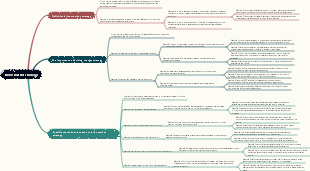
MindMap Gallery Drive market strategy
Regarding market research, target analysis, competition analysis, positioning strategy, product development, marketing, sales channels, pricing strategy, sales forecast and market monitoring, etc., it can be summarized as: comprehensive market information, analysis of targets and competitive environment, and determination of product positioning and develop strategies, implement marketing and sales channel strategies, formulate pricing strategies, and monitor market performance to forecast sales.
Edited at 2022-10-24 09:26:29This Valentine's Day brand marketing handbook provides businesses with five practical models, covering everything from creating offline experiences to driving online engagement. Whether you're a shopping mall, restaurant, or online brand, you'll find a suitable strategy: each model includes clear objectives and industry-specific guidelines, helping brands transform traffic into real sales and lasting emotional connections during this romantic season.

This Valentine's Day map illustrates love through 30 romantic possibilities, from the vintage charm of "handwritten love letters" to the urban landscape of "rooftop sunsets," from the tactile experience of a "pottery workshop" to the leisurely moments of "wine tasting at a vineyard"—offering a unique sense of occasion for every couple. Whether it's cozy, experiential, or luxurious, love always finds the most fitting expression. May you all find the perfect atmosphere for your love story.
The ice hockey schedule for the Milano Cortina 2026 Winter Olympics, featuring preliminary rounds, quarterfinals, and medal matches for both men's and women's tournaments from February 5–22. All game times are listed in Eastern Standard Time (EST).
This Valentine's Day brand marketing handbook provides businesses with five practical models, covering everything from creating offline experiences to driving online engagement. Whether you're a shopping mall, restaurant, or online brand, you'll find a suitable strategy: each model includes clear objectives and industry-specific guidelines, helping brands transform traffic into real sales and lasting emotional connections during this romantic season.
This Valentine's Day map illustrates love through 30 romantic possibilities, from the vintage charm of "handwritten love letters" to the urban landscape of "rooftop sunsets," from the tactile experience of a "pottery workshop" to the leisurely moments of "wine tasting at a vineyard"—offering a unique sense of occasion for every couple. Whether it's cozy, experiential, or luxurious, love always finds the most fitting expression. May you all find the perfect atmosphere for your love story.
The ice hockey schedule for the Milano Cortina 2026 Winter Olympics, featuring preliminary rounds, quarterfinals, and medal matches for both men's and women's tournaments from February 5–22. All game times are listed in Eastern Standard Time (EST).
Drive market strategy
Determine target market and related information
Investigate the target market’s size, growth trends, consumer needs and other factors
Research the competitive landscape, market share and other data of the target market
Analyze market segmentation, user characteristics and other detailed information of the target market.
Gather competitor information
Identify competitors, including direct competitors and indirect competitors
Understand your competitors’ product features, sales strategies, market shares and other information
Analyze the strengths and weaknesses of competitors to provide a basis for formulating competitive strategies.
Conduct market research studies
Choose appropriate survey methods and tools, such as questionnaires, interviews, focus groups, etc.
Obtain user feedback and needs for products and understand market acceptance of products
Analyze market research data to provide basis for target analysis and decision-making.
Goal analysis
Determine market targets
Determine the company's market goals and strategic positioning based on market research results
Determine the size, growth potential and competition of the target market
Set specific, quantifiable goals such as market share, sales growth, etc.
Analyze target customers
Research the characteristics, needs, purchasing behavior and other factors of target customers
Determine key characteristics of target customers, such as age, gender, geographical location, etc.
Use market segmentation and user profiling tools to conduct detailed analysis of target customers.
competition analysis
competitor analysis
Collect competitor information, including product features, pricing strategies, sales channels, etc.
Analyze the strengths and weaknesses of competitors and find your own competitive advantages
Compare competitors' market share, brand awareness and other indicators.
SWOT analysis
Analyze your strengths, weaknesses, opportunities and threats and compare them with your competitors
Based on the results of SWOT analysis, formulate corresponding competitive strategies
Look for opportunities in the market and develop action plans to deal with threats.
Positioning strategy
Determine product positioning
Determine the market positioning of the product based on target customers and market research and analysis results
Choose strategies such as differentiated positioning, focused positioning or low-cost positioning
At the same time, we also consider the psychological positioning of customers and the shaping of brand image.
Determine competitive advantage
Determine the core competitive advantages of the product, such as technological innovation, quality assurance, etc.
Define your product’s unique selling point to differentiate it from competitors
Strengthen competitive advantages and improve market recognition and competitiveness.
product development
Determine product needs
Based on market research and analysis results, establish product development direction and needs
Determine key elements such as product functions, features, specifications, etc.
Refer to user feedback and needs to innovate and improve products.
Make development plan
Develop product development timelines and milestones to ensure on-time delivery
Determine the staffing, resource requirements, etc. of the development team
Establish management processes and communication mechanisms for product development.
Marketing
Develop promotion strategy
Determine marketing strategies based on product positioning and target markets
Choose appropriate promotion channels and methods, such as advertising, public relations, social media, etc.
Develop a schedule and budget for promotional activities.
Carry out brand building
Establish and shape product brand image, improve visibility and reputation
Develop a brand communication plan, including logo design, slogans, etc.
Determine brand positioning and brand story to resonate with target customers.
Sales channels
Determine sales channels
Choose appropriate sales channels based on target customers and product characteristics
Possible sales channels include online channels, offline channels, agents, etc.
Establish marketing and sales activities for sales channels.
Manage sales channels
Establish sales channel cooperation relationships, including contracts, pricing policies, etc.
Provide necessary training and support to ensure the professionalism of sales staff
Track sales data and channel performance, and adjust sales strategies in a timely manner.
Pricing Strategy
Determine pricing strategy
Develop pricing strategies based on product positioning, cost and market demand
Consider competitors’ pricing strategies to determine your own price advantage
Pricing considerations include market demand, cost, brand image, etc.
Manage price strategy
Regularly evaluate the market acceptance and competitiveness of product prices
Develop differentiated price strategies for different markets and customer groups
Continue to pay attention to market dynamics and adjust price strategies in a timely manner.
Sales Forecast
Make sales forecasts based on market research and historical data
Consider market demand, competitor dynamics and other factors to formulate sales targets
Develop sales plans and resource allocation to ensure sales targets are achieved.
market monitoring
Monitor market dynamics
Continue to pay attention to market changes and trends, including competitors, user needs, etc.
Pay close attention to industry news, market reports and other information
Analyze market data and indicators and adjust market strategies in a timely manner.
Regularly evaluate market performance
Evaluate the effectiveness of market strategies based on sales data, market share and other indicators
Analyze competitors’ trends and changes and adjust competitive strategies in a timely manner
Communicate with customers regularly to understand customer satisfaction and changes in needs.