MindMap Gallery 30 classic business models, you will need them sooner or later!
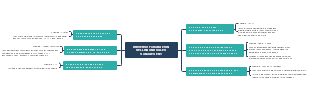
This is an article about 30 classic business models that you will need sooner or later! The mind map is full of useful information. Friends in need should quickly collect it!
Edited at 2024-01-11 10:21:24This is a mind map about bacteria, and its main contents include: overview, morphology, types, structure, reproduction, distribution, application, and expansion. The summary is comprehensive and meticulous, suitable as review materials.
This is a mind map about plant asexual reproduction, and its main contents include: concept, spore reproduction, vegetative reproduction, tissue culture, and buds. The summary is comprehensive and meticulous, suitable as review materials.
This is a mind map about the reproductive development of animals, and its main contents include: insects, frogs, birds, sexual reproduction, and asexual reproduction. The summary is comprehensive and meticulous, suitable as review materials.
This is a mind map about bacteria, and its main contents include: overview, morphology, types, structure, reproduction, distribution, application, and expansion. The summary is comprehensive and meticulous, suitable as review materials.
This is a mind map about plant asexual reproduction, and its main contents include: concept, spore reproduction, vegetative reproduction, tissue culture, and buds. The summary is comprehensive and meticulous, suitable as review materials.
This is a mind map about the reproductive development of animals, and its main contents include: insects, frogs, birds, sexual reproduction, and asexual reproduction. The summary is comprehensive and meticulous, suitable as review materials.
30 classic business models, you will need them sooner or later!
1. Subscription model
introduce
In the subscription model, companies sell products or services on a monthly or annual basis to obtain ongoing subscription revenue. The goal of this business model is to establish long-term and stable customer relationships and achieve sustainable profitability through ongoing subscription revenue. Understanding the subscription business model means thinking about how to design your product or service to entice users to commit to long-term subscriptions. Product managers need to pay attention to the following aspects: 1. Value provision: Ensure that the product or service can continuously provide user value to maintain user subscription. 2. Pricing strategy: Develop a reasonable pricing strategy, taking into account users’ willingness to pay and market competition. 3. User experience: Provide a good user experience, including a simple subscription process, convenient payment methods and personalized services. 4. Customer relationship management: Establish an effective customer relationship management system, communicate and interact with subscribers regularly, and understand their needs and feedback.
In China, typical cases of subscription business models include:
1. Zhihu members:
Offering membership services on a monthly or annual basis, users can enjoy exclusive benefits, premium content and community privileges.
2. Douban FM:
A monthly subscription music streaming app that gives users unlimited music listening and personalized recommendations.
3. Huya members:
Membership services are provided on a monthly or annual basis, and users can enjoy game privileges, anchor benefits and Huya Mall discounts.
In foreign countries, typical cases of subscription business models include:
1. Netflix:
An online video platform with monthly subscription, users can obtain unlimited movie viewing rights and personalized recommendations through subscription.
2. Spotify:
A monthly subscription music streaming platform that provides users with unlimited music playback and offline listening capabilities.
3. Adobe Creative Cloud:
A monthly or annual subscription suite of creative tools that gives users access to the latest versions of Adobe software and cloud storage services.
2. Freemium model (freemium = free paid)
introduce
In the freemium model, an enterprise provides a free version of a basic product or service, while also providing some additional value-added features or advanced services that require users to pay to use them. The goal of this business model is to attract users with free products and then earn revenue by providing value-added services. The freemium business model allows users to use the basic functionality of a software, game or service "for free" and then charges for "upgraded" features above the base package. Understanding the freemium business model means thinking about how to design your product to attract users and provide attractive value-added features. You need to understand user needs and preferences, determine which value-added features are valuable to users, and ensure that these features can form good synergies with free products.
In China, typical cases of freemium business models include:
1. WeChat:
WeChat provides free instant messaging functions, and also provides value-added services through paid services such as WeChat payment and public account promotion.
2. Alipay:
Alipay provides free mobile payment functions, as well as value-added services through paid services such as financial management and credit card repayment.
3. Baidu Netdisk:
Baidu Netdisk provides free cloud storage services, and also provides value-added services through paid services such as ultra-large capacity storage, accelerated downloads, etc.
In foreign countries, typical cases of free value-added business models include:
1. Dropbox:
Provides free cloud storage services, while also providing value-added services through paid services such as increased storage space, advanced file recovery, etc.
2. Evernote:
Provides free note-taking and organizational tools, while providing value-added services through paid services such as offline access, team collaboration, etc.
3. LinkedIn:
Provide a free professional social platform, while also providing value-added services through paid services such as advanced search, talent recruitment, etc.
3. Marketplace model
introduce
The Marketplace model is an e-commerce model in which a platform or application acts as an intermediary, connecting third-party sellers and customers so that they can trade products or services on the platform. The goal of this business model is to provide buyers with diverse choices and provide sellers with a sales channel from which to earn commissions or transaction fees. Understanding the marketplace business model means considering how to design and manage a platform to facilitate transactions between buyers and sellers. Here are some key considerations: 1. Platform functions: Design and develop a platform that enables buyers to browse and search for products or services, place orders, make payments, and communicate with sellers. At the same time, sellers should be able to manage and update their product or service information. 2. Trust and security: Establish trust and security mechanisms, such as user reviews and rating systems, to ensure that transactions between buyers and sellers are safe and reliable. 3. Commission and fee structure: Determine the commission or transaction fee that the platform receives from transactions, and ensure that this structure is fair and sustainable for both buyers and sellers.
In China, typical cases of trading market business models include:
1. Taobao:
Taobao is China's largest online shopping platform, connecting millions of sellers and buyers to provide transactions on a variety of products and services.
2. Meituan:
Meituan is a platform that provides food delivery, hotel booking, travel and other services, connecting restaurants, merchants and consumers.
3. Didi Chuxing:
Didi Chuxing is China's largest taxi-hailing platform, connecting drivers and passengers to provide convenient travel services.
In foreign countries, typical cases of trading market business models include:
1. Amazon:
The world's largest online retailer offers deals on a variety of products, as well as cloud computing and digital content services.
2. Airbnb:
A platform that provides short-term accommodation bookings, connecting landlords and tenants to provide a personalized accommodation experience.
3. Uber:
A platform that provides taxi services, connects drivers and passengers, and provides convenient travel solutions.
4. Pay-as-you-go model
introduce
The pay-as-you-go model is a pricing strategy in which users pay based on their consumption or usage. Under this business model, users only pay for the product or service they actually use, rather than a fixed subscription or purchase fee. Understanding the pay-as-you-go business model means considering how to design the pricing strategy for your product or service to meet the different needs and consumption habits of users. Here are some key considerations: 1. Pricing strategy: It is necessary to determine how to calculate and price user consumption, such as based on usage time, data transmission volume or number of function uses, etc. At the same time, you also need to consider how to set up different price tiers and packages to meet the needs of different user groups. 2. Transparency and flexibility: It is necessary to ensure that the pricing model is clear and transparent, so that users can clearly understand their consumption and expenses. At the same time, flexible payment options need to be provided so that users can choose according to their needs and budget. 3. Data analysis and optimization: The pay-as-you-go model usually involves a large amount of data collection and analysis. Product managers need to use data analysis tools and technologies to gain an in-depth understanding of users’ consumption behaviors and preferences in order to optimize pricing strategies and provide more valuable products. or services. In domestic and international markets, the pay-as-you-go business model is widely used in various industries. The following are some specific typical cases:
Domestic cases:
1. Didi Chuxing:
A platform that provides taxi-hailing and travel services. Users pay based on the actual distance and time taken.
2. Meituan takeout:
A platform that provides takeout ordering services. Users pay based on the actual quantity and price of food ordered.
International cases:
1. Netflix:
A company that provides an online video streaming service where users pay a subscription fee based on the video content they watch and how long they watch it.
2. Amazon Web Services (AWS):
AWS is a company that provides cloud computing services. Users pay based on the actual computing resources and storage space used.
5. Fee-for-service (FFS) business model
introduce
In the fee-for-service (FFS) business model, companies charge customers based on each successful payment. This fee model usually consists of fixed fees and variable fees. A fixed fee is a fixed amount you pay on every transaction, while a variable fee is a fee that changes based on the size, complexity or other factors of the transaction. Understanding the fee-for-service business model means thinking about how to design the pricing strategy for your product or service to ensure that what you charge matches the services you provide. Here are some key considerations: 1. Pricing strategy: You need to determine the specific amounts of fixed fees and variable fees, and consider how these fees correspond to the value of the services provided. At the same time, you also need to consider how to set up different price tiers and packages to meet the needs of different user groups. 2. Transparency and flexibility: It is necessary to ensure that the pricing model is clear and transparent, so that users can clearly understand the fees they pay and the services they receive. At the same time, flexible payment options need to be provided so that users can choose according to their needs and budget. 3. Value creation and upgrading: It is necessary to constantly pay attention to user needs and market trends to provide valuable services, and consider how to attract users and increase revenue by adding added value or upgrading services. In domestic and international markets, the fee-for-service business model is widely used in various industries. The following are some specific typical cases:
Domestic cases:
1. Hotel industry:
Hotels usually charge customers a fee per stay, which includes room fees, food and beverage fees, etc.
2. Consulting services:
Consulting firms typically charge clients based on the complexity and scale of consulting services provided.
International cases:
1. Law Firm:
Clients are typically charged based on the complexity and workload of providing legal services.
2. Telecommunications industry:
Customers are usually charged according to the scale and duration of the communication services they use.
6. Aggregator business model
introduce
In the aggregator business model, the service provider uses its own brand to provide services to customers and meets customer needs by aggregating products or services from different suppliers or partners. The goal of this business model is to provide more comprehensive and diversified solutions by integrating products or services from multiple suppliers to increase customer value and satisfaction. Understanding the aggregator business model means considering how to design and manage a platform or service to integrate products or services from different vendors and provide a consistent brand experience to customers. Here are some key considerations: 1. Supplier selection: Identify the right suppliers or partners to ensure their products or services meet customer needs and are consistent with the overall brand and value proposition. 2. Platform or service design: Design a platform or service that is easy to use and navigate so that customers can easily browse and select products or services from different suppliers and enjoy a consistent brand experience. 3. Brand management: Establish and manage a strong brand image to increase customer trust and loyalty to the platform or service.
In China, typical cases of aggregator business models include:
1. Meituan:
Meituan is a platform that provides food delivery, hotel booking, travel and other services. It provides users with diverse choices by aggregating different merchants and service providers.
2. Didi Chuxing:
Didi Chuxing is China's largest taxi-hailing platform, integrating different driver and vehicle resources to provide users with convenient travel services.
In foreign countries, typical cases of aggregator business models include:
1. Uber:
Uber is a platform that provides taxi services. It provides users with convenient travel solutions by aggregating different driver and vehicle resources.
2. Airbnb:
Airbnb is a platform that provides short-term accommodation bookings. It provides users with a personalized accommodation experience by aggregating different hosts and accommodation resources.
7. Educational technology business model
introduce
In the education technology business model, companies make profits by selling educational content or providing teaching services to end users. The goal of this business model is to use technology and innovative educational methods to improve the education field and provide better learning and teaching experiences for students, teachers, and educational institutions. Types of business models in education technology: 1. Freemium subscription – course content is free, but course certificates require payment, such as Coursera. 2. Free trial subscription - Provide a free trial, and then subscribe to the service on a monthly or annual basis, such as SkillShare. 3. Trading market - self-service mode, customers can choose what they want to learn in this open trading market. 4. Advertising revenue business model - the core product is free, and the company makes money by displaying advertisements to a huge user base. Understanding the edtech business model means considering how to design and develop edtech products or services to meet the learning and teaching needs of users. Here are some key considerations: 1. Educational content development: It is necessary to cooperate with education experts and content creators to develop high-quality educational content, including courses, teaching materials, exercises, etc., to meet the learning needs of users. 2. Technology platform construction: It is necessary to design and build a stable and easy-to-use technology platform to provide educational content and teaching services, including online learning platforms, virtual classrooms, learning management systems, etc. 3. User experience optimization: It is necessary to pay attention to user experience, ensure that the product interface is friendly and functional, and provide functions such as personalized learning recommendations and progress tracking to improve user satisfaction and learning effects. The edtech business model has been widely used in domestic and international markets. The following are some specific typical cases:
Domestic cases:
1. VIPKID:
An online English education platform that provides English learning services to Chinese students through remote one-to-one teaching.
2. TAL Future:
China's leading education technology company, providing online education products and services, including online courses, learning tools and education consulting.
International cases:
1. Coursera:
A world-renowned online learning platform, its partners include universities and educational institutions around the world, providing a variety of online courses and degree programs.
2. Udemy:
An open online education platform that allows educators to create and sell their own courses, and students can choose to study according to their interests and needs.
8. Lock-in business model
introduce
A lock-in business model is a strategy designed to make it difficult for customers to switch to a competitor's product. Understanding a locked-in business model means designing and implementing measures so that customers face increased switching costs or effort after using your brand or product, thereby reducing their willingness to switch to a competitor.
domestic,
A typical case of a locked-in business model is an electronic payment platform.
By establishing partnerships with merchants and providing convenient payment services, customers are more inclined to use the platform when shopping.
Another case is the smart home system,
By providing integrated smart devices and services, it is difficult for customers to switch to other competitors' products after using the system.
abroad,
A classic example of a locked-in business model is social media platforms.
By building a huge user network and providing personalized content and functions, users have established social relationships and personal profiles on social media platforms, making it difficult to switch to other competitor platforms.
Another example is airline mileage programs.
By accumulating miles and providing privileged services, customers are more likely to choose the same airline.
Summarize
In summary, understanding a lock-in business model means designing and implementing measures to increase the cost or effort of customers switching to competitors and to provide superior brand experiences or incentives to retain customers. The specific examples of business model lock-in will vary across industries and markets, but the core goal is to make it difficult for customers to switch to a competitor's product.
9. API licensing business model
introduce
A licensing business model is one in which a company or organization provides application programming interfaces (APIs) and allows third-party developers to use these APIs to communicate with its services. Through the licensing business model, companies can authorize developers to use their APIs and charge fees or provide licenses based on different licensing conditions. An application programming interface, or API for short, is a tool that allows third-party applications to communicate with your service. Types of API business models, the following are different types of API business models: 1. Free: The simplest API-driven business model, app developers can freely access the API. For example, Facebook and Google Translate. 2. Developer pays: In this model, application developers must pay for the services they use. For example, AWS, Twilio, Github, Stripe, etc. 3. Developers get paid: API developers or content distributors use their content to distribute APIs. And thus get paid. Such as Ex Adsense, Amazon affiliate, etc. Understanding licensing business models means recognizing the value and potential of APIs. Need to understand how to design and develop APIs that are easy to use and integrate to meet developer needs. Consideration also needs to be given to how licensing and charging models for APIs will be managed to ensure that companies can generate sustainable revenue from the licensing business model. The following are three specific typical cases at home and abroad:
Domestic cases:
1. Alibaba’s open platform:
Alibaba provides a series of APIs that allow third-party developers to build applications and services on its platform. These APIs include e-commerce, payment, logistics and other functions, attracting a large number of developers and partners, and bringing more users and transactions to Alibaba.
2. Tencent’s WeChat open platform:
Tencent provides a series of APIs that allow third-party developers to build applications and services on the WeChat platform. These APIs include social functions, payment functions, geographical location functions, etc., attracting a large number of developers and partners, and bringing more users and transactions to Tencent.
3. Baidu’s open map platform:
Baidu provides a series of map APIs that allow third-party developers to build map applications and services on its platform. These APIs include geolocation, navigation, location search and other functions, attracting a large number of developers and partners, and bringing more users and transactions to Baidu.
Foreign cases:
1. Google Maps API:
Google provides a series of map APIs that allow developers to build map applications and services on its platform. These APIs include geolocation, navigation, location search and other functions, attracting a large number of developers and partners, bringing more users and revenue to Google.
2. Twilio’s communication API:
Twilio is a communications platform that provides a series of APIs that allow developers to build voice, text messaging, and video communications capabilities on its platform. Through Twilio's API, developers can easily integrate communication capabilities into their applications, bringing a wide range of users and revenue to Twilio.
3. Stripe’s payment API:
Stripe is an online payment processing platform that provides a series of APIs that allow developers to build payment functionality on its platform. Through Stripe's API, developers can easily integrate payment functions into their applications, bringing a wide range of users and revenue to Stripe.
10. Open source model
introduce
Open source is also a business model in which a company or organization provides open source software that allows anyone to view, modify, and enhance the software's source code. Open source software is typically provided for free, but companies can make money in other ways, such as offering paid support, software as a service, open core models, GitHub sponsors, and paid feature requests. Understanding open source business models means recognizing the value and potential of open source software. You need to know how to manage open source software projects, engage developers and users, and find ways to make money. They also need to consider how to balance the contributions of the open source community with commercial benefits to ensure that companies can generate sustainable revenue from the open source business model. The following are three specific typical cases at home and abroad:
Domestic cases:
1. Alibaba’s open source database POLARDB:
Alibaba has open sourced the POLARDB database, allowing developers to view, modify and enhance its source code. Alibaba earns revenue for POLARDB by providing paid support and software as a service.
2. Baidu’s open source machine learning framework PaddlePaddle:
Baidu has open sourced the PaddlePaddle machine learning framework, allowing developers to freely use and customize it. Baidu earns revenue for PaddlePaddle by providing paid support and an open core model.
3. Tencent’s open source IoT operating system TencentOS tiny:
Tencent has open sourced the TencentOS tiny IoT operating system, allowing developers to freely view, modify and enhance its source code. Tencent earns revenue for TencentOS tiny by providing paid support and paid feature requests.
Foreign cases:
1. Red Hat’s open source operating system Red Hat Enterprise Linux:
Red Hat provides paid support and software-as-a-service methods to earn revenue for Red Hat Enterprise Linux.
2. MongoDB’s open source database MongoDB:
MongoDB provides a complete database solution for free, but monitoring tools require payment. MongoDB provides value-added services to users and earns revenue through software as a service.
3. WordPress open source content management system:
WordPress is an open source content management system that allows users to freely use and customize it. WordPress provides value-added services to users and earns revenue by providing paid support, themes, and plug-ins.
11. Data is business model
introduce
A data-as-business model, where an application or algorithm is able to collect data from users and use that data to improve the system or monetize it by adding value to other companies. Understanding data as business model means recognizing the importance and potential of data. Need to understand how to collect, analyze and utilize data to provide better products or services and create business value for the company. An app or algorithm can collect data from customers and then use it to improve the system or monetize it by adding value to other companies. The following are three specific typical cases at home and abroad:
Domestic cases:
1. Amap:
Amap collects and analyzes users' location data to provide real-time traffic conditions, navigation routes, and surrounding services. Amap uses this data to help retail companies and merchants understand where users are concentrated, thereby helping them choose suitable locations to open new stores.
2. WeChat:
WeChat collects and analyzes users' social data and behavioral data to provide personalized recommendations, advertisements and services. WeChat uses this data to help advertisers and partners deliver ads more accurately and provide personalized services, thereby monetizing the data.
3. Didi Chuxing:
Didi Chuxing collects and analyzes users' ride data and location data to provide optimized travel plans and personalized recommendations. Didi Chuxing uses this data to help partners understand users' travel habits and needs, thereby providing better services and increasing revenue.
Foreign cases:
1. Facebook:
Facebook collects and analyzes users' social data and interest data to provide personalized content, advertisements and recommendations. Facebook uses this data to help advertisers and partners deliver ads more accurately and provide personalized services, thereby monetizing the data.
2. Netflix:
Netflix collects and analyzes users' viewing data and rating data to provide personalized recommendations and content customization. Netflix uses this data to help produce and recommend movies and TV shows that are more in line with users' tastes, thereby improving user satisfaction and increasing subscription revenue.
3. Amazon:
Amazon collects and analyzes users' shopping data and browsing data to provide personalized recommendations and shopping experience. Amazon uses this data to help sellers understand users' shopping preferences and needs, thereby providing better products and increasing sales.
Summarize
These cases demonstrate the application of data-as-business models in different industries and markets, helping companies provide better products or services and monetize data by collecting and analyzing user data.
12. Blockchain business model
introduce
Blockchain is a distributed ledger technology that allows other companies and enterprises to deploy their smart contracts without any centralized organization like AWS, Digital Ocean, etc. The blockchain business model is a business operation model based on blockchain technology, which uses distributed ledgers and smart contracts to achieve decentralized transactions and data storage. Understanding blockchain business models means understanding how to use blockchain technology to build a decentralized business ecosystem to achieve secure, transparent and trustworthy transactions. Types of blockchain business models: 1. Token economy or utility token business model (Utility Token Business Model) refers to a company issuing a certain token as one of the mechanisms to reward token miners or token holders. Example: Solana and Ethereum. 2. P2P blockchain business model - Peer-to-peer (P2P) blockchain allows end users to interact directly with each other. Example - IPFS. 2. Blockchain as a Service business model (BaaS) - similar to Microsoft (Azure) and Amazon (AWS) providing ecosystem services, but this time in the Web 3 field. Example: Bitcoin and Ethereum. Such as Ethereum Blockchain as a Service (EBaaS). 4. Blockchain-based aggregator – AWS for blockchain means providing API calls to your favorite blockchain and you can use the service. Example: Alchemy is a node provider for various blockchains. The following are typical cases at home and abroad, showing examples of blockchain business models applied in different industries and markets:
Domestic cases:
1. Alibaba’s blockchain supply chain management platform:
Alibaba has used blockchain technology to build a decentralized supply chain management platform, achieving transparency and traceability among all parties in the supply chain, and improving the efficiency and security of the supply chain.
2. Ant Financial’s blockchain payment solution:
Ant Financial has developed a decentralized payment solution using blockchain technology to enable safe, fast and low-cost cross-border payments, providing users with a better payment experience.
3. Xiaomi’s blockchain IoT platform:
Xiaomi uses blockchain technology to build a decentralized IoT platform that enables secure communication and data sharing between devices, providing users with a smarter and more convenient IoT experience.
Foreign cases:
1. IBM’s blockchain supply chain solution:
IBM uses blockchain technology to build a decentralized supply chain solution that enables real-time data sharing and traceability among supply chain parties, improving the reliability and efficiency of the supply chain.
2. Walmart’s blockchain food safety platform:
Walmart uses blockchain technology to build a decentralized food safety platform to achieve traceability and transparency in the food supply chain and ensure food safety and quality.
3. Ripple’s blockchain cross-border payment network:
Ripple uses blockchain technology to build a decentralized cross-border payment network, enabling fast, low-cost and reliable cross-border payments, and providing more convenient payment services to global users. These cases demonstrate the application of blockchain business models in different industries and markets, from which you can learn how to use blockchain technology to solve real business problems and build products and services with competitive advantages.
13. Freeterprise model
introduce
This is a business model that attracts users by offering free professional accounts and converts them into paid business accounts. Understanding the free enterprise business model means knowing how to attract users with a free product and convert them into paying enterprise customers through the sales funnel. In the free enterprise business model, some companies leverage collaboration as a growth engine. You can start with a free Pro account, bring your entire organization on board, and move from a Pro account to a business account. The following are typical cases at home and abroad, demonstrating the application of free enterprise business models in different industries and markets:
Domestic cases:
1. Tencent corporate email:
Tencent provides free corporate email services to attract individual users to use free email accounts. As the number of business users increases, they can choose to upgrade to paid business email accounts to gain more features and services.
2. Youdao Cloud Notes:
Youdao Cloud Notes provides free cloud note-taking services, attracting individual users to use free accounts to manage notes and documents. As users' needs increase, they can choose to upgrade to a paid enterprise account to enjoy more advanced collaboration and management features.
3. Alibaba Cloud Developer Platform:
Alibaba Cloud provides a free developer platform to attract developers to use free accounts for application development and deployment. When developers' projects require more advanced resources and support, they can choose to upgrade to a paid enterprise account to obtain more cloud computing services and technical support.
Foreign cases:
1. Slack:
A free team collaboration tool that attracts individual users to use free accounts for team communication and collaboration. As teams grow in size and require more advanced features, they can choose to upgrade to a paid enterprise account for more storage space and admin control.
2. Dropbox:
Provide free cloud storage services to attract individual users to use free accounts for file storage and sharing. When users' storage needs increase, they can choose to upgrade to a paid enterprise account for greater storage space and advanced security features.
3. HubSpot:
A company that provides free marketing and sales tools, attracting individual users to use free accounts for marketing and sales activities. When users require more functionality and customization, they can choose to upgrade to a paid business account to gain more marketing automation and customer relationship management capabilities.
Summarize
These cases demonstrate the application of the free enterprise business model in different industries and markets, from which you can learn how to attract users with free products and convert them into paying enterprise customers, thereby achieving business growth and profitability.
14. Razor and Blade Business Model
introduce
This model is a common business model that is usually applied to hardware products. The core idea of this model is to sell the main product (razors) at a low price or at a loss, and then make a profit by selling refills or add-on products (blades). This model is widely used for hardware products, where the product is sold at a low price or at a loss, but profits are made from refills or add-on products. Benefits of Razor vs. Blade Mode: 1. Reduce the risk for customers to try products and allow customers to try products and services without large upfront costs. 2. The income from this product can be continuous, possibly resulting in sales exceeding the initial expenditure several times. Understanding this business model means clarifying the product’s pricing strategy and sources of profit. The product should be priced relatively low to attract more consumers to purchase the main product. Then, make up for the losses on the main product by selling high-margin refills or add-on products, thereby achieving overall profitability. The following are three specific typical cases at home and abroad. These cases do not belong to the same industry or market:
Domestic cases:
1. Mobile phones and mobile phone accessories:
Some mobile phone brands sell mobile phones at lower prices and then make profits by selling high-margin mobile phone accessories (such as chargers, headphones, etc.).
2. Game console and game software:
Game console manufacturers typically sell consoles at lower prices and then make profits by selling high-margin game software.
3. Printer and ink cartridge:
Some printer manufacturers will sell their printers at a lower price and then make a profit by selling high-margin ink cartridges.
Foreign cases:
1. Game consoles and game controllers:
Some console manufacturers sell consoles at lower prices and then make profits by selling high-margin game controllers.
2. Coffee machine and coffee capsules:
Some coffee machine brands will sell coffee machines at a lower price and then make profits by selling high-margin coffee capsules.
3. Electric toothbrush and brush head:
Some electric toothbrush manufacturers sell electric toothbrushes at lower prices and then make profits by selling high-margin brush heads. These cases demonstrate the application of the razor and blade business model in different industries and markets, by selling the main product at a low price and then making a profit by selling high-margin refills or add-on products.
15. Direct-to-consumer (D2C) business model
introduce
Brands bypass middlemen and sell products directly from the website to end consumers through third-party logistics partners. Brands with a D2C business model can only expand through online channels such as websites, marketplaces (Amazon, eBay), etc. Understanding this business model means recognizing the importance of direct connections and interactions between brands and consumers. Brands can directly interact with consumers by establishing their own websites or e-commerce platforms to provide product information, sales and after-sales services. In addition, working with third-party logistics partners is also key to achieving a direct-to-consumer model, as they are responsible for the delivery and logistics management of the products. Benefits of adopting a D2C business model: 1. No middlemen = better control over profits. 2. Obtain more targeted customer data - including demographic data, geographical data, etc. 3. There is more room for product testing. 4. Product ranges are more personalized – allowing for less inventory. The following are three specific typical cases at home and abroad. These cases do not belong to the same industry or market:
Domestic cases:
1. Beauty brand:
Some domestic beauty brands establish their own official websites or e-commerce platforms to sell products directly to consumers, and at the same time cooperate with third-party logistics partners to ensure timely delivery of products.
2. Household products brand:
Some domestic household products brands sell household products directly to consumers through their own websites or e-commerce platforms, providing personalized shopping experiences and customized services.
3. Healthy food brands:
Some domestic health food brands have established their own e-commerce platforms to sell health food directly to consumers, while working with third-party logistics partners to ensure the freshness and quality of the products.
Foreign cases:
1. Glasses brand:
Some foreign eyewear brands sell eyewear products directly to consumers through their own websites or e-commerce platforms, providing online try-on and personalized eyewear services.
2. Sports equipment brands:
Some foreign sports equipment brands have established their own e-commerce platforms to sell sports equipment directly to consumers, providing professional product recommendations and customized purchasing experiences.
3. Food delivery services:
Some foreign food delivery service companies provide food delivery services directly to consumers through their own websites or applications. Consumers can place orders online and enjoy fast delivery services.
Summarize
These cases demonstrate the application of direct-to-consumer (D2C) business models in different industries and markets. Brands establish their own websites or e-commerce platforms to interact directly with consumers and achieve direct sales of products through third-party logistics partners. and delivery.
16. Business model based on advertising
introduce
This is a common business model in which businesses generate revenue by displaying ads. For example, Google, Meta, TikTok and Snapchat are examples. Social media and search engine giants often use this business model, using your search engine and interest data to display ads. It takes the user out of the equation so that the user doesn’t have to pay for the service or product being offered, like, say, a Google user doesn’t have to pay for a search. In return, the platform collects user data and then highly personalizes those ads to ensure it generates maximum revenue for the business. Understanding this business model means recognizing that advertising is part of the product, and advertising revenue is one of the important sources of product profitability. Consideration needs to be given to how advertising can be integrated into product design and user experience to balance user needs and advertiser interests. The following are typical cases at home and abroad:
Domestic cases:
1. Tencent:
Tencent is China's leading internet company, and their main products include the social media platforms WeChat and QQ. Tencent generates revenue by displaying ads on these platforms.
2. Baidu:
Baidu is China's largest search engine and they make money by displaying ads on search results pages and other products.
3. Sina:
Sina is a comprehensive Internet company in China. Their main products include Weibo and Sina.com. Sina makes money by displaying ads on these platforms.
Foreign cases:
1. Google:
Google is the world's largest search engine and they generate revenue by displaying ads on search results pages and other products.
2. Facebook:
Facebook, one of the world's largest social media platforms, makes money by showing ads in users' news feeds.
3. Twitter/X:
Twitter/X is a world-renowned social media platform that earns revenue by displaying ads on users’ timelines and tweets.
Summarize
These cases demonstrate the application of advertising-based business models in different industries and markets. As a product manager, you need to consider how to balance user experience and advertising display in your product to achieve a win-win situation of profitability and user satisfaction.
17. Octopus mode
introduce
The Octopus model is a diversified business strategy in which each business unit operates independently like the tentacles of an octopus, but is connected to the main body. For example: OYO is Asia's Airbnb, and its business scope includes hotels, co-working offices, shared living, vacation rentals, etc. Understanding this business model means recognizing the importance and challenges of diversification. The Octopus business model divides the business into independent business units. Each unit has its own operating methods and goals, but they are still connected to the main body, sharing resources and collaborating. This model can bring flexibility and innovation, but also requires effective management and coordination to ensure the coordinated operation of various business units. The following are three specific typical cases at home and abroad. These cases do not belong to the same industry or market:
Domestic cases:
1. China Mobile:
China Mobile is China's largest mobile communications operator. They adopt the Octopus business model and provide diversified products and services such as mobile communications, Internet services, and digital content through different business units.
2. Haier Group:
Haier Group is a well-known home appliance manufacturer in China. They adopt the Octopus business model and provide diversified products and services such as home appliances, smart home solutions, and logistics services through different business units.
3. Tencent Group:
Tencent Group is China's leading Internet company. They adopt the Octopus business model and provide diversified products and services such as social media, online games, payment services, and cloud computing through different business units.
Foreign cases:
1. Amazon:
Amazon is the world's largest e-commerce company. They adopt the Octopus business model and provide diversified products and services such as online retail, cloud computing, media and entertainment through different business units.
2. Google (Alphabet):
Google is a world-renowned technology company. They adopt the Octopus business model and provide diversified products and services such as search engines, online advertising, cloud computing, and autonomous driving technology through different business units.
3. Procter & Gamble:
Procter & Gamble is the world's leading consumer products company. They adopt the Octopus business model and provide diversified products and services such as personal care products, household cleaning products, and food through different business units.
Summarize
These cases demonstrate the application of the Octopus business model in different industries and markets, by dividing the business into independent business units, each unit has its own operating methods and goals, but they are still connected to the main body, sharing resources and collaboration cooperate. You will manage and coordinate product development and marketing across different business units in a diverse environment to achieve overall business success.
18. Franchise model
introduce
In the franchise model, franchisees (store owners) use the franchisor's (company's) trademark, brand, and business model to operate their business. This business model is widely adopted by fast food restaurants (QSRs) such as Subway, Domino's, Burger King, and others. Understanding this business model means recognizing the two main actors in a franchise model: the franchisor and the franchisee. A franchisor is the company that owns the trademark, brand, and business model, and they license these resources to franchisees. Franchisees are store owners who operate the franchisor's brand. They use the franchisor's trademark and brand to conduct business and operate according to the franchisor's business model. The following are three specific typical cases at home and abroad. These cases do not belong to the same industry or market:
Domestic cases:
1. Fast food chain stores:
Some domestic fast food chain brands adopt the franchise model. The franchisor authorizes its trademark, brand and business model to franchisees, and the franchisees operate the chain stores under the guidance of the franchisor.
2. Education and training institutions:
Some domestic education and training institutions adopt the franchise model. The franchisor authorizes its brand and business model to franchisees, and the franchisees open education and training institutions under the guidance of the franchisor.
3. Hotel chain brands:
Some domestic hotel chain brands adopt the franchise model. The franchisor authorizes its trademark, brand and business model to franchisees, and the franchisees operate the hotels under the guidance of the franchisor.
Foreign cases:
1. Coffee chain:
Some foreign coffee chain brands adopt the franchise model. The franchisor authorizes its trademark, brand and business model to franchisees, and the franchisees operate the coffee chain under the guidance of the franchisor.
2. Retail chain stores:
Some foreign retail chain brands adopt the franchise model. The franchisor authorizes its trademark, brand and business model to franchisees, and the franchisees operate the retail chain stores under the guidance of the franchisor.
3. Fitness center chain brands:
Some foreign fitness center chain brands adopt a franchise model. The franchisor authorizes its trademark, brand and business model to franchisees, and the franchisees operate fitness centers under the guidance of the franchisor.
Summarize
These cases demonstrate the application of the franchise model in different industries and markets. The franchisor licenses its trademark, brand and business model to franchisees, who operate the business under the guidance of the franchisor. You'll work with franchisors and franchisees to ensure product consistency and quality, and develop and market products in line with the franchisor's business model.
19. Transactional business model
introduce
A transactional business model is a model that generates revenue by selling goods or services directly to customers. In this model, revenue is generated by selling goods or services directly to customers. Can be widely used on e-commerce websites or any other product purchased online. Understanding this model means paying attention to the product’s sales channels, transaction process, and user experience to ensure smooth transactions and increased sales revenue. The following are typical cases at home and abroad:
Domestic cases:
1. Taobao:
Taobao is one of China's largest online shopping platforms. Users can purchase various goods directly on the platform, and merchants earn revenue by selling goods.
2. Meituan takeout:
Meituan Waimai is China's leading online food delivery platform. Users can order takeaway food directly on the platform, and merchants earn revenue by selling food.
3. 58 in the same city:
China's classified information website allows users to publish and browse various types of information directly on the platform, and merchants earn revenue by publishing paid information.
Foreign cases:
1. Amazon:
Amazon is one of the world's largest e-commerce platforms. Users can purchase various goods directly on the platform, and merchants earn revenue by selling goods.
2. Uber:
A world-renowned taxi-hailing platform, users can book and pay for vehicle services directly through the app, and drivers earn income by providing vehicle services.
3. Airbnb:
The world's leading shared accommodation platform, users can book short-term accommodation directly on the platform, and landlords earn income by renting out their properties.
Summarize
These cases demonstrate the application of transactional business models in different industries and markets. You need to focus on the product's sales channels, transaction process and user experience to ensure smooth transactions and increase sales revenue.
20. Peer-to-peer (P2P) business model
introduce
In a peer-to-peer (P2P) business model, two people interact directly to buy and sell goods and services without resorting to a third party or using a platform. As a product manager, understanding this business model means focusing on direct interactions and interactions between users, as well as building trustworthy platforms or tools that enable users to securely conduct peer-to-peer transactions. The following are typical cases at home and abroad:
Domestic cases:
1. Xianyu:
Xianyu is a well-known second-hand trading platform in China. Users can publish and purchase second-hand goods directly on the platform to achieve peer-to-peer transactions.
2. Mobike:
Mobike is a shared bicycle platform in China. Users can rent and use shared bicycles directly through the app to achieve point-to-point services.
3. Maoyan:
Maoyan Movies is China's leading movie ticketing platform. Users can purchase movie tickets directly on the platform to achieve peer-to-peer transactions.
Foreign cases:
1. Uber:
Uber is a world-renowned taxi-hailing platform. Passengers can book and pay for vehicle services directly through the application, interact directly with drivers, and realize peer-to-peer transactions.
2. Airbnb:
Airbnb is the world's leading shared accommodation platform. Hosts can rent out properties directly on the platform, and tenants can directly book accommodation, realizing peer-to-peer transactions.
3. Upwork:
Upwork is a world-renowned freelance platform. Employers can hire freelancers directly on the platform and realize peer-to-peer service transactions.
Summarize
These cases demonstrate the application of peer-to-peer (P2P) business models in different industries and markets. As a product manager, you need to focus on direct interactions and interactions between users, as well as building trustworthy platforms or tools that enable users to conduct peer-to-peer transactions securely.
21. P2P lending is the business model
introduce
In the P2P lending business model, one private person (P2P lender) provides loan/investment or borrowing money services to another private person (P2P borrower) without going through a traditional financial institution. This is also known as “social lending” because it allows individuals to lend and borrow money directly from each other without going through an official financial institution as an intermediary. Understanding this business model means focusing on building a safe and reliable platform that enables P2P lenders and P2P borrowers to conduct lending transactions directly and provides corresponding products and functions to meet their needs. The following are typical cases at home and abroad:
Domestic cases:
1. PPDai:
Paipaidai is China's leading P2P lending platform, connecting investors and borrowers, providing lending services to individuals and small and micro enterprises.
2. Renrendai:
Renrendai is a well-known P2P lending platform in China, connecting investors and borrowers through an online platform, providing lending services to individuals and small and micro enterprises.
3. Weidai:
Weidai.com is China's P2P lending platform, connecting investors and borrowers through an online platform, providing lending services to individuals and small and micro enterprises.
Foreign cases:
1. Lending Club:
The leading P2P lending platform in the United States connects investors and borrowers through an online platform, providing lending services to individuals and small businesses.
2. Prosper:
The well-known P2P lending platform in the United States connects investors and borrowers through an online platform, providing lending services to individuals and small businesses.
3. Zopa:
The British P2P lending platform connects investors and borrowers through an online platform, providing lending services to individuals and small businesses.
Summarize
These cases demonstrate the application of P2P lending as a business model in different countries and markets. You need to focus on building a safe and reliable platform, providing convenient lending services, and ensuring platform compliance and user experience.
22. Brokerage business model
introduce
In the brokerage business model, a broker or intermediary acts as a bridge connecting buyers and sellers, provides transactions and services to both parties, and collects commissions or fees from the transactions. A brokerage typically charges a commission or fee to one or both parties in exchange for services provided. Brokerages are common in the real estate, financial and online trading markets and typically operate under the following model: 1. Buy/sell matching model - match buyers and sellers to complete transactions and collect commissions from them. Examples: financial brokers, insurance brokers, etc. 2. Classified Advertiser Model – The broker charges advertisers a fee based on the time, location, size or nature of the advertisement. Example: Craiglist. Understanding the brokerage business model means focusing on building an effective platform or service that enables buyers and sellers to conduct transactions conveniently and provides corresponding value and support to attract users and achieve profitability. The following are typical cases at home and abroad:
Domestic cases:
1. Bank brokerage business:
Many banks provide brokerage services that act as intermediaries between buyers and sellers, such as in stock, bond, and fund transactions.
2. Real estate agency:
Real estate brokerage companies help buyers and sellers with real estate transactions, providing services such as home sales, leasing, and appraisals.
3. Insurance brokerage company:
Insurance brokerage companies conduct transactions with insurance companies on behalf of customers and provide services such as insurance product selection, consultation and management.
Foreign cases:
1. Stock brokerage company:
For example, Charles Schwab, Fidelity and E*TRADE in the United States provide stock trading and investment services.
2. Travel agency:
For example, Expedia, Booking, and TripAdvisor serve as travel service intermediaries to help users book air tickets, hotels, and travel activities.
3. Art brokerage company:
For example, Sotheby's and Christie's serve as art transaction intermediaries to help buyers and sellers purchase, sell and auction art.
Summarize
These cases demonstrate the application of brokerage business models in different industries and markets. You need to focus on building an efficient platform or service, providing reliable transactions and support to meet user needs, and ensuring the sustainable development of the platform and user satisfaction.
23. Drop shipping model
introduce
The drop shipping model is an e-commerce retail model in which stores sell products without keeping any physical inventory. In this model, stores work with suppliers to pass customers' order and payment information to the supplier, who ships the product directly to the customer. When a customer places an order, orders from third-party vendors and logistics partners are fulfilled. Key elements of the dropshipping model: 1. Retailer - responsible for product portfolio and customer experience 2. Performer - responsible for managing, transporting and fulfilling orders 3. Customer - purchase order Advantages of dropshipping: 1. Less capital required (low overhead – no inventory or warehousing) 2. Easy to get started (less than $100) 3. Flexible work location 4. Easier to test new products Understanding the dropshipping business model means focusing on building effective supply chain partnerships to ensure suppliers can process orders and ship goods in a timely and accurate manner. At the same time, attention needs to be paid to product quality and customer experience to provide a satisfactory shopping experience. The following are typical cases at home and abroad:
Domestic cases:
1. Taobao shipping:
There are many dropshipping merchants on the Taobao platform who work with suppliers to meet customer needs through direct shipping.
2. Jingdong shipping:
There are also dropshipping merchants on the JD.com platform. They cooperate with suppliers and provide products to customers through direct shipping.
3. Vipshop delivers goods on behalf of:
Vipshop, China’s special sales e-commerce platform, also adopts a dropshipping model to work with suppliers to provide products to customers.
Foreign cases:
1. Amazon FBA:
Amazon's FBA (Fulfillment by Amazon) service allows sellers to store products in Amazon's warehouses, and Amazon is responsible for processing orders and shipping.
2. Shopify Dropshipping:
Shopify is an e-commerce platform that allows merchants to use the dropshipping model to sell products in online stores, and suppliers ship directly to customers.
3. AliExpress Dropshipping:
Alibaba's AliExpress platform also supports the dropshipping model. Merchants can sell products on the platform and suppliers ship directly to customers.
Summarize
These cases demonstrate the application of dropshipping business models in different industries and markets. As a product manager, you need to focus on establishing a stable supply chain partnership to ensure the accuracy and timeliness of order processing and shipment, while providing a good customer experience and after-sales service.
24. Space as a Service business model
introduce
The Space as a Service business model is a business model based on the concept of the sharing economy, aiming to provide Millennials with a flexible shared space living or working experience, so that they do not need to worry about ownership or rental issues. WeWork business model: Companies like WeWork act as an intermediary, solving real estate, legal compliance, maintenance and repair issues for companies. Understanding the space-as-a-service business model means focusing on building a platform or service that enables users to easily access and use shared spaces, offering flexible leasing options and value-added services to meet their needs. The following are typical cases at home and abroad:
Domestic cases:
1. Xiaolu Office:
Xiaolu Office is a shared office space provider in China, providing entrepreneurs and enterprises with flexible office space rental services, as well as shared facilities and community support.
2. Hummingbird Space:
Hummingbird Space is a shared living space provider in China, providing young people with services such as shared apartments, shared kitchens and shared communities to meet their accommodation and social needs.
3. Get to work immediately:
Office is China's shared office space platform, providing flexible office space rental and value-added services to individuals and businesses, helping them improve work efficiency and reduce costs.
Foreign cases:
1.WeWork
WeWork is the world's largest shared office space provider, providing entrepreneurs and businesses with flexible office space rental services, as well as community and event support.
2. Airbnb:
Airbnb is a world-renowned shared accommodation platform that allows individuals to rent out their homes or spaces to travelers, providing flexible accommodation options.
3. Spacious:
Spacious is a shared restaurant space provider in the United States that converts unused restaurant spaces into shared office spaces, providing flexible workplaces for freelancers and entrepreneurs.
Summarize
These cases demonstrate the application of space-as-a-service business models in different industries and markets. As a product manager, you need to focus on building an efficient platform or service, providing convenient booking and usage experiences, as well as value-added services and community support to attract users and achieve profitability.
25. Third-party logistics (3PL) model
introduce
The third-party logistics (3PL) model is a supply chain management model in which companies outsource logistics activities such as distribution, warehousing, and fulfillment of their products to specialized third-party logistics companies. 3PL partners make money by charging a fee for warehousing, fulfillment and returns processing on inbound and outbound shipments. Inbound logistics refers to purchasing products and transporting them from suppliers to warehouses. Outbound logistics refers to the flow of items through the company's production lines and warehouses, and finally to the customer. Understanding the 3PL business model means focusing on how to work with third-party logistics to provide efficient logistics solutions and ensure on-time delivery of products and customer satisfaction. The following are typical cases at home and abroad:
Domestic cases:
1. SF Express:
SF Express is China's leading third-party logistics company, providing integrated logistics solutions including express delivery, warehousing, and distribution, and providing efficient logistics services to companies in various industries.
2. YTO Express:
YTO Express is a well-known express logistics company in China. It provides a full range of logistics services to e-commerce and enterprises by establishing its own logistics network and warehousing facilities.
3. China Railway Logistics:
China Railway Logistics is a logistics subsidiary of China Railway System. It uses the advantages of railway transportation to provide enterprises with cross-regional and long-distance logistics transportation services.
Foreign cases:
1. UPS:
UPS is a world-renowned third-party logistics and supply chain management company that provides integrated logistics solutions including express delivery, freight, and warehousing, and provides global logistics services to global enterprises.
2. DHL:
DHL is the world's leading international express delivery and logistics company, providing enterprises with global logistics solutions by establishing a global logistics network.
3. FedEx:
FedEx is a well-known express delivery and logistics company in the United States, providing fast and reliable logistics services to enterprises through air transportation and logistics networks.
Summarize
These cases demonstrate the application of third-party logistics business models in different industries and markets. You need to work with third-party logistics companies to ensure the efficiency and reliability of the logistics process to meet customer needs and provide a good logistics experience.
26. Last mile delivery is the business model
introduce
Last mile delivery, the business model, refers to a series of activities in the supply chain that ultimately deliver products or services to customers. The last mile is closely related to the on-demand economy and tends to have peak cycles, especially at night. Understanding the last-mile delivery business model means focusing on how to ensure that products reach customers efficiently and on time during the last distance to provide a quality delivery experience. The following are typical cases at home and abroad:
Domestic cases:
1. Are you hungry:
Ele.me is China's leading online food delivery platform. Through its own delivery team and cooperation with third-party logistics, it achieves fast last-mile delivery and delivers food to customers.
2. JD Logistics:
JD Logistics is a logistics service provider under the JD Group. It provides last-mile delivery services to merchants on the JD platform through its own logistics network and warehousing facilities.
3. Meituan takeout:
Meituan Waimai is a well-known online food delivery platform in China. It cooperates with riders to achieve last-mile food delivery services and deliver food to customers' homes.
Foreign cases:
1. Amazon Prime:
Amazon Prime is a membership service provided by Amazon, which includes fast delivery services and achieves fast last-mile delivery through its own logistics network and partners.
2. Uber Eats:
Uber Eats is an online food delivery platform launched by Uber. It cooperates with riders to achieve last-mile food delivery services and deliver food to customers.
3. Deliveroo:
Deliveroo is a British online food delivery platform that works with riders to provide last-mile food delivery services and deliver food to customers' homes.
Summarize
These cases demonstrate the application of last-mile delivery business models in different industries and markets. You will work with the supply chain and logistics teams to ensure the last mile delivery process is efficient, on-time and provides a great delivery experience to meet customer needs.
27. Alliance business model
introduce
The affiliate business model is a revenue-generating strategy in which businesses promote other companies' products or services and receive a commission or commission on each successful sale. Advantages of adopting the alliance business model: 1. It allows many independent marketers to conduct marketing and earn single fees or commissions. 2. Provide unique tracking links and online dashboards for Internet celebrities to check their income and improve the transparency of the system. Understanding the affiliate business model means knowing how to build partnerships, promote other companies' products, and generate revenue through successful sales. The following are typical cases at home and abroad:
Domestic cases:
1. Taobao Alliance:
Taobao Alliance is an affiliate marketing platform owned by Alibaba. By promoting products on the Taobao website, affiliate members can earn corresponding commissions.
2. WeChat public account alliance:
WeChat Official Account Alliance is an affiliate marketing platform. By promoting the content or products of other official accounts, the owner of the official account can obtain commissions or commissions.
3. Meituan Alliance:
Meituan Alliance is an affiliate marketing platform under Meituan. By promoting catering, takeout and other services on the Meituan platform, alliance members can earn corresponding commissions.
Foreign cases:
1. Amazon affiliate program:
The Amazon Associates Program is Amazon's affiliate marketing program, where affiliates can earn commissions by promoting products on Amazon.
2. Airbnb affiliate program:
The Airbnb Affiliate Program is Airbnb's affiliate marketing program. By promoting listings on Airbnb, affiliates can earn commissions.
Summarize
These cases demonstrate the application of alliance business models in different industries and markets. You need to build good relationships with partners, promote their products, and ensure successful sales to earn corresponding commissions or commissions.
28. Virtual goods business model
introduce
The virtual goods business model refers to providing users with virtual intangible products through in-app purchases and thereby earning revenue. What are consumables? For example, the currency purchased in the game will be used up at the right time. What are non-consumables? A product that users buy once and own forever. Understanding the virtual goods business model means knowing how to design and deliver virtual goods to meet user needs and achieve profitability. The following are typical cases at home and abroad:
Domestic cases:
1. Tencent Games:
Tencent is one of China's largest internet companies and owns a number of popular online games such as "Honor of Kings" and "Peace Elite". These games provide virtual goods such as virtual game props, skins and game currency through in-app purchases to provide users with a better gaming experience.
2. NetEase Cloud Music:
NetEase Cloud Music is China's leading music streaming platform. Users can purchase subscription services through in-app to unlock privileges such as high-quality music, offline downloads and no advertising, providing a better music experience.
3. WeChat emoticon store:
WeChat is one of the largest social media platforms in China. Users can purchase virtual emoticon packages and stickers through the WeChat Emoticon Store to enrich chat content and express emotions.
Foreign cases:
1. Apple App Store:
Apple's App Store offers a large number of apps and games, and users can unlock additional features, virtual currency or virtual goods through in-app purchases, bringing revenue to developers and Apple.
2. Spotify:
Spotify is the world's leading music streaming platform. Users can subscribe to the service through in-app purchases and enjoy unlimited music streaming, offline downloads, high-quality music and other privileges.
3. Steam:
Steam is a well-known digital distribution platform that provides a large number of virtual games and virtual game items. Users can purchase games, DLC (download content) and virtual items through in-app purchases to enrich the gaming experience.
Summarize
These typical cases demonstrate the business model of in-app purchases in different fields, meeting user needs by providing virtual goods, and achieving profitability in this way. You need to understand user needs, design attractive virtual goods, and ensure a good user experience and profit model.
29. Cloud kitchen business model
introduce
The cloud kitchen business model is a restaurant model that sells meals through takeout channels, also known as ghost kitchens, dark kitchens or black box kitchens. These restaurants do not provide a physical dine-in experience, but focus on providing takeout services for customers dining at home, restaurants that specialize in selling meals through takeout channels. These restaurants do not provide a physical dine-in experience and serve customers who dine at home. Understanding the cloud kitchen business model means paying attention to the following aspects: 1. Meal development and supply chain management: The product manager needs to work with the chef team to develop attractive meals and ensure the efficient operation of the supply chain to meet the demand for takeaway orders. 2. Mobile applications and online platforms: Product managers need to design and optimize mobile applications or online platforms so that customers can easily browse menus, place orders, pay and track orders. 3. User experience and quality control: Product managers need to pay attention to user experience, ensure that the quality and packaging of takeaway meals meet customer expectations, and provide good delivery services. The following are typical cases at home and abroad:
Domestic cases:
1. Dada:
China's instant delivery platform provides delivery services to many cloud kitchens, helping restaurants deliver delicious food to customers' homes.
2. Xiabuxiabu:
A Chinese hotpot chain brand provides takeout services through its own cloud kitchen model to meet customers' needs for enjoying hotpot at home.
3. Holiland:
China's bakery chain brand provides takeaway cakes, pastries and other desserts through the cloud kitchen model to meet customers' demand for desserts.
Foreign cases:
1. Deliveroo-
Deliveroo is a UK-based food delivery platform that cooperates with many cloud kitchens and restaurants to provide customers with a variety of food delivery options.
2. DoorDash-
DoorDash is an American food delivery platform that cooperates with many cloud kitchens to provide customers with a variety of gourmet food delivery services.
3.Ghost Kitchen-
Ghost Kitchen is a Canadian cloud kitchen brand that provides takeout services by cooperating with many restaurants and chefs to meet customers' needs for diverse cuisine.
Summarize
These typical cases demonstrate the application of the cloud kitchen business model in different regions, providing meals through takeout channels to meet customers' needs for dining at home. You need to focus on meal development, supply chain management, mobile application and online platform design, as well as user experience and quality control to ensure smooth operation and user satisfaction of the cloud kitchen.
30. Crowdsourcing business model
introduce
The crowdsourcing business model is a business model that solicits and utilizes the knowledge, skills, time, and resources of the masses to solve problems, complete tasks, or provide services. In this model, a business or platform acts as an intermediary, connecting people who need a specific service (the demand side) with those who are willing to provide that service (the supply side). Crowdsourcing = The crowd acts as a source for a specific platform. In a crowdsourcing business model, you enlist the help of people around the world on a voluntary basis without having to hire them as regular employees. Types of crowdsourcing platforms: 1. Open source software Allows developers to access software source code to modify or improve it. Example - Linux operating system and Firefox browser. 2. Crowdfunding - For example, the Oculus headset is a typical example of crowdfunding. Understanding the crowdsourcing business model means paying attention to the following aspects: 1. Platform construction and management: Product managers need to build a reliable platform so that the demand side and the supply side can easily connect and interact. This includes designing user interfaces, developing features, managing user data and evaluation mechanisms, etc. 2. Supply and demand matching and quality control: Product managers need to ensure that the demand side can find a suitable supplier and that the supplier has the required skills and capabilities. At the same time, quality control measures need to be put in place to ensure that the services provided meet the expectations of the demander. 3. Community building and incentive mechanism: Product managers need to establish a positive community atmosphere and promote interaction and cooperation between the demand side and the supply side. In addition, incentive mechanisms need to be designed to attract more suppliers to participate and provide high-quality services. The following are typical cases at home and abroad:
Domestic cases:
1. Didi Chuxing:
Didi is China's leading travel platform, connecting car owners and passengers through a crowdsourcing model to provide convenient ride-hailing services.
2. Meituan takeout:
Meituan Waimai is a well-known food delivery platform in China. It connects restaurants and consumers through a crowdsourcing model and provides a variety of gourmet food delivery services.
3. Pinduoduo:
Pinduoduo is a social e-commerce platform in China that connects sellers and buyers through a crowdsourcing model and provides discounted group purchasing products.
Foreign cases:
1. Uber:
Uber is a world-renowned taxi-hailing platform that connects drivers and passengers through crowdsourcing and provides convenient travel services.
2. TaskRabbit:
TaskRabbit is an American task delegation platform that connects people who need to complete tasks and people who are willing to help through a crowdsourcing model, and provides various task delegation services.
3. Upwork:
Upwork is a world-renowned freelance platform that connects employers and freelancers through a crowdsourcing model, providing the commissioning and acceptance of various professional services.
Summarize
These typical cases demonstrate the application of crowdsourcing business models in different countries and markets, providing various services and goods by connecting the demand side and the supply side. You need to focus on platform construction and management, supply and demand matching and quality control, as well as community building and incentive mechanisms to ensure the smooth operation and user satisfaction of the crowdsourcing model.