Wondershare EdrawMind
MindMap Gallery Marketing Campaign Plan White Paper Mind Map
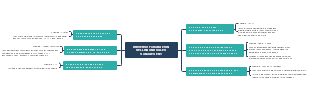
Marketing Campaign Plan White Paper Mind Map
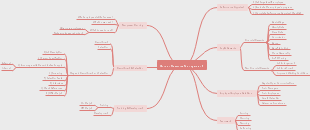
Creating a proper marketing campaign is one of the best ways to launch your white paper. As you see in the following mind map, marketing campaigns help the business owners decide the best way to attract the audience, increase the website's overall traffic, generate newsletters, and more. Such mind map templates are highly valuable to those business enthusiasts who tend to release multiple white papers. This way, they can use this marketing campaign mind map templates as a reference for all the subsequent launches. This marketing campaign mind map is available for you to download from EdrawMind. Depending on your needs and requirements, you can customize these mind maps using the amazing features EdrawMind offers.
Edited at 2022-07-21 12:15:24
- 30 Best Online Education Sites for Free
Sites For Free Online Education allow you to learn courses during your free time. These websites' courses are provided by prestigious universities. You can learn a certain subject without spending a lot of money. These websites include a wealth of audio, video, articles, and e-books to help you learn more. You may use the platforms to learn the greatest free online courses.
- Toxic Work Environment Mind Map
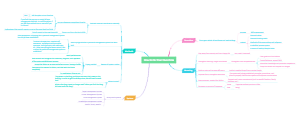
This Toxic Work Environment Mind Map depicts any workplace where the atmosphere has a negative impact on employees and disrupts their career growth. If you work in a toxic workplace, it is critical to recognize it early on to take the required steps to mitigate any harm it may cause to your mental health or workplace development. When you speak up, managers and coworkers do not listen. This is the first sign that your workplace is toxic. Employees who deal with problems daily are a reliable source for finding solutions, so if your input is not valued, it is likely a sign that management does not prioritize their employees, as illustrated in this Toxic Work Environment Mind Map.
- Time Management
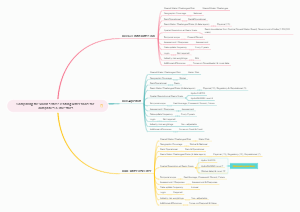
The process of planning or controlling how much time one should spend on specific activities is known as time management. Good time management lets an individual accomplish more in less time, reduces stress, and leads to career success. It is essential to be able to manage your time effectively. Good time management always leads to increased efficiency and productivity, less stress, and greater life success. Good time management lets you devote more time to your daily activities. People who can effectively manage their time enjoy having more time to devote to hobbies or other personal pursuits.
Marketing Campaign Plan White Paper Mind Map
- 30 Best Online Education Sites for Free
Sites For Free Online Education allow you to learn courses during your free time. These websites' courses are provided by prestigious universities. You can learn a certain subject without spending a lot of money. These websites include a wealth of audio, video, articles, and e-books to help you learn more. You may use the platforms to learn the greatest free online courses.
- Toxic Work Environment Mind Map
This Toxic Work Environment Mind Map depicts any workplace where the atmosphere has a negative impact on employees and disrupts their career growth. If you work in a toxic workplace, it is critical to recognize it early on to take the required steps to mitigate any harm it may cause to your mental health or workplace development. When you speak up, managers and coworkers do not listen. This is the first sign that your workplace is toxic. Employees who deal with problems daily are a reliable source for finding solutions, so if your input is not valued, it is likely a sign that management does not prioritize their employees, as illustrated in this Toxic Work Environment Mind Map.
- Time Management
The process of planning or controlling how much time one should spend on specific activities is known as time management. Good time management lets an individual accomplish more in less time, reduces stress, and leads to career success. It is essential to be able to manage your time effectively. Good time management always leads to increased efficiency and productivity, less stress, and greater life success. Good time management lets you devote more time to your daily activities. People who can effectively manage their time enjoy having more time to devote to hobbies or other personal pursuits.
- Recommended to you
- Outline