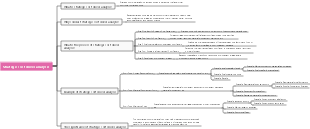
MindMap Gallery Strategic cost driver analysis
The driver analysis outline of strategic costs covers supply and demand relationships, production costs, market changes, technological innovation, competitive pressures, capital investment, regulations and policies, human resources, quality control and environmental factors.
Edited at 2022-09-15 10:13:26This is a mind map about bacteria, and its main contents include: overview, morphology, types, structure, reproduction, distribution, application, and expansion. The summary is comprehensive and meticulous, suitable as review materials.

This is a mind map about plant asexual reproduction, and its main contents include: concept, spore reproduction, vegetative reproduction, tissue culture, and buds. The summary is comprehensive and meticulous, suitable as review materials.
This is a mind map about the reproductive development of animals, and its main contents include: insects, frogs, birds, sexual reproduction, and asexual reproduction. The summary is comprehensive and meticulous, suitable as review materials.
This is a mind map about bacteria, and its main contents include: overview, morphology, types, structure, reproduction, distribution, application, and expansion. The summary is comprehensive and meticulous, suitable as review materials.
This is a mind map about plant asexual reproduction, and its main contents include: concept, spore reproduction, vegetative reproduction, tissue culture, and buds. The summary is comprehensive and meticulous, suitable as review materials.
This is a mind map about the reproductive development of animals, and its main contents include: insects, frogs, birds, sexual reproduction, and asexual reproduction. The summary is comprehensive and meticulous, suitable as review materials.
Strategic cost driver analysis
Changes in consumer demand: Consider factors such as population growth, income levels and consumption habits, and analyze the impact on the supply and demand of products or services.
Population growth rate: Consider the impact of population growth on market demand.
Changes in revenue levels: Analyze the impact of revenue growth or decline on product sales.
Changes in consumption habits: Study consumers’ purchasing decisions and understand the impact of changes in habits on demand.
Supply chain management: Consider key factors such as raw material supply, production capacity and logistics, and analyze the impact of supply and demand relationships on costs.
Raw material supply stability: Study the stability of the raw material supply chain and analyze the impact of supply risks on costs.
Capacity Utilization: Evaluate the impact of changes in capacity utilization on costs.
Logistics costs: Analyze the impact of changes in logistics costs on supply and demand relationships and costs.
Cost of production
Labor costs: Considering human resources and labor market factors, analyze the impact of labor costs on production costs.
Human resource supply: Assessing the quantity and quality of personnel available in the labor market.
Labor cost adjustment: Study the impact of changes in labor costs on corporate costs.
Raw material costs: Analyze the impact of changes in raw material prices and supply on production costs.
Raw material price fluctuations: Study the impact of raw material price changes on costs.
Raw material supply stability: Evaluate the impact of raw material supply reliability and stability on costs.
Energy and equipment costs: Consider changes in energy prices and equipment maintenance costs to analyze the impact on production costs.
Energy price fluctuations: Analyze the impact of changes in energy prices on costs.
Equipment maintenance costs: Study the impact of changes in equipment maintenance costs on production costs.
Changes in the market
Changes in market size: Analyze the impact of changes in market size on corporate sales and revenue.
Market Growth Rate: Evaluates the impact of growth or decline in market size on sales and revenue.
Market share changes: Study the impact of changes in market share on sales and revenue.
Degree of market competition: Consider the number of competitors and market concentration, and analyze the impact on corporate pricing and market share.
Number of competitors: Study the impact of changes in the number of competitors on market share.
Market concentration: Evaluate the impact of changes in market concentration on a company's pricing and market share.
Structural changes in market demand: Consider structural changes in market demand and analyze the impact on product or service pricing and sales strategies.
Changes in consumer demand: Study the impact of changes in consumer demand for products or services on corporate sales strategies.
Emergence of product substitutes: Evaluate the impact of the emergence of substitutes on sales and market share.
technological innovation
Technological progress: Consider factors such as technological innovation and digital transformation, and analyze the impact on production efficiency and costs.
Speed of technological innovation: Study the impact of the speed of technological innovation on enterprise production efficiency.
Digital Transformation: Assess the impact of digital transformation on production processes and cost control.
Intellectual property protection: Consider the degree of intellectual property protection and analyze the impact of technological innovation on corporate competitiveness and costs.
Strength of intellectual property protection: Study the impact of the degree of intellectual property protection on technological innovation and competitiveness.
competitive pressure
Price competition: Consider competitors' pricing strategies and analyze the impact on corporate pricing and market share.
Pricing strategy: Study the impact of competitors' pricing strategies on corporate sales and market share.
Price elasticity: Evaluates the impact of changes in a product's sales price on sales volume and market share.
Innovation competition: Study the innovation capabilities and market response speed of competitors, and analyze the impact on corporate innovation investment and product upgrades.
Innovation capability: Consider the impact of competitors' technical strength and R&D capabilities on corporate innovation investment.
Market reaction speed: Study the impact of competitors' sensitivity to market changes on corporate product upgrades.
capital investment
Return on investment: Considering factors such as capital investment and capital structure, analyze the impact of return on investment on corporate costs and competitiveness.
Capital investment scale: Study the impact of capital investment scale on enterprise costs and production capacity.
Capital structure: Evaluate the impact of capital structure on corporate financing costs and competitiveness.
Capital market changes: Consider the situation of the financial market and analyze the impact of capital market changes on corporate financing costs and investment.
Interest rate changes: Study the impact of interest rate changes on corporate financing costs and investment.
Capital market fluctuations: Assess the impact of capital market fluctuations on corporate financing costs and capital raising.
Regulations and policies
Industry regulatory policies: Study the impact of government regulatory policies on industries on the costs and development of enterprises.
Industry entry conditions: Consider the impact of government restrictions on industry entry on enterprise development and costs.
Industry standard requirements: Evaluate the impact of government requirements on industry business standards on enterprise costs and competitiveness.
Tax policy: Analyze the impact of tax policy on corporate profits and investment.
Changes in tax rates: Study the impact of changes in tax rates on corporate profits and investment.
Tax preferential policies: Evaluate the impact of tax preferential policies on corporate costs and competitiveness.
human Resources
Talent recruitment and retention: consider talent supply and retention strategies, and analyze the impact on human resource costs and competitiveness