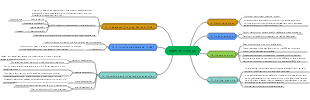
MindMap Gallery PMP136 Tools
The mind map of 136 PMP tools includes 28. Three types of pre-assigned people; 29. Virtual team; 30. Centralized office; 31. Communication needs analysis; 32. Communication technology; 33. Communication model.
Edited at 2021-12-02 18:10:16This is a mind map about bacteria, and its main contents include: overview, morphology, types, structure, reproduction, distribution, application, and expansion. The summary is comprehensive and meticulous, suitable as review materials.

This is a mind map about plant asexual reproduction, and its main contents include: concept, spore reproduction, vegetative reproduction, tissue culture, and buds. The summary is comprehensive and meticulous, suitable as review materials.
This is a mind map about the reproductive development of animals, and its main contents include: insects, frogs, birds, sexual reproduction, and asexual reproduction. The summary is comprehensive and meticulous, suitable as review materials.
This is a mind map about bacteria, and its main contents include: overview, morphology, types, structure, reproduction, distribution, application, and expansion. The summary is comprehensive and meticulous, suitable as review materials.
This is a mind map about plant asexual reproduction, and its main contents include: concept, spore reproduction, vegetative reproduction, tissue culture, and buds. The summary is comprehensive and meticulous, suitable as review materials.
This is a mind map about the reproductive development of animals, and its main contents include: insects, frogs, birds, sexual reproduction, and asexual reproduction. The summary is comprehensive and meticulous, suitable as review materials.
PMP136 tools (4)
28. Pre-assign three types of people
The person named in the project charter
The person promised in the bid document
Specially scarce professionals
29. Virtual Team
telecommute. More time is needed to set clear expectations, facilitate communication, develop conflict resolution methods, bring people together in decision-making, understand cultural differences, and share the joy of success
30. Centralized office
Enhance teamwork by colocating the most active project members in the same physical location. Can be either temporary or throughout the project
31. Communication needs analysis
Number of potential communication channels = N (N-l)/2
Organization Chart
Responsibilities, relationships and interdependencies between the project organization and relevant parties
How many people are participating in the project and where?
Disciplines, departments and majors involved in the project
Internal information needs (how to communicate within the organization)
External information needs (how to communicate with the media, the public or contractors)
32. Communication technology
Factors that influence the choice of communication technology include: urgency of information need, availability and reliability of technology, ease of use, project environment, feedback, communication competency, non-verbal skills, presentation, sensitivity and confidentiality of information
33. Communication model
Encoding, sending, decoding, confirming receipt, feedback on understanding
The most important thing in communication is not what you express, but what the other party receives and understands
34. Communication methods
1. Interactive communication
Consensus needs to be reached quickly, information exchanged in real time: phone calls and meetings
2. Push communication
Not much information and objects. Send emails, reports, letters, press releases to recipients
3. Pull communication
There is a lot of information and objects. Build websites, write Weibo, bulletin boards, online courses
Main communication needs
Face to face; group communication, three to six people;
Public communication, to a group of people; mass communication, to a person or group sending information;
Network and social communication tools
40. Stakeholder participation evaluation matrix
Compare stakeholder engagement levels to expectations
Participation levels are divided into: unaware type; resistant type; neutral type; supportive type; leadership type
39. Stakeholder mapping analysis
related cube
Methods for classifying relevant parties, such as: power and interest grid, power influence grid, role influence grid
Role refers to the ability of interested parties to change the project plan or execution
Influence refers to the extent to which interested parties proactively participate in the project
Interest refers to the extent to which stakeholders care about the results of the project
Power refers to the authority of the relevant parties
highlight model
Used to determine the relative importance of identified parties by assessing their power, urgency, and legitimacy
Influence direction
Up, down, outward, sideways
Prioritization
If there are a large number of relevant parties with frequent changes and complex relationships, it is necessary to prioritize them.
38. Bidders’ meeting
The purpose is to ensure that all bidders have a clear and consistent understanding of the procurement requirements
And make sure no bidder gets special treatment. Fair!
37. Supplier selection analysis
State the evaluation method in the procurement documents so bidders understand how they will be evaluated
sole source
Select only specific sellers
fixed budget
Make choices based on fixed costs
Qualifications only
For small quantity purchases, select suppliers that meet the requirements through a defined short list
lowest cost
Suitable for standardized or routine procurement
Score based on quality or technical solutions
36. Contract type
lump sum contract
Fixed Total Price FFP: Favorite
Total Price Incentive Fee FPIF
Total Price Economic Price Adjustment Contract FP-EPA
cost reimbursement contract
Cost fixed fee CPFF (fixed amount)
Cost Incentive fee CPIF (pay-as-you-go)
lowest fee
Cost Award Fee CPAF (Subjective Judgment Award)
Work and Materials Contract Time and Means Contract
Work and materials contract: scope is very unclear; cost compensation: somewhat clear; lump sum contract: very clear
Work and material contracts are fast
35. Communication skills
communication competency
Helps clarify the purpose of key information, build effective relationships, enable information sharing and take leadership actions
feedback
Reactive information about communications, deliverables, or situations, such as coaching, coaching, and consultation.
nonverbal skills
Convey meaning through appropriate body language such as gestures, intonation and facial expressions
Demo
A presentation is the formal delivery of information and documents.