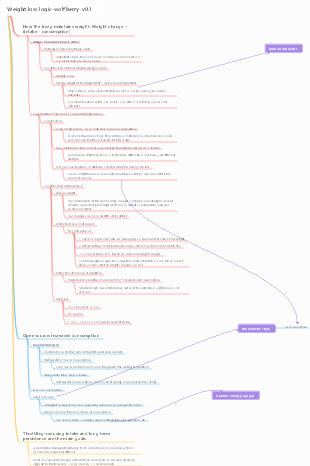
MindMap Gallery One month of healthy recipes and exercise plan for weight loss
Here are detailed healthy recipes and diet plans, detailed exercise plans, and other precautions to help you lose weight successfully within a month! Available for reference.
Edited at 2023-09-07 11:02:46This is a mind map about bacteria, and its main contents include: overview, morphology, types, structure, reproduction, distribution, application, and expansion. The summary is comprehensive and meticulous, suitable as review materials.

This is a mind map about plant asexual reproduction, and its main contents include: concept, spore reproduction, vegetative reproduction, tissue culture, and buds. The summary is comprehensive and meticulous, suitable as review materials.
This is a mind map about the reproductive development of animals, and its main contents include: insects, frogs, birds, sexual reproduction, and asexual reproduction. The summary is comprehensive and meticulous, suitable as review materials.
This is a mind map about bacteria, and its main contents include: overview, morphology, types, structure, reproduction, distribution, application, and expansion. The summary is comprehensive and meticulous, suitable as review materials.
This is a mind map about plant asexual reproduction, and its main contents include: concept, spore reproduction, vegetative reproduction, tissue culture, and buds. The summary is comprehensive and meticulous, suitable as review materials.
This is a mind map about the reproductive development of animals, and its main contents include: insects, frogs, birds, sexual reproduction, and asexual reproduction. The summary is comprehensive and meticulous, suitable as review materials.
One month of healthy recipes and exercise plan for weight loss
recipe
breakfast
Eat high-protein foods every morning, such as eggs, oatmeal, and whole-wheat bread
Pair it with a serving of fruit, such as an apple or banana
Drink green or black tea without added sugar or milk
Lunch
Eat foods containing protein and fiber at noon every day, such as chicken breast, fish, and tofu
Serve with a green salad or vegetable stir-fry
Try to avoid deep-fried or high-fat foods when preparing meals
dinner
Limit carbohydrate intake each night, such as a small amount of rice, noodles or whole wheat bread
Serve with a side of lean meat or fish
Eat small amounts of fresh vegetables or salads
Intermittent food
Eat a portion of fruit or nuts, such as apples, oranges, and walnuts, in the morning and afternoon
Avoid foods and snacks high in sugar
You can drink light soups in moderation, such as chicken soup or vegetable soup
exercise plan
Aerobic exercise
Perform aerobic exercise 3 to 5 times a week, such as jogging, skipping, swimming
Each session lasts 30 to 45 minutes
Choose an aerobic exercise program that suits you based on your personal abilities and interests
Strength Training
Perform strength training such as weightlifting, push-ups, and squats 2 to 3 times a week
For a full-body workout, do 2 to 3 sets of 10 to 12 reps per muscle group.
You can use your own body weight or assistive equipment such as dumbbells and elastic bands.
Stretching exercises
Stretch for 5 to 10 minutes before and after each exercise session
Stretch that targets muscles throughout the body, with special emphasis on the legs, back and shoulders
daily walk
Maintain a certain amount of walking every day, it is recommended to walk 10,000 to 15,000 steps
Try to walk instead of taking the elevator or public transportation
Take a short walk between work or during breaks
Other things to note
diet
Eat a balanced diet, including whole grains, vegetables, fruits, protein and moderate amounts of fat
Avoid eating too much salt, sugar and fatty foods
Pay attention to your daily energy intake and control your overall caloric intake
drink water
Keep your water intake at 8 to 10 glasses a day
Drink water or light tea and avoid excessive drinks and sugary drinks
Increase the amount of water you drink according to personal circumstances, such as during exercise or when the temperature is high
sleep
Get 7 to 8 hours of good sleep every night
Try to avoid strenuous exercise, caffeinated drinks and electronic devices before bed
Create a comfortable and quiet sleeping environment to ensure adequate rest
Persistence and Adaptation
Determine a reasonable goal and develop a weight loss and health plan that suits you
Don’t blindly pursue rapid weight loss, but focus on long-term balanced changes.
Try to avoid excessive dieting and excessive exercise, and maintain a moderate and balanced healthy approach