MindMap Gallery Diet plan
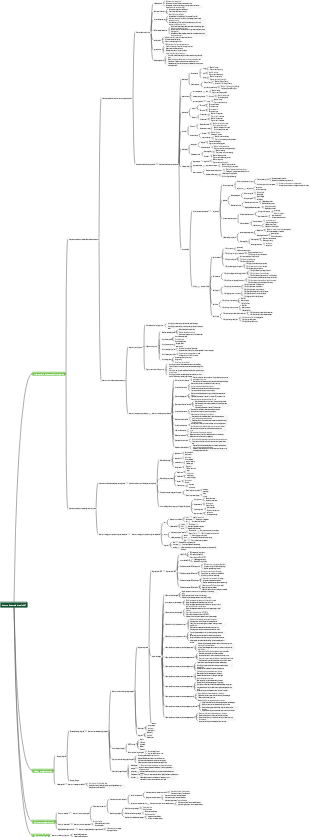
The mind map of the weight loss plan covers aerobic exercise, strength training, leisure activities, diet, sleep, psychological adjustment, and health monitoring. Everyone is welcome to learn from it.
Edited at 2023-09-03 04:41:40This is a mind map about bacteria, and its main contents include: overview, morphology, types, structure, reproduction, distribution, application, and expansion. The summary is comprehensive and meticulous, suitable as review materials.

This is a mind map about plant asexual reproduction, and its main contents include: concept, spore reproduction, vegetative reproduction, tissue culture, and buds. The summary is comprehensive and meticulous, suitable as review materials.
This is a mind map about the reproductive development of animals, and its main contents include: insects, frogs, birds, sexual reproduction, and asexual reproduction. The summary is comprehensive and meticulous, suitable as review materials.
This is a mind map about bacteria, and its main contents include: overview, morphology, types, structure, reproduction, distribution, application, and expansion. The summary is comprehensive and meticulous, suitable as review materials.
This is a mind map about plant asexual reproduction, and its main contents include: concept, spore reproduction, vegetative reproduction, tissue culture, and buds. The summary is comprehensive and meticulous, suitable as review materials.
This is a mind map about the reproductive development of animals, and its main contents include: insects, frogs, birds, sexual reproduction, and asexual reproduction. The summary is comprehensive and meticulous, suitable as review materials.
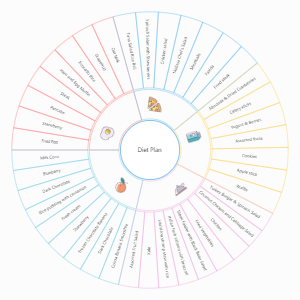
Diet plan
Aerobic exercise
Running: You can do it outdoors or on a treadmill, at least 30 minutes each time, and gradually increase the time and intensity.
Swimming: full-body exercise, which can effectively burn calories, 2-3 times a week, at least 30 minutes each time
Cycling: You can choose outdoor cycling or indoor spinning, at least 30 minutes each time
Strength Training
Dumbbell training: You can perform presses, bench presses, squats and other movements, 2-3 times a week, each time in groups
Weight training: You can perform push-ups, sit-ups, squats and other actions, at least 3-4 groups each time
Leisure activities
Walking: Keep walking every day to increase physical activity, preferably outdoors
Game sports: such as badminton, table tennis, etc., which can not only exercise but also increase fun
diet
Control intake
Meal-sharing system: Each meal is divided into three parts: staple food, protein and vegetables and fruits, and the portion of each part is reasonably controlled.
Food record: record your daily diet to keep track of your daily calorie intake
Proper combination of food
More fruits and vegetables: Increase the intake of vegetables and fruits, providing rich fiber and vitamins
Low-fat diet: Choose low-fat foods such as lean meats, fish, and low-fat dairy products
High protein: Consume moderate amounts of protein such as eggs, beans, and dairy products
Pay attention to eating habits
Less oil and less salt: Reduce the intake of oil and salt and choose light-flavored foods.
Eat less snacks: Avoid excessive consumption of sugary and high-fat snacks, such as chocolate, potato chips, etc.
Eat meals at regular intervals: maintain regular eating habits and avoid overeating when hungry
sleep
Develop good sleeping habits
Sleep at a regular time: maintain a fixed bedtime every day and develop a regular work and rest habit
Avoid naps: If you need to take a nap, try to keep it within 30 minutes to avoid affecting your sleep at night.
Create a good sleeping environment
Keep quiet: Reduce external interference, such as turning off the TV, mobile phones, etc., and equip yourself with earplugs and eye masks
Comfort temperature: keep the room at a suitable temperature, have good ventilation, and use comfortable bedding
relax
Clear your mind: Before going to bed, you can practice meditation, deep breathing and other relaxing activities to help you fall asleep.
Avoid strenuous exercise: Try to avoid strenuous exercise 2 hours before going to bed to avoid being too excited to fall asleep.
psychological adjustment
set a goal
Reasonable goals: Set reasonable weight loss goals and do not pursue excessive weight loss.
Long-term planning: Develop a long-term weight loss plan, including target weight and time schedule
Persistence and rewards
Adhere to principles: persist when encountering difficulties and do not give up easily
Self-reward: Give yourself rewards when you reach milestones to stay motivated
seek support
Communication and sharing: Share weight loss experiences and problems with others, and get support and advice.
Find a partner: Go on a weight loss plan with a friend or family member to monitor and encourage each other
health monitoring
Regular physical examination
Check body indicators: including weight, blood pressure, blood sugar, etc. to understand your physical condition
Troubleshooting potential problems: Discover potential health problems through physical examination, and provide timely treatment and adjustment plan
record progress
Weight record: measure your weight regularly and record the progress and effect of weight loss
Body changes: observe body changes, such as waist circumference, hip circumference, etc., and record the change trend
Seek professional guidance
Consult experts: such as nutritionists, fitness coaches, etc., to obtain professional guidance and advice based on personal circumstances
Participate in activities: Attend weight loss camps, health lectures, etc. to expand your knowledge and receive support and encouragement