MindMap Gallery How to carry out scientific physical training
This is an article about how to carry out scientific physical training? Mind map, the main contents include food, training methods, and training plans.
Edited at 2022-07-31 15:37:57This is a mind map about bacteria, and its main contents include: overview, morphology, types, structure, reproduction, distribution, application, and expansion. The summary is comprehensive and meticulous, suitable as review materials.

This is a mind map about plant asexual reproduction, and its main contents include: concept, spore reproduction, vegetative reproduction, tissue culture, and buds. The summary is comprehensive and meticulous, suitable as review materials.
This is a mind map about the reproductive development of animals, and its main contents include: insects, frogs, birds, sexual reproduction, and asexual reproduction. The summary is comprehensive and meticulous, suitable as review materials.
This is a mind map about bacteria, and its main contents include: overview, morphology, types, structure, reproduction, distribution, application, and expansion. The summary is comprehensive and meticulous, suitable as review materials.
This is a mind map about plant asexual reproduction, and its main contents include: concept, spore reproduction, vegetative reproduction, tissue culture, and buds. The summary is comprehensive and meticulous, suitable as review materials.
This is a mind map about the reproductive development of animals, and its main contents include: insects, frogs, birds, sexual reproduction, and asexual reproduction. The summary is comprehensive and meticulous, suitable as review materials.
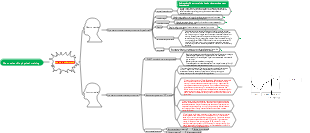
How to carry out scientific physical training?
food
Three major energy supplies
carbohydrate
Commonly known as "sugar", it is consumed first when supplying energy.
Fat
When the carbohydrates are used up, start using fat for energy
protein
Last supply, if protein is consumed for energy, it may be life-threatening
Meal arrangements
breakfast
Lunch
dinner
Easy to digest
low GI foods
Don't eat too much
dietary support plan
Build muscle
fat loss
Plasticity
training method
Track and Field
Warm up before running
arm
thigh
calf
waist and abdomen
Leg raises for 40 seconds
running action
breathing pattern
nasal breathing
mouth breathing
When running in winter, you can press your tongue against the back of your upper teeth to allow air to enter the respiratory tract through the gap between the tongue and prevent dry mouth.
Thoracic and abdominal combined breathing
Foot landing method
Forefoot touches the ground
1. Increase speed cautiously
Heel touches down
The post-modern landing method requires the cushioning ability of running shoes 1. Don’t take too big a step 2. The landing point needs to be directly below the body 3. You need to relax your thigh muscles frequently 4. Increase running distance cautiously
Teacher Zizhang’s point of view
stride length
Small steps, high cadence
To protect your knees, this method is recommended
big steps
Running technique analysis
Lactate ThresholdLT
Reflects the critical point when the body's metabolic energy supply mode transitions from aerobic to anaerobic. How long do you run to determine your lactate threshold?
Maximum oxygen uptake VO2max
An important indicator reflecting the human body’s aerobic exercise capacity How fast you run depends on your maximum oxygen uptake
Key points for improving indicators: gradually and stably accumulating running volume Carry out basic training, strength training, and speed training
maximum heart rate
If you are close to this limit frequently or for a long time, your body will have difficulty adapting to this pressure, which is a sign of danger.
resting heart rate
exercise recovery heart rate
Running lifting moves
sumo squat
slow down
Achieve exhaustion X3 sets
twice a week
jump rope
barefoot
Cordless skipping rope
Improve foot and ankle strength
running uphill
Foam roller massage
Rest and training are equally important. The general recommendation is to run two days and rest one day. On rest days, you can increase strength training.
Post-run stretching
arm
thigh
calf
fascia gun relaxation
Strength Training
Squats, calf raises
Two exercises that are great for thigh and calf muscles
core
training plan
Practice 4 days a week, take two days off
Two days of rest can be combined with strength training
Increase understanding of dietary support programs