 Wondershare EdrawMind
MindMap Gallery Acessar banco de dados
- 10
Acessar banco de dados
O banco de dados Access possui notas de estudo supercompletas. A tecnologia de banco de dados é uma parte importante da moderna ciência e tecnologia da informação. Departamento de Processamento de Dados Informáticos e Gestão de Informação o núcleo do sistema.
Edited at 2024-02-10 20:14:12
- Recommended to you
- Outline
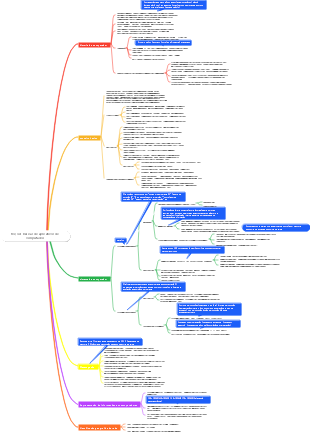
Acessar banco de dados
conceito básico
A tecnologia de banco de dados é uma parte importante da moderna ciência e tecnologia da informação e é o núcleo dos sistemas de processamento de dados e gerenciamento de informações.
A forma dos dados pode ser números, texto, gráficos ou sons, etc.
Características do gerenciamento de dados na etapa de gerenciamento manual: os dados não são salvos e os dados precisam ser gerenciados pela própria aplicação; eles mesmos
Características do gerenciamento de dados na fase de gerenciamento de arquivos: os dados podem ser salvos por um certo grau de independência e são gerenciados pelo sistema de arquivos;
As características do gerenciamento de dados no estágio do sistema de banco de dados: fornecer aos usuários uma interface de usuário conveniente; fornecer funções de controle de dados com alta independência de dados;
Recursos do sistema de banco de dados
Estruturação de dados
compartilhamento de dados
Redundância controlável (os dados não são repetidos)
Tenha alta independência de dados
Gerenciamento e controle unificados
O sistema de gerenciamento de banco de dados serve como interface entre usuários e bancos de dados
As operações nos dados não são necessariamente realizadas em unidades de registros, mas também podem ser realizadas em unidades de itens de dados, o que aumenta a flexibilidade do sistema.
Funções do sistema de gerenciamento de banco de dados
definição de dados
Operações de dados
Gerenciamento de operação de banco de dados
Funções de criação e manutenção de banco de dados
Arquitetura de banco de dados
nível externo
nível de conceito
nível interno
Modelo de dados de correspondência um para um
modelo conceitual
modelo de dados lógicos
modelo de dados físicos
O modelo de dados relacionais, denominado modelo relacional, consiste em três partes: estrutura de dados, operações relacionais e integridade relacional.
Um relacionamento corresponde a uma tabela bidimensional
O atributo mínimo ou conjunto de atributos que pode identificar exclusivamente uma linha em uma tabela é chamado de chave primária.
Em um banco de dados relacional, para realizar a conexão entre tabelas, a chave principal de uma tabela é colocada em outra tabela como ligação entre os dados. Esses atributos que possuem função de conexão em outra tabela são chamados de chaves estrangeiras.
As propriedades que um relacionamento deve satisfazer
Os componentes de cada tupla (registro) do relacionamento devem ser atômicos, ou seja, cada coluna da tabela não pode ser subdividida.
O valor de cada coluna da tabela só pode ser obtido do mesmo campo, não sendo permitidas duas linhas idênticas.
A ordem das linhas e colunas na tabela pode ser trocada arbitrariamente
Regras de restrição de integridade da entidade: significa que a chave primária no relacionamento não permite valores nulos
Regras de restrição de integridade referencial: também chamadas de regras de integridade referencial, o que significa que registros que não existem não podem ser referenciados.
Regras de restrição de integridade definidas pelo usuário: referem-se às restrições de tipo de dados, comprimento, faixa de valores, etc. de cada dado no esquema relacional, que são controladas uniformemente pelo usuário por meio da linguagem de dados fornecida pelo SGBD relacional.
Três elementos de operações de álgebra relacional: [operando, resultado] (relacionamento), operador
As operações de conjunto tradicionais incluem união, interseção e diferença, que são usadas para implementar operações de dados como inserção, exclusão e modificação.
Operações relacionais especializadas incluem projeção, seleção e conexão, usadas para implementar consultas de dados
SQL consiste em quatro partes: definição de dados, manipulação de dados, controle de dados e regulamentos para uso de SQL incorporado.
Principais características da linguagem SQL
A linguagem SQL é semelhante à linguagem natural do inglês, simples e fácil de usar
A linguagem SQL é uma linguagem não processual, ou seja, o usuário só precisa perguntar o que fazer, e não precisa se preocupar em como fazer, nem precisa saber o caminho de acesso dos dados, ele só precisa para especificar os dados necessários.
A linguagem SQL é uma linguagem orientada a conjuntos. O objeto de operação de cada comando é um ou mais relacionamentos, e o resultado também é um relacionamento.
A linguagem SQL é uma linguagem independente e uma linguagem incorporada. Pode ser usado de forma independente ou incorporado no idioma hospedeiro
A linguagem SQL integra consulta de dados, definição de dados, manipulação de dados, controle de dados e outras funções
O conteúdo do design de banco de dados inclui dois aspectos: design de recursos estruturais e design de recursos comportamentais.
Princípios básicos de design de banco de dados: simplicidade, não redundância
As etapas de design de banco de dados são geralmente divididas em sete estágios: planejamento, análise de requisitos, design conceitual, design lógico, design físico, estágios de implementação, operação e manutenção.
conhecimento básico
Access é um sistema de gerenciamento de banco de dados relacional de desktop poderoso e fácil de usar
Os construtores de aplicativos fornecidos pelo Access2010 incluem: construtor de tabelas, construtor de consultas, construtor de macros, designer de relatórios
Na visualização de design da tabela, cada campo possui uma categoria de design. O acesso permite nove tipos de dados, texto, nota, número, data/hora, moeda, sim/não, objeto CLE, hiperlink e anexo.
Você pode usar o operador LIKE para encontrar valores de campo que correspondam ao padrão especificado. Para o padrão, você pode especificar um valor completo ou usar curingas para encontrar valores dentro de um determinado intervalo.
O processo de usar tecnologia de banco de dados para gerenciar dados
banco de dados de projeto
construir banco de dados
Crie tabelas, índices e visualizações no banco de dados
Execute diversas operações nos dados do banco de dados, incluindo inserção, modificação, exclusão, consulta, estatística, análise, etc.
manutenção de banco de dados
Etapas para estabelecer um relacionamento entre tabelas: Abrir o banco de dados - iniciar a ferramenta de relacionamento - adicionar uma tabela de relacionamento - visualizar o diagrama de relacionamento - criar um relacionamento de tabela
Acesse o sistema de gerenciamento de banco de dados
Índice é uma tecnologia que organiza os registros na tabela de dados de maneira ordenada de acordo com a ordem de uma determinada palavra-chave ou valor de expressão de palavra-chave na tabela de dados.
Uma visualização é um tipo especial de tabela de dados, que geralmente consiste em alguns campos de texto ou registros em uma ou mais tabelas (ou visualizações).
O objetivo de criar uma visualização
Garantir a integridade e integridade dos dados
Fácil de usar
Simplifique a operação e o gerenciamento do banco de dados
Linguagem de consulta estruturada SQL
SQL é uma linguagem de banco de dados relacional padrão que integra definição de dados, manipulação de dados, consulta de dados e funções de controle de dados. Sua função principal é a consulta.
Características da linguagem SQL
linguagem não processual
Funções poderosas e operação simples
Existem apenas nove funções principais: SELECT, CREATE, modificação DROP, modificação ALTEP, inserção INSERT, exclusão DELETE, atualização UPDATE e dois comandos menos comumente usados (GRANT, REVOKE)
Cláusula SQL
Use formulários do Access para implementar o processamento de dados
O formulário é a interface entre o usuário e o banco de dados Access. É uma interface de operação para os usuários usarem o Access para processar seus próprios dados.
Os elementos que compõem um formulário são chamados de controles
Os formulários são divididos em: formulário de coluna; formulário de apresentação de dados;
Existem três maneiras de criar um formulário: criar um formulário automaticamente, usar o assistente de formulário e usar o modo de design.
Os controles são objetos em um formulário ou relatório usados para exibir dados, executar operações ou decorar o formulário ou relatório.
Processamento de relatórios
Um relatório é um objeto no banco de dados Access, que imprime informações de dados formatadas de acordo com regras especificadas.
A fonte de dados do relatório pode ser uma tabela de dados ou consulta. O relatório pode agrupar, calcular e resumir os dados.
Funções de relatórios: saída de dados em formato formatado; pode resumir dados em grupos para enriquecer a exibição de dados;
A operação de relatório do Access oferece quatro visualizações: visualização de relatório, visualização de impressão, visualização de layout e visualização de design.
Tipo de relatório: Formato de coluna; Relatório de tabela dinâmica;
Processo de criação de relatório: selecione a fonte de registro, selecione a ferramenta de relatório e crie o relatório
Acesse a programação
No Access, a programação é o processo de adicionar funcionalidade a um banco de dados usando macros do Access ou código Visual Basic for Applications (VBA).
A decisão de usar macros, VBA ou ambos depende muito de como você planeja implantar ou distribuir seu banco de dados
Macros são ferramentas que permitem automatizar tarefas e adicionar funcionalidades a formulários, relatórios e controles