MindMap Gallery Adrenoceptor agonists
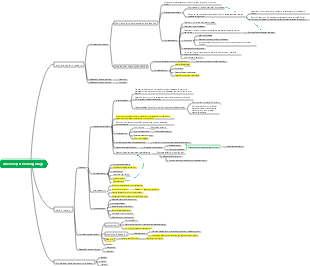
This is a mind map about adrenal receptor agonists. The main content includes: beta receptor agonists, alpha and beta receptor agonists, and alpha receptor agonists.
Edited at 2024-03-13 19:57:33This is a mind map about bacteria, and its main contents include: overview, morphology, types, structure, reproduction, distribution, application, and expansion. The summary is comprehensive and meticulous, suitable as review materials.

This is a mind map about plant asexual reproduction, and its main contents include: concept, spore reproduction, vegetative reproduction, tissue culture, and buds. The summary is comprehensive and meticulous, suitable as review materials.
This is a mind map about the reproductive development of animals, and its main contents include: insects, frogs, birds, sexual reproduction, and asexual reproduction. The summary is comprehensive and meticulous, suitable as review materials.
This is a mind map about bacteria, and its main contents include: overview, morphology, types, structure, reproduction, distribution, application, and expansion. The summary is comprehensive and meticulous, suitable as review materials.
This is a mind map about plant asexual reproduction, and its main contents include: concept, spore reproduction, vegetative reproduction, tissue culture, and buds. The summary is comprehensive and meticulous, suitable as review materials.
This is a mind map about the reproductive development of animals, and its main contents include: insects, frogs, birds, sexual reproduction, and asexual reproduction. The summary is comprehensive and meticulous, suitable as review materials.
Adrenoceptor agonists
alpha receptor agonists
Norepinephrine
Difficult to cross blood-brain barrier
No selectivity for α1 and α2 receptors
Pharmacological effects
to blood vessels
Excited α1
Small artery and vein contraction
The most obvious contraction of blood vessels in skin and mucous membranes, followed by renal blood vessels
Arouses blood vessel wall α2
Inhibits norepinephrine release
Weakly stimulates cardiac β2 receptors
Positivity
Increased cardiac excitatory metabolites (adenosine, etc.)
coronary vasodilation
to blood pressure
small dose
Systolic blood pressure increased, diastolic blood pressure did not increase significantly, and pulse pressure increased
large dose
Decreased pulse pressure
Clinical application
Norepinephrine should be used if blood pressure drops caused by chlorpromazine overdose
oral
Constrict blood vessels in the esophageal and gastric mucosa, producing local hemostasis
Adverse reactions
Too long intravenous infusion, too high concentration or leakage can cause ischemic necrosis
Use alpha blocker phentolamine for local infiltration injection to dilate blood vessels
Contraindications
hypertension
arteriosclerosis
Oliguria, anuria
Severe microcirculation disorder
pregnant woman
Metahydroxylamine
phenylephrine and methoxamine
Oxymetazoline and aclonidine
Dexmedetomidine
Alpha and beta receptor agonists
Adrenaline
Pharmacological effects
Activate cardiac beta receptors
Excites the heart, increases myocardial metabolism, and increases myocardial oxygen consumption
But overdose can also cause arrhythmia
to blood vessels
The effect depends on the distribution and number of α and β receptors on the vascular smooth muscle of each organ and the dosage.
Alpha receptors dominate, contract
Skin, mucous membranes, kidneys and gastrointestinal tract blood vessels, reduce permeability
β2 receptors dominate, relax
Skeletal muscle, liver
to blood pressure
biphasic reaction
Rapidly increase blood pressure after administration
Continuous weak blood pressure reduction
The pressor effect of epinephrine can be reversed by pre-administration of alpha-blocking drugs
to smooth muscle
Activates bronchial smooth muscle β2 receptors
Powerful bronchodilator effect
Inhibit the release of histamine and other allergic substances from mast cells
Stimulate alpha receptors in bronchial mucosa and blood vessels and contract
Improve body metabolism
No central stimulant effect
clinical effects
cardiac arrest
anaphylactic shock
Compatible with local anesthetics to delay local anesthetic absorption and prolong anesthesia
Treat glaucoma
Promote aqueous outflow
It is forbidden to use epinephrine to increase blood pressure due to chlorpromazine poisoning.
dopamine
Pharmacological effects
cardiovascular
Vasodilation at low concentrations
Binds to dopamine receptors (D1) located in the kidneys, mesentery and coronary arteries, and activates adenylyl cyclase to increase intracellular cAMP levels and cause vasodilation.
High concentrations of dopamine stimulate cardiac β1 receptors, enhance myocardial contractility, and increase cardiac output.
blood pressure
Large doses excite alpha receptors, constrict blood vessels, and increase blood pressure.
to the kidneys
Acts on D1 receptors at low concentrations
Diastolic renal blood vessels, increase renal blood flow, and increase glomerular filtration rate.
natriuretic effect
In large doses, it excites α-receptors in renal blood vessels and causes significant contraction of renal blood vessels.
Clinical application
shock
Dopamine is used in combination with diuretics in acute renal failure.
Adverse reactions
Overdose is most likely to cause tachycardia and ventricular fibrillation
Contraindicated in patients with pheochromocytoma
Ephedrine
Features
Can play an indirect role by promoting the release of norepinephrine from adrenergic nerve terminals
Adrenomimetic effects are weak but long-lasting
The strongest central stimulant effect
prone to develop tachyphylaxis
Two factors: gradual saturation of receptors and gradual depletion of transmitters
Pharmacological effects
Excites the heart, strengthens myocardial contractility and increases cardiac output.
The pressor effect occurs slowly but lasts for a long time
Can be used to prevent hypotension during spinal anesthesia
Clinical application
Mild bronchial asthma
Eliminate congestion of nasal mucosa
mephentermine
beta agonists
isoproterenol
Pharmacological effects
Has a strong agonistic effect on cardiac β2 receptors
positive inotropy
positive frequency
β2 receptor agonist
Dilate blood vessels, mainly skeletal muscle blood vessels
dilate bronchial smooth muscle
Inhibit the release of bronchial allergic substances
But there is no contraction effect of bronchial mucosal blood vessels
Adrenaline can stimulate α-receptors in bronchial mucosa and blood vessels, contracting
Clinical application
cardiac arrest
It has a pacing effect on the stopped heart and restores the beating of the heart.
Treatment of second and third degree atrioventricular block
Control bronchial asthma
shock
Dobutamine
Mirabellon