 Wondershare EdrawMind
MindMap Gallery Monographs on Pharmacology
- 36
Monographs on Pharmacology
Summary of basic medical pharmacological knowledge, including efferent nervous system drugs, Anesthetics, central nervous system drugs, Antipyretic, analgesic, anti-inflammatory drugs, etc.
Edited at 2024-03-12 13:08:38
- bacteria
This is a mind map about bacteria, and its main contents include: overview, morphology, types, structure, reproduction, distribution, application, and expansion. The summary is comprehensive and meticulous, suitable as review materials.
- Plant asexual reproduction
This is a mind map about plant asexual reproduction, and its main contents include: concept, spore reproduction, vegetative reproduction, tissue culture, and buds. The summary is comprehensive and meticulous, suitable as review materials.
- Reproductive development of animals
This is a mind map about the reproductive development of animals, and its main contents include: insects, frogs, birds, sexual reproduction, and asexual reproduction. The summary is comprehensive and meticulous, suitable as review materials.
Monographs on Pharmacology
- bacteria
This is a mind map about bacteria, and its main contents include: overview, morphology, types, structure, reproduction, distribution, application, and expansion. The summary is comprehensive and meticulous, suitable as review materials.
- Plant asexual reproduction
This is a mind map about plant asexual reproduction, and its main contents include: concept, spore reproduction, vegetative reproduction, tissue culture, and buds. The summary is comprehensive and meticulous, suitable as review materials.
- Reproductive development of animals
This is a mind map about the reproductive development of animals, and its main contents include: insects, frogs, birds, sexual reproduction, and asexual reproduction. The summary is comprehensive and meticulous, suitable as review materials.
- Recommended to you
- Outline
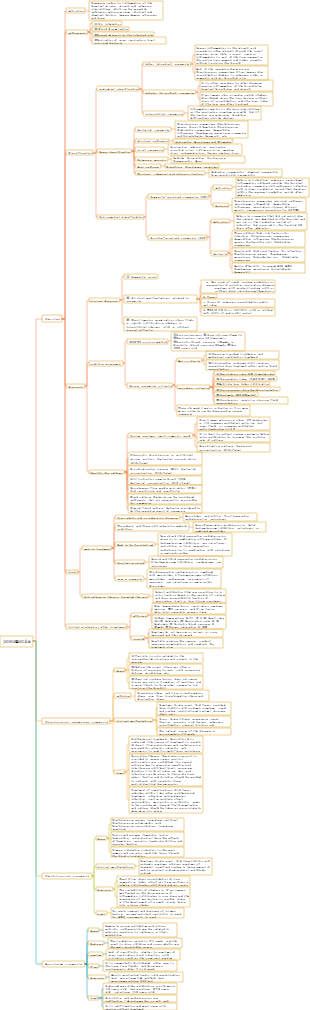

Monographs on Pharmacology
Efferent nervous system drugs
cholinergic drugs
M receptor agonists
Pilocarpine
1. Mimic pupils; 2. Reduce intraocular pressure; 3. Regulate spasm
The first choice for glaucoma; atropine poisoning rescue
anticholinesterase drugs
Reversibility
neostigmine
Directly excites skeletal muscles (most powerful) and smooth muscles
First choice for myasthenia gravis, postoperative abdominal distension, and urinary retention
! It is contraindicated in patients with mechanical intestinal obstruction, urinary tract infarction and bronchial asthma.
Irreversibility
Organophosphates
Poisoning mechanism: Inhibits the activity of cholinesterase (AChE), leading to excessive accumulation of acetylcholine
Diagnosis: Determination of AChE activity in red blood cells and plasma
Symptoms of poisoning: pinpoint pupils, garlic smell in exhaled breath, excessive sweating, myofibrillar tremors, respiratory depression (M, N-like manifestations, respiratory depression)
treat
Eliminate poisons: Repeat gastric lavage with 2% sodium bicarbonate aq or 1% saline until the effluent has no pesticide smell, and give magnesium sulfate to induce excretion.
Antidote drugs: 1. Atropine antagonizes the M-like effect of ACh; 2. AChE reactivation drugs: pralidoxime chloride (preferred), pralidoxime iodide, and phosphine; 3. Application principles: combination, early use, sufficient amount, and repetition
anticholinergics
M receptor blockers
atropine
1. Dilate pupils, increase intraocular pressure, and regulate paralysis
2. Inhibit gland secretion (sweat glands and salivary glands are the strongest)---administration before anesthesia (preventing respiratory tract obstruction and aspiration pneumonia)
3. Relax spasmodic visceral smooth muscle (various visceral colic) --- effective for gastrointestinal colic and bladder irritation symptoms. It is often used in combination with opioid analgesics for biliary colic and renal colic.
4. Accelerate cardiac conduction---brady arrhythmia, sinus bradycardia, atrioventricular block
5. Treat septic shock, relieve vasospasm, relax peripheral blood vessels, and improve microcirculation
! Contraindicated for glaucoma and prostatic hypertrophy
Scopolamine
Pre-anesthetic administration, motion sickness, seasickness
Adrenaline mimetic
Alpha and beta receptor agonists
Adrenaline
Exciting the heart and accelerating the heart rate---the first choice for cardiac arrest (intraventricular injection of the fourth rib and left sternal edge), and the first choice for anaphylactic shock (penicillin)
Constrict blood vessels (most powerful on skin and mucous membranes)---compatible with local anesthetics to delay the absorption of local anesthetics, extend the action time, and prevent poisoning; stop bleeding
Relax bronchial smooth muscle---bronchial asthma
Boost, buck (boost flip)
dopamine
Various shocks
Combined with diuretics, used in acute renal failure
alpha receptor agonists
Norepinephrine
Excites the heart but reflexively slows the heart rate
The blood vessels of the skin and mucous membranes contract significantly, followed by the renal blood vessels---after oral administration after dilution, the blood vessels of the esophageal and gastric mucosa contract to stop bleeding locally.
! Subcutaneous injection can cause ischemia and necrosis of local tissue and acute renal failure, so intravenous drip administration is required.
beta agonists
isoproterenol
anti-adrenergic drugs
alpha receptor blockers
Phentolamine
Treating Raynaud's Syndrome
beta blockers
propranolol
Sinus tachycardia first choice
Heart rate slows down, myocardial contractility and cardiac output decrease, myocardial oxygen consumption decreases, and blood pressure decreases---Treatment of tachyarrhythmia, stable angina, and hypertension
Inhibit sugar and fat metabolism---hyperthyroidism
! Severe left ventricular insufficiency, sinus bradycardia, severe atrioventricular block, and bronchial asthma are contraindicated.
Narcotics
local anesthesia
Procaine
Infiltration anesthesia (poor penetration is not used for topical anesthesia)! Anaphylaxis: Allergy may occur even if skin test is negative
lidocaine
The most widely used, “all-purpose local anesthetic”
The drug of choice for ventricular tachyarrhythmias and the drug of choice for arrhythmias caused by myocardial infarction
Tetracaine
Topical anesthesia (strongly penetrating mucous membranes, highly toxic and prone to toxic reactions, generally not used)
1. Toxic reactions (first excites and then inhibits the central nervous system); 2. Allergic reactions (urticaria, bronchospasm, laryngeal edema); 3. Prevent and treat barbiturates before local anesthesia.
Anesthesia
Induce anesthesia
Thiopental sodium
Used for short-term operations (quickly enter the operation period to avoid adverse reactions during the induction period, and then add other anesthetics to maintain anesthesia)
dissociative anesthesia
Ketamine
Temporary memory loss, confusion but not disappearance
Pre-anesthetic administration
atropine
Prevent respiratory obstruction and aspiration pneumonia
Diazepam (Dazepam)
Relieve anxiety and cause temporary memory loss in patients
Pethidine (Meperidine)
Analgesia and reduction of anesthetic dosage
central nervous system drugs
sedation hypnosis
Diazepam (valium) most commonly used drug
Dosage from small to large: anti-anxiety, sedative-hypnotic, anti-convulsant, anti-epileptic, central muscle relaxant
! There is addiction and dependence, and rebound and withdrawal may occur if discontinuation of use
Flumazenil antagonizes toxic reactions
Phenobarbital
Dosage from small to large: sedative-hypnotic, anti-convulsant, anti-epileptic, anesthesia
! It is contraindicated in patients with severe pulmonary insufficiency or respiratory depression caused by craniocerebral injury (high respiratory depression is the direct cause of death)
Sodium bicarbonate can rescue, severe poisoning can require dialysis
anti-epileptic
Grand mal attack
Phenytoin
Long-term use will cause 1. gingival hyperplasia; 2. accelerated Vd metabolism leading to rickets and osteomalacia.
! May cause teratogenicity and should not be used by pregnant women.
petit mal seizure
ethosuximide
Major seizures combined with petit mal seizures
sodium valproate
Hepatotoxic
neuromotor seizure
carbamazepine
The drug of choice for the treatment of peripheral neuralgia such as trigeminal nerve and glossopharyngeal nerve
persistent state
Diazepam (Dazepam)
anticonvulsant
Diazepam (Dazepam)
The drug of choice for anticonvulsants, but phenobarbital is the drug of choice for controlling convulsions in neonatal hypoxic-ischemic encephalopathy.
Magnesium sulfate
Oral: diarrhea, choleretic
External use: anti-inflammatory, swelling removal
Injectable administration: preferred for eclampsia
! Too high can cause respiratory depression, sudden drops in blood pressure, and cardiac arrest. Loss of tendon reflexes is a sign of respiratory depression---artificial respiration xxCa to counteract
Anti-Parkinson's
Levodopa, trihexyphenidyl
Antipsychotic
The drug of choice for precision fractionation
Chlorpromazine (Hibernating Spirit)
The first choice for depression
Imipramine
The first choice for anti-mania
Lithium carbonate
analgesics
Opioids
Morphine "three suppressants, two suppressors and one miosis"
Analgesia (severe pain, cancer pain)
Drug of choice for acute myocardial infarction
Biliary and renal colic can be relieved by adding atropine
calm
Antitussive
suppress breathing
Drug of choice for cardiac asthma
! Respiratory depression is the main cause of death from acute morphine poisoning. Rescue: artificial respiration, oxygen administration, and intravenous infusion of the opioid receptor blocker naloxone.
suppress immunity
Antidiarrheal (acute and chronic diarrhea)
Pre-anesthetic administration
! Bronchial asthma, pulmonary heart disease, childbirth analgesia, lactating women (will prolong the labor process, inhibit the breathing of newborns and infants), increased intracranial pressure (respiratory depression leads to CO2 retention into the brain tissue, dilates cerebral blood vessels, and increases intracranial pressure)
Synthetic
Pethidine (Meperidine)
Does not delay labor and is similar to morphine
cardiogenic asthma
Pre-anesthetic administration and artificial hibernation
Antipyretic, analgesic and anti-inflammatory drugs
Mechanism of action
Antipyretic
Only lowers the body temperature of those with fever
Analgesia (mainly for chronic dull pain and inflammatory pain)
Inhibits PG (prostaglandin) synthesis
Anti-inflammatory
Inhibits the synthesis of COX (cyclooxygenase)
aspirin
The drug of choice for acute rheumatic fever, anticoagulation (inhibiting platelet COX and reducing the formation of thrombus A2 in platelets), atrial fibrillation, pediatric Kawasaki disease
Adverse reactions: "Yang Guo saw blood with one knife"
Salicylic acid reaction: headache, dizziness and other symptoms of poisoning, intravenous infusion of sodium bicarbonate can be used to promote excretion
Allergic reactions: urticaria, edema, shock, etc., "aspirin asthma"
Reye's Syndrome: More common in adolescents and children, transient liver damage-encephalopathy
Gastrointestinal reactions (most common)
! It is easy to induce peptic ulcer. It is prohibited for people with peptic ulcer. Measures to reduce this reaction: 1. Take after meals; 2. Take enteric-coated tablets; 3. Taking antacids together
Bleeding: Prolongs bleeding time, aggravates bleeding tendency, and coagulation disorder. Vk can be used to prevent it and should be stopped one week before surgery.
Renal function impairment: inhibition of PG, water and sodium retention
Acetaminophen
The first choice for reducing fever in children
Suitable for those without obvious gastrointestinal irritation, children, and those with fever and pain and no obvious inflammation (anti-inflammatory effect is extremely weak)
Indomethacin, ibuprofen, etc.
antiarrhythmic drugs
Category 1a
Quinidine (broad-spectrum antiarrhythmic drug)
Adverse reactions: 1. Diarrhea (most common); 2. Cinchona reaction
Category 1b
lidocaine
The first choice for arrhythmia caused by myocardial infarction, injection administration
Phenytoin
Arrhythmia caused by cardiac glycoside poisoning,! Teratogenic, contraindicated in pregnant women
Category 1c
propafenone
Category 2
Propranolol (beta-blocker)
Sinus tachycardia first choice
Adverse reactions: Can cause sinus bradycardia, atrioventricular block, hypotension, and can induce heart failure and asthma. Long-term use may cause abnormal lipid and glucose metabolism, and patients with dyslipidemia and diabetes should use with caution. Sudden discontinuation of medication may cause rebound symptoms.
Adverse reactions
Can cause sinus bradycardia, atrioventricular block, hypotension, and can induce heart failure and asthma. Long-term use may cause abnormal lipid and glucose metabolism, and patients with dyslipidemia and diabetes should use with caution. Sudden discontinuation of medication may cause rebound symptoms.
Category 3
Amiodarone (broad-spectrum antiarrhythmic drug)
Long-term application: 1. Corneal brown particle deposition; 2. Pneumonia or pulmonary fibrosis
Category 4
Verapamil
Paroxysmal supraventricular tachycardia first choice
antihypertensive drugs
A
Angiotensin-converting enzyme (ACE) inhibitors (ACEIs)
Captopril
Pharmacological effects:
Inhibit and prevent the production of Ang2, cancel its constriction of blood vessels, and stimulate the release of aldosterone (potassium preservation)
Sensitizing insulin receptor
Preserve bradykinin activity
The first choice for hypertension accompanied by heart failure, left ventricular hypertrophy, acute myocardial infarction, kidney disease, and diabetes
Food will affect digestion and absorption. It is recommended to take it 1 hour before meals.
Dry cough without phlegm is a common adverse reaction and the main reason for forced discontinuation of medication.
! Hyperkalemia, contraindicated in pregnant women (teratogenic)
Angiotensin type 1 receptor blockers (AT1)
Losartan
Antagonizes Ang2 receptors
Patients who cannot use captopril due to dry cough
B
beta blockers
propranolol
Pharmacological effects: Reduce cardiac output, inhibit renin release
It is suitable for various degrees of hypertension, and has better curative effect on those with high cardiac output and renin activity.
It can be completely absorbed after oral administration and individual differences are large.
C
Ca channel blockers (inhibit Ca2 influx)
Pharmacological effects
For myocardium (negative): negative muscle strength, negative frequency, negative conduction. Reduce myocardial oxygen consumption, slow down atrioventricular conduction velocity, reduce sinoatrial node self-discipline, and slow down heart rate
For smooth muscles: relaxes arteries and has little effect on veins. Coronary arteries are particularly sensitive among arteries, so they can increase coronary artery flow and collateral circulation to treat angina pectoris.
For the kidneys: It is meaningful in the treatment of hypertension and cardiac insufficiency accompanied by renal dysfunction.
Anti-atherosclerosis
Classification
On blood vessels—nifedipine
For myocardium—diltiazem, verapamil
application
hypertension
Coronary heart disease---nifedipine
Cerebrovascular disease—nimodipine
Tachyarrhythmia - Verapamil
Angina pectoris
Variant angina (essentially coronary artery spasm)—nifedipine
Unstable angina—diltiazem, verapamil
D
Vascular smooth muscle dilator
sodium nitroprusside
Pharmacological effects: It can be metabolized to produce NO, which has a powerful effect on relaxing vascular smooth muscle.
The fastest way to lower blood pressure (relaxing arteriolar and venous smooth muscles at the same time), suitable for the treatment of hypertensive emergencies and controlled hypotension during surgical anesthesia
diuretics
Antihypertensive drugs most likely to cause electrolyte balance disorders
antianginal drugs
Nitroglycerin (most commonly used)
Pharmacological effects
Reduce myocardial oxygen consumption and reduce before and after load
Dilate coronary arteries and increase blood irrigation in ischemic areas
Protect ischemic cells, reduce damage, and release NO
Sublingual administration can quickly relieve various types of angina, and combined use with beta-blockers can reduce adverse reactions.
propranolol
stable angina
Verapamil
Stable and unstable angina
nifedipine
variant angina
Heart failure drugs
Cardiac glycosides (positive inotropes) digitalis, digoxin
Pharmacological effects
Positive inotropy: significantly strengthen the contractility of the failing heart, increase cardiac output, and relieve symptoms of heart failure
Negative frequency: slows down sinus heart rate
Negative conduction: slows down atrioventricular nodal conduction
Heart failure with atrial fibrillation and rapid ventricular rate has the best therapeutic effect
! Adverse reactions and prevention and treatment
The safety range is small. Especially when factors such as hypokalemia, hypercalcemia, and myocardial hypoxia exist, it is more likely to occur.
The most dangerous and serious: cardiac reaction (premature ventricular bigeminy and triplet, which can be treated with potassium chloride, phenytoin, and atropine)
Most common: Gastrointestinal reactions
Central nervous system reactions are also indications for drug discontinuation, with yellow vision, green vision and blurred vision occurring.
diuretics
Furosemide (furosemide)
It takes effect within 30 minutes after oral administration and 5 minutes after intravenous injection, and lasts for two to three hours.
Mainly acts on the ascending branch of the medullary loop and inhibits Nacl reabsorption
! Adverse reactions: 1. Water and electrolyte disorders, low Na, K, Mg; 2. Ototoxicity; 3. Hyperuricemia; 4. Hyperglycemia
Hydrochlorothiazide
1. Diuretic effect: Acts on the proximal end of the distal convoluted tubule; 2. Antihypertensive effect (basic antihypertensive drugs, the most commonly used); 3. Inhibition of Nacl reabsorption; 4. Antidiuretic (for diabetes insipidus)
! Adverse reactions: 1. Water and electrolyte disorders, low Na, K, Mg, and Cl; 2. Disabled for patients with diabetes, hyperlipidemia, and high uric acid.
Spironolactone (potassium-sparing diuretic)
A weak diuretic with slow and long-lasting onset of action that only works when aldosterone is present in the body (treats refractory edema associated with elevated aldosterone)
! Adverse reactions: 1. Hyperkalemia; 2. Gynecomastia feminization and sexual dysfunction, hirsutism in women, etc., which will disappear after stopping the drug.
Mannitol (osmotic diuretic)
The drug of choice for treating cerebral edema, reducing intracranial pressure, and preventing acute renal failure
Ototoxic! Not suitable for use by patients with heart failure
chemotherapeutic drugs
Introduction to Antibacterial Drugs
Inhibit bacterial cell wall synthesis
1. Penicillins (the first choice for most bacteria, but not for G-bacilli)
! Adverse reactions: allergic reaction (the most common); anaphylactic shock (the most serious) both require epinephrine rescue; Hershey's reaction (the first dose effect of syphilis)
Prevention
Ask about allergies
avoid abuse
Avoid injecting when hungry
Do not use when first aid medicine and rescue equipment are not available
A skin test must be performed if the medication is used more than three days apart or when the batch number is changed.
Ready-made for immediate use
After taking the medicine, you need to observe for 30 minutes if there are no adverse reactions before leaving.
Once anaphylactic shock occurs, rescue epinephrine 0.5 to 1 mg
2. Cephalosporins—(often cross-allergenic with penicillin)
"Anfen" - the most nephrotoxic
"Coff"
"Pai Wusong"
"Gong-Knocking Contest"—The Most Killing Pseudomonas Aeruginosa
3. Vancomycin
Inhibits cytoplasmic membrane permeability
1. Polymyxa 2. Amphotericus B (both are antifungal)
Inhibit bacterial nucleic acid synthesis
1. Sulfonamides inhibit dihydrofolate synthase
Sulfadiazine (SD) and sulfamethoxazole (SMZ) for the prevention of meningococcal meningococcal meningitis (cerebrospinal meningitis)
! Adverse reactions:
Crystals form in urine, causing kidney damage
Prevention and treatment: 1. Take the same amount of sodium bicarbonate to alkalize the urine; 2. Increase the amount of water you drink to ensure that the daily urine output is no less than 1,500; 3. After taking the medicine for more than a week, you should check your urine regularly
jaundice
Neonates, premature infants, pregnant women, and lactating women should not use sulfa drugs to prevent the drugs from competing for plasma albumin and displacing bilirubin.
2. Quinolones inhibit bacterial DNA gyrase (xxfloxacin)
! Adverse reactions: cartilage damage, joint pain in children, joint edema
Inhibit bacterial protein synthesis
1.Chloramphenicol
! Adverse reactions: 1. Aplastic anemia; 2. Gray baby syndrome
2. Lincomycin
3. Macrolide antibiotics (erythromycin)
The drug of choice for whooping cough, mycoplasma pneumonia, chlamydia trachomatis, infant pneumonia, colitis, Legionnaires' disease, and sepsis
Can be used by those allergic to penicillin
4.Tetracycline
! Adverse reactions
superinfection
It has an impact on the growth of bones and teeth (yellowing of teeth, inhibiting the bone development of fetuses, infants and young children). Tetracycline and other tetracycline drugs are prohibited for pregnant women, lactating women and children under 8 years old
5. Aminoglycoside antibiotics (streptomycin, gentamicin)
! Adverse reactions: "Ototoxicity, kidney poisoning, muscle relaxation, and allergy to penicillin." Avoid combination with other ototoxic drugs (such as powerful diuretics, mannitol, etc.)
Streptomycin is the drug of choice for treating tularemia and plague; gentamicin is the drug of choice for treating E. coli
Metronidazole
The drug of choice for anaerobes, amoebiasis, and trichomoniasis
Anti-tuberculosis drugs ("Practice listening after one week, it will benefit the liver and calm the stomach")
Isoniazid
! Prevent and treat peripheral neuritis with Vb6
ethambutol
! Retrobulbar optic neuritis
Streptomycin
! Ototoxicity
rifampicin
! Liver function damage, metabolites can turn urine, feces, saliva, sputum, tears and sweat orange-red
pyrazinamide
! Gastrointestinal reactions, liver function damage
Application principles: early stage, combination, appropriate amount, regularity, and the whole process ("Puppy love is suitable for persuasion")
Other therapeutic drugs
Anti-peptic ulcer
Antacids: Neutralize HCl and raise pH
Calcium carbonate, magnesium hydroxide, magnesium trisilicate, aluminum hydroxide, sodium bicarbonate
Acid suppressants
H2 receptor blockers (which inhibit basal hydrochloric acid (gastric acid secretion at night)) are the most effective in treating duodenal ulcers.
xx tidine
Proton pump inhibitors (PPI/inhibit H-K-ATPase)
xx Prazole (Omeprazole is the most commonly used)
xxXiping, proglumide
Mucosal Protectants: Cellular Mucosa and Mucus-Sodium Bicarbonate Barrier
Sucralfate, bismuth potassium citrate,! Misoprostol (has the effect of inducing labor and is contraindicated in pregnant women)
Anti-HP: quadruple drug—1 PPI, 1 bismuth agent, 2 different antibiotics (metronidazole, clarithromycin, amoxicillin, tetracycline, etc.)
Hypoglycemic agents
insulin
Subcutaneous injection, especially on the outside of the forearm and abdominal wall
Patients with type 1 diabetes must use it, and those with other diseases besides diabetes must use it.
! Adverse reactions:
Hypoglycemia (most important and common)
In mild cases, sugar water or food can be taken. In severe cases, 50% glucose should be intravenously dripped immediately.
allergic reaction
Insulin resistance
Acute resistance is often caused by emergencies such as concurrent infection, trauma, surgery, etc.
lipoatrophy
Seen in different parts of the body, more women than men
Oral hypoglycemic drugs
Sulfonylureas (glifloxacin xx)
Used for type 2 diabetes with preserved pancreatic islet function, stimulating pancreatic islet B cells to release insulin
Biguanides (metformin)
The drug of choice for initial treatment of type 2 diabetes, obesity (used by overweight patients with type 2 diabetes)
Reduce glucose absorption in the intestine and promote glucose uptake by adipose tissue, gluconeogenesis
Insulin sensitizing drugs (xxone)
Improve insulin resistance
Glucosidase inhibitor (acarbose)
Take it with the first meal for patients with postprandial hyperglycemia. ! Main side effects Gastrointestinal reactions
respiratory asthma disease
acute asthma attack
Salbutamol, terbutaline (inhalation, intravenous infusion)
Cardiac asthma, bronchial asthma
Theophylline (aminophylline)
blood system drugs
anticoagulants
heparin
Anticoagulation in vivo and in vitro, enhancing the activity of antithrombin 3 in plasma
! Adverse reactions: bleeding, corrected with protamine
Application: 1. Disseminated intravascular coagulation; 2. Indwelling needle sealing
Coumarins (warfarin)
Anticoagulation in the body, inhibiting Vk, blocking coagulation factors 2, 7, 9, and 10
! Adverse reactions: bleeding, injection of large amounts of Vk or transfusion of fresh blood
antiplatelet drugs
aspirin
coagulation medicine
Vk (involved in liver synthesis of coagulation factors 2, 7, 9, and 10)
Used for patients with obstructive jaundice, premature infants, neonatal hemorrhage, etc.
anti-anemia drugs
Iron supplement (ferrous sulfate)
folic acid
Used to treat various megaloblastic anemias, supplemented by Vb12
V b 12
Mainly used to treat pernicious anemia, combined with folic acid to treat various megaloblastic anemias
Glucocorticoids
Effects on metabolism
Raise blood sugar
Normal doses promote protein decomposition, large doses inhibit protein synthesis.
Large doses promote the breakdown and redistribution of subcutaneous fat (Cushing's syndrome)
Retain sodium and excrete potassium
Other functions
Permitted effects: Catecholamines, which constrict blood vessels and increase blood sugar
Blood and hematopoietic system: red contains more white plate (also more hemoglobin) and less acid-base lymph
Bones: Long-term heavy use can cause osteoporosis
"Four Antibodies and One Suppression"
Anti-inflammatory (inhibiting airway inflammation), anti-allergy, anti-shock, anti-endotoxin
Immunosuppressive
Can treat systemic lupus erythematosus, nephrotic syndrome, allergic diseases
Clinical application
Severe acute infections (mainly used for toxic infections, not suitable for viral infections) Shock patients
anti-shock therapy
alternative therapy
! Adverse reactions: Cushing's syndrome (moon face, buffalo back, etc.), induced aggravation of infection, ulcers, delayed healing, rebound phenomenon, iatrogenic adrenocortical insufficiency is a drug withdrawal reaction
! Contraindications: 1. Hyperadrenocorticism; 2. Chickenpox, measles, peptic ulcer; 3. Fracture; 4. Hypertension, diabetes; 5. Mental illness