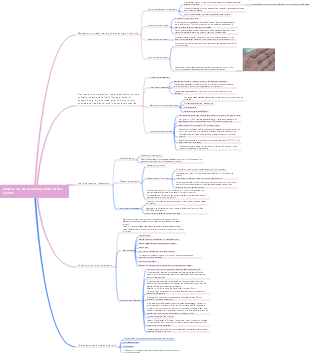
MindMap Gallery Dental malocclusion mind map
The causes corresponding to the clinical symptoms of malocclusion mainly include bimaxillary protrusion, Jaw hypoplasia, cleft lip and palate, Overbite coverage, mandibular protrusion, Maxillary retrusion, etc.
Edited at 2024-03-10 16:04:19This is a mind map about bacteria, and its main contents include: overview, morphology, types, structure, reproduction, distribution, application, and expansion. The summary is comprehensive and meticulous, suitable as review materials.

This is a mind map about plant asexual reproduction, and its main contents include: concept, spore reproduction, vegetative reproduction, tissue culture, and buds. The summary is comprehensive and meticulous, suitable as review materials.
This is a mind map about the reproductive development of animals, and its main contents include: insects, frogs, birds, sexual reproduction, and asexual reproduction. The summary is comprehensive and meticulous, suitable as review materials.
This is a mind map about bacteria, and its main contents include: overview, morphology, types, structure, reproduction, distribution, application, and expansion. The summary is comprehensive and meticulous, suitable as review materials.
This is a mind map about plant asexual reproduction, and its main contents include: concept, spore reproduction, vegetative reproduction, tissue culture, and buds. The summary is comprehensive and meticulous, suitable as review materials.
This is a mind map about the reproductive development of animals, and its main contents include: insects, frogs, birds, sexual reproduction, and asexual reproduction. The summary is comprehensive and meticulous, suitable as review materials.
malocclusion
maxillary protrusion
Too big teeth
macroglossia
Vitamin D deficiency
mouth breathing
abnormal swallowing
thumb sucking habit
bite lower lip
mandibular protrusion
Hyperpituitarism
pseudomandibular protrusion
Most deciduous molars are lost early before the first permanent molars erupt.
Insufficient wear of deciduous canines
Abnormal sucking function
Excessive lateral pterygoid muscle function
Tongue protrusion
bite upper lip
maxillary retrusion
bite upper lip
mandibular retrusion
thumb sucking habit
mouth breathing
Glandular hypertrophy
bite lower lip
Cover lower lip
Open jaw
Trisomy 21 (open front teeth)
macroglossia
Vitamin D deficiency
thumb sucking habit
abnormal swallowing
Tongue habits
Biting habits
Trauma to permanent teeth
Bilateral condylar injury
Crowded teeth
genetics
Extra teeth
Too big teeth
Microglossia
Vitamin D deficiency
premature loss of deciduous teeth
mouth breathing
Ectopic eruption of permanent teeth
Permanent tooth eruption sequence disorder
Insufficient thyroid function
lip habits
dental space
trauma
bite lower lip
macroglossia
Too small teeth
Congenitally missing teeth
genetics
Lip tie too low
Tongue habits
Narrow dental arch
Microglossia
Pituitary insufficiency
Insufficient thyroid function
Vitamin D deficiency
mouth breathing
thumb sucking habit
Premature loss of second deciduous molars
underbite
Trisomy 21 (posterior crossbite)
macroglossia
Hyperpituitarism
Premature loss of maxillary primary teeth
Retained deciduous teeth
Licking teeth
Insufficient wear of deciduous canines
thumb sucking habit
Tongue habits
bite upper lip
Overbite coverage
Deep overbite
Missing mandibular deciduous anterior teeth
Most deciduous molars are lost early
Retained deciduous teeth
premature loss of permanent teeth
bite lower lip
deep coverage
Retained deciduous teeth
Premature loss of mandibular deciduous canines
Cleft lip and palate
Partial deletion of chromosome 4
Simple vitamin B2 deficiency
Jaw hypoplasia
Underdevelopment of the maxilla
abnormal intrauterine pressure
The fetal arm is located in the maxillary area of the face
Underdevelopment of the mandible
The fetal head is in an incorrect position and is pressed against the chest
Pituitary insufficiency
Insufficient thyroid function
mouth breathing
Insufficient chewing function
Bimaxillary protrusion
genetics
macroglossia
mouth breathing
Premature loss of deciduous molars
Licking teeth
Highly arched palate
mouth breathing
Vitamin D deficiency
Insufficient thyroid function
Pituitary insufficiency