MindMap Gallery Enterobacteriaceae mind map
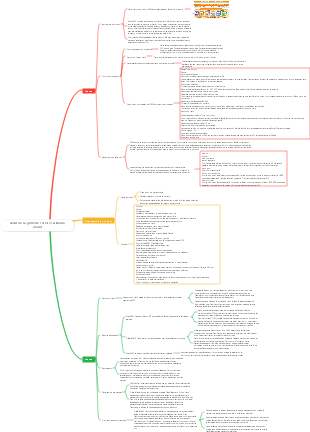
The focus of pathogenic microorganisms and immunology enterobacteria, mainly including overview, Escherichia spp., Shigella spp., Salmonella spp., etc.
Edited at 2024-03-06 17:55:09This is a mind map about bacteria, and its main contents include: overview, morphology, types, structure, reproduction, distribution, application, and expansion. The summary is comprehensive and meticulous, suitable as review materials.
This is a mind map about plant asexual reproduction, and its main contents include: concept, spore reproduction, vegetative reproduction, tissue culture, and buds. The summary is comprehensive and meticulous, suitable as review materials.
This is a mind map about the reproductive development of animals, and its main contents include: insects, frogs, birds, sexual reproduction, and asexual reproduction. The summary is comprehensive and meticulous, suitable as review materials.
This is a mind map about bacteria, and its main contents include: overview, morphology, types, structure, reproduction, distribution, application, and expansion. The summary is comprehensive and meticulous, suitable as review materials.
This is a mind map about plant asexual reproduction, and its main contents include: concept, spore reproduction, vegetative reproduction, tissue culture, and buds. The summary is comprehensive and meticulous, suitable as review materials.
This is a mind map about the reproductive development of animals, and its main contents include: insects, frogs, birds, sexual reproduction, and asexual reproduction. The summary is comprehensive and meticulous, suitable as review materials.
Enterobacteriaceae
Overview
Gram-negative bacteria with similar biological properties
Biochemical reactions (lactose fermentation test)
Non-pathogenic bacteria: can break down lactose
Pathogenic bacteria: cannot decompose
Morphology
Cultivation characteristics
Antigen structure
resistance
Escherichia
Escherichia coli is often used as a detection indicator of fecal contamination in environmental hygiene and food hygiene (to avoid the spread of germs through feces or mouth)
Disease caused
extraintestinal infection
Opportunistic pathogens → extraintestinal purulent infection
Urinary tract infection is the most common (ascending/retrograde) → bacteremia, sepsis
Other causes of purulent infection: decreased immunity, dysbiosis, location change
Intestinal infections → serogroups can cause diarrhea
microbiological examination
Specimen: Take mid-section urine
For urinary tract infection, it is necessary to count the community size, and ≧100,000/ml can have diagnostic value.
my country's health standards stipulate that the number of coliform bacteria per liter of drinking water shall not exceed three, and the number of coliform bacteria per 100ml of bottled soda, juice, etc. shall not exceed five
Shigella
Shigella dysenteriae is transmitted through feces or mouth.
Pathogenic substances
Invasiveness (pilus)
endotoxin
Exotoxins
The most common in my country is Shigella flexneri
Disease caused
Acute dysentery: The patient presents with fever, abdominal pain, diarrhea, tenesmus and other symptoms, accompanied by pus, blood and mucus in the stool.
Toxic dysentery: It is more common in children and manifests as high fever, toxic encephalopathy, etc., which causes great damage to the brain.
Chronic dysentery: the disease lasts for more than two months
Specimens: Before taking the medicine, take the pus, blood or mucus part of the patient or carrier's feces (cannot be mixed with urine) and send it for examination immediately.
Salmonella
A few are pathogenic to humans
Salmonella typhi
Salmonella Paratyphi A
Salmonella shawii
Salmonella hisi
Disease caused
Enteric fever (typhoid and paratyphoid fever)
The first week: the first bacteremia occurs, blood is collected for testing
Week 2-3: A second episode of bacteremia occurs, with a relatively slow pulse. Sustained high fever, dry skin, large roseola, leukopenia and other typical clinical manifestations, test and collect stool
Weeks 3-4: Getting better
Characteristics: It will cause bacteremia twice, with clinical manifestations such as persistent high fever, relatively slow roseola, and leukopenia.
Acute gastroenteritis (food poisoning)
septicemia
Rapid diagnosis: Salmonella soluble antigens in the patient's serum, urine, and feces can be collected from the bone marrow throughout the process