MindMap Gallery clinical hematology testing
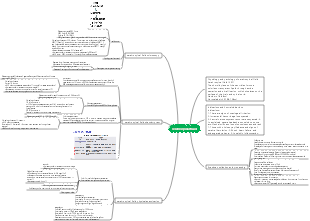
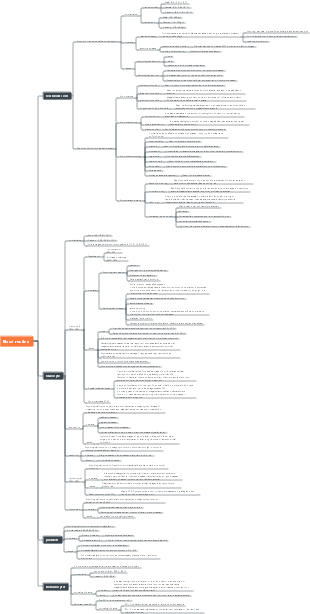
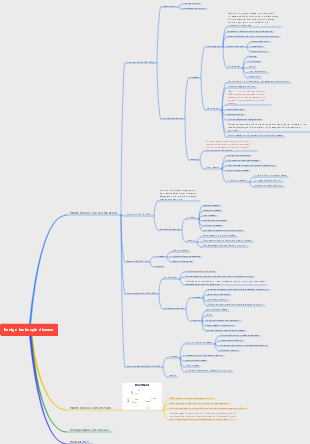
This is a mind map about experimental diagnostics, including bone marrow cytology testing, hemolytic anemia laboratory testing, general blood testing, etc.
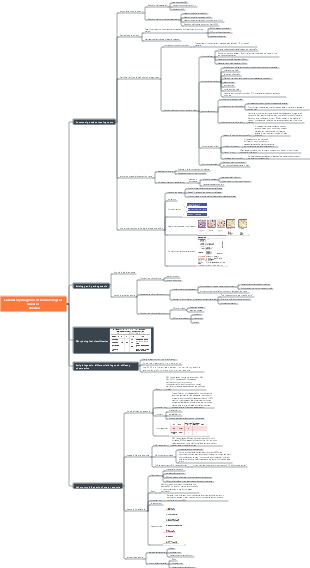
Edited at 2024-02-19 21:41:34This is a mind map about bacteria, and its main contents include: overview, morphology, types, structure, reproduction, distribution, application, and expansion. The summary is comprehensive and meticulous, suitable as review materials.

This is a mind map about plant asexual reproduction, and its main contents include: concept, spore reproduction, vegetative reproduction, tissue culture, and buds. The summary is comprehensive and meticulous, suitable as review materials.
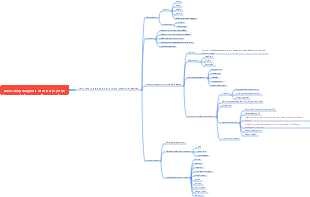
This is a mind map about the reproductive development of animals, and its main contents include: insects, frogs, birds, sexual reproduction, and asexual reproduction. The summary is comprehensive and meticulous, suitable as review materials.
This is a mind map about bacteria, and its main contents include: overview, morphology, types, structure, reproduction, distribution, application, and expansion. The summary is comprehensive and meticulous, suitable as review materials.
This is a mind map about plant asexual reproduction, and its main contents include: concept, spore reproduction, vegetative reproduction, tissue culture, and buds. The summary is comprehensive and meticulous, suitable as review materials.
This is a mind map about the reproductive development of animals, and its main contents include: insects, frogs, birds, sexual reproduction, and asexual reproduction. The summary is comprehensive and meticulous, suitable as review materials.
clinical hematology testing
Bone marrow cytology testing
Clinical application
Diagnosis of hematopoietic system diseases
Assist in diagnosing certain diseases
Improve the diagnosis rate of certain diseases
Contraindications
Clotting factor deficiency
Be cautious in late pregnancy
General rules of morphological evolution during blood cell development
cell volume
From big to small
Megakaryocytes change from small to large
cytoplasm
The amount changes from small to large, but the lymphocytes do not change much.
The dyeing changes from dark blue to light dyeing, or even light red
particles gradually form
cell nucleus
From large to small, megakaryocytes from small to large
Chromatin becomes rough
Nucleolus from existence to non-existence
The nuclear membrane becomes obvious
Nuclear to cytoplasmic ratio
From large to small, megakaryocytes from small to large
Normal cell morphological characteristics of blood cells
Cytochemical staining of blood cells
Myeloid percyanide staining (MPO)
Mainly found in granulocyte system
Mainly used to identify types of acute leukemia
acute myeloid leukemia
Mostly positive, strong positive reaction
acute monocytic leukemia
Weak positive or negative reaction
acute myeloid and monocytic leukemia
Positive, weak positive and negative coexist
acute lymphoblastic leukemia
negative reaction
Neutrophil alkaline phosphatase staining (NAP)
1. Infectious diseases
Bacterial infection reduces NAP activity
Viral infection NAP activity is normal or slightly reduced
2.
chronic myeloid leukemia
reduce
Leukemoid reactivity caused by bacterial infection
Extremely high
3.
acute myeloid leukemia
reduce
acute lymphoblastic leukemia
increase height
acute monocytic leukemia
normal or reduced
4.
aplastic anemia
increase height
paroxysmal nocturnal hemoglobinuria
reduce
Chloroacetic acid AS-D naphthol esterase staining
a Acetate naphthol esterase staining
Glycogen staining (Periodic acid Schiff reaction PAS)
Pathological red blood cells are strongly positive in pure erythroleukemia
iron stain
iron deficiency anemia
non-iron deficiency anemia
sideroblastic anemia
Visible ring sideroblasts
Laboratory testing for hemolytic anemia
Screening test for hemolytic anemia
Plasma free hemoglobin determination
Increased intravascular hemolysis
Extravascular hemolysis does not increase
Degraded to cholin
Serum haptoglobin assay
Hemoglobin and serum haptoglobin form a precipitate
All types of hemolysis lead to a decrease in serum haptoglobin.
Severe intravascular hemolysis may not be detectable
Plasma methemoglobin albumin determination
Free hemoglobin-methemoglobin-methemoglobin-methemoglobin albumin
The reference value is negative
If positive, it indicates severe intravascular hemolysis
Hemosiderin urine test rous
Renal tubular epithelial cells absorb hemoglobin and metabolize it into hemosiderin
Hemosiderin is present in exfoliated renal tubular epithelial cells in urine
That is, it takes a certain amount of time to fall off
The reference value is negative
Positive indicates chronic intravascular hemolysis
Common in paroxysmal nocturnal hemoglobinuria
Red blood cell life span measurement
Hemolytic anemia usually lasts less than 15 days
Detection of red blood cell membrane defects
Red blood cell osmotic fragility test
Increased brittleness
hereditary spherocytosis
reduced brittleness
Thalassemia, iron-deficiency anemia, certain cirrhosis, and obstructive jaundice
Red blood cell incubation osmotic fragility test
increased brittleness
Hereditary spherocytosis, hereditary elliptocytosis, hereditary non-spherocytic hemolytic anemia
reduced brittleness
Globinogenic anemia, iron deficiency anemia, sickle cell anemia, post-splenectomy
Autohemolysis test and correction test
hereditary spherocytosis
After adding glucose and ATP, hemolysis was significantly corrected
Type I congenital non-spheroid hemolytic anemia
Adding glucose and ATP can partially correct the hemolysis
Type II congenital non-spheroid hemolytic anemia
Adding glucose cannot correct it, but adding ATP can correct it.
Detection of red blood cell enzyme deficiencies
Methemoglobin reduction test
reduce
Favismosis and primaquine-type drug-induced hemolytic anemia
Cyanide-ascorbic acid test
Denatured globin body production test
Glucose 6-phosphate dehydrogenase fluorescence spot test and activity determination
Pyruvate kinase fluorescence screening assay and activity assay
Detection of abnormal globin production
Hemoglobin electrophoresis
Reference
HbA
HbA2
NH1
NH2
Increased HbA2
bthalassemia minor
HbA2 decrease
Iron deficiency anemia and sideroblastic anemia
Fetal hemoglobin acid elution test
Fetal hemoglobin measurement or HbF alkaline denaturation test
Quantitative determination of HbA2
Restriction enzyme mapping
Autoimmune hemolytic anemia testing
antiglobulin test
Positive
Cold agglutinin test
High potency for patients
Hot and cold hemolysis test
Testing related to paroxysmal nocturnal hemoglobinuria
Sucrose hemolysis test
Positive
PNH
Can be used as a screening test. If positive, do Ham test.
Acidification hemolysis test (Ham test)
Positive
Seen in PNH, some severe attacks of AIHA
Snake venom factor hemolysis test
Specific PNH test
General blood tests
Determination of red blood cells and hemoglobin
clinical significance
Increased red blood cells and hemoglobin
relative increase
Decreased plasma volume
absolute increase
Secondary
compensatory increase
Caused by decreased blood oxygen saturation
uncompensated increase
Linked to certain tumors and kidney diseases
authenticity
Myeloproliferative neoplasms
Decreased red blood cells and hemoglobin
Physiological reduction
less than adults
Pathological reduction
Various anemias
Red blood cell morphological changes
Abnormal size
microerythrocytes
large red blood cells
giant red blood cells
Uneven size of red blood cells
Abnormal morphology
spherical cells
oval cells
stoma cells
target cells
sickle cell
teardrop shaped cells
Seen in myelofibrosis
Spiny cells
Serrated cells, schistocytes, irregular red blood cells,
Abnormal coloring
Hypochromic
Decreased hemoglobin content
Iron deficiency anemia, globin production disorder anemia, etc.
hyperpigmentation
Increased hemoglobin content
megaloblastic anemia, spherocytosis
pleochrophilia
proliferative anemia, hemolytic anemia
Active bone marrow hematopoiesis
Structural abnormality
Basophilic stippling
chromatin body
kabo ring
nucleated red blood cells
Detection of reticulocytes
Reticulocyte determination
Increased reticulocytes
Exuberant proliferation of bone marrow red blood cells
Commonly seen in hemolytic anemia, acute blood loss, iron deficiency anemia, megaloblastic anemia, etc.
Decreased reticulocytes
Reduced bone marrow hematopoietic function
Aplastic anemia, pure red blood cell aplastic anemia
reticulocyte production index
The reference value is 2
clinical significance
>3 indicates hemolytic anemia or acute blood loss anemia
<2 indicates anemia caused by bone marrow hypoplasia or red blood cell maturation disorder.
Testing of white blood cells
White blood cell count
Adult: 4~10
Increase or decrease is mainly affected by neutrophils
Category count
Granulocytes
neutrophils
Neutrophilia
Physiological increase
Pathological increase
acute infection
Severe tissue damage and massive blood cell destruction
acute massive bleeding
acute poisoning
Mature neutrophilia
Leukemia, myeloproliferative neoplasms, malignant solid tumors
Neutropenia
Infect
Gram-negative bacilli, viral infectious diseases, protozoal infections
blood system diseases
Physical and chemical damage
Hyperfunction of the monocyte-macrophage system
Increased destruction of mature neutrophils
Hepatosplenomegaly and hyperfunction
autoimmune disease
Nuclear image changes
nuclear left shift
The percentage of non-lobulated neutrophils exceeds 5%
Regenerative - lack of granulocytes, compensatory increase
Degenerative – disorders of maturation
nuclear right shift
The proportion of cells with 5 or more leaves exceeds 3%
Megaloblastic anemia and hematopoietic function decline, application of antimetabolite drugs
Abnormal neutrophil morphology
toxic changes
Uneven cell size
Poison particles
vacuolar denaturation
Dürer body
nuclear degeneration
giant multilobulated neutrophils
Morphological abnormalities associated with genetic diseases
eosinophils
0.5%~5%
increase
allergic diseases
parasitic disease
skin disease
blood disease
certain malignant tumors
reduce
Early stage of typhoid fever, paratyphoid fever, major surgery and other stress states
basophils
0~1%
increase
allergic diseases
blood disease
malignant tumor
diabetes, infectious diseases
Lymphocytes
20%~40%
increase
Infectious diseases
Mainly viral infection
mature lymphocytic neoplasm
recovery period from acute infectious disease
transplant rejection
The ratio is relatively increased
Aplastic anemia, granulocytopenia, agranulocytosis
reduce
Application of adrenocortical hormones, alkylating agents, radiation damage, etc.
monocytes
3%~8%
increase
Physiological
infants
pathological
certain infections
certain blood diseases
Platelet testing
platelet count
100~300
Thrombocytopenia
Generative disorder
Aplastic anemia, radiation injury, acute leukemia, megaloblastic anemia, advanced myelofibrosis
Increased destruction and consumption
Immune thrombocytopenia, systemic lupus erythematosus, lymphoma, upper respiratory tract infection, rubella, neonatal thrombocytopenia, post-transfusion thrombocytopenia, disseminated intravascular coagulation, thrombotic thrombocytopenic purpura, congenital thrombocytopenia disease
abnormal platelet distribution
Splenomegaly, cirrhosis, blood dilution
thrombocytosis
primary
Myeloproliferative neoplasms
Reactivity
Acute infection, acute hemolysis, certain cancer patients
Determination of mean platelet volume and platelet distribution width
Peripheral platelet morphology
size changes
uneven size
Immune thrombocytopenia, acute and chronic myeloid leukemia, certain reactive myeloid hyperplasia diseases
Morphological changes
Only when the abnormal platelet ratio exceeds 10% is clinical significance considered
Platelet distribution
Erythrocyte sedimentation rate measurement
Increased erythrocyte sedimentation rate
physiological increase
pathological increase
various inflammatory diseases
tissue damage and necrosis
malignant tumor
Relative or absolute increase in plasma globulin
ESR slows down
Polycythemia, spherocytosis, and severe fibrinogen deficiency
Application of Hematocrit Determination and Red Blood Cell Related Parameters
Hematocrit determination
increase height
Hemoconcentration
reduce
Various anemias
Calculation of average red blood cell count
mean corpuscular volume MCV
Mean corpuscular hemoglobin MCH
mean corpuscular hemoglobin concentration MCHC