MindMap Gallery blood system diseases
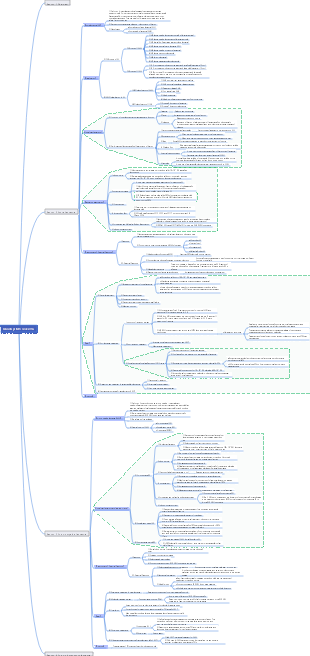
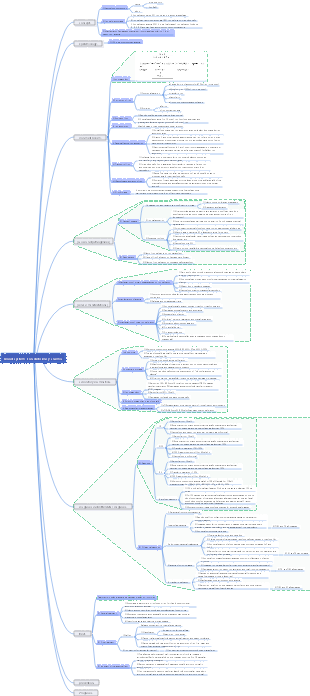
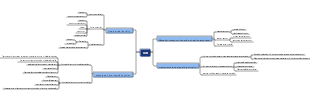
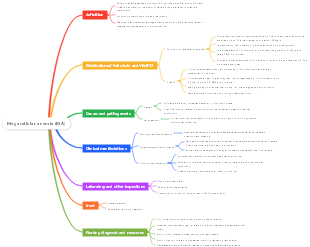
This is a mind map about blood system diseases, mainly including anemia, Leukemia, nursing measures, type, cause, Clinical manifestations, etc.
Edited at 2023-12-03 21:26:37This is a mind map about bacteria, and its main contents include: overview, morphology, types, structure, reproduction, distribution, application, and expansion. The summary is comprehensive and meticulous, suitable as review materials.

This is a mind map about plant asexual reproduction, and its main contents include: concept, spore reproduction, vegetative reproduction, tissue culture, and buds. The summary is comprehensive and meticulous, suitable as review materials.
This is a mind map about the reproductive development of animals, and its main contents include: insects, frogs, birds, sexual reproduction, and asexual reproduction. The summary is comprehensive and meticulous, suitable as review materials.
This is a mind map about bacteria, and its main contents include: overview, morphology, types, structure, reproduction, distribution, application, and expansion. The summary is comprehensive and meticulous, suitable as review materials.
This is a mind map about plant asexual reproduction, and its main contents include: concept, spore reproduction, vegetative reproduction, tissue culture, and buds. The summary is comprehensive and meticulous, suitable as review materials.
This is a mind map about the reproductive development of animals, and its main contents include: insects, frogs, birds, sexual reproduction, and asexual reproduction. The summary is comprehensive and meticulous, suitable as review materials.
blood system diseases
anemia
Nursing measures
diet conditioning
Supplement foods containing vitamin B12, such as animal foods, fermented soy products, etc.
Supplement iron-containing foods, such as animal offal, lean meat, eggs, green leafy vegetables, etc.
Supplement foods containing folic acid, such as green leafy vegetables, fruits, beans, etc.
Prevent infection
Maintain personal hygiene, wash hands frequently, bathe, and change clothes
Avoid contact with sources of infection, such as influenza patients and reduce going out during epidemics of respiratory infectious diseases
medical treatement
Iron supplements: Commonly used drugs include ferrous sulfate, ferrous fumarate, etc.
Vitamin B12: Commonly used drugs include methylcobalamin, hydroxocobalamin, etc.
Folic acid: Commonly used drugs include folic acid tablets, multi-dimensional element tablets, etc.
type
megaloblastic anemia
Lack of folic acid or vitamin B12, which affects DNA synthesis and hemoglobin production
aplastic anemia
Hematopoietic dysfunction in the bone marrow, resulting in reduced production of red blood cells
iron deficiency anemia
Insufficient iron content in the body affects hemoglobin synthesis
Cause
Hemolysis: An inherited or acquired hemolytic disorder that results in excessive destruction of red blood cells
Malnutrition: Insufficient intake of nutrients such as iron, folic acid, and vitamin B12
Chronic diseases: peptic ulcers, tumors, etc. leading to long-term blood loss
clinical manifestations
General symptoms such as fatigue, dizziness, palpitations, and difficulty breathing
Physical examination findings include pale skin and mucous membranes, increased heart rate, enlarged liver and spleen, etc.
concept
Overview: Lower than normal red blood cell count or hemoglobin concentration
1. Reduced red blood cell production
2. Excessive destruction of red blood cells
3. Excessive blood loss
leukemia
Nursing measures
pain management
Use analgesics according to the condition, such as opioids, nonsteroidal anti-inflammatory drugs, etc.
Maintain a comfortable posture and avoid strenuous activities to reduce pain and discomfort
Chemotherapy and drug treatment
Monitor drug reactions and prevent side effects such as nausea, vomiting, hair loss, etc.
Observe changes in condition and promptly detect complications, such as infection, bleeding, etc.
psychological support
Provide psychological counseling, reduce patients’ psychological pressure, and improve treatment compliance
Strengthen communication with family and friends and provide social support
protective isolation
Placed in a single ward to reduce visits and reduce the risk of infection
Keep the room clean and disinfect regularly to reduce exposure to pathogenic microorganisms
type
chronic lymphocytic leukemia
Originating from lymphocytes, the disease progresses slowly and the treatment effect is relatively good
chronic myeloid leukemia
Originates from myeloid cells, the disease progresses slowly, and the treatment effect is relatively good
acute lymphoblastic leukemia
Originating from lymphocytes, the disease progresses rapidly and is difficult to treat
acute myeloid leukemia
Originating from myeloid cells, the disease progresses rapidly and is difficult to treat.
Cause
Chemical exposure: Exposure to certain chemicals, such as benzene and formaldehyde, may increase the risk of leukemia
Viral infections: Viral infections such as HTLV-1 and HPV may cause leukemia
Gene mutation: Accumulation of multiple gene mutations leads to leukemia
clinical manifestations
Bleeding
Symptoms include skin petechiae, ecchymosis, gum bleeding, nose bleeding, etc.
bone pain
Manifested as bone pain, joint pain, back pain, etc.
Infect
Symptoms include fever, cough, pneumonia and other symptoms
anemia
Symptoms include fatigue, dizziness, palpitations, etc.
Overview
Malignant clonal disease of hematopoietic stem cells, causing abnormal proliferation of leukemia cells and infiltration into tissues and organs