Wondershare EdrawMind
MindMap Gallery HR Management Software
HR Management Software
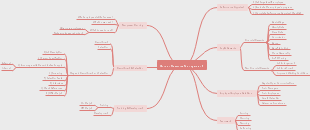
HR Management Software plays an important role in human resource management. It integrates core functions such as employee information, recruitment process, salary and benefits, training and development, achieving data-driven management and improving work efficiency. Through software, enterprises can more accurately analyze human resource needs, optimize talent allocation, and reduce labor costs. At the same time, software also helps enterprises establish a fair and transparent assessment system, improving employee satisfaction and loyalty. In short, HR Management Software is an indispensable human resource management tool for modern enterprises. This is a mind map about HR Management Software. The map contains three main branches, namely: Main Functions, Additional Features, and Technical Requirements. Each main branch has a detailed description of its sub branches. Suitable for people interested in HR Management Software.
Edited at 2024-03-11 16:36:15
- Recommended to you
- Outline