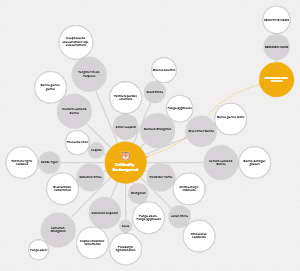
MindMap Gallery Anesthesia for dogs and cats
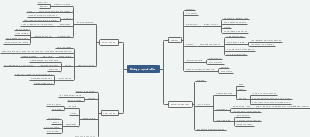
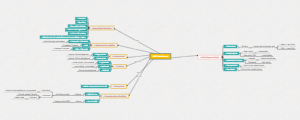
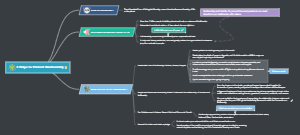
This is a mind map about anesthesia for dogs and cats, including clinical drugs: butorphanol (partial m-agonist and m-antagonist); tebuzocine (partial m-agonist); cyclobutane (partial m-agonist and m-antagonist); Weak partial m agonist).
Edited at 2022-12-26 17:00:45anaesthetization
sedative
benzodiazepines
Features
Acts on GABA receptors (related to fear, anxiety, and convulsions). The sedative effect is unstable and may cause excitement in young healthy animals. It has a muscle relaxant effect.
Contraindications
Hepatic encephalopathy, especially in animals with portal short circuits
Indications
Old, relatively frail animals; animals in early pregnancy
other
Small doses can be used as cat appetite enhancers (diazepam 0.005-0.4mg/kg iv q24h or 1mg PO q24h)
Representative medicine
Dixiban
Pharmacological properties
Fat soluble, cannot be stored in plastic containers
calm
IV:0.2-0.6mg/kg. CRI:0.1-1mg/kg/h (central vein)
Anti-syncope treatment
IV, nasal: 0.5-1mg/kg can be repeated 2-3 times. Rectally administered 2 mg/kg. CRI:0.5-1mg/kg/h (central vein)
Remark
Lasting effect for 2-3 hours may cause vasculitis, and the intravenous catheter needs to be flushed. Rapid injection will cause hypotension, and it needs to be injected slowly for 1-3 minutes. Use with caution in cats. Oral administration may cause liver necrosis.
midazolam
Pharmacological properties
Water-soluble, can be mixed with a variety of drugs
calm
IV, IM: 0.1-0.4mg/kg. CRI:0.1-0.5mg/kg/h
Anti-syncope treatment
IV, IM: 0.2-0.5mg/kg can be repeated 2-3 times. CRI: 0.1-0.5mg/kg/h
Remark
Lasts for 1.5-2 hours, may induce blind angle glaucoma, avoid jugular vein injection
Phenothiazines
Representative medicine
acetypropazine
Features
Acts on dopamine receptors (central sedative effect) and a1 receptors (sedative and relaxing blood vessels)
Contraindications
Contraindicated groups: dehydration and shock cases, history of epilepsy
medicine interactions
30% reduction in inhaled anesthetics
Avoid use with epinephrine
May aggravate organophosphorus toxicity
Use with caution (avoid use or reduce dose)
Abnormal liver function, abnormal heart function, young, old, seriously ill animals, short-headed breeds, especially boxers, giant dogs and sighthounds
Indications
Young, healthy, non-irritable animals
dose
IV, IM, SC: 0.01-0.1mg/kg (usually 0.02-0.05mg/kg); 1-3mg/kg PO (low oral bioavailability)
other
The onset of effect is 15-20 minutes and the maintenance time is 4-8 hours.
side effect
Central Nervous System
High dose: extravertebral symptoms
lower epilepsy threshold
thermoregulatory center
Cardiovascular System
peripheral vasodilation
Fear of animals with severe hypotension
If hypotension occurs, fluid therapy or the use of a1 agonists can be used to avoid the use of a2 agonists (which have the effect of dilating blood vessels); dopamine and norepinephrine can be used to manage hypotension caused by vasodilation caused by acepromazine;
Boxer dogs and others may develop vasovagal syncope, resulting in severe hypotension and bradycardia.
respiratory system
Little impact on breathing
Recommended for mild to moderate upper respiratory tract obstruction, tracheal collapse, and pharyngeal paralysis (appropriate reduction)
digestive system
Visceral antispasmodic effect, can reduce gastrointestinal motility (anticholinergic activity)
other
Reduce HCT (related to liver and spleen depletion of potassium)
Transiently reduce platelet count and coagulation function
a2 agonist
Receptor: a2 agonist
In veterinary clinical practice, a2 agonists are not pure a2, but mostly contain a1; the effect depends on a2: a1
The effects of a2 agonists are central sedation, analgesia and muscle relaxation, and peripheral vasodilation.
A1 agonists cause peripheral vasoconstriction
Medetomidine/dexmedetomidine a2:a1=1620:1; xylazine (846)=160:1
Features
Good sedative, muscle relaxant, analgesic
The analgesic effect is predictable and dose-dependent, but there is a plateau (for example, its analgesic effect will not be better when >40u/kg)
There is an antagonist (atipamezole)
Representative medicine
Dexmedetomidine
Applicable animals
Dexmedetomidine can basically be used for Level 1 and Level 2 body conditions; cats with hypertrophic cardiomyopathy;
Contraindications
Cardiovascular diseases
systemic disease
Liver dysfunction
Vomiting contraindications
Vomiting can lead to increased intracranial pressure and tear pressure.
Elderly animals (>10Y)
Young animals (dogs <6M; cats <5M)
a2 agonist
Sedation onset time: IV2-3min, reaching peak efficacy in 10-20min
Lasting time: 1-2h, complete recovery 2-4h (related to dose)
Sedation dose: 2-10ug/kg IV can be combined with opioids for effective sedation; 10-40ug/kg IM SC
Intravenous administration of more than 10ug is not recommended
Analgesic dosage: 5-10ug/kg for dogs; 10-20ug/kg for cats
Antagonist: Atipamazole
Antagonist dexmedetomidine: 5-10 times the dexmedetomidine dose for dogs; 2.5-5 times the dose for cats (antagonism multiple of ug number)
side effect
Central Nervous System
Antispasmodic and prospasmodic; thermoregulation; skin hypersensitivity; (???)
Cardiovascular System
Bradycardia and bradyarrhythmia; vasoconstriction first, then relaxation Hypertension-Hypotension
Consider using atropine when you have low blood pressure and low heart rate to improve heart rate and low blood pressure.
respiratory system
Decreased minute ventilation, mucosal cyanosis or hypoxemia
digestive system
Vomiting 50%; severely reduced liver blood flow;
Endocrine System
Decreased release of insulin and antidiuretic hormone
pregnant animals
Causes uterine contractions, which may increase complications of miscarriage
Optimize calming effect
Seize the opportunity to induce and record during the peak period of sedation. Missing the peak of drug effect, consider re-dosing (especially opioids);
Dosing is based on net body weight, with small animals requiring greater amounts than medium and large animals.
For intramuscular injection, it is recommended to mix the mixable drugs in one syringe;
Choose the appropriate syringe according to your body size, intramuscular injection is better than subcutaneous injection;
When there is indwelling, intravenous injection, the dose is lower than the intramuscular injection dose;
Pre-oxygenation (3L/min)
Keep quiet, reduce stress, and try not to disturb the animals, but you need to maintain supervision (short-headed breeds are prone to respiratory obstruction)
Keep calm animals warm;
A few thoughts when sedation isn’t working
Is the medication dose correct?
Is there enough waiting time?
Are sedatives working?
Increase the original sedative dose
Combined with other sedatives
analgesics
Opioids
Receptor type
m
clinical drugs
Fentanyl, morphine, methadone
site of action
Brain; spinal cord; intestinal basal plexus (visceral movement)
Functional performance
Analgesic (strong), antitussive, respiratory depression (death in case of overdose), constipation, vomiting, hypotension, sedation, exercise excitement (tolerance and dependence of some breeds)
k
clinical drugs
Butorphanol (partial m-agonist and m-antagonist); tebuzocine (partial m-agonist); tetramorphine (weak partial m-agonist)
site of action
Brain; spinal cord; intestinal basal plexus (visceral movement)
Functional performance
Analgesia (from spinal cord, moderate), diuretic sedation, restlessness, hallucinations
d
Ren Zaifeng
Butorphanol
m antagonist-k agonist
IV, SC, IM0.2-0.4mg/kg;CRI:0.2-0.4mg/kg/h
Onset time: 5-15min, lasting 1-4h
Mild respiratory depression, good sedation
Good visceral analgesia, weak somatic analgesia, not suitable for controlling chronic pain
Suitable for mild to mild to moderate pain, not effective for moderate to severe pain
Tramadol
effect
side effect
Fentanyl
effect
side effect
other
lidocaine
Local anesthesia
1-6mg/kg; intraoral block, intratesticular block, linear block, epidural block, brachial plexus block.
side effect
CRI analgesia (for dogs only)
1-2mg/kg loading IV, 30-150ug/kg/min CRI
Antiventricular arrhythmias
Dogs 1-2mg/kg loading IV, 30-80ug/kg/minCRI
Cat 0.25-0.5mg/kgIV, 10-20ug/kg/minCRI
NSAIDS
carprofen
effect
side effect
Meloxicam
effect
side effect
firocoxib
effect
side effect
Anesthetic
Shutai
Tiratam (corresponds to ketamine) Zolazepam (corresponds to diazepam)
effect
Dissociative anesthesia: NMDA receptor blockers, which cause loss of consciousness
Cardiovascular effects: increased heart rate, cardiac output, arterial pressure, intracranial pressure;
Contraindications
Hypertension, heart failure, aneurysm, liver and kidney insufficiency, hypertrophic cardiomyopathy
Indications
Chemical restraint for aggressive animals
dose
2-4mg/kg IM or 1-2mg/kg IV
aging
The onset of action is 60-90 seconds, and the duration of anesthesia is short (about 45 minutes).
side effect
Long-lasting side effects (salivation, head shaking, increased muscle tone)
other
When used alone, the eyeballs will not rotate/blink, and the cornea is prone to dryness. Moisturize the cornea.
Propofol
Features
It is a fast-acting intravenous anesthetic with an onset time of 20-30 seconds. The solute can easily breed bacteria.
side effect
Respiratory depression (pushing too fast), vasodilation (hypotension), possible accumulation in cats, leading to the production of Hain's subtypes (>3 days)
Combination medication
Diazepam: muscle relaxants, fentanyl, dexmedetomidine, acepromazine
dose
2-6mg/kg IV; CRI:0.2-0.6mg/kg/min
afa salon
Features
Not combined with other anesthetics, it takes effect quickly and lasts for 30 minutes. Can be injected intramuscularly.
It will increase the heart rate, but the normal dose will not change the blood pressure much.
side effect
Respiratory depression (less severe than propofol)
Little cardiovascular inhibitory effect
dose
Dog 1-5mg/kg
Cat 2-5mg/kg
etomidate
Features
Little cardiovascular and respiratory depression;
Not effective in healthy animals and may cause ankylosis;
dose
0.5-2mg/kg IV (intravenous injection) to effect;
gas anesthetic
Isoflurane
effect
side effect
Anesthesia Recommendations for Different Animals
elderly animals
Even in the absence of associated cardiovascular disease before anesthesia, the function of the cardiovascular system may be reduced during stress
Avoid using dexmedetomidine
Choose acepromazine carefully
young animals
Animals under 12 weeks old (84 days) have immature liver function and prolonged anesthetic action time
Avoid using acepromazine
Dogs <6M; cats <5M avoid using dexmedetomidine
Optional benzodiazepine-opioid combinations
grumpy animal
cat
Provide a quiet, low-stress environment
After giving a sedative, wait for the sedative to take effect and avoid interruptions.
dog
Master Assistant
Short-headed variety
Avoid respiratory obstruction
continuous supervision
oxygen supply
Benzodiazepines Opioids
Young animals are generally stable. The waiting time after intramuscular anesthesia; the time after extubation after anesthesia;
Drugs such as acepromazine are also not recommended because the anesthesia time is too long
Anesthesia Physical Condition Scale (ASA)
Consider species, breed, age, temperament, reason for anesthesia or sedation, expected pain during the operation, and surgical pain status
Aged animal classification
I. Healthy aged animals - almost no changes in organ function
II. Elderly animals have subclinical organ dysfunction, with one or more organs declining in function, such as the heart, liver, kidneys, etc.
III. Elderly animals with severe disease, severe organ dysfunction (cardiac disease, endocrine disease, renal disease, tumors)