MindMap Gallery Anesthesia knowledge map
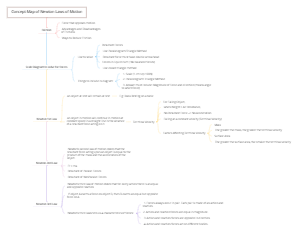
Anesthesia knowledge map introduces the purpose of pre-anesthesia medication, drug selection, the definition and use of local anesthesia, spinal anesthesia, etc. I hope it will be helpful to you!
Edited at 2021-11-28 18:08:22This is a mind map about bacteria, and its main contents include: overview, morphology, types, structure, reproduction, distribution, application, and expansion. The summary is comprehensive and meticulous, suitable as review materials.
This is a mind map about plant asexual reproduction, and its main contents include: concept, spore reproduction, vegetative reproduction, tissue culture, and buds. The summary is comprehensive and meticulous, suitable as review materials.
This is a mind map about the reproductive development of animals, and its main contents include: insects, frogs, birds, sexual reproduction, and asexual reproduction. The summary is comprehensive and meticulous, suitable as review materials.
This is a mind map about bacteria, and its main contents include: overview, morphology, types, structure, reproduction, distribution, application, and expansion. The summary is comprehensive and meticulous, suitable as review materials.
This is a mind map about plant asexual reproduction, and its main contents include: concept, spore reproduction, vegetative reproduction, tissue culture, and buds. The summary is comprehensive and meticulous, suitable as review materials.
This is a mind map about the reproductive development of animals, and its main contents include: insects, frogs, birds, sexual reproduction, and asexual reproduction. The summary is comprehensive and meticulous, suitable as review materials.
anaesthetization
Preparation before anesthesia and medication before anesthesia
Purpose of pre-anesthetic medication
① Eliminate the patient’s nervousness, anxiety and fear, enhance the effect of general anesthetics, reduce the side effects of general anesthetics, and produce an amnestic effect on adverse stimuli
② Raise the patient's pain threshold, relieve or relieve pain caused by primary disease or invasive procedures before anesthesia
③ Eliminate adverse metabolism caused by surgery or anesthesia, especially vagal reflex, and inhibit sympathetic nerve excitation to maintain hemodynamic stability
④Inhibit gland secretion, anticholinergic drugs, atropine
drug selection
① General anesthesia, sedation, analgesia ➕ anticholinergic drugs
② Neuraxial anesthesia, sedation ➕Anticholinergic drugs
③When choosing to use propofol and thiopental sodium general anesthesia, a sufficient amount of atropine should be used
④ For patients with coronary heart disease and hypertension, the dosage of sedatives can be increased appropriately; for patients with heart valve disease, poor cardiac function, and severe illness, the dosage of sedatives and analgesics should be reduced.
⑤Those with poor general condition, the elderly and infirm, cachexia, and those with hypothyroidism are very sensitive to hypnotic sedatives and analgesics, and their use should be reduced or avoided.
⑥For young and strong patients or patients with hyperthyroidism, the dosage should be increased.
⑦ Medication before anesthesia, usually intramuscular injection within 30-60 minutes before anesthesia. For those who are nervous, sedative-hypnotics can be taken orally the night before surgery to relieve the patient's nervousness.
Local anesthesia
Definition: It is used for local anesthesia to temporarily block the impulse conduction of certain peripheral nerves, so as to produce anesthesia in the areas innervated by these nerves.
Classification
Esters
Procaine
Tetracaine
Amides
lidocaine
Bupivacaine
Ropivacaine
drug use
①Procaine
One-time limit: 1000mg
Commonly used concentration: 0.5%-1.0%
②Tetracaine
One-time limit: 40mg (topical anesthesia), 80mg (nerve block)
Commonly used concentration: 0.1%-0.3%
③Lidocaine
One-time limit: 100mg (topical anesthesia), 400mg (nerve block)
Common concentration: 1%-2%
④Bupivacaine
One-time limit: 150 (in the book) or 200mg
Commonly used concentration: 0.25%-0.75%
⑤ Ropivacaine
One-time limit: 150 (in the book) or 200mg
Commonly used concentration: 0.25%-1.0%
Adverse reactions
toxic effects
Common causes
A single dose exceeds the patient’s tolerance
intended to be injected into blood vessels
The injection site has rich blood supply and increased absorption.
The patient's tolerance is reduced due to physical weakness and other reasons
Clinical manifestations (predominantly excitement in the early stage)
nervous system
Symptoms such as mild, dizziness, multilingualism, drowsiness, chills, panic and disorientation
Continue to develop, loss of consciousness, and tremors of facial muscles and limbs. Once convulsions and convulsions occur, respiratory and circulatory disorders may occur due to dyspnea and hypoxia.
Cardiovascular System
Normal concentration inhibits myocardial force, conduction system and peripheral vascular smooth muscle, blocks sympathetic or parasympathetic efferent fibers, reduces myocardial contractility, decreases cardiac output, and decreases blood pressure.
High concentration, extensive dilation of peripheral blood vessels, atrioventricular block, slow heart rate, and even cardiac arrest
prevention
The amount of local anesthetic used at one time should not exceed the limit
Decrease according to specific circumstances and site of administration
Adding epinephrine to the medicine
No blood should be aspirated before injection
Inject medicine slowly
Treatment for toxic reactions
Stop medication immediately and inhale oxygen
For patients with mild toxic reactions, intravenous injection of diazepam 0.1 mg/kg or midazolam 3-5 mg can prevent and control convulsions.
If convulsions or convulsions occur, thiopental sodium 1-2 mg/kg is often injected intravenously.
For patients with recurrent convulsions, 1-2 mg/kg of succinylcholine can also be injected intravenously, followed by endotracheal intubation and artificial respiration.
If hypotension occurs, ephedrine or metahydroxylamine can be used to maintain blood pressure and inject atropine to slow the heart rate.
Once breathing and heartbeat stop, cardiopulmonary resuscitation should be performed immediately
Allergic reaction (most people are allergic to ester local anesthetics)
Clinical manifestations: urticaria, laryngeal edema, bronchospasm, hypotension, angioedema
treat
Stop taking medication first
Keep the airway open and inhale oxygen
Maintain stable circulation and replenish blood volume in an appropriate amount. In emergencies, vasopressors can be appropriately used, along with glucocorticoids and histamines.
prevention
Local anesthetic skin test (false positive rate 40%)
Local anesthesia method
Topical anesthesia: Apply a local anesthetic with strong penetrating power to the surface of the mucosa, allowing it to penetrate the mucosa and block the nerve endings located under the mucosa.
Local infiltration anesthesia: Inject local anesthetic into the tissue of the surgical area to block nerve endings and achieve anesthesia.
Regional anesthesia: Inject local anesthesia around and at the bottom of the surgical site to block the nerve fibers leading to the surgical site.
advantage
Avoid penetrating tumor tissue
It will not cause some small lumps to be difficult to palpate after local infiltration of medicinal solution, making the operation more difficult.
The local anatomy of the surgical area will not be difficult to identify due to the injection of drugs
Nerve block: Inject local anesthetic around nerve trunks, plexuses, and nodes to block their impulse conduction and produce anesthesia in the areas they control.
Brachial nerve block: C5-8, T1
cervical plexus block
neuraxial anesthesia
subarachnoid space
Spinal anesthesia puncture: generally lie on the side, flex the hips and knees, flex the head and neck toward the chest, and bend the waist and back as far as possible to open the spinous process gap for easy puncture. The puncture point for adults is generally the L3-4 gap, but it can also be used as appropriate. Move up or down
Commonly used drugs for spinal anesthesia: procaine, tetracaine, bupivacaine
Spinal anesthesia plane adjustment
Puncture gap, if puncture is done at L2 or L3, the medicinal solution will flow to the thoracic segment If the puncture is performed at L4 or L5, the medicine will flow toward the sacral segment.
patient position
For the anus-perineum area, the patient is in a sitting position and puncture is performed at the 4-5th gap of the outer waist.
Injection speed, the faster the speed, the wider the scope of anesthesia, the slower the speed, the more localized the anesthesia unit.
complication
intraoperative complications
blood pressure drops, heart rate slows
Respiratory depression
feel sick and vomit
Postoperative complications
Headache after spinal anesthesia
urinary retention
Neurological complications after spinal anesthesia
Cranial nerve palsy: cerebrospinal fluid leaks out and the brain tissue loses the cushioning effect of cerebrospinal fluid
adhesive arachnoiditis
purulent meningitis
Indications: Suitable for surgery on the lower abdomen, spout, lower limbs and anus and perineum within 2-3 hours
Contraindications
central nervous system diseases
coagulopathy
shock
Skin infection at the puncture site
sepsis
spinal trauma or tuberculosis
Acute heart failure or coronary heart attack
Those who are unable to cooperate, children or mentally ill persons
History of severe low back pain
Those with significantly increased intra-abdominal pressure
advantage
Quick onset of effect
Perfect analgesia
muscle relaxation
subdural space
advantage
Adjust the level of anesthesia
Meet long-term surgery