MindMap Gallery Physiology and Anesthesia Physiology-Introduction
Describes the research objects and tasks of physiology and anesthesia physiology.
Edited at 2020-09-19 19:23:03This is a mind map about bacteria, and its main contents include: overview, morphology, types, structure, reproduction, distribution, application, and expansion. The summary is comprehensive and meticulous, suitable as review materials.
This is a mind map about plant asexual reproduction, and its main contents include: concept, spore reproduction, vegetative reproduction, tissue culture, and buds. The summary is comprehensive and meticulous, suitable as review materials.
This is a mind map about the reproductive development of animals, and its main contents include: insects, frogs, birds, sexual reproduction, and asexual reproduction. The summary is comprehensive and meticulous, suitable as review materials.
This is a mind map about bacteria, and its main contents include: overview, morphology, types, structure, reproduction, distribution, application, and expansion. The summary is comprehensive and meticulous, suitable as review materials.
This is a mind map about plant asexual reproduction, and its main contents include: concept, spore reproduction, vegetative reproduction, tissue culture, and buds. The summary is comprehensive and meticulous, suitable as review materials.
This is a mind map about the reproductive development of animals, and its main contents include: insects, frogs, birds, sexual reproduction, and asexual reproduction. The summary is comprehensive and meticulous, suitable as review materials.
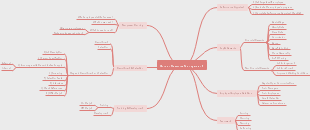
introduction
Research objects and tasks of physiology and anesthesia physiology
Research purposes and contents of anesthesia physiology
Application of physiology in clinical anesthesia, emergency resuscitation, critical illness detection, and pain treatment
The impact of anesthesia and surgery on various life activity patterns of the body
The body's internal environment, homeostasis and biological rhythms
Internal environment internalenvironment
extracellular fluid
Steady state
meaning
The physical and chemical properties of the internal environment fluctuate within a narrow range but always remain relatively stable.
maintain
Multi-faceted and multi-level physiological function adjustment
After the steady state is disturbed, it can be restored to its normal state in a timely manner.
significance
Ensure normal functional activities of cells
biological rhythm
anaesthetization
It refers to the use of drugs or other methods to temporarily make the patient lose all or part of the sensation in order to achieve the purpose of being painless, thus creating conditions for further surgery or other treatments.
The suppression of nervous system activity by anesthetic drugs can greatly weaken the body's ability to regulate homeostasis.
Anesthesiologists are responsible for eliminating pain, maintaining the patient's body homeostasis, minimizing the interference of anesthesia and surgery on the body's psychology and life activities, and obtaining the best quality of anesthesia recovery to ensure that patients spend the perioperative period safely and comfortably.
The main impact of surgery and anesthesia on human physiological functions
The main impact of surgery on human physiological functions is as follows:
The description of "causing bleeding, pain and emotional distress" is incorrect
produce stress response
Cause bleeding and initiate physiological hemostatic response
causing pain and emotional stress
Local accumulation of inflammatory cells
Increased reflex skeletal muscle contraction
The main impact of anesthesia on human physiological functions
General anesthesia produces sedation, analgesia, and muscle relaxation
Spinal anesthesia mainly blocks the spinal nerves, causing the autonomic, sensory and motor nerve functions of the corresponding control areas to be inhibited or even disappeared.
Different anesthetic methods and anesthetic drugs, while producing anesthetic effects, may have adverse effects on the homeostasis of the internal environment and the physiological functions of important organ systems such as breathing and circulation.
Regulation of physiological functions of the body
neuromodulation
Rapid, precise, limited, short-lived
neuro-humoral regulation
gastric secretion
body fluid regulation
slow, persistent, diffuse
remote secretory regulation
Hormones secreted by endocrine cells or endocrine glands
Such as thyroxine, insulin, glucocorticoids
Special chemicals produced by certain tissue cells
Such as interleukins, growth factors, chemokines, histamine
Certain metabolites produced in tissue cell metabolism
Such as CO2, NO, H
through blood circulation
Paracrine regulation (local humoral regulation)
Glucagon stimulates pancreatic B cells to secrete insulin
It does not pass through blood circulation, but diffuses to the surroundings through tissue fluid to play a specific role.
autocrine regulation
Insulin controls the insulin-secreting activity of pancreatic B cells
neuromodulation
vasopressin
self-regulation
When the pressure in the afferent arteriole of the glomerulus increases, it stretches the smooth muscle of the afferent arteriole, triggering its contraction, shortening the diameter of the afferent arteriole, and maintaining the normal glomerular filtration rate.
Basic characteristics of life activities
Metabolism
Once metabolism stops, life activities will stop, so it is the most basic characteristic of the body's life activities.
Excitability
Excitable cells or tissues
Nerve cells, skeletal muscle, cardiac muscle, smooth muscle, glands
Stimulation conditions that cause the body to react
sufficient stimulation intensity
Sufficient stimulation time
Appropriate stimulus intensity-time rate of change
threshold
Adaptability
physiological adaptation
behavioral adaptation
reproduction
senescence
Aging of the structural components of the human body
Decrease in body water and increase in fat
Decreased number of cells
Decreased body organ function
Bone hematopoietic function decreases, hematopoietic tissue is gradually replaced by fat and connective tissue, and red blood cells and hemoglobin decrease
Calcification or fibrosis of the myocardial conductive tissue can cause intraventricular conduction block. At the same time, ATPase activity decreases and calcium ion diffusivity decreases, resulting in decreased myocardial contractility and stroke volume.
Functional changes and gradual decline in adaptability to the internal environment
Automatic control system in human body
Non-automatic control system
feedback control system
Negative feedback
Feedback information is opposite to control information, weakening the function of the controlled system
Disadvantages: adjustment is easy to lag and fluctuate
The only adjustment method to maintain homeostasis
Feedforward control system