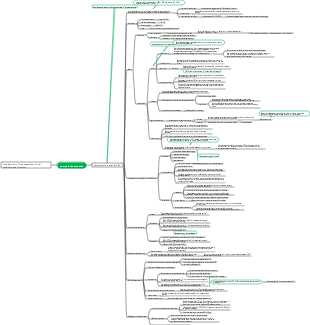
MindMap Gallery surgical anesthesia resuscitation
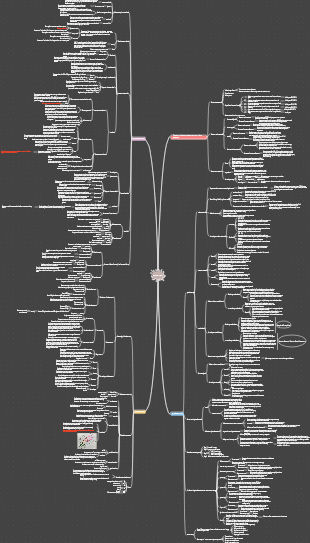
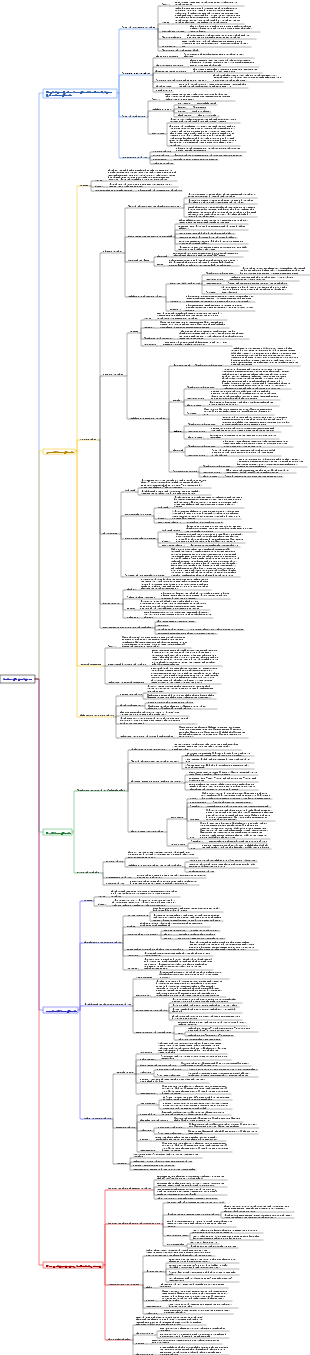
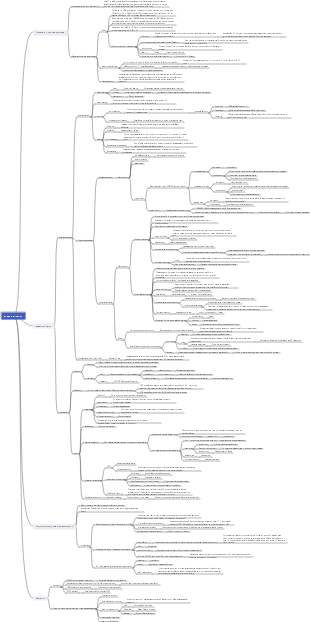
Surgical anesthesia recovery is an important part of the clinical anesthesia process. After the surgical anesthesia is completed, depending on the patient's condition and the specific conditions of the surgical anesthesia, the patient may have respiratory depression, nausea and vomiting, pain, agitation and other special conditions, and we need to take certain measures against them. A super comprehensive summary of knowledge that you absolutely can’t miss. They are all must-learn points!
Edited at 2020-06-19 15:56:06This is a mind map about bacteria, and its main contents include: overview, morphology, types, structure, reproduction, distribution, application, and expansion. The summary is comprehensive and meticulous, suitable as review materials.
This is a mind map about plant asexual reproduction, and its main contents include: concept, spore reproduction, vegetative reproduction, tissue culture, and buds. The summary is comprehensive and meticulous, suitable as review materials.
This is a mind map about the reproductive development of animals, and its main contents include: insects, frogs, birds, sexual reproduction, and asexual reproduction. The summary is comprehensive and meticulous, suitable as review materials.
This is a mind map about bacteria, and its main contents include: overview, morphology, types, structure, reproduction, distribution, application, and expansion. The summary is comprehensive and meticulous, suitable as review materials.
This is a mind map about plant asexual reproduction, and its main contents include: concept, spore reproduction, vegetative reproduction, tissue culture, and buds. The summary is comprehensive and meticulous, suitable as review materials.
This is a mind map about the reproductive development of animals, and its main contents include: insects, frogs, birds, sexual reproduction, and asexual reproduction. The summary is comprehensive and meticulous, suitable as review materials.
anesthesia recovery
Overview
Learning purpose requirements
master
Understand general preparations before anesthesia. Understand the principles of anesthesia selection and management based on the condition and surgical requirements.
Master the essentials for preventing and dealing with anesthesia accidents and anesthesia complications
Understand the symptoms, prevention and correct treatment of local anesthetic toxic reactions
familiar
Be familiar with anesthesia concepts and clinical tasks
Be familiar with the common methods of general anesthesia, endotracheal anesthesia and the application of muscle relaxants.
Be familiar with local anesthesia techniques for common minor surgeries. Familiar with the implementation principles of commonly used nerve blocks, commonly used local anesthetics and dosages (and their application scope)
learn
Understand the clinical pharmacology of commonly used general anesthetics.
Understand the principles of neuraxial anesthesia, its operating procedures, management methods, and prevention and treatment of complications.
Understand the necessity of preparation before anesthesia and the importance of observing patients during and after anesthesia
Understand the overview of controlled hypotension, systemic hypothermia, and acupuncture anesthesia
anaesthetization
anesthesia
Using drugs or other methods to make the patient temporarily lose all or part of the sensation, thereby eliminating the pain during surgery.
Anesthesiology
Anesthesiology
It is a science that studies clinical anesthesia, life function regulation, critical illness monitoring and treatment, and pain diagnosis and treatment.
Classification of clinical anesthesia methods
general anesthesia
inhalation anesthesia
intravenous general anesthesia
Local anesthesia
topical anesthesia
local infiltration anesthesia
area block
nerve block
neuraxial anesthesia
Waist
Epidural anesthesia
compound anesthesia
Basic anesthesia
Intensive care unit (ICU)
Purpose requirements
1. Understand the diagnostic criteria and judgment methods of heartbeat and respiratory arrest.
2. Master the operating steps and methods (i.e. ABC) of on-site cardiopulmonary and cerebral resuscitation.
3. Master the correct operation of chest cardiac compressions. Understand the principles of open chest compressin.
4. Familiar with the meaning and treatment principles of cerebral resuscitation, common drugs, administration routes and dosages of cardiopulmonary and cerebral resuscitation.
5. Understand the concepts of critical care monitoring, treatment and resuscitation and their social significance. Understand the principles of artificial respiration (breathing)
6. Understand the basic methods of cardiopulmonary resuscitation.
Preparation before anesthesia and medication before anesthesia
Condition assessment before anesthesia
Physical Status Assessment Classification (ASA Classification)
The relationship between ASA classification and surgical risk
Ⅰ
standard
good health
Developmentally well nourished
All organs function normally
mortality rate
0.06~0.08%
Ⅱ
standard
Except for surgical diseases
Have mild comorbidities
functional compensation
mortality rate
0.27~0.40%
Ⅲ
standard
Comorbidities are more severe
limited physical activity
Still able to cope with daily activities
mortality rate
1.82~4.30%
Ⅳ
standard
Severe comorbidities
Loss of ability to perform daily activities
Frequent cleft face life threatening
mortality rate
7.80~23.0%
Ⅴ
standard
regardless of surgery or not
Dying patients who cannot survive for 24 hours
mortality rate
9.4~50.7%
Ⅵ
standard
Confirmed to be brain dead
Its organs are intended to be used in organ transplant surgeries
Preparations before anesthesia
Correct or alter pathophysiological conditions
psychological preparation
Gastrointestinal tract preparation
2h: Light drinks
clear water
juice
soda drinks
Tea
coffee
4h: Breast milk
6h: Easily digestible solid food, not human milk
8h: Fried foods, fatty meat foods
Preparation of anesthesia equipment, utensils and drugs
Pre-anesthetic medication
Purpose
calm
Nervousness, anxiety, fear
stable
Phenobarbital, midazolam
Improve patient's pain range
Morphine, pethidine
Inhibit glandular secretion
Anticholinergic drugs atropine, scopolamine
Eliminate adverse reactions caused by surgery or anesthesia
atropine
Commonly used drugs
Tranquilizer
effect
Sedative, hypnotic, anti-anxiety, anticonvulsant
It has a certain preventive and therapeutic effect on the toxic reactions of local anesthetics
For example
diazepam
midazolam
hypnotics
effect
Sedation, hypnosis, anticonvulsant
For example
Phenobarbital
analgesics
effect
analgesia, sedation
Synergistic effect with general anesthetics, reducing anesthetic dosage
Used as an auxiliary drug during neuraxial anesthesia, it can reduce visceral stretch reaction
For example
morphine
Meperidine (petidine)
anticholinergics
effect
Block M cholinergic receptors
Inhibit glandular secretion
Relieve the inhibitory effects of smooth muscle spasm and vagus nerve excitation on the heart
For example
atropine
Scopolamine
general anesthesia
concept
General Anesthesia
general anesthetic
inhalation anesthetic
inhalation anesthesia
Minimum alveolar effective concentration (MAC)
It is a potency indicator for comparison of inhaled anesthetics.
Advantages and Disadvantages of Commonly Used Inhalational Anesthetics
nitrous oxide
Blood and gas distribution coefficient is small
Good controllability
Low anesthesia efficacy
prone to hypoxia
Increase pulmonary artery pressure and increase closed cavity pressure in the body
Enflurane, Isoflurane
Blood/gas distribution coefficient is small
Fast induction
Low metabolism
Little impact on liver and kidneys
Wide range of applications
Sevoflurane
Blood/gas distribution coefficient is small
Fragrant smell, suitable for inducing children
Chemically unstable, it can decompose when exposed to soda lime
Desflurane
Blood/gas distribution coefficient is small
Fast induction
Low boiling point, requires special vaporizer
expensive
Apps restricted
intravenous anesthetic
Features
Fast induction
No respiratory irritation
No environmental pollution
Commonly used medicines
Thiopental sodium
Ultra-short-acting barbiturate intravenous general anesthetic
induction of anesthesia
5mg/kg
effect
Inhibits sympathetic nerves and relatively enhances parasympathetic nerve effects
Can easily induce laryngospasm and bronchospasm
Ketamine
The only intravenous anesthetic drug with sedative, analgesic and anesthetic properties
Mechanism
Selectively inhibit brain communication pathways and thalamic-neocortical system, excite limbic system
dissociative anesthesia
application
Commonly used amount
Intravenous 1-2mg/kg
Intramuscular injection 5-8mg/kg
Mainly used
Various minor surface surgeries
Burn debridement
induction of anesthesia
combined intravenous anesthesia
Pediatric anesthesia
Pediatric Sedation and Pain Treatment
Yitomizhi
Short-acting hypnotic, no analgesic effect
Commonly used amount
0.15-0.3mg/kg
application
Cardiovascular system is stable
Anesthesia for the elderly, frail and critically ill patients
side effect
myoclonus
Inhibit adrenocortical function
Propofol
A new type of rapid and short-acting intravenous anesthetic, with rapid and complete recovery and no accumulation after continuous infusion, which is unmatched by other intravenous anesthetics.
Widely used
main effect
calm
Hypnosis
Almost no analgesic effect
Commonly used amount
Intravenous induction dose 2 mg/kg
The blood concentration when reaching anesthesia is 2-5μg/ml
When the blood drug concentration is below 1.5μg/ml, recovery will occur.
application
Treatment of refractory insomnia
side effect
Severe respiratory and circulatory depression
muscle relaxant drugs
Mechanism
Acts on neuromuscular junction
Classification
Depolarizing muscle relaxants
Features
Keep the postsynaptic membrane in a state of continuous depolarization
Before the onset of muscle relaxation after taking the drug for the first time, there will be muscle fiber bundle tremor, which is the result of uncoordinated contraction of muscle fibers.
Cholinesterase inhibitors do not antagonize its effects
Representative medicine
Succinylcholine
non-depolarizing muscle relaxants
competitive antagonism
Occupies postsynaptic membrane receptors
Ach release from the presynaptic membrane does not decrease during nerve excitement
No tremor before muscle relaxation
Anticholinesterase drug antagonist
atracurium
Unexplained Vagueness
mild histamine release
Hofmann degradation
A small portion is degraded by cholinesterase
Suitable for patients with severe liver and kidney dysfunction
pancuronium bromide
Moderately exciting cardiovascular
Unravel Vagina
No histamine release
Excretion via kidneys
Partially excreted in bile
Vecuronium bromide
No cardiovascular stimulant effects
liver metabolism
Kidneys have little effect on drug excretion
Rocuronium
The fastest acting non-depolarizing muscle relaxant
No histamine releasing effect
Narcotic analgesics
morphine
effect
Sedation, analgesia
Respiratory depression, euphoria
Commonly used amount
5-10mg subcutaneous or intramuscular injection
Pethidine
effect
Analgesic, hypnotic, antispasmodic
Respiratory depression, euphoria
Commonly used amount
1mg/kg intramuscular injection
Fentanyl
Unique advantages
Strong analgesic effect
Wide application
Can be used in large doses for cardiac surgery
Precautions
slow heart rate
rigid muscles
dose-related respiratory depression
remifentanil
ultra short acting analgesics
effect
slow heart rate
suppress breathing
Mainly used for controlled infusion of TCI
sufentanil
The analgesia is 5-10 times that of fentanyl
The action time is twice that of fentanyl
implement
Four elements of general anesthesia
calm
analgesia
muscle relaxants
Antagonistic stress response
Induction of general anesthesia
maintain
Purpose
Rational use of anesthetic drugs
Maintain a certain depth of anesthesia
Ensure patient life safety
Meet surgical needs
method
Inhalation anesthesia maintenance
Total intravenous anesthesia, TIVA
Maintenance of combined intravenous and inhaled anesthesia
Depth of judgment
Clinical anesthesia depth should be judged comprehensively
blood pressure
heart rate changes
Sweat and tear gland secretion
swallowing reflex
body movement
Anesthesia depth monitoring
BIS
40-60
AEP
100-60, sober
60-40, consciousness gradually disappears
40-30, suitable depth of anesthesia
Under 30, deeper anesthesia
General clinical anesthesia depth judgment criteria
Light anesthesia period
breathe
irregular
Choking
Airway resistance↑
laryngospasm
cycle
blood pressure ↑
Heart rate↑
Eye signs
Eyelash reflex (-)
Eye movement ( )
Eyelid reflex ( )
shed tears
other
Swallowing reflex ( )
sweating
Secretions ↑
Body movements during stimulation
surgical anesthesia period
breathe
law
Airway resistance↓
cycle
Blood pressure is slightly low but stable, and there is no change in surgical stimulation.
Eye signs
Eyelid reflex (-)
eyeball fixed center
other
No body movement during stimulation
Mucosal secretions disappear
Deep anesthesia period
breathe
Diaphragmatic breathing↑
cycle
blood pressure↓
Eye signs
Reflection of light (-)
dilated pupils
Management of respiratory tract
Purpose
airway clear
PaCO₂PaO₂Normal
Prevent and treat aspiration
Basic structure and application of anesthesia machine
Gas source
Vaporizer
breathing circuit system
anesthesia respirator
Maintain airway patency
Tongue drop is the most common cause of airway obstruction
Solution
Tilt the head back or hold the chin
Create an artificial airway
Oropharyngeal (nasopharynx) airway
endotracheal intubation
laryngeal mask
endotracheal intubation
Purpose
Keep airway open
artificial or mechanical ventilation
inhalation anesthesia
Rescue for respiratory arrest
method
transoral visual intubation
blind transnasal probe
Precautions
Shrink nasal mucosal blood vessels
topical nasal anesthesia
Retain spontaneous breathing
Oronasal combined tracheal intubation method
fiberoptic endotracheal intubation
How to tell if a catheter is in an organ
There is airflow when pressing the chest tube port
During artificial ventilation, the bilateral thorax rises and falls symmetrically, the breath sounds of both lungs are clear during auscultation, and there is no sound of air passing through the bottom of the stomach.
White mist is visible when exhaling through the catheter
End-tidal PETCO₂ curve
Complications of tracheal intubation
damage
Cardiovascular response under light anesthesia
Complications caused by the endotracheal tube itself
Complications caused by inserting the endotracheal tube too deeply or too deep
Accidentally enter the esophagus
most serious complication
laryngeal mask airway
Complications of general anesthesia and their management
Reflux and aspiration
airway obstruction
upper respiratory tract obstruction
mechanical obstruction
Tongue falling back
secretion obstruction
Laryngeal edema
laryngospasm
lower respiratory tract obstruction
Tracheal tube kinking
foreign body
secretions
Bronchospasm
hypoventilation
Mechanical Ventilation
hypoxemia
SpO₂<90% when breathing air
PaO₂<60㎜Hg
When breathing pure oxygen, PaO₂<90㎜Hg
hypotension
During anesthesia, the systolic blood pressure drops by more than 30% of the basic value or the absolute value is lower than 80㎜Hg
hypertension
Diastolic blood pressure>100㎜Hg
Or systolic blood pressure >30% of basic value
Arrhythmia
High fever, convulsions, or convulsions
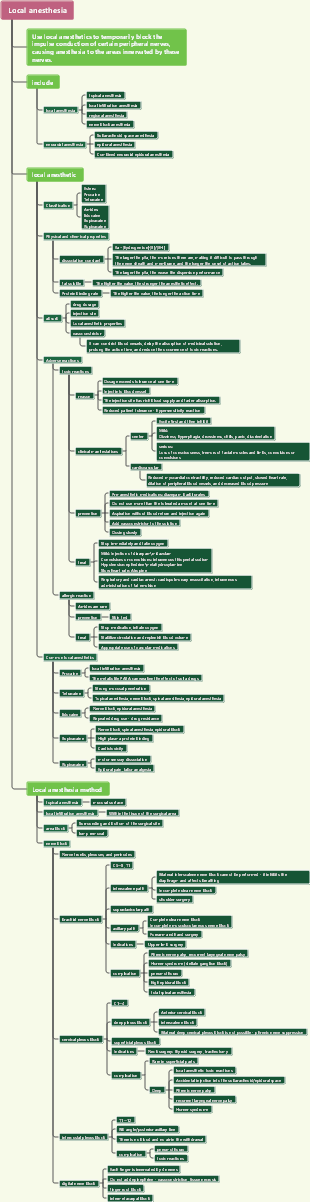
Local anesthesia
Local Anesthesia
Pharmacology of local anesthetics
composition
aromatic ring
intermediate chain
ester chain
Amide chain
amine group
Classification of local anesthetics
Commonly used local anesthetics
Esters
prone to allergies
Procaine
Strength of action
weak
toxicity
weak
Commonly used
local infiltration
Commonly used concentrations
0.5-1%
Action time (h)
0.75-1
topical anesthesia
none
Maximum dose once (mg)
1000
Tetracaine
Strength of action
powerful
toxicity
powerful
Commonly used
Surface numbness
nerve block
Commonly used concentrations
0.1-0.3%
Action time (h)
2-3
topical anesthesia
Maximum dose once (mg)
40 (topical anesthesia)
80 (nerve block)
Amides
Not prone to allergies
lidocaine
Strength of action
middle
toxicity
middle
Commonly used
Various local anesthesia
Commonly used concentrations
1-2%
Action time (h)
1-2
topical anesthesia
Maximum dose once (mg)
100 (topical anesthesia)
400 (nerve block)
Bupivacaine
Strength of action
powerful
toxicity
middle
Commonly used
Epidural, spinal anesthesia
Commonly used concentrations
0.25-0.75%
Action time (h)
5-6
topical anesthesia
none
Maximum dose once (mg)
150
Pivacaine
Strength of action
powerful
toxicity
lower than bupivacaine
Commonly used
epidural
Commonly used concentrations
0.25-1.0%
Action time (h)
4-6
topical anesthesia
none
Maximum dose once (mg)
150
Adverse reactions
toxic reactions
Common causes
more amount
Enter blood vessels by mistake
Inject into areas rich in blood vessels
Weakness, reduced tolerance
Symptoms of poisoning
CNS and cardiovascular system
Excite first and then inhibit, mainly inhibit
start to appear first
Lethargy
dizziness
Talkative
Chills
anxiety
Then
Loss of consciousness
myotremor
last appeared
twitch
convulsions
From excitement to inhibition, leading to respiratory and circulatory failure and death
Treatment measures
Immediately stop the application of local anesthetics, early detection and early treatment are key
Ensure the respiratory tract is unobstructed, inhale pure oxygen, and if necessary, intubate the trachea to control breathing.
Suppress convulsions
Benzodiazepines of choice
Consider using muscle relaxants on the basis of airway control
Propofol is contraindicated in patients with hemodynamic instability
lipid therapy
The recommended dose is a single intravenous injection of 1.5ml/kg of 20% fat emulsion over 1 minute, followed by a continuous intravenous infusion of 0.25ml/(kg·min)
For patients with refractory cardiovascular depression, the intravenous injection can be repeated 1 to 2 times, and the continuous infusion can be increased to 0.5ml/(kg·min)
Continue infusion for at least 10 minutes after circulatory function is stable
It is recommended that the upper limit of the dosage of fat emulsion in the first 30 minutes is 10ml/kg
Control arrhythmias
Support loop function
Extend the monitoring time (>12h) for patients who develop local anesthesia systemic toxicity
allergic reaction
extremely rare
Mostly caused by ester local anesthetics
Performance
Urticaria
Laryngeal edema
Bronchospasm
hypotension
treat
Symptomatic treatment
drug
Glucocorticoids
Adrenaline
antihistamines
prevention
Skin test
Local anesthesia method
topical anesthesia
Commonly used
eye surgery
Nasal surgery
Topical anesthesia of throat, trachea and bronchi
Urethral examination
local infiltration anesthesia
method
One stitch
Indications
Surface surgery
Precautions
The medicinal solution needs a certain volume to generate tension and make extensive contact with nerve endings.
Do not inject more than the limit amount. Reduce concentration, withdraw
No pain in solid organs and brain tissue
Add epinephrine to reduce absorption and prolong action time
area block
Suitable for lumpectomy
nerve block
cervical plexus block
Composed of the anterior rami of C1-4 spinal nerves
cervical plexus
Insert the needle from the midpoint of the posterior edge of the sternocleidomastoid muscle to the subcutaneous
deep cervical plexus
C4 one-needle block
brachial plexus block
brachial plexus
neuraxial anesthesia
According to the injection site
subarachnoid anesthesia
epidural block
judge
Sense of breakthrough, negative pressure phenomenon
Inject liquid without resistance
No cerebrospinal fluid or blood was aspirated
Indications
Various surgeries of the abdomen, pelvis, waist and lower limbs below the diaphragm
No operation time limit
It can also be used for surgeries on the neck, chest wall and upper limbs, but the anesthesia operation and management techniques are complex, so use it with caution.
Contraindications
Basically the same as spinal anesthesia
puncture site skin infection
coagulation disorder
shock
Spinal tuberculosis or severe deformity
central nervous system disorders
Patients with the elderly, pregnancy, anemia, hypertension, heart disease, hypovolemia, etc. should be very cautious, reduce the dosage of medication when using it, and strengthen patient management.
combined lumbar-epidural block anesthesia
one point method
Notice
puncture level
The puncture needle passes through the skin, subcutaneous tissue, supraspinal ligament, interspinous ligament, and ligamentum flavum, and then enters the epidural space in the spinal canal. Then pass through the dura mater and arachnoid mater, that is, enter the subarachnoid space
The lower end of the spinal cord ends at the lower edge of the L₁ pyramid or the upper edge of the L₂ in adults. It is lower in children and at the lower edge of the L₃ in newborns.
Indications and contraindications for spinal anesthesia
Indications
Surgery on the lower abdomen, pelvis, lower limbs and anus and perineum within 2-3 hours
Contraindications
central nervous system disorders
shock
Skin infection at or near the puncture site
septicemia
Spinal deformity, trauma, or tuberculosis
Acute heart failure or coronary heart disease attack
Children and mentally ill patients generally do not need spinal anesthesia unless basic anesthesia is given first.
sacral anesthesia
Applicable to
Rectal, anal, and perineal surgery
Abdominal Surgery in Preschoolers
puncture point
First touch the sacral hiatus, and then touch the broad bean-sized bony bumps on both sides of the hole, which are the sacral angles. The midpoint of the line connecting the two sacral angles is the puncture point.
Monitoring and management during and after anesthesia
during anesthesia
Monitoring of respiratory function
Intubated patients should maintain PaO₂, PaCO₂, and PH
For non-intubated patients, observe the patient’s breathing pattern, amplitude, and frequency to determine whether there is respiratory obstruction, hypoxia, and CO₂ accumulation.
Detection of loop function
blood pressure
pulse
CVP
urine output
controlled blood pressure reduction
The basic principle
Ensure tissue perfusion and meet basic metabolic needs
Control MAP at 50-65㎜Hg, or reduce basal pressure by 30%
General condition
body temperature
consciousness
expression
anesthesia recovery period
routine monitoring
Keep airway open
Maintain circulation stability
Dealing with wake-up delays
Prevention and treatment of nausea and vomiting