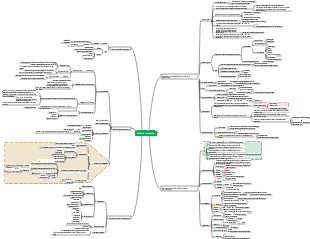
MindMap Gallery Gene diagnosis and gene therapy
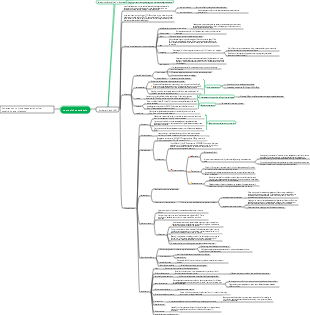
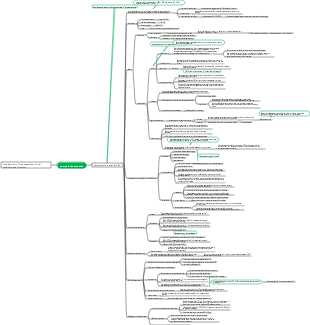
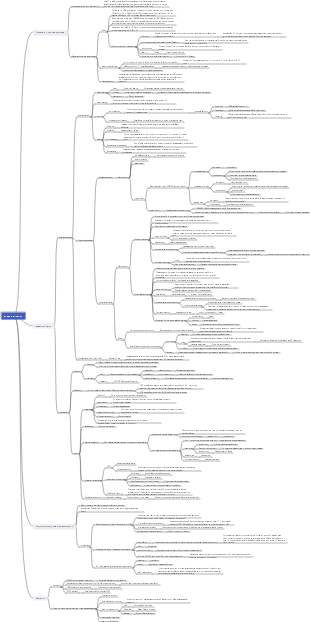
Gene diagnosis and gene therapy mind map introduces the concepts and characteristics, basic technologies and medical applications of genetic diagnosis, and the concepts and characteristics, basic procedures and medical applications of gene therapy.
Edited at 2021-10-04 17:58:48This is a mind map about bacteria, and its main contents include: overview, morphology, types, structure, reproduction, distribution, application, and expansion. The summary is comprehensive and meticulous, suitable as review materials.
This is a mind map about plant asexual reproduction, and its main contents include: concept, spore reproduction, vegetative reproduction, tissue culture, and buds. The summary is comprehensive and meticulous, suitable as review materials.
This is a mind map about the reproductive development of animals, and its main contents include: insects, frogs, birds, sexual reproduction, and asexual reproduction. The summary is comprehensive and meticulous, suitable as review materials.
This is a mind map about bacteria, and its main contents include: overview, morphology, types, structure, reproduction, distribution, application, and expansion. The summary is comprehensive and meticulous, suitable as review materials.
This is a mind map about plant asexual reproduction, and its main contents include: concept, spore reproduction, vegetative reproduction, tissue culture, and buds. The summary is comprehensive and meticulous, suitable as review materials.
This is a mind map about the reproductive development of animals, and its main contents include: insects, frogs, birds, sexual reproduction, and asexual reproduction. The summary is comprehensive and meticulous, suitable as review materials.
Gene diagnosis and gene therapy
Section 1 Genetic Diagnosis
1. Concept and characteristics of genetic diagnosis
(1) Concept of genetic diagnosis:
It refers to a method that uses molecular biology techniques and methods to directly detect whether the gene structure and its expression level are normal, thereby diagnosing the disease.
(2) Characteristics of genetic diagnosis:
Genetic diagnosis is highly specific
High sensitivity of genetic diagnosis
Genetic diagnosis enables rapid and early judgment
Genetic diagnosis has strong applicability and wide diagnostic range
Genetic diagnosis content
Qualitative and quantitative analysis
Gene sequence analysis
Gene mutation analysis
Gene copy number analysis
Gene expression product analysis
Foreign gene detection
2. Genetic diagnosis targets and samples come from a wide range of sources
(1) Objects of genetic diagnosis
Mainly DNA molecules, when it comes to functional analysis, it can also quantitatively detect molecules such as RNA (mainly mRNA) and proteins.
(2) Sample sources for genetic diagnosis:
Samples that can be used for clinical genetic diagnosis include blood, tissue blocks, amniotic fluid and villi, semen, hair, saliva, urine, etc.
3. Basic technologies of genetic diagnosis
(1) Nucleic acid molecular hybridization technology
1. Southern blotting
It can distinguish the genotypes of normal and mutant samples and obtain information such as gene deletion or insertion fragment size. Southern blotting can generally display DNA fragments of 50 bp to 20 kbp, and fragment size information is an important basis for the diagnosis of genetic defects using this technology.
Indirect genetic diagnosis of sickle cell anemia—linkage analysis of β-globin RFLP markers
2. Northern blotting
Northern blot can perform qualitative or quantitative analysis of total RNA or mRNA in tissues or cells, as well as gene expression analysis. Northern blot hybridization requires very high purity of sample RNA, which limits the application of this technology in clinical diagnosis.
3. dot blot hybridization
It hybridizes a nucleic acid probe to a DNA or RNA sample on a support to detect the presence of specific genes or expression products in the sample. This technology can be used for qualitative and quantitative analysis of specific genes and their expression products in the genome.
4. In situ hybridization (ISH)
It is a nucleic acid analysis method that combines cell biotechnology and nucleic acid hybridization technology. Nucleic acid probes hybridize with nucleic acids in cell specimens or tissue specimens, which can perform quantitative and localization analysis of specific nucleic acid sequences.
5. Fluorescence in situ hybridization (FISH)
It hybridizes oligonucleotide probes labeled with fluorescein or biotin to denatured nucleic acids in cells or tissues, and can conduct qualitative, quantitative or relative positioning analysis of the DNA to be tested. In genetic diagnosis, the advantage of FISH is that it can specifically hybridize any given genomic region, analyze metaphase chromosomes and interphase nuclei, and obtain chromosomal information that cannot be detected by traditional banding techniques.
(2) PCR technology
1. Directly use PCR technology for genetic diagnosis
Gap PCR (gap-PCR) is more suitable for clinical diagnosis because of its simplicity and sensitivity. The idea of this method is to design and synthesize a set of primers that span the mutation (deletion or insertion) breakpoint in the sequence, perform PCR amplification of the DNA sample to be tested, and then conduct agarose gel electrophoresis to directly determine the size of the amplified fragment. Determine whether deletion or insertion mutations exist.
Multiplex PCR is a practical and reliable common method for detecting DNA deletions. Its basic principle is to add multiple primers in one PCR reaction to amplify different series of fragments in a DNA sample. The amplified product of each pair of primers Lengths vary. Whether certain gene fragments are deleted or mutated can be determined based on the presence or absence of DNA fragments of different lengths on the electrophoresis pattern.
Direct diagnosis of disease-causing genes: diagnosis of dynamic mutations
• An increase in the copy number of short tandem repeats (STR) leads to the occurrence of certain genetic diseases and is called dynamic mutation.
• Methods: PCR direct amplification for diagnosis of STR-based DNA fragment length polymorphisms
• Such as fragile x syndrome; 5’ CGG repeats
Normal person’s copy number is 5-50
Presymptomatic carriers 50-200
There are more than 200 patients, and the segment is too long to expand.
2. PCR-allele-specific oligonucleotide molecular hybridization (allele specific oligonucleotide, ASO)
Synthesis of wild-type and mutant probes
PCR amplifies the target DNA fragment of the subject and hybridizes with the above probe.
result:
① The PCR amplification product hybridizes with the normal probe and does not hybridize with the mutant probe - there is no such mutation;
②Hybridize only with the mutation probe - the mutant gene is homozygous;
③ Can hybridize with both normal probes and mutant probes - the mutant gene is heterozygous;
④Cannot hybridize with normal probes and mutant probes - the mutant gene does not belong to the discovered type
3. PCR-restriction fragment length polymorphism
It is a technology that combines PCR with restriction fragment length polymorphism (RFLP), which can quickly and easily perform genetic diagnosis of known mutations.
Primer-mediated restriction analysis PCR (PCR-primer introduced restriction analysis, PCR-PIRA) is an extension of PCR-RFLP technology.
Nested PCR-restriction fragment polymorphism (nested PCR-RFLP) combines RFLP with nested PCR (nested PCR) technology. By designing primers with highly conserved sequences, PCR amplification is performed on the DNA of the species to be detected, and the PCR products are Perform RFLP analysis.
Direct diagnosis of disease-causing genes: diagnosis of point mutations
Restriction enzyme site changes
4. PCR-single-stranded conformational polymorphism
PCR-single strand conformation polymorphism (PCR-SSCP) analysis is a method to detect gene point mutations based on differences in single-stranded DNA conformation.
5. PCR-denaturing high-performance liquid chromatography
The basic principle of PCR-DHPLC technology is to use the characteristic that the single-stranded product of the sample DNA to be tested during the PCR amplification process can randomly combine with the complementary strand to form a double-stranded product. The test sample is judged based on whether heteroduplexes appear in the final product. Whether point mutations are present in the sample.
(3) DNA sequence analysis
Isolating the patient's relevant genes, determining their base sequence, and finding out where the variation is is the most direct and accurate method of genetic diagnosis. Due to the rapid development and promotion of PCR technology and DNA sequence analysis technology, sequence analysis has become the best diagnostic method technically and economically, replacing the traditional restriction endonuclease zymogram analysis method.
(4) Gene chip technology
Gene chip technology can process samples in micro-quantification, large-scale, and automatically. It is especially suitable for detecting multiple genes and multiple sites at the same time, accurately studying the variation of molecular structures in various states, and understanding the gene expression in tissues or cells. , used to detect gene mutations, polymorphisms, expression levels and gene library mapping, etc.
4. Medical applications of genetic diagnosis
(1) Diagnosis and risk prediction of genetic diseases
Genetic diagnostics are currently available for genetic screening and prenatal diagnosis.
(2) Predictive diagnosis of common polygenic diseases
Predictive diagnosis can provide the subject with an assessment of the risk of certain diseases.
(3) Detection of infectious disease pathogens
1. On-site rapid detection of pathogenic microorganisms to determine the source of infection;
2. Rapid typing of viruses or pathogenic bacteria to determine pathogenicity or drug sensitivity;
3. The identification of pathogenic microorganisms that require complex isolation and culture conditions or that cannot currently be cultured in vitro.
(4) Efficacy evaluation and medication guidance
Gene diagnostic techniques such as PCR have become routine methods for clinical detection and tracking of minimal residual disease.
On the basis of systematically elucidating the genetic polymorphisms of genes encoding human drug-metabolizing enzymes and other related proteins, pharmacogenetic testing of different drug-metabolizing gene targets will provide technical support for the true realization of personalized medicine.
(5) DNA fingerprint identification is the core technology for forensic individual identification
Certain DNA sequence characteristics between people have a high degree of individual specificity and lifelong stability, just like human fingerprints, so they are called DNA fingerprinting.
Section 2 Gene Therapy
The concept of gene therapy
It is a biomedical treatment based on changing human genetic material, that is, using a certain method to introduce human normal genes or therapeutic DNA fragments into human target cells to correct or replace disease-causing genes. It targets the root cause of the disease, the abnormal gene itself.
1. Basic strategies of gene therapy
(1) Precise in-situ repair of defective genes
1.gene correctiongene correction
Correct the mutated base of the disease-causing gene
2.Gene replacementgene replacement
Replace disease-causing genes in situ with normal genes through recombination
These two methods are precise in-situ repairs of defective genes. They do not destroy the structure of the entire genome and can achieve the purpose of treating the disease. They are the most ideal treatment methods.
(2) Gene supplementation
Instead of deleting the mutated disease-causing gene, an additional normal gene is inserted at a certain site in the genome to express a protein with normal function in the body to achieve the purpose of treating the disease. This method of ectopic replacement of genes is called gene augmentation, or gene augmentation, and is the main gene therapy strategy currently used clinically.
example
Introducing the coagulation factor IX gene into hemophilia patients to restore their coagulation function;
Introducing genes encoding molecules such as interferon and interleukin-2 into patients with malignant tumors can activate the activity of immune cells in the body and serve as auxiliary therapy in anti-tumor treatment, also known as gene immunotherapy.
(3) Gene silencing or inactivation
Some diseases are caused by the overexpression of one or more genes. Introducing nucleic acids that inhibit gene expression into the patient's body, such as antisense RNA, ribozymes, small interfering RNA, etc., can degrade the corresponding mRNA or inhibit its translation. , blocking the abnormal expression of disease-causing genes, thereby achieving the purpose of treating the disease. This strategy is called gene inactivation or gene silencing.
(4) Application of suicide genes
The principle of suicide gene therapy for tumors is to introduce genes encoding certain special enzymes into tumor cells. The encoded enzymes can convert non-toxic or low-toxic drug precursors into cytotoxic metabolites, inducing cells to produce a "suicide" effect. Thereby achieving the purpose of eliminating tumor cells.
2. Basic procedures of gene therapy
(1) Selection of therapeutic genes
Many secreted proteins such as growth factors, peptide hormones, cytokines, soluble receptors (artificially constructed receptors that remove membrane-binding characteristics), as well as normal genes for non-secreted proteins such as receptors, enzymes, and transcription factors can be used as Therapeutic genes. In short, as long as it is clear what the mutated gene causing a certain disease is, the corresponding normal gene or modified gene can be used as a therapeutic gene.
(2) Selecting vectors carrying therapeutic genes
There are two categories of vectors for gene therapy: viral vectors and non-viral vectors. Viral vectors are mostly used.
Wild-type viruses must be modified to eliminate genes necessary for their replication and pathogenic genes to eliminate their ability to infect and cause disease.
Viruses currently used as gene transfer vectors include retrovirus, adenovirus, adeno-associated virus (AAV), herpes simplex virus (HSV), etc.
1. Retroviral vectors
Retroviruses are RNA viruses whose genomes contain genes encoding reverse transcriptase and integrase.
Retroviral vectors have the advantages of high gene transfer efficiency, wide range of cell hosts, and high DNA integration efficiency. The first disadvantage is the possibility of infectious viruses; the second is the increased chance of tumor occurrence.
Retroviral vector-mediated gene therapy process
• Cloning of therapeutic genes into retroviral vectors
• Screen packaging cells
• Transformed cell culture
• Obtain recombinant viral particles from the supernatant and purify them
• Infect target cells
Advantages and Disadvantages of Retroviral Vectors
• advantage
– High gene transfer efficiency
– Broad range of cell hosts
– High DNA integration efficiency
• shortcoming
1. Security issues
• Possibility of recombination to produce infectious viruses
• Random integration may activate proto-oncogenes or inactivate tumor suppressor genes
2. The capacity is small and can only accommodate foreign genes below 7 kb.
2. Adenoviral vector
Adenovirus is a DNA virus that can cause infection of human upper respiratory tract and eye epithelial cells.
advantage
High security
High transfection efficiency
Wide range of cells available
shortcoming
The genome is large and complex to construct
cannot express for a long time
Strong immunogenicity and easily rejected
Adenovirus is a large (36 kb) double-stranded non-enveloped DNA virus. It enters cells through receptor-mediated endocytosis and is then transferred to the nucleus, where it remains extrachromosomal and does not integrate into the host cell genome. Adenovirus is the causative agent of human respiratory tract infection, but has not yet been found to be associated with tumorigenesis. It has a wide range of host cells and can infect dividing and non-dividing terminally differentiated cells, such as neurons. There are more than 50 serotypes of human adenovirus. Subtype C 2 and 5 (Ad2 and Ad5) do not cure diseases in humans and are suitable for use as gene therapy vectors.
3. Adenovirus-associated viral vectors
A type of single-stranded linear DNA defective virus. Its genomic DNA is less than 5 kb, non-enveloped, and looks like a naked icosahedral particle. AAV cannot replicate independently. Replication and cytolytic infection can only occur in the presence of helper viruses (such as adenovirus, herpes simplex virus, etc.), otherwise only lysogenic latent infection can be established.
AAV advantages
AAV vector is a new type of safe vector currently being studied and is non-pathogenic to humans.
AAV can efficiently integrate into the specific region of human chromosome 19, 19q13.4, and exist relatively stably. This kind of targeted site-specific integration can avoid the potential dangers of tumor suppressor gene inactivation and proto-oncogene activation that may be caused by random integration. Moreover, foreign genes can be continuously and stably expressed and can be regulated by surrounding genes, and have reverse transcription capabilities. Advantages of both viral vectors and adenoviral vectors.
Disadvantages of AAV vectors
AAV vectors have a small capacity and can currently only accommodate up to 5 kb of foreign DNA fragments;
The infection efficiency is lower than that of retroviral vectors, and 40%-80% of adults have been infected;
May cause immune rejection.
(3) Selecting target cells for gene therapy
Target cells are usually somatic cells, including diseased tissue cells or normal immune function cells.
1. Hematopoietic stem cells
Hematopoietic stem cells (HSCs) are cells in the bone marrow that have a high degree of self-renewal ability. They can further differentiate into other blood cells and maintain the stability of genomic DNA.
2. Lymphocytes
Lymphocytes participate in the body's immune response. They have a long lifespan and are easy to be separated and reinfused from the blood. They are also sensitive to commonly used gene transfer methods and are suitable as target cells for gene therapy.
3. Skin fibroblasts
It comes from a wide range of sources, is easy to amplify and culture, and is easy to transplant. Can be expressed stably for a period of time.
4. Muscle cells
Easy to absorb, the content of lysosomes and DNA enzymes in muscle cells is very low. Suitable for DNA vaccine treatment.
5. Tumor cells
Tumor cells are extremely important target cells in tumor gene therapy. Because tumor cells divide vigorously, they are sensitive to most gene transfer methods and can carry out efficient exogenous gene transfer.
(4) Introducing therapeutic genes into the human body
1. Introducing genes into the human body
Gene introduction into the human body is also called gene delivery, including: indirect in vivo therapy ex vivo and direct in vivo therapy in vivo.
(1) Indirect in vivo therapy
The target cells that need to receive the gene are removed from the body, cultured in vitro, the vector carrying the therapeutic gene is introduced into the cells, the cells that have received the therapeutic gene are screened out, multiplied and expanded, and then infused back into the body, so that the therapeutic gene can be expressed accordingly in the body. product.
(2) Direct in vivo therapy
The exogenous gene is directly injected into relevant tissues and organs in the body, allowing it to enter the corresponding cells and be expressed.
2. Gene introduction into cells
(1) Biological method
Gene introduction mediated by viral vectors is achieved by virus-infected cells. It is characterized by high gene transfer efficiency, but safety issues need to be paid attention to.
(2) Non-biological law
Physical or chemical methods are used to introduce therapeutic gene expression vectors into cells or directly into the human body. The operation is simple and safe, but the transfer efficiency is low.
(5) Detection of therapeutic gene expression
No matter which method is used to introduce genes, it is necessary to test whether these genes can be expressed correctly. The expression status of the introduced gene can be detected using methods such as PCR, Northern blotting, Western blotting, and ELISA. Whether the introduced gene is integrated into the genome and where it is integrated can be analyzed using Southern blotting technology.
3. Medical applications of gene therapy
(1) Gene therapy for single-gene genetic diseases
Diseases affected by only one pair of alleles are single-gene genetic diseases, and it is relatively easy to design gene therapy programs, such as sickle cell anemia, α-thalassemia, hemophilia, etc. The basic plan is to introduce normal genes into the patient's body through a certain method to express normal functional proteins.
Adenosine deaminase (ADA) deficiency
The first disease to be treated with gene therapy in human history
Cause: ADA deficiency → severe combined immunodeficiency (SCID)
Therapeutic target cells: bone marrow stem cells
Therapeutic Vectors: Retroviruses
(2) Gene therapy for polygenic diseases
Diseases that are the result of the interaction of multiple genes and are affected by environmental factors are polygenic diseases, such as hypertension, atherosclerosis, diabetes, tumors, etc.
Gene therapy for malignant tumors includes: various gene silencing for oncogene expression, gene supplementation for tumor suppressor genes, cytokine gene introduction for tumor immune response, and gene inactivation for tumor angiogenesis, etc.
4. Prospects and Problems of Gene Therapy
(1) Problems that need to be solved urgently
1. Lack of efficient and targeted gene transfer system
2. Lack of effective therapeutic target genes
3. The expression of therapeutic genes cannot be precisely controlled, nor can their safety be guaranteed.
4. Lack of accurate efficacy evaluation
(2) Prospects
The country is paying more and more attention to it, the technology is becoming more mature, and its application is becoming more and more widespread.