MindMap Gallery Biology-enzyme mind map
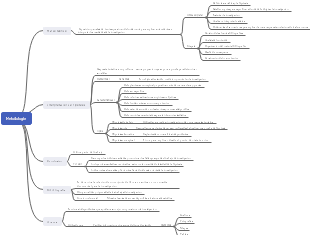
This is a mind map about biology-enzymes. Enzymes are biological catalysts that can accelerate chemical reactions in organisms. Hope it helps everyone.
Edited at 2023-12-02 19:46:38This is a mind map about bacteria, and its main contents include: overview, morphology, types, structure, reproduction, distribution, application, and expansion. The summary is comprehensive and meticulous, suitable as review materials.
This is a mind map about plant asexual reproduction, and its main contents include: concept, spore reproduction, vegetative reproduction, tissue culture, and buds. The summary is comprehensive and meticulous, suitable as review materials.
This is a mind map about the reproductive development of animals, and its main contents include: insects, frogs, birds, sexual reproduction, and asexual reproduction. The summary is comprehensive and meticulous, suitable as review materials.
This is a mind map about bacteria, and its main contents include: overview, morphology, types, structure, reproduction, distribution, application, and expansion. The summary is comprehensive and meticulous, suitable as review materials.
This is a mind map about plant asexual reproduction, and its main contents include: concept, spore reproduction, vegetative reproduction, tissue culture, and buds. The summary is comprehensive and meticulous, suitable as review materials.
This is a mind map about the reproductive development of animals, and its main contents include: insects, frogs, birds, sexual reproduction, and asexual reproduction. The summary is comprehensive and meticulous, suitable as review materials.
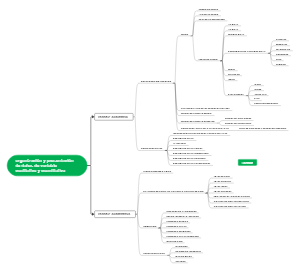
enzyme
definition
Enzymes are biological catalysts that can accelerate chemical reactions in organisms;
The role of enzymes
catalysis
substrate conversion
ribonucleotide synthase
deoxyribonucleotide synthase
energy conversion
oxidase
Catalase
cytochrome oxidase
reductase
regulating effect
zymogen activation
Trypsinogen
chymotrypsinogen
enzyme inhibition
Phosphotransferase A
Phosphotransferase B
signaling
Signaling molecule synthesis
ribonucleotide synthase
deoxyribonucleotide synthase
Signaling molecule degradation
Protease
Trypsin
chymotrypsin
nuclease
DNase
RNase
Classification according to substrate
oxidoreductase
oxidase
Catalase
cytochrome oxidase
reductase
thioredoxin reductase
glutathione reductase
transferase
methyltransferase
S-adenosylmethionine synthetase
phosphotransferase
Phosphotransferase A
hydrolase
Esterase
Lipase
Phospholipase
Glycosidase
alpha amylase
beta amylase
Classification according to reaction type
synthase
amino acid synthase
nucleotide synthase
ribonucleotide synthase
deoxyribonucleotide synthase
Lyase
Protease
Trypsin
chymotrypsin
nuclease
DNase
RNase
Classification based on molecular structure
monomeric enzyme
aspartic protease
alanine protease
Oligomerase
dimer enzyme
Dimeric protease
dimer nuclease
trimerase
Trimeric protease
Trimeric nuclease
polymerase
multimeric protease
chymotrypsin
Trypsinogen
multimeric nuclease
DNA polymerase
RNA polymerase
application
Biopharmaceutical
Enzymes have a wide range of applications in the field of biopharmaceuticals, such as enzyme immobilization technology, enzyme directed evolution technology, etc.
Biofuels
Enzymes have a wide range of applications in the field of biofuels, such as enzyme catalytic conversion technology, enzyme biosynthesis technology, etc.
environmental protection
Enzymes have a wide range of applications in the field of environmental protection, such as enzyme biodegradation technology, enzyme bioremediation technology, etc.
food industry
Enzymes have a wide range of applications in the food industry, such as enzyme food processing technology, enzyme food preservation technology, etc.
Enzyme nomenclature
systematic nomenclature
Named according to substrate
Trypsin
chymotrypsin
Named according to reaction type
ribonucleotide synthase
deoxyribonucleotide synthase
Named based on molecular structure
monomeric enzyme
aspartic protease
alanine protease
Oligomerase
dimer enzyme
trimerase
polymerase
multimeric protease
chymotrypsin
Trypsinogen
multimeric nuclease
DNA polymerase
RNA polymerase
customary nomenclature
Named after discoverer
Sanger method
Edman method
Named according to source
Trypsin
chymotrypsin
Name according to function
ribonucleotide synthase
deoxyribonucleotide synthase
characteristic
Efficiency
The catalytic efficiency of enzymes is much higher than that of inorganic catalysts
specificity
Enzymes can only catalyze specific chemical reactions
Adjustability
Enzyme activity can be regulated by various factors in organisms
stability
Enzymes have high stability in organisms and are not easily affected by external factors;
chemical nature of enzymes
protein enzymes
amino acid sequence
aspartic protease
alanine protease
tertiary structure
Dimeric protease
Trimeric protease
multimeric protease
nuclease
Nucleotide sequence
DNA polymerase
RNA polymerase
secondary structure
dimer nuclease
Trimeric nuclease
multimeric nuclease