MindMap Gallery Materials Engineering-Fundamentals of Extrusion Process (1)
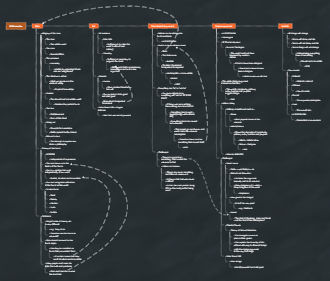
This is a mind map about the basics of extrusion process (1), mainly including the types of plastic wires and cables, Development trends of plastic wires and cables, etc.
Edited at 2023-12-01 15:23:31This is a mind map about bacteria, and its main contents include: overview, morphology, types, structure, reproduction, distribution, application, and expansion. The summary is comprehensive and meticulous, suitable as review materials.
This is a mind map about plant asexual reproduction, and its main contents include: concept, spore reproduction, vegetative reproduction, tissue culture, and buds. The summary is comprehensive and meticulous, suitable as review materials.
This is a mind map about the reproductive development of animals, and its main contents include: insects, frogs, birds, sexual reproduction, and asexual reproduction. The summary is comprehensive and meticulous, suitable as review materials.
This is a mind map about bacteria, and its main contents include: overview, morphology, types, structure, reproduction, distribution, application, and expansion. The summary is comprehensive and meticulous, suitable as review materials.
This is a mind map about plant asexual reproduction, and its main contents include: concept, spore reproduction, vegetative reproduction, tissue culture, and buds. The summary is comprehensive and meticulous, suitable as review materials.
This is a mind map about the reproductive development of animals, and its main contents include: insects, frogs, birds, sexual reproduction, and asexual reproduction. The summary is comprehensive and meticulous, suitable as review materials.
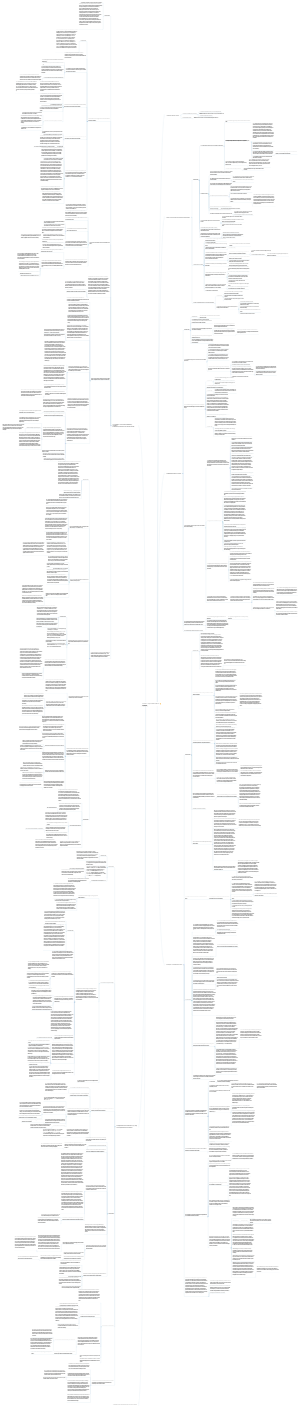
Extrusion process basics
Types of plastic wires and cables
Plastic power cable
Mainly transmits electricity and distributes high-power electrical energy
Main insulation materials: PVC and polyolefin plastics
Plastic communication cable
Mainly used for the transmission of telephone, telegraph, fax, television and other telecommunications information
Main insulation materials: PVC and polyolefin plastics
Plastic cables for power equipment
Used between switch cabinets of power systems and electrical equipment or devices
Main products: wires, installation wires, elevator cables, control cables, signal cables, marine cables, Mining cables, detection cables, high voltage DC flexible cables.
Development Trend of Plastic Wires and Cables
Plastic power cable field
Developing towards high pressure, ultra-high pressure, large length and large capacity. Conduct research on insulation thinning to enhance heat resistance, aging resistance, oil resistance, and chemical resistance Development of fire-resistant, halogen-free, low-smoke, flame-retardant, non-toxic cables.
Plastic communication cable field
Adopting new technologies such as foam insulation to meet the needs of high frequency UHF, digital communications, and The market demand for ultra-large pair of voice cables and broadband digital communications.
Classification of plastics
thermoplastic materials
PVC polyethylene, foamed polyethylene polypropylene
thermoset materials
Cross-linked polyethylene, rubber
The meaning of the basic properties of plastics
Volume resistivity
Plastics have leakage current flowing through them under the action of electric field. The resistance when leakage current passes through plastic is called volume resistance. Resistance through 1cm3 of plastic That is the volume resistivity pv, the unit is ohm meters, The unit symbol is 0.m. The higher the volume resistivity, the The better the insulation performance
Breakdown field strength
When the voltage applied to the plastic reaches a certain limit , the plastic loses its insulating properties and is broken down, the moment of breakdown The applied voltage value is called the breakdown voltage of the plastic, The ratio of breakdown voltage to plastic thickness is called breakdown field strength E, unit symbol is kV/mm
Dielectric constant
It is an indicator of the polarity of plastic. between The smaller the electrical constant e, the plastic will The smaller the polarization intensity, the smaller the dielectric loss.
dielectric loss tangent
The amount of energy consumed in plastic under the action of an alternating electric field is called Dielectric loss. It is often calculated as the tangent value tg of the dielectric loss angle. express. The smaller the dielectric loss angle tangent tg is, the smaller the dielectric loss is. The smaller the plastic, the better its electrical insulation properties. Used under high frequency and high pressure When used, it is required that the tg value of the plastic is not greater than a few thousandths or a few thousandths ; For low voltage and general insulation, the tg value of plastic is no more than a few percent.
Corona resistance
Under high voltage conditions, due to insulating surface discharge and cause corona, when its When attacking an insulator, due to Ion impact, electron attack attacks, ozone attacks and The effect of external heat leads to The polymer cleaves, causing it to Electrical insulation properties and physics Mechanical properties deteriorate. Plastic resists corona effects while maintaining its performance The ability is called electricity resistance halo
Tensile strength and elongation at break
Static application of plastic specimens on a material tensile testing machine A tensile load is applied and stretched at a certain speed until the specimen breaks. At this time, the tensile force borne by the unit section of the sample is called the plastic The tensile strength of the material; the percentage increase in length when the sample is broken is called the elongation of the plastic
density
At a certain temperature (usually 20°C), The mass of a plastic sample per unit volume, weighed is the density of plastic
Basic properties of plastics
Heat aging resistance
During the processing and use of plastics, due to changes in The phenomenon of deterioration of plastic properties caused by heat is called thermal Ageing. The ability of plastics to resist thermal aging is called heat resistance Aging properties. Using accelerated thermal aging at high temperatures Chemical testing to determine plastic properties (mechanical properties or electrical Performance) retention rate after aging to measure the plastic's Heat aging resistance
200 degree heat stable
By testing plastic samples under high temperature conditions of 200°C . Start decomposition reaction time to determine the heat of the sample Stable performance. Suitable for PVC insulation materials and PVC sheathing Determination of set material
Heat deformation resistance
Plastics can still protect themselves under heated conditions Maintaining good physical and mechanical properties High temperature is the heat resistance of the plastic Deformation performance. Usually waiting in plastic When heating up quickly, use it under a certain load The temperature when its deformation reaches the specified value To represent
Weather resistance
Plastics are used under atmospheric conditions and exposed to sunlight , rain, wind, air pollution and other severe Due to the natural conditions, the performance of plastics deteriorates Atmospheric Aging Plastics Resist Atmospheric Aging The ability of plastics to weather resistance
Oil and solvent resistant
When plastic comes into contact with mineral oil or various solvents, it resists oil or solvent ability is called the oil resistance or solvent resistance of plastics agent performance. The sample can be immersed in oil or solvent and After a certain period of time at a certain temperature, measure its oil absorption or solubility. The absorption rate, volume change rate or tensile strength, elongation of the agent elongation retention
Water and moisture resistance
Plastic resists water or moisture when immersed or humid The ability of gases to penetrate, known as the water resistance or moisture resistance of plastics . When plastic absorbs water or moisture, it will cause insulation resistance and breakdown fields. The strength decreases, the dielectric loss increases, and the appearance, weight, and There are changes in mechanical properties and so on. Therefore, plastics are required to have good water resistance and moisture resistance. For plastics used in wires and cables, the main consideration is that in immersion After water or moisture absorption, it should be ensured that the electrical insulation performance of the plastic meets the usage requirements. The water absorption capacity of plastics can be measured as water absorption per unit area, water absorption rate or water absorption. Expressed by weight. The moisture permeability of plastics is expressed in terms of moisture permeability coefficient and vapor permeability.
Environmental stress cracking resistance
Some crystalline plastics, due to the existence of internal stress during processing and Contact with chemicals during use may cause cracking during storage and use. It's called environmental stress cracking. The ability of plastics to resist environmental stress cracking is called Environmental stress cracking resistance. Plastic bending specimens with grooved surfaces available , put it into surfactant, and observe the samples that crack within the specified time. Measured by quantity and proportion
Melt Index
.For thermoplastic plastics, under certain temperature and load, the melt will flow through every 10 minutes. Weight passing the standard port. Expressed by M1, the unit is g/min. ordinary feelings Under the circumstances. The larger the melt index, the better the extrusion fluidity and the lower the required extrusion temperature.
cold resistance
·The ability of plastics to maintain certain physical and mechanical properties at low temperatures is called the cold resistance of plastics. It is often expressed by the following cold-resistant temperatures. Low temperature embrittlement temperature: It is the temperature at which 50% of the samples are damaged when the plastic is subjected to a specific impact load at low temperature. Low-temperature folding temperature: It is the temperature at which the plastic sample is about to break but does not break when it is bent at 180°. Low-temperature impact compression temperature: It is the temperature at which a plastic sample is impacted and compressed by a punch with a certain energy and speed at low temperature, so that the rupture rate reaches 50%.
Common types of thermoplastic materials
PVC
Basic features
Main performance
type
PE
Type: low density polyethylene, medium density polyethylene, high density polyethylene
characteristic
other
Commonly used types of thermoset plastics
XLPE
type Peroxide cross-linking Silane cross-linking Radiation cross-linking UV cross-linking
characteristic: High heat resistance Resistant to environmental aging
Ethylene propylene rubber
Other types of plastics for wires and cables
foamed polyethylene
Fluoroplastic
polypropylene
Polyamide-Nylon
Halogen-free low smoke flame retardant polyolefin
thermoplastic polyurethane plastic
Basic structure of plastic wire and cable
Conductive core
solid and stranded
Shaped and round
Regular twisting and irregular twisting
Insulation
form
Plastic cables and equipment cables are mainly insulated with solid
Solid insulation, foam insulation and skinned foam insulation for plastic communication cables
performance
The thicker the insulation layer, the higher the withstand voltage.
General standards stipulate that the minimum thickness of insulation shall not be less than 90% of the nominal value
The protective layer
Classification
Inner sheath
metal sheath Non-metallic sheath Combination sheath
Outer sheath
Armor layer Outer quilt and outer sheath
effect
Inner lining layer: prevents being crushed by the armor layer and resists external corrosion.
Armor layer: prevents mechanical damage and chemical corrosion during laying
Outer sheath: protects the armor layer from mechanical damage and corrosion