MindMap Gallery Pathology-shock mind map
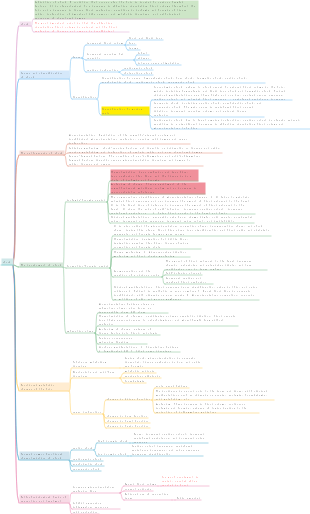
An article about pathology-shock mind map. Shock refers to a crisis state that occurs after the body is affected by strong damaging factors.
Edited at 2023-11-29 12:47:35This is a mind map about bacteria, and its main contents include: overview, morphology, types, structure, reproduction, distribution, application, and expansion. The summary is comprehensive and meticulous, suitable as review materials.

This is a mind map about plant asexual reproduction, and its main contents include: concept, spore reproduction, vegetative reproduction, tissue culture, and buds. The summary is comprehensive and meticulous, suitable as review materials.
This is a mind map about the reproductive development of animals, and its main contents include: insects, frogs, birds, sexual reproduction, and asexual reproduction. The summary is comprehensive and meticulous, suitable as review materials.
This is a mind map about bacteria, and its main contents include: overview, morphology, types, structure, reproduction, distribution, application, and expansion. The summary is comprehensive and meticulous, suitable as review materials.
This is a mind map about plant asexual reproduction, and its main contents include: concept, spore reproduction, vegetative reproduction, tissue culture, and buds. The summary is comprehensive and meticulous, suitable as review materials.
This is a mind map about the reproductive development of animals, and its main contents include: insects, frogs, birds, sexual reproduction, and asexual reproduction. The summary is comprehensive and meticulous, suitable as review materials.
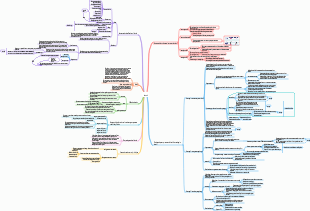
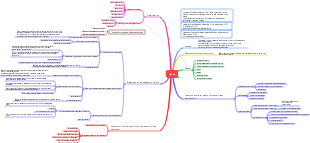
shock
Refers to a crisis state that occurs after the body is exposed to strong damaging factors.
Classification by cause
blood loss, fluid loss shock
burn shock
traumatic shock
septic shock
anaphylactic shock
cardiogenic shock
neurogenic shock
Classification according to hemodynamic characteristics
Low discharge high resistance shock
High discharge and low resistance shock
Ground drain low resistance shock
Classification according to the starting link that occurs
hypovolemic shock
cardiogenic shock
Vascular round shock
three periods
Early stage of shock
Characteristics of microcirculatory changes
The mechanism of microcirculatory ischemia
Sympatho-adrenergic medullary system excitement
Release of other humoral factors
Compensatory significance of microcirculatory changes
maintain arterial blood pressure
Ensure blood supply to the heart, brain and other important organs
Main clinical manifestations
Pale complexion, clammy limbs, accelerated heart rate, and thin pulse
shock period
The main mechanism of microcirculatory congestion
Accumulation of acidic metabolites
Increase in local vasodilator substances
The role of endotoxin
Hemorheology
clinical manifestations
Progressive decrease in blood pressure, decreased pulse pressure, and weak heartbeat
Late stage of shock
The main mechanism of microcirculatory coagulation
Blood rheology changes
The coagulation system is activated
Increase in procoagulant substances
Decreased function of the mononuclear phagocyte system
DIC
Etiology and pathogenesis
Infect
obstetric accident
major surgery
severe trauma
burn
malignant tumor
installment
hypercoagulable period
consumptive hypocoagulable phase
Secondary hyperfibrinolytic phase
According to the speed of occurrence
acute
subacute
Chronic
According to the body's compensation situation
decompensation
compensatory
overcompensation
clinical manifestations
shock
Bleeding
organ failure
microangiopathic hemolytic anemia
Case changes in the body
metabolic changes in cells
Cell metabolism disorder
Cell damage and apoptosis
changes in cell membrane
Mitochondrial changes
changes in lysosomes
apoptosis
changes in vital organs
acute respiratory failure
acute kidney injury
Liver dysfunction
cardiac dysfunction
brain dysfunction
gastrointestinal dysfunction
multisystem organ failure