MindMap Gallery Medicine - important physical exams
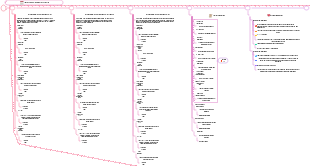
An article about medicine - important physical examination mind map, including urinary system, renal cancer, ureteral stones, etc.
Edited at 2023-11-27 19:15:52This is a mind map about bacteria, and its main contents include: overview, morphology, types, structure, reproduction, distribution, application, and expansion. The summary is comprehensive and meticulous, suitable as review materials.

This is a mind map about plant asexual reproduction, and its main contents include: concept, spore reproduction, vegetative reproduction, tissue culture, and buds. The summary is comprehensive and meticulous, suitable as review materials.
This is a mind map about the reproductive development of animals, and its main contents include: insects, frogs, birds, sexual reproduction, and asexual reproduction. The summary is comprehensive and meticulous, suitable as review materials.
This is a mind map about bacteria, and its main contents include: overview, morphology, types, structure, reproduction, distribution, application, and expansion. The summary is comprehensive and meticulous, suitable as review materials.
This is a mind map about plant asexual reproduction, and its main contents include: concept, spore reproduction, vegetative reproduction, tissue culture, and buds. The summary is comprehensive and meticulous, suitable as review materials.
This is a mind map about the reproductive development of animals, and its main contents include: insects, frogs, birds, sexual reproduction, and asexual reproduction. The summary is comprehensive and meticulous, suitable as review materials.
important physical examination
urinary system
physiological anatomy
kidney ureter bladder urethra
Common clinical manifestations
Pain on percussion
Backache
hematuria
Cause: Disease of organs adjacent to the urinary tract urinary system systemic disease Infectious diseases blood disease Immunity, autoimmune diseases Cardiovascular diseases
Initial hematuria, terminal hematuria, complete hematuria
urine three cup test
diagnosis
Urine routine
General character check
urine output Color - soy sauce red (protein hematuria) ——Abnormal liver function (dark yellow) Transparency – Filariasis proportion pH
chemical examination
Ketone bodies protein urine sugar Bilirubin and cholinogen
microscopy
Cells - red blood cells, white blood cells Casts – cylindrical protein aggregates Crystals - amino acid crystals, cholesterol crystals and bilirubin crystals (abnormal) Others: bacteria, fungi
Ureteral stones
Cause
During the process of excretion, kidney stones are blocked in the stricture of the ureter and temporarily stay in the ureter. Generally, there is no primary ureteral stone.
Causes of stone formation: The concentration of calcium, oxalic acid, uric acid and other soluble substances in urine is too high, which will form crystals. These crystals continue to aggregate and grow, and are deposited in the kidneys, forming kidney stones.
Metabolic abnormalities Urinary tract obstruction Physiological stricture of the ureter - at the junction of the renal pelvis and ureter; the ureter crosses the iliac blood vessels; the outlet from the ureter to the bladder Pathological stenosis and deformity of ureter Drug effects-triamterene (treatment of HIV)
clinical manifestations
Infection: Frequent urination, urgency, and painful urination Gastrointestinal symptoms: nausea, vomiting, bloating. Pain: renal colic or ureteral colic, acute colic, and rarely dull low back pain or abdominal pain Hematuria: In acute colic, obvious gross hematuria may occur, especially in patients with colic accompanied by stone expulsion.
diagnosis
Purpose: Determine the presence, location, size and nature of stones, and determine the degree of renal function and hydronephrosis.
History and physical examination
Activity-related pain and hematuria Identify the location of pain onset and where it radiates Past medical or family history Rule out other conditions that can cause abdominal pain
laboratory diagnosis
Blood analysis – reflects kidney function Urinalysis – determines the nature of stones Stone composition analysis
Film degree exam
Ultrasound examination: first choice, suitable for everyone. Features: 1. Mass or spot-like strong echo in the ureter, accompanied by sound shadow behind; 2. Dilatation of the ureters and kidneys above the stone site; 3. When there is complete obstruction, there is no urine spraying at the opening of the ipsilateral ureter; 4. Color Doppler blood flow imaging shows that colorful mosaic Doppler flash artifacts can be seen around or behind some stones;
Urinary tract plain film More than 90% of X-ray positive stones can be found. Anteroposterior and lateral radiographs can exclude other calcification shadows in the outer abdomen such as gallbladder stones, mesenteric lymph node calcification, phleboliths, etc. The lateral radiograph showed that the upper urinary tract stones were located behind the front edge of the vertebral body, and the intra-abdominal calcification shadow was located in front of the vertebral body. If the stone is too small or the degree of calcification is not high, pure uric acid stones and cystine stones will not be displayed.
Intravenous urography (IVP) evaluates changes in renal structure and function caused by stones, and whether there are urinary tract abnormalities such as congenital malformations that cause stones. If there is a filling defect, it indicates the possibility of X-ray negative stones or polyps, renal cancer, etc.
Retrograde or percutaneous nephrography It is an invasive examination and is used when differential diagnosis is needed in other locations where stones cannot be determined or when the condition of the urinary system below the stones is unknown.
Unenhanced CT It can detect stones in the middle and lower segments of the ureter that cannot be shown by the above examinations or are smaller. It is helpful to identify opaque stones, tumors, blood clots, etc., and to understand whether there are renal malformations.
Magnetic resonance imaging (MRU) to understand hydronephrosis and is suitable for people allergic to contrast media
radionuclide nephrography Determine lateral renal function
treat
Treatment Principle: Remove Stones Restore smooth urine drainage in ureteral lumen relief the pain Control urinary tract infections Protect kidney function
General treatment: Generally for stones with diameter less than 10mm and <5mm, drink water and increase exercise 5<x<10mm drug treatment
medical treatement α1A receptor blockers M receptor blockers, alkalizing urine, xanthine oxidase inhibitors
Paishi Granules: Main functions Clear away heat and diuresis, relieve phlegm and eliminate stones. Functional indications Diseases such as kidney stones, ureteral stones, and bladder stones are caused by damp heat in the lower part of the body:. Applicable diseases Used for treating kidney stones, ureteral stones, bladder stones and other diseases caused by damp heat in the lower part of the body
Surgical treatment
Extracorporeal shock wave lithotripsy (ESWL)
Indications: stones in the upper ureter with a diameter less than 2cm Complications: Kidney damage; Stone Street; Urosepsis (infectious stones) Contraindications: Bleeding tendency; Pregnant women; Pelvic tumors; Significant stenosis of the lower ureter
Ureteroscopic lithotripsy
Indications Middle and lower ureteral stones complication Stone displacement, ureteral perforation, urine extravasation, ureteral rupture, infection, kidney rupture, etc.
Comprehensive treatment in the acute phase
renal pelvis cancer
Cause
smoking chronic renal pelvis chemical exposure chronic disease occupational exposure genetics age and gender kidney stones
Classification
90% urothelial cells <10% squamous cell carcinoma Rare adenocarcinoma
Squamous cell carcinoma of the renal pelvis is more likely to occur in middle-aged and elderly people aged 50 to 70 years, with slightly more women than men.
installment
Baron classification Type I - intrarenal pelvic mass type Type II - mass infiltrates renal parenchyma Type A is associated with tumors in the renal pelvis (calyces) Type B: No obvious mass in the renal pelvis (calyces) Type III - renal pelvic wall thickening
TNM
transfer
direct infiltration Hematogenous metastasis - lungs, liver and bones, etc. Lymphatic metastasis - para-aortic and cervical lymph node metastasis
symptom
hematuria low back or hypochondriac pain Frequent urination, urgency, or painful urination weight loss Fatigue fever
diagnosis
diagnosis Physical examination Urinalysis blood test Bone scan
Film degree exam
CT MRI Pyelogram: no visualization of the renal calyces, evidence of tumor infiltration B-ultrasound: space-occupying hypoechoic area
CT (according to Baron's classification): This type of tumor is generally small and manifests as a soft tissue mass in the renal pelvis, which may be accompanied by mild hydronephrosis, with normal renal outline and clear renal sinus fat; This type of tumor is larger, the renal parenchyma is invaded, the surrounding renal sinus fat disappears, and the shape of the kidney remains or slightly protrudes outward; This type manifests as irregular thickening of the renal pelvic wall or flat mass, and the tumor infiltrates along the renal pelvic mucosa and spreads to the renal parenchyma, ureters and bladder.
cystoscopy ureteroscopy
1. Direct observation of tumors 2. Sampling for biological examination 3. Observe hematuria. 4. Assess the extent of the disease 5. Check the bladder wall 6. Light guide analysis
kidney biopsy
Gold standard - observing pathological structures
Differential diagnosis
Renal cell carcinoma: The boundaries of the involved renal parenchyma are often clear, with “fast in and fast out” type of enhancement Renal pelvis cancer: The boundary of the involved renal parenchyma is not clear, and the involved renal parenchyma shows continuous reduction in enhancement. The two are obviously different. Typical rich blood supply renal cancer and renal pelvis cancer are often easy to distinguish through the difference in enhancement methods. Lymph node metastasis is common in renal pelvis cancer. Direct invasion, hematogenous metastasis and lymph node metastasis are common in renal cancer
laboratory diagnosis
Urine exfoliated cell test Find as many tumor cells as possible FISH test Detection of molecular markers Nuclear matrix protein NMP 22, cytokeratin fragments CYFRA 21-1 and TPS, cell membrane glycoprotein CA 19-9
treat
Operation
Hemi-urectomy - cuff resection of the affected kidney, ureter and bladder
open surgery
laparoscopic surgery
robot-assisted surgery
Chemotherapy
Renal pelvis squamous cell carcinoma is not highly sensitive to radiotherapy and chemotherapy Instillation therapy (chemotherapy) Chemotherapy drugs are injected into the bladder through the catheter, and the toxic effects of the drugs themselves are used to destroy remaining tumor cells and reduce tumor recurrence. intravesical immunotherapy Inducing local immune response in the body through intravesical instillation of immune preparations (BCG vaccine is preferred)
prognosis
Regular cystoscopy and intravesical chemotherapy after surgery Adjustment of eating habits Proper exercise conditioning to maintain good health Regular follow-up, cystoscopy, once every 3 months for more than 2 years
30-50% of patients with transitional epithelial carcinoma of the renal pelvis may also develop transitional epithelial carcinoma of the bladder. If there are tumors in the renal pelvis and ureter at the same time, the possibility of bladder cancer increases to 75%