MindMap Gallery veterinary pathophysiology
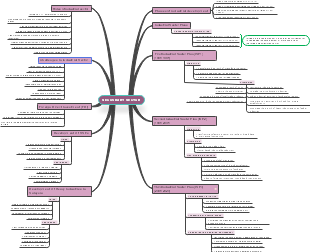
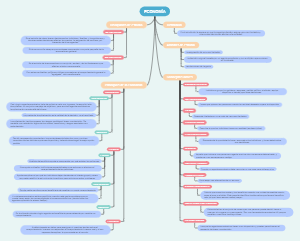
This is a mind map about veterinary pathophysiology, including an introduction to veterinary pathophysiology, an introduction to diseases, stress, etc.
Edited at 2023-11-23 18:01:03This is a mind map about bacteria, and its main contents include: overview, morphology, types, structure, reproduction, distribution, application, and expansion. The summary is comprehensive and meticulous, suitable as review materials.
This is a mind map about plant asexual reproduction, and its main contents include: concept, spore reproduction, vegetative reproduction, tissue culture, and buds. The summary is comprehensive and meticulous, suitable as review materials.
This is a mind map about the reproductive development of animals, and its main contents include: insects, frogs, birds, sexual reproduction, and asexual reproduction. The summary is comprehensive and meticulous, suitable as review materials.
This is a mind map about bacteria, and its main contents include: overview, morphology, types, structure, reproduction, distribution, application, and expansion. The summary is comprehensive and meticulous, suitable as review materials.
This is a mind map about plant asexual reproduction, and its main contents include: concept, spore reproduction, vegetative reproduction, tissue culture, and buds. The summary is comprehensive and meticulous, suitable as review materials.
This is a mind map about the reproductive development of animals, and its main contents include: insects, frogs, birds, sexual reproduction, and asexual reproduction. The summary is comprehensive and meticulous, suitable as review materials.
veterinary pathophysiology
Introduction to Veterinary Pathophysiology
concept
Study the occurrence, development and process of body functions and metabolic changes in animal diseases
occurrence, cause.
The basic concepts of disease, causes, onset conditions, universal laws, basic mechanisms, and outcomes.
basic pathological process
Common, set of functional metabolic changes
organ
organize
cell
molecular
effect
As experimental animals, testing for human diseases
Prevention, treatment and other animal diseases
Research methods
molecular level
pyroptosis
apoptosis
programmed cell death
organ, system
3D organoids
overall
experimental animals
Introduction to diseases
healthy
disease
Features
1
2
3
4
onset
disease outcome
Complete recovery
incomplete recovery
leaving sequelae
Main features disappear
The dead organism as a whole ceases functioning permanently.
dying stage
clinical death period
Heartbeat and breathing stop, tissue cells are not completely dead
biological death period
common patterns of disease occurrence
Causal transformation rules and leading links in the disease process
The leading link is not necessarily the first reason
Injury and anti-injury run through the entire process of disease occurrence
Damage and resistance to damage can be transformed into each other
Dialectical relationship between part and whole
Local lesions can trigger global responses via neurohumoral pathways
The whole body can also affect local lesions
stress
Stress and stressogens
stress
Non-specific systemic reactions that occur when the body is stimulated by various internal and external environmental factors
stressor
Refers to various stimulating factors that cause stress reactions
external environment
Physics, chemistry, mechanics, biology, feeding and management
Internal environment
homeostatic imbalance
psychological, social
nervous, fearful
Stress can cause disease
Stress characteristics
Universality and non-specificity
Stress response has nothing to do with the nature of the stressor
Defensive and damaging
Considering the body's adaptation and defense will improve the body's ability
Excessive time can cause disease
Classification and meaning
Classification
time
result
Stakes
acute stress Chronic Physiological pathological benign Inferiority
Mechanism of stress response
Neurohumoral Mechanisms: Neuroendocrine Responses
Locus coeruleus-sympathetic-adrenomedullary system (LC/NEW)
structural basis
Locus coeruleus (central site) (regulates reaction speed)
basic effect
central effect
peripheral effect
Adrenaline Norepinephrine
Together they are called catecholamines
defensive effect
peripheral effect
Regulates the excitement of the heart, dilates cardiovascular and cerebrovascular vessels, and regulates vasoconstriction
Increase heart pump function
Decreased insulin secretion and increased glucagon
Increase blood sugar concentration
Regulate substance metabolism, glycogen decomposition, fat mobilization, and increase gluconeogenesis
Raise blood sugar
The bronchi dilate and breathing speeds up.
Increase oxygen intake
central effect
alert, excited, nervous
fight and flight
damaging effect
Damage and Resistance to Damage
anxiety, depression, anger
peripheral organ damage
heart damage
energy consumption
Hypothalamic-pituitary-adrenocortical system (HPA)
structural basis
Glucocorticoid (CG) effects
anti-damage effect compensatory effect
damaging effect decompensation
Other hormonal changes
Cellular Molecular Mechanism: Heat Shock Protein
heat shock protein HSP
Molecular Bridesmaid Function
A class of highly conserved proteins that cells newly synthesize or increase in response to
Classification
HSP110 HSP90 HSP70 HSP60 HSP60 small molecule HSP ubiquitin
Acute Phase Protein APP
Category function
type
C-reactive protein CRP
Inhibit protease
other
Compensatory significance
decompensation significance
acute phase reaction
Stressors such as infection, burns, surgery, trauma, etc. can induce rapid reactions in the body, such as elevated body temperature, blood sugar, etc. Elevated concentrations, enhanced catabolism, and rapid changes in plasma concentrations of certain proteins
Stress and disease
stress disorder
lack of specific cause
stress related diseases
There is a specific cause
systemic adaptation syndrome
Stressors continue to act on the body, and stress appears as a dynamic and continuous process, eventually leading to internal environment disorders and diseases.
The adrenal gland is a key organ
A general term for various body damage and diseases caused by stress response
alert period
Quick response, short duration Sympathetic-adrenal medulla excitement
Quick mobilization
Resistance period
Hypothalamic-pituitary-adrenocortical stimulation Increased GC secretion
resistance fighting
exhaustion stage
GC secretion continues to increase, but the number and affinity of receptors decrease, resulting in obvious internal environment disorder.
exhaust, die
porcine stress syndrome
A stress sensitivity syndrome that occurs when pigs are overly sensitive to stressors
reason
Mainly transportation stress, heat stress, crowding stress, mixed pens, etc.
Commonly seen in stress-sensitive pigs, such as Pietrain
symptom
Early manifestations include muscle tremors and tail shaking
Shortness of breath or difficulty, palpitations
Erythema or purpura appears on the skin, and cyanosis of the mucous membrane can be seen
Increased body temperature
die
Changes in meat quality
Rigor mortis occurs quickly after death and the body has high acidity
White muscle PSE
Muscles appear pale, tender, and exudate
black jerky
Muscle dark brown, hard texture, dry surface
porcine stress ulcer
Acute gastric and duodenal mucosal ulcers in pigs during severe stress reactions
Cause
Fighting, transportation, sudden death from serious illness
autopsy
Small, scattered bleeding points, linear or patchy erosion in the gastric or duodenal mucosa
Multiple round ulcers with irregular edges, generally deep into the submucosa, muscle layer, and even perforated.
The mechanism
The sympathetic-adrenocortical system is stimulated to Gastrointestinal vasoconstriction, ischemia, insufficient cellular energy, and destruction of the bicarbonate-mucus layer barrier on the mucosal surface Mucosal blood flow is reduced, and reversely diffuse H ions in the mucosa damage cells.
fever
Overview
concept
Pyrogenic sources move the "set point" of the thermoregulatory center upward, leading to an increase in regulatory body temperature
Overheating and its difference from fever
overheat
Excessive heat production (hyperthyroidism, epileptic seizures), heat dissipation disorders (skin diseases, heat stroke, congenital lack of sweat glands), temperature regulation center dysfunction (hypothalamic damage)
passive increase in body temperature
Causes and mechanisms of fever
heat activator
external heat source
bacteria
Gram-positive bacteria pyrogenic ingredients
Whole bacteria
peptidoglycan
Exotoxins
Gram-negative bacteria pyrogenic ingredients
Whole bacteria
peptidoglycan
Endotoxins (Lipopolysaccharide)
Virus
Influenza virus, coronavirus, swine fever, etc.
Pyrogenic ingredients
whole virus
lipoprotein
products in the body
Antigen-antibody complex
Inflammatories
Urate crystals, tissue protein breakdown products and necrotic debris
malignant tumor
Tumor cells themselves, certain proteins of necrotic cells
other
certain steroids
Causes increase in IL-1.TNT.IFN.IL-6
Endogenous pyrogen (EP)
Act on animal body
Directly or indirectly activate cells that produce endogenous pyrogens in the body
Substances that cause it to produce and release endogenous pyrogens
Also known as EP inducer
endogenous pyrogen
The route through which EP enters the thermoregulatory center
Overview
concept
EP-producing cells produce and release substances that cause body temperature to rise under the action of heat activators.
type
Interleukin-1 (IL-1) tumor necrosis factor (TNF) Interferon (IFN) Interleukin-6 (IL-6) macrophage inflammatory protein-1
EP-producing cells
monocytes Macrophages Endothelial cells Lymphocytes astrocytes tumor cells
Adjust the medium to move the "set point" upward
Heating adjustment medium
Prostaglandin E2-PGE2 The ratio of sodium ions to calcium ions
thermal limit
Monocytes, macrophages, etc.
The body temperature set point remains unchanged and the body temperature exceeds the set point level.
The "set point" theory of temperature regulation
significance
Features
Heat shock response: HSR body's response to increased gene expression changes in a thermal environment
non-secreted protein
Essentially a physiological reaction
intensity, time Individual Differences
figure
Wales Cannon, the father of the barium meal Hands Selye, the Father of Stress