MindMap Gallery Medicine - Overview of Anemia
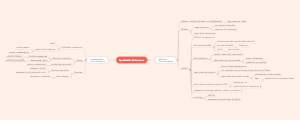
An article about medicine - an overview of anemia, including diagnostic methods, clinical manifestations, etiology classification, treatment, etc. Friends in need hurry up and collect it!
Edited at 2023-11-20 08:14:14This is a mind map about bacteria, and its main contents include: overview, morphology, types, structure, reproduction, distribution, application, and expansion. The summary is comprehensive and meticulous, suitable as review materials.
This is a mind map about plant asexual reproduction, and its main contents include: concept, spore reproduction, vegetative reproduction, tissue culture, and buds. The summary is comprehensive and meticulous, suitable as review materials.
This is a mind map about the reproductive development of animals, and its main contents include: insects, frogs, birds, sexual reproduction, and asexual reproduction. The summary is comprehensive and meticulous, suitable as review materials.
This is a mind map about bacteria, and its main contents include: overview, morphology, types, structure, reproduction, distribution, application, and expansion. The summary is comprehensive and meticulous, suitable as review materials.
This is a mind map about plant asexual reproduction, and its main contents include: concept, spore reproduction, vegetative reproduction, tissue culture, and buds. The summary is comprehensive and meticulous, suitable as review materials.
This is a mind map about the reproductive development of animals, and its main contents include: insects, frogs, birds, sexual reproduction, and asexual reproduction. The summary is comprehensive and meticulous, suitable as review materials.
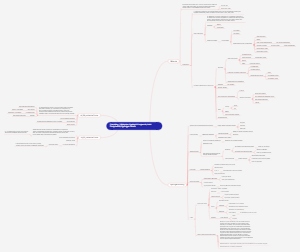
Anemia Overview
anemia
Definition: Anemia means that the hemoglobin concentration (Hb), red blood cell count (RBC) and/or hematocrit (HCT) per unit volume in peripheral blood are lower than the normal standards for the same age, gender and region, and cannot transport enough oxygen. Syndrome arising from tissue damage.
Diagnostic criteria
Plain areas: Adult males: Hb<120g/L RBC<4.5×10~12/L HCT<0.42. Adult women: Hb<110g/L RBC<4.0×10~12/L HCT<0.37. Pregnant women: <100g/L.
Children 6 months to 6 years old are 110g/L, children 6 to 14 years old are 120g/L, adult males are 130g/L, adult females are 120g/L, and pregnant women are 110g/L.
Classification
Development rate: acute & chronic
RBC morphology: macrocytic & microcytic, hypochromic & normocytic
hemoglobin concentration
Mild: >90g/L
Moderate: <60~90g/L
Severity: <30~59g/L
Extremely severe: <30g/L
Bone marrow erythroid hyperplasia
Myelodysplasia (Aplastic Anemia)
Myeloproliferative (anemia other than AA)
Grading and significance of bone marrow hyperplasia
Cause classification
- Decreased production of red blood cells
Lack of hematopoietic raw materials: iron deficiency or iron utilization disorder, megaloblastic anemia (folic acid and/or vitamin B12 deficiency)
Anemia caused by abnormal hematopoietic stem/progenitor cells (bone marrow hematopoietic failure): aplastic anemia, myelodysplastic syndrome, anemia caused by various bone marrow infiltrates
Abnormal hematopoietic regulation: damaged bone marrow matrix, hyperactive lymphocytes, abnormal levels of hematopoietic regulatory factors, and hyperapoptosis of hematopoietic cells
2. Excessive destruction of red blood cells
Intrinsic defects in red blood cells
Abnormalities of the red blood cell membrane: hereditary spherocytosis, paroxysmal nocturnal hemoglobinuria
Red blood cell enzyme deficiencies: glucose-6-phosphate dehydrogenase (G6PD) deficiency, pyruvate kinase (PKD) deficiency
Globin abnormalities: abnormal hemoglobinopathy, globin production disorder anemia
red blood cell extrinsic factors
Immune destruction (immune hemolytic anemia): autoimmune hemolytic anemia, blood group incompatibility and blood transfusion
Mechanical injury (mechanical hemolytic anemia): traumatic cardiogenic hemolytic anemia, microangiopathic hemolytic anemia
Chemical, physical and biological factors damage hydrogen sulfide poisoning, extensive burns and snake bites
Internal obstruction and damage to the spleen: hypersplenism.
3. Excessive loss of red blood cells
Anemia after acute blood loss: surgical or obstetrical and gynecological diseases, massive bleeding, gastrointestinal bleeding, massive bleeding caused by blood system diseases, etc.
Chronic post-blood loss anemia: repeated small amounts of upper gastrointestinal bleeding, hemorrhoidal bleeding, parasitic diseases, menorrhagia, etc.
clinical manifestations
The cause of anemia, the speed at which anemia occurs, the degree of decrease in blood volume, the decrease in blood's ability to carry oxygen, and the ability of blood, breathing, and circulation to compensate and tolerate anemia.
diagnosis
Ask about medical history
Physical examination
laboratory tests
Examination of the pathogenesis of anemia
Blood test
bone marrow examination
treat
Symptomatic treatment
Anti-infection, hemostasis; protect organ function; remove iron
Transfusion of whole blood, red blood cells, plasma, platelet coagulation factors
Treat the cause
Supplement hematopoietic raw materials
Hormone immunosuppressants, cytokines
HSCT