Wondershare EdrawMind
MindMap Gallery Project integration management
Project integration management
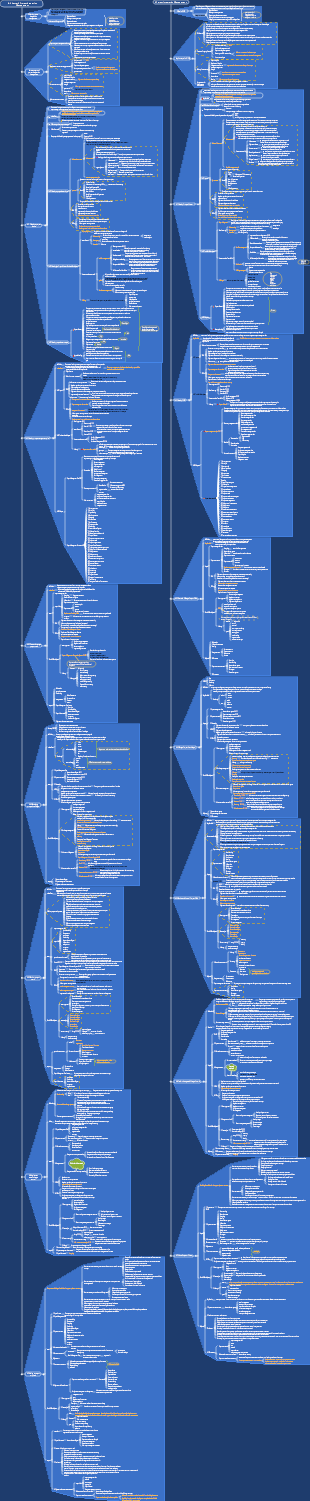
1. Communication issues: Project integration involves coordination and communication among multiple teams and stakeholders. If there is poor communication or unclear messaging, it can lead to misunderstandings, conflicts and delays. 2. Scope creep: During the project integration process, the problem of scope creep may occur, that is, the scope of the project is expanded or changes are not properly managed. This can lead to insufficient resources, schedule delays, and cost overruns. 3. Dependency management: Project integration involves dependencies between multiple sub-projects or tasks. If dependencies are not managed properly, it can lead to task delays, resource conflicts, and overall project delays. 4. Risk Management: Project integration may introduce new risks or increase the complexity of existing risks. If risk management is not in place, it can lead to project failure, quality issues or safety issues. 5. Resource allocation: During the project integration process, it may be necessary to rationally allocate and manage resources, including human, material and financial resources. If resource allocation is uneven or unreasonable, it may lead to resource shortages, task delays, and quality problems. These issues can negatively impact the smooth progress of project integration and project outcomes. To deal with these issues, project managers need to develop appropriate integration strategies, establish effective communication channels, conduct risk management and resource planning, and actively resolve conflicts and cultural differences between teams.
Edited at 2023-11-19 10:13:58
- bacteria
This is a mind map about bacteria, and its main contents include: overview, morphology, types, structure, reproduction, distribution, application, and expansion. The summary is comprehensive and meticulous, suitable as review materials.
- Plant asexual reproduction
This is a mind map about plant asexual reproduction, and its main contents include: concept, spore reproduction, vegetative reproduction, tissue culture, and buds. The summary is comprehensive and meticulous, suitable as review materials.
- Reproductive development of animals
This is a mind map about the reproductive development of animals, and its main contents include: insects, frogs, birds, sexual reproduction, and asexual reproduction. The summary is comprehensive and meticulous, suitable as review materials.
Project integration management
- bacteria
This is a mind map about bacteria, and its main contents include: overview, morphology, types, structure, reproduction, distribution, application, and expansion. The summary is comprehensive and meticulous, suitable as review materials.
- Plant asexual reproduction
This is a mind map about plant asexual reproduction, and its main contents include: concept, spore reproduction, vegetative reproduction, tissue culture, and buds. The summary is comprehensive and meticulous, suitable as review materials.
- Reproductive development of animals
This is a mind map about the reproductive development of animals, and its main contents include: insects, frogs, birds, sexual reproduction, and asexual reproduction. The summary is comprehensive and meticulous, suitable as review materials.
- Recommended to you
- Outline