MindMap Gallery Medicine - Microscopic examination of formed components of urine
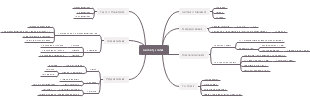
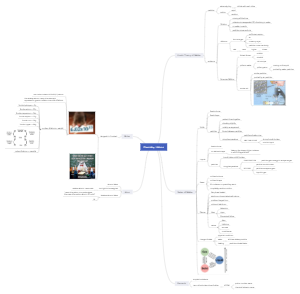
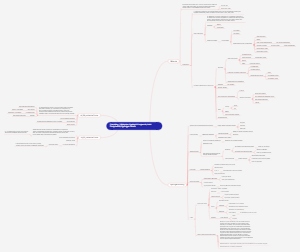
This is a mind map about microscopic examination of medical urine formed components, including examination methods, urine cells, urine casts, urine crystals, etc.
Edited at 2023-11-18 12:38:38This is a mind map about bacteria, and its main contents include: overview, morphology, types, structure, reproduction, distribution, application, and expansion. The summary is comprehensive and meticulous, suitable as review materials.
This is a mind map about plant asexual reproduction, and its main contents include: concept, spore reproduction, vegetative reproduction, tissue culture, and buds. The summary is comprehensive and meticulous, suitable as review materials.
This is a mind map about the reproductive development of animals, and its main contents include: insects, frogs, birds, sexual reproduction, and asexual reproduction. The summary is comprehensive and meticulous, suitable as review materials.
This is a mind map about bacteria, and its main contents include: overview, morphology, types, structure, reproduction, distribution, application, and expansion. The summary is comprehensive and meticulous, suitable as review materials.
This is a mind map about plant asexual reproduction, and its main contents include: concept, spore reproduction, vegetative reproduction, tissue culture, and buds. The summary is comprehensive and meticulous, suitable as review materials.
This is a mind map about the reproductive development of animals, and its main contents include: insects, frogs, birds, sexual reproduction, and asexual reproduction. The summary is comprehensive and meticulous, suitable as review materials.
Microscopic examination of formed components of urine
Inspection Method
non-staining microscopy
Direct smear microscopy of uncentrifuged urine (mixed drop of urine method)
Principle: Take 1 drop of freshly mixed urine and drop it directly on the glass slide, cover it with a 18 mmX18 mm cover glass, and use an ordinary optical microscope to examine it. First use a low-power lens to observe the casts in at least 20 fields of view (can be identified with a high-power lens), and then use a high-power lens to observe the cells in at least 10 fields of view.
Evaluation: 1) Simple, easy, fast, and low cost; 2) It can maintain the original form of various tangible components to the maximum extent and avoid damage to the tangible components; 3) It is suitable for urine that is turbid and has a significant increase in tangible components. Specimens (such as gross hematuria, urine, etc.); 4) The positive rate is low, it can only be qualitative or semi-quantitative, and the reproducibility is poor, making it easy to miss the diagnosis.
direct smear microscopy of centrifuged urine
Principle: Take 10mL of freshly mixed urine in a graduated centrifuge tube. The RCF (relative centrifugal force) is about 400g (1200~ Centrifuge for 5 minutes (1300 r/min), discard the supernatant and leave 0.2 mL of precipitate. After mixing, take about 20 μL of precipitate and apply it on a glass slide, cover it with a 18mm × 18mm coverslip and conduct microscopic examination.
Evaluation: 1) The positive detection rate is high, the reproducibility is good, and it is suitable for urine specimens with clear appearance and few tangible components; 2) The operation is cumbersome and time-consuming, may destroy the tangible components, and is difficult to standardize and accurately quantify. It can only Semi-quantitative method has been gradually replaced by the standardized urine sediment quantitative counting plate method; 3) The centrifugation method is the basis for the standardization of urine formed component examination, and the centrifugation method should be used as much as possible.
stain microscopy
Sternheimer-Malbin (S-M) staining method
Principle: The main dyes are crystal violet and sand yellow. Due to the differences in the chemical properties of various types of cells, casts and other components in urine sediment, their physical adsorption and chemical binding of dyes are different. After dyeing, they show a specific color, with clear shapes and easy identification.
Staining effect: red blood cells are lavender; polymorphonuclear leukocytes have orange-red nuclei and visible granules in the cytoplasm; flash cells have light blue or blue nuclei and pale or light blue granules in the cytoplasm; epithelial cells The nucleus is purple and the cytoplasm is lavender to pink. Living cells are pink or uncolored, and dead cells are dark purple. Transparent casts are pink or lavender; granular casts are light red to blue; cellular casts are dark purple; fat casts are not colored.
Sternheimer(S) staining method
Principle: The main dyes are alcian blue and paronin B. After staining, the cell nucleus and cast matrix can be stained blue with Alcian Blue, and the cytoplasm and ribonucleic acid (RNA) can be stained red with Penonin B, forming a clear contrast between red and blue, making it easy to compare and observe, and the cell structure is more clear. clear, especially the pathological components are easier to identify.
Staining effect: red blood cells are light red or colorless; polymorphonuclear leukocyte nuclei are dark blue, light blue or colorless; squamous epithelial cells are light pink or purple; transitional epithelial cells and renal tubular epithelial cells are purple red. Cellular casts appear light blue or dark blue; granular casts appear pink to dark purple.
Quantitative inspection method
Standardized urinary sediment quantitative counting plate method
It is the "gold standard" for urine formed component examination.
FAST-READ10 urine standardized sediment quantitative counting plate. Each board has 10 independent counting chambers, which can detect 10 inspection specimens. Each counting chamber contains 10 large squares, with a side length of 1mm. The volume of each counting chamber is 1ul. After being filled with urine, the number of formed components calculated is the number of cells or casts/ul. Standardized quantitative counting method.
1h urine formed component excretion rate
Use a quantitative counting board to count the number of cells and casts excreted in urine within 3 hours, and then convert the number of cells and casts excreted in urine within 1 hour.
Urine particle counting reference method
More suitable for clinical testing with fewer tangible components.
urine cells
red blood cells
① Hypertonic urine: red blood cells shrink and shrink in size, such as zigzag, spine or mulberry shape. ② Hypotonic urine: red blood cells swell and hemoglobin escapes, leaving only the cell membrane, becoming empty rings or donuts of varying sizes, called shadow red blood cells, ring red blood cells or red blood cell pale shadows. ③Acidic urine: The area of the lipid inner layer of the red blood cell membrane increases and the volume becomes smaller. ④Alkaline urine: The area of the lipid outer layer of the red blood cell membrane increases, the cells swell, the edges are irregular, and they are prone to dissolution and rupture.
homogeneous red blood cell hematuria
Most of them are non-glomerular hematuria, with normal red blood cells or single morphological red blood cells as the main component (>70%), and urine protein is negative or weakly positive. The shape and size of the red blood cells were normal, biconcave disc-shaped, and the cell membrane was intact. Occasionally, shadow red blood cells or acanthosis red blood cells are seen, but there are generally no more than two types of abnormal morphology.
Clinically seen in: ① Temporary microscopic hematuria: It can be seen in healthy people, especially after strenuous exercise, rapid marching, cold bathing, standing for too long or heavy physical labor in teenagers. ② Urinary system diseases: such as urinary system inflammation, tumors, tuberculosis, stones, trauma, kidney transplant rejection and congenital malformations, etc. Hematuria is sometimes the only clinical manifestation of urinary system malignancies. ③Reproductive system diseases: such as prostatitis, seminal vesiculitis, etc. ④Others: Bleeding diseases caused by various causes: such as idiopathic thrombocytopenic purpura (ITP), hemophilia, aplastic anemia, etc.
Heterogeneous red blood cell hematuria (deformable red blood cell hematuria)
Mostly glomerular hematuria. The proportion of abnormal red blood cells in urine is greater than 70%, and there are at least 2 types. It is often accompanied by increased proteinuria and granular casts, red blood cell casts, renal tubular epithelial cell casts, etc.
mixed hematuria
Mixed hematuria indicates that red blood cells may originate from more than one site and may be glomerular or non-glomerular. There are not many diseases that cause mixed hematuria, but IgA nephropathy ranks first.
leukocyte
During inflammation, neutrophil cells degenerate and become necrotic, with irregular shapes and fuzzy structures. The cytoplasm is gelatin-like, filled with coarse particles, and the nuclei are unclear. They are often distributed in clusters with unclear boundaries, which are called pus cells. Flash cells: Under hypotonic conditions, Brownian molecular motion of particles in the cytoplasm of neutrophils can be seen. It is more common in acute renal nephritis.
Neutrophilia: Mainly seen in urinary system inflammation, such as pyelonephritis, cystitis, prostatitis, seminal vesiculitis, urethritis, renal tuberculosis, etc. It can also be seen in renal tumors. Flash cells are common in pyelonephritis and cystitis. Neutrophilia can also be seen in urine contaminated with inflammatory secretions from the female reproductive system.
Increased lymphocytes and monocytosis: seen in renal transplant rejection, crescent-shaped glomerulonephritis, interstitial nephritis caused by antibiotics and anti-cancer drugs, etc. Increased lymphocytes in urine can also be seen in viral infections. Mononuclear cells may decrease or disappear during acute tubular necrosis.
Eosinophilia: seen in interstitial nephritis and allergic urinary system inflammation.
phagocyte
Small phagocytes: come from neutrophils and phagocytose small objects such as bacteria.
Large phagocytes: derived from monocytes, called macrophages, 2 to 3 times the size of white blood cells, often round or oval, with irregular edges; the nucleus is round or kidney-shaped, with a fine structure and a slight deviation. ; The cytoplasm is rich, often with vacuoles, and there are many phagocytic substances in the cytoplasm, such as red blood cells, white blood cell fragments, fat droplets, sperm, granules and other components. Sometimes vacuoles and protruding amoeba-like pseudopods can be seen in the cytoplasm, and the activity of pseudopods can also be seen in fresh urine.
Urinary phagocytes are seen in acute inflammation of the urinary system, such as acute pyelonephritis, cystitis, urethritis, etc., and are often accompanied by leukocytosis, pus cells and bacteria. (The number of urinary phagocytes is often closely related to the degree of inflammation)
Epithelial Cells
Renal tubular epithelial cells (polygonal cells/small round epithelial cells): derived from renal tubules
In certain chronic diseases (such as chronic nephritis, renal infarction, etc.), renal tubular epithelial cells are prone to fatty degeneration, with varying numbers and uneven distribution of fat particles or small fat droplet-like vacuoles appearing in the cytoplasm, called oval Fat body/fat granule cells are special structures that identify renal tubular epithelial cells. They show a "Maltese cross" under a polarizing microscope (if the fat droplets are too small, this structure may not be obvious).
When intravascular hemolysis occurs, free hemoglobin is excreted by the kidneys, resulting in hemoglobinuria, and part of it is reabsorbed and degraded by renal tubular epithelial cells to produce hemosiderin particles. If hemosiderin particles exceed the transport capacity of renal tubular epithelial cells, they will be deposited in the epithelial cells, and the cells will fall off and be excreted in the urine, forming hemosiderinuria. The urine sediment will appear blue particles after Prussian blue staining (i.e., a positive Rouse test) ), common in acute and chronic intravascular hemolysis (in acute intravascular hemolysis, hemosiderinuria will appear several days later)
For example, there are many fat particles or hemosiderin particles in the renal tubular epithelial cells, and they even cover the nucleus, which is also called compound granulocyte.
The presence of tubular epithelial cells in urine is common in renal tubular lesions. The appearance in piles indicates acute necrotic lesions in the renal tubules. About 1 week after kidney transplantation, more renal tubular epithelial cells appeared in the urine, and then gradually decreased and returned to normal. When rejection occurs, it can reappear in large numbers, and epithelial cell casts can be seen.
transitional epithelial cells
Superficial transitional epithelial cells (large round epithelial cells)
It is occasionally found in the urine of healthy people, but falls off in large amounts in cystitis.
Middle transitional epithelial cells (caudal epithelial cells/spindle epithelial cells/renal pelvic epithelial cells)
When there is inflammation in the renal pelvis, ureter and bladder neck, caudal epithelial cells may appear in sheets.
underlying transitional epithelial cells
Together with renal tubular epithelial cells, they are collectively called small round epithelial cells. But there is a difference between the two. The underlying transitional epithelial cells are larger in size and have smaller nuclei. Renal tubular epithelial cells are smaller in size and have larger nuclei.
Mainly seen in inflammation of the underlying urethra, especially chronic cystitis.
Squamous epithelial cells (squamous epithelial cells): are the largest epithelial cells in urine
It mainly originates from the surface of the external urethral orifice and vagina. Under the influence of inflammation, the transitional epithelial cells of the bladder mucosa are prone to metamorphosis into squamous epithelial cells and are shed in the urine.
A small amount of squamous epithelial cells can be seen in the urine of healthy people. If they increase in large numbers and are accompanied by leukocytosis, it indicates inflammation of the urinary system.
Vaginal squamous epithelial cells are commonly derived from vaginal secretions in women and generally have no clinical significance.
Urinary casts
Definition: Casts are cylindrical protein aggregates formed by the condensation of proteins, cells, crystals and other organic or inorganic substances in the renal tubules (distal convoluted tubules) and collecting ducts, also known as cylinders. Casts are an important pathological component of urine, and their occurrence often indicates renal parenchymal damage.
Transparent casts: dissolve and disappear in alkaline urine, also known as glass casts
Transparent casts appear blue by Sternheimer staining and pink or purple by Sternheimer-Malbin staining. The clear casts are divided into two types according to whether they contain cells and granules: ① Simple clear casts: do not contain granules and cells. ②Complex hyaline cast: Contains a smaller amount of particles and/or cells.
Clear casts are occasionally seen in the urine of healthy adults and are seen more frequently in the urine of the elderly.
A transient increase may occur when the kidneys have mild or temporary functional changes, such as strenuous exercise, long-term fever, heart failure, anesthesia, or taking diuretics. A significant increase in hyaline casts is seen in renal parenchymal lesions, such as acute and chronic glomerulonephritis, nephrotic syndrome, acute pyelonephritis, renal congestion, congestive heart failure, and malignant hypertension.
Granular casts: When the particle content in the cast matrix accounts for more than 1/3 of the cast volume, it is called a granular cast. Particles come from disintegrated and denatured cell residues, plasma proteins and other substances.
Coarse particle type: full of coarse particles, often dark brown
Fine particle type: contains many fine sand-like particles, opaque, gray or yellowish in color
Sternheimer staining: the cast matrix is blue, and the particles are red-purple, dark purple; Sternheimer-Malbin staining: the cast matrix is pink, and the particles are lavender, purple-blue.
1) There are generally no granular casts in the urine of healthy people. Fine granular casts are occasionally seen in the urine after strenuous exercise, dehydration and fever. 2) The increase of granular casts indicates substantial kidney disease, which is seen in acute and chronic glomerulonephritis, nephrotic syndrome, tubular sclerosis, chronic pyelonephritis, etc. 3) In the early stage of polyuria in acute renal failure, a large number of granular casts may appear in the urine. 4) The presence of granular casts in the late stage of chronic nephritis indicates a poor prognosis. 5) Granular casts often appear along with hyaline casts, and are more common in acute and chronic glomerulonephritis, nephrotic syndrome, tubular sclerosis, pyelonephritis, severe infection and renal arteriosclerosis. In the progressive stage of the disease, coarse-grained casts are more common.
Cellular casts: When the cast matrix contains cells and their content accounts for more than 1/3 of the cast volume, it is called a cellular cast.
red blood cell casts
Caused by glomerular or renal tubular hemorrhage, more common in acute glomerulonephritis, acute attack of chronic nephritis, renal hemorrhage, acute tubular necrosis, renal transplant rejection, renal vein thrombosis, malignant hypertension, lupus nephritis, Subacute endocarditis and IgA nephropathy.
white blood cell casts
The appearance of white blood cell casts in urine indicates infectious lesions of the renal parenchyma, which are seen in acute pyelonephritis, renal abscess, interstitial nephritis, acute glomerulonephritis, nephrotic syndrome, lupus nephritis, etc.
Renal epithelial cell casts (epithelial cell casts)
There are no renal epithelial cell casts in the urine of healthy people. If they appear, it indicates renal tubular disease and renal tubular epithelial cell degeneration and shedding, such as acute tubular necrosis, interstitial nephritis, nephrotic syndrome, late stage chronic nephritis, renal amyloidosis, Eclampsia and metal or drug poisoning, etc.
Renal epithelial cell casts appear in urine within 3 days after kidney transplantation, which is one of the reliable indicators of rejection.
mixed cell casts
Mainly seen in active glomerulonephritis, ischemic glomerular necrosis, renal infarction and nephrotic syndrome.
waxy casts
There are no waxy casts in the urine of healthy people. If they appear, it indicates serious lesions in the renal tubules and the prognosis is poor. Seen in late stages of chronic glomerulonephritis, long-term anuria, oliguria, uremia, nephrotic syndrome, renal insufficiency, renal amyloidosis, etc. It can also be seen in renal tubular inflammation and degeneration, renal transplant rejection, and severe liver disease. In patients with diabetic nephropathy and nephrotic syndrome, glycogen in the renal tubular epithelial cells undergoes degeneration, causing deglycogen and fat loss, and foamy waxy casts can be seen.
Fatty cast: When the fat droplet content in the cast accounts for more than 1/3 of the cast volume, it is called a fatty cast. It is formed by fatty degeneration and disintegration of renal tubular epithelial cells, and a large amount of fat droplets enter the cast.
There are no fatty casts in the urine of healthy people. If they appear, it indicates renal tubular damage and fatty casts in renal tubular epithelial cells. Seen in nephrotic syndrome, subacute glomerulonephritis, chronic glomerulonephritis, toxic nephropathy, etc.
Renal failure casts: come from damaged and dilated renal tubules, collecting ducts or papillary ducts, most of which evolve from granular casts and waxy casts.
1) Renal failure casts indicate serious renal failure lesions. A large number of renal failure casts can be seen in the urine of patients with early acute renal failure and polyuria. 2) Renal failure casts appear in late-stage chronic nephritis and uremia, which often indicates a poor prognosis. 3) Acute renal failure caused by hemolytic reaction after abnormal blood transfusion, brown and wide hemoglobin casts can be seen in the urine. 4) Acute renal failure after renal crush injury or extensive burns, pigmented myoglobin casts can be seen in the urine.
Other casts and cast-like substances
Bacterial casts (light yellow)
Casts filled with bacteria indicate bacterial infection of the renal parenchyma, such as infectious nephropathy.
bilirubin casts
The casts are filled with golden brown amorphous bilirubin granules, which are seen in severe jaundice.
slime threads
It is found in the urine of healthy people, especially in the urine of women. If it appears in large amounts, it indicates urethral irritation or inflammation.
Cylindrical-like (tube-like)
It often coexists with hyaline casts and is seen in patients with acute nephritis, renal blood circulation disorder, or renal irritation.
urine crystals
crystals in acidic urine
calcium oxalate crystals
If there is a large amount of calcium oxalate crystals in fresh urine, accompanied by an increase in red blood cells, it indicates that urinary system stones may be caused by calcium oxalate crystals.
uric acid crystals
Uric acid crystals occasionally appear in healthy people, especially after eating purine-rich foods. If uric acid crystals continue to appear in fresh urine, they can be seen in hyperuricemic nephropathy and uric acid stones. They can also be seen in acute gout, acute fever in children, and chronic interstitial disease. inflammation
Amorphous urate
Generally of no clinical significance
crystals in alkaline urine
Phosphate crystals
Generally of no clinical significance
Ammonium urate crystals
The appearance of ammonium urate crystals with large numbers of white blood cells is suggestive of cystitis.
calcium carbonate crystals
It often appears simultaneously with phosphate crystals and has no special clinical significance.
Other crystals
Bilirubin crystals
Found in acidic urine and can be engulfed by white blood cells.
Commonly seen in obstructive jaundice, acute hepatic necrosis, liver cancer, cirrhosis, and acute phosphorus poisoning.
Cystine crystals
It is rarely found in the urine of healthy people, but appears in large amounts in kidney stones and bladder stones.
Leucine crystals and tyrosine crystals
Found in acidic urine
Leucine and tyrosine are protein products, and they often appear together in urine. They are seen in acute liver necrosis, leukemia, acute phosphorus poisoning, etc. When there are large amounts of tissue necrosis, diabetic coma may occur.
cholesterol crystals
Seen in patients with renal amyloidosis, urinary tract infection and chyluria.
drug crystallization
Common sulfonamide drug crystals
Contrast agent crystals
After using contrast agents such as diatrizoic acid, diatrizoic acid, and diatrizoate meglumine, related crystals may appear in the urine.
Other formed components of urine
bacteria
1) When a large number of bacteria appear in the fresh mid-section urine, accompanied by a large number of pus cells and epithelial cells, it indicates a urinary tract infection. 2) Gram-negative bacilli colony count ≥105/mL indicates urinary system infection, and Gram-positive cocci colony count ≥10/mL has diagnostic value. 3) Cystitis and pyelonephritis are mainly caused by Gram-negative bacilli. 4) Neisseria gonorrhoeae can be found in the urine of patients with sexually transmitted diseases. 5) Acid-fast bacilli can be found in the urine of patients with urinary tuberculosis.
Fungus
yeast
It is more common in diabetic patients, female urine and alkaline urine.
Candida albicans
Often caused by urine being contaminated by vaginal secretions.
Parasites and/or eggs
Parasites and eggs in urine are mostly caused by contaminated specimens.
sperm
Sperm in urine is more common in men after nocturnal emissions, after sexual intercourse or retrograde ejaculation.
fiber
other
If mixed with prostatic fluid, phosphatidylcholine bodies, prostate granulosa cells, and amyloid plaques can be seen.