MindMap Gallery Simple version of mind map of heart pumping function
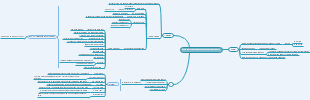
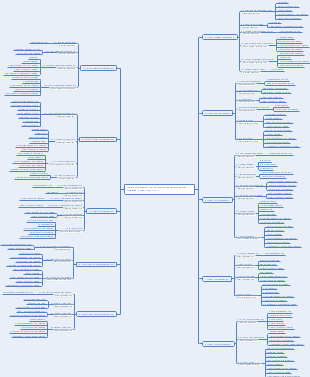
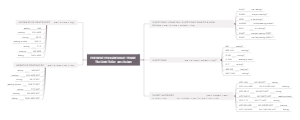
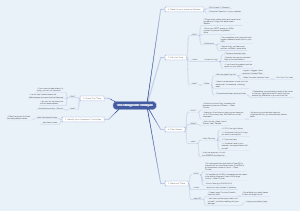
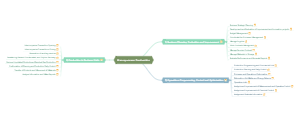
This is a simplified mind map about the heart's pumping function, including the heart's pumping process and mechanism, cardiac output, and reserves of the heart's pumping function.
Edited at 2023-11-17 13:06:20This is a mind map about bacteria, and its main contents include: overview, morphology, types, structure, reproduction, distribution, application, and expansion. The summary is comprehensive and meticulous, suitable as review materials.
This is a mind map about plant asexual reproduction, and its main contents include: concept, spore reproduction, vegetative reproduction, tissue culture, and buds. The summary is comprehensive and meticulous, suitable as review materials.
This is a mind map about the reproductive development of animals, and its main contents include: insects, frogs, birds, sexual reproduction, and asexual reproduction. The summary is comprehensive and meticulous, suitable as review materials.
This is a mind map about bacteria, and its main contents include: overview, morphology, types, structure, reproduction, distribution, application, and expansion. The summary is comprehensive and meticulous, suitable as review materials.
This is a mind map about plant asexual reproduction, and its main contents include: concept, spore reproduction, vegetative reproduction, tissue culture, and buds. The summary is comprehensive and meticulous, suitable as review materials.
This is a mind map about the reproductive development of animals, and its main contents include: insects, frogs, birds, sexual reproduction, and asexual reproduction. The summary is comprehensive and meticulous, suitable as review materials.
heart pumping function
Heart pumping process and mechanism
cardiac cycle
Ventricular diastole and ventricular systole (0.8s in total)
Systole period: 0.1s
Diastolic period: 0.7s
heart pumping process
atrial systole
ventricular systole
isovolumetric contraction phase
rapid ejection period
slow down ejection phase
ventricular diastole
isovolumetric diastole
rapid filling period
slow down filling phase
Cardiac output and cardiac pumping reserve
Stroke volume - the amount of blood ejected by one heart chamber from one ventricle Amount, about 70ml, V Shumo-V Shumo
Output per minute - the amount of blood ejected from one ventricle per minute, x per stroke heart rate
Ejection fraction - Stroke volume as a percentage of V, stroke volume V/ Shu Mo 100%
Abnormal enlargement of the ventricles
Cardiac index - cardiac output calculated per unit body surface area, cardiac output /S
Evaluation does not require individual cardiac function
Cardiac reserve - the ability of cardiac output to increase in response to the body's metabolic needs
stroke volume reserve
Systolic reserve 35~40ml--by myocardial contractility and ejection fraction ↑
Diastolic reserve 15ml--byV Shumoge
Heart rate reserve (main)
Factors affecting cardiac output
Ventricular myocardial preload and myocardial heterolength autoregulation
ventricular muscle preload
Venous blood return to the heart (main)
ventricular filling time
venous return velocity
ventricular diastolic function
ventricular compliance
Ease of deformation
intrapericardial pressure
The amount of blood remaining in the ventricle after ejection
Abnormal myocardial autoregulation
Significance: Fine adjustment of small changes in stroke volume
Regulation of changes in myocardial contractility caused by changes in myocardial initial length
cardiac function curve
Rule: Preload (initial length) increases, myocardial contractility increases Increased stroke volume and increased stroke work
No obvious descending branch-ventricular muscle has strong anti-overextension properties-myocardium intranodal connexin
ventricular contraction afterload
That is, aortic blood pressure, aortic blood pressure ⬇️, is conducive to ventricular ejection
ventricular contractility
Myocardial contractility-myocardial muscle changes independently of preload and afterload The inherent characteristics of its mechanical activity (strength and speed of contraction)
Isometric adjustment
Mechanism: Nervous and humoral regulation
Regulation of cardiac pumping function by changing myocardial contractility
Influencing factors
Number of activated cross-bridges
Intracytoplasmic Ca2 concentration--catecholamines (norepinephrine and epinephrine)
Troponin to Ca2 - calcium sensitizer (tea carbon)
ATPase activity of myosin head - - thyroxine
heart rate
Adult: 60-100 times/min, average: 75 times/min
and stroke volume
Within a certain range (40-160 beats/min), heart rate ⬆️, stroke volume per minute ⬆️
<40 beats/min- -ventricular diastole⬆️
>160-180 beats/min- - ventricular diastole⬇️, diastolic filling volume⬇️, cardiac output⬇️
adjust
Neuromodulation: sympathetic, vagal-
Humoral regulation: epinephrine, norepinephrine, thyroid hormone
Body temperature: 12-18/1°C
Cardiac function evaluation
Evaluating cardiac function from changes in ventricular pressure
Assessment of cardiac ejection function
stroke volume
ejection fraction
Stroke work
cardiac output
heart index
Ventricular diastolic function evaluation
Evaluating cardiac function from changes in ventricular volume
Ventricular systolic function assessment
Ventricular diastolic function evaluation
Evaluation of cardiac function from changes in ventricular pressure and volume
Measurement of cardiac work capacity
Application of ventricular pressure-volume loop to evaluate cardiac function
heart sounds
During the cardiac cycle, the contraction of the myocardium, the opening and closing of the membrane, the turbulence caused by changes in blood flow velocity, and the vibration caused by the impact of the blood flow on the ventricular wall and aortic wall can be heard with a stethoscope in certain parts of the chest and are called heart sounds.
first heart sound
Marks the onset of ventricular contraction
Hear it best at the apex beat
High pitch for a long time
second heart sound
Marks the beginning of ventricular diastole
It is most clearly seen between the ribs on the right and left sides of the sternum.
High frequency, short time
third heart sound
Before the rapid filling period, some healthy children and young people can hear
fourth heart sound
late ventricular diastole