MindMap Gallery Edema mind map
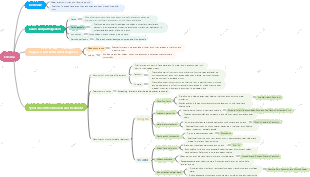
This is a mind map about edema, including causes, pathogenesis, definitions, clinical manifestations, accompanying symptoms, etc. Hope this helps!
Edited at 2023-11-13 09:19:41This is a mind map about bacteria, and its main contents include: overview, morphology, types, structure, reproduction, distribution, application, and expansion. The summary is comprehensive and meticulous, suitable as review materials.

This is a mind map about plant asexual reproduction, and its main contents include: concept, spore reproduction, vegetative reproduction, tissue culture, and buds. The summary is comprehensive and meticulous, suitable as review materials.
This is a mind map about the reproductive development of animals, and its main contents include: insects, frogs, birds, sexual reproduction, and asexual reproduction. The summary is comprehensive and meticulous, suitable as review materials.
This is a mind map about bacteria, and its main contents include: overview, morphology, types, structure, reproduction, distribution, application, and expansion. The summary is comprehensive and meticulous, suitable as review materials.
This is a mind map about plant asexual reproduction, and its main contents include: concept, spore reproduction, vegetative reproduction, tissue culture, and buds. The summary is comprehensive and meticulous, suitable as review materials.
This is a mind map about the reproductive development of animals, and its main contents include: insects, frogs, birds, sexual reproduction, and asexual reproduction. The summary is comprehensive and meticulous, suitable as review materials.
Edema
definition.
Edema refers to the accumulation of excess fluid in the spaces between human tissues, causing tissue swelling.
Generalized edema.
When fluid is diffusely distributed in the interstitial spaces in the body.
Local edema.
When fluid accumulates in local tissue spaces.
effusion.
Effusion occurs in the body cavity, such as pleural effusion, peritoneal effusion, and pericardial effusion.
In general. Edema does not include local edema of internal organs, such as cerebral edema, pulmonary edema, etc. Cellular edema is not edema.
The mechanism.
In a normal human body, the arteriole end filters out fluid to the tissues to become interstitial fluid; the venule end returns it to the blood vessels to maintain dynamic balance.
Changes in capillary hemodynamics.
Hydrostatic pressure increases within capillaries.
Plasma colloid osmotic pressure decreases.
Increased interstitial fluid colloid osmotic pressure.
Mechanical pressure in tissue spaces is reduced.
Capillary permeability is enhanced.
Sodium and water retention.
Reduced glomerular filtration function.
The permeability of the filtration membrane is reduced, the balance of the ball tube is imbalanced, the filtration area is reduced, and the effective filtration pressure is reduced.
Increased tubular reabsorption of sodium and water.
Increased glomerular filtration fraction, increased aldosterone secretion, and increased antidiuretic hormone secretion.
Venous and lymphatic drainage disorders.
Etiology and clinical manifestations.
Generalized edema.
Cardiogenic edema.
Right heart failure.
The mechanism.
The effective circulating blood volume decreases, the renal blood flow decreases, the secondary aldosterone increases, causing sodium and water retention and venous congestion, the hydrostatic pressure in the capillaries increases, and the tissue reflux absorption decreases.
Characteristics of edema.
It first appears in the low-hanging parts of the body, and in those who can get up and move around, it first appears on the inner side of the ankle. For those who are often bedridden, the lumbosacral area is more obvious.
The edema is symmetrical and pitting. It is usually accompanied by jugular vein distention, hepatomegaly, elevated venous pressure, and in severe cases, other manifestations of right heart failure such as pleural effusion and peritoneal effusion.
Constrictive heart disease.
Such as constrictive pericarditis, pericardial effusion or hemorrhage, myocardial or endocardial fibrous tissue hyperplasia and myocardial sclerosis, etc.
Constrictive heart disease leads to reduced myocardial compliance, limited cardiac diastole, obstruction of venous return, venous blood stasis, increased venous pressure, and the occurrence of abdominal effusion, pleural effusion, and limb edema.
Nephrogenic edema.
The mechanism.
Various factors cause the kidneys to excrete less sodium and water, resulting in sodium and water retention, and an increase in extracellular fluid, causing edema.
The main factors leading to nephrogenic edema.
Reduced glomerular filtration function.
Increased renal tubular reabsorption of sodium and water.
Decreased plasma colloid osmotic pressure (due to proteinuria).
Characteristics of edema.
When I get up in the morning, my eyelids and face are edematous, which soon develops into general edema.
Differentiation of nephrogenic edema and cardiogenic edema.
Hepatogenic edema.
Cirrhosis is the most common cause of hepatogenic edema.
The main manifestation is abdominal effusion, and ankle edema may also appear first.
Factors such as portal hypertension, hypoalbuminemia, hepatic lymphatic reflux failure, and subsequent increase in aldosterone are the main mechanisms for the formation of edema and peritoneal effusion.
Edema caused by endocrine and metabolic diseases.
Hypothyroidism is myxedema, and the edema is characterized by being non-pitting.
Cushing's syndrome: sodium and water retention due to excessive secretion of adrenocortical hormones
Dystrophic edema.
Hypoalbuminemia or vitamin B1 deficiency can produce edema due to chronic wasting disease, long-term nutritional deficiency, protein-losing gastrointestinal disease, severe burns, etc.
Premenstrual tension syndrome.
Edema of the eyelids and lower limbs occurs 7 to 14 days before menstruation. May be related to endocrine hormone changes.
Localized edema.
Inflammatory edema.
Cellulitis, boils, carbuncles, erysipelas.
Lymphatic reflux edema.
After lymphadenectomy, filariasis, etc.
Venous return disorder edema.
Neurogenic edema.
Localized myxedema.
Accompanying symptoms.
With hepatomegaly.
It can be cardiogenic edema, hepatic edema and dystrophic edema. However, if there is jugular venous distention, it is cardiogenic edema.
With severe proteinuria.
Become nephrogenic edema. Mild proteinuria may also be seen in cardiogenic edema.
With dyspnea and cyanosis.
It is suggested that it is caused by heart disease and superior vena cava obstruction syndrome.
Accompanied by slow heartbeat and low blood pressure.
Seen in hypothyroidism.
Accompanied by emaciation and weight loss.
Seen in malnutrition.
Edema is obviously related to the menstrual cycle.
Seen in premenstrual tension syndrome.