MindMap Gallery Calcium channel blockers mind map
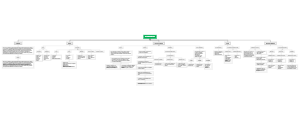
This is a mind map about calcium channel blockers, including the pharmacological characteristics of calcium channel blockers, commonly used calcium channel blockers, etc.
Edited at 2023-11-13 09:15:29This is a mind map about bacteria, and its main contents include: overview, morphology, types, structure, reproduction, distribution, application, and expansion. The summary is comprehensive and meticulous, suitable as review materials.
This is a mind map about plant asexual reproduction, and its main contents include: concept, spore reproduction, vegetative reproduction, tissue culture, and buds. The summary is comprehensive and meticulous, suitable as review materials.
This is a mind map about the reproductive development of animals, and its main contents include: insects, frogs, birds, sexual reproduction, and asexual reproduction. The summary is comprehensive and meticulous, suitable as review materials.
This is a mind map about bacteria, and its main contents include: overview, morphology, types, structure, reproduction, distribution, application, and expansion. The summary is comprehensive and meticulous, suitable as review materials.
This is a mind map about plant asexual reproduction, and its main contents include: concept, spore reproduction, vegetative reproduction, tissue culture, and buds. The summary is comprehensive and meticulous, suitable as review materials.
This is a mind map about the reproductive development of animals, and its main contents include: insects, frogs, birds, sexual reproduction, and asexual reproduction. The summary is comprehensive and meticulous, suitable as review materials.
calcium channel blockers
Overview
Calcium channel structure and classification
Voltage gated
There are six types: L, N, T, P, Q, and R. Among them, L type is the main pathway for external calcium influx during cell excitement.
The structure of calcium channels is complex, among which the α1 subunit is the main functional unit of calcium channels.
Ligand-gated
Classification of calcium channel blockers
Selectivity
Dihydropyridines
Nifedipine, amlodipine, etc.
Phenylalkanes
Verapamil et al.
Benzothiazepines
diltiazem
non-selective
flunarizine, prenilamine
Pharmacological characteristics of calcium channel blockers
internal processes
The bioavailability of various drugs varies greatly, and amlodipine has the highest bioavailability, but there are also individual differences. And its half-life is the longest
Mode of action
The binding site of hydrophilic benzalkanes and benzothiazepines is on the inner side of the cell membrane (binding to activated or inactivated calcium channels), which is frequency-dependent
The binding site of hydrophobic dihydropyridines is on the outside of the cell and binds to inactive calcium channels in a voltage-dependent manner.
Pharmacological effects
to the heart
negative muscle strength
Verapamil and diltiazem have strong negative inotropic effects
Nifedipine, on the other hand, exhibits mild positive inotropy due to its excessive ability to dilate blood vessels.
negative frequency negative conduction
This effect is the pharmacological basis for the treatment of supraventricular tachycardia
Verapamil and diltiazem have the strongest effects on negative heart frequency and negative conduction
Nifedipine reflexively increases heart rate due to its excessive ability to dilate blood vessels.
to smooth muscle
vascular smooth muscle
Vascular smooth muscle is sensitive to the effects of calcium channel blockers, especially when in spasticity
It has little impact on veins but has a large impact on arteries, especially coronary arteries, and can effectively treat angina pectoris.
Flunarizine and nimodipine selectively relax cerebral blood vessels and increase cerebral blood flow
Other smooth muscles
Significant effect on bronchial smooth muscle
Anti-atherosclerosis
Effects on red blood cells and platelets
On red blood cells: Reduces damage to red blood cells caused by calcium overload
Inhibit platelet activation
Effect on kidney function
Dilate renal blood vessels, excrete natriuresis and diuresis
Clinical application
hypertension
Among the dihydropyridines: nifedipine and amlodipine have strong vasodilatory effects and are used to treat severe hypertension. Long-acting preparations and sustained-release tablets are generally used to avoid large fluctuations in blood pressure and protect target organs.
Verapamil and diltiazem in the treatment of moderate and low hypertension
Angina pectoris
For variant angina pectoris caused by coronary artery spasm, nifedipine should be used in combination with beta-blockers.
Verapamil and diltiazem for unstable angina
Arrhythmia
For supraventricular tachycardia, verapamil (reduces automaticity, slows conduction, prolongs refractory period) is the drug of choice, and diltiazem can also be used
Verapamil and diltiazem can be treated intravenously and taken orally for prevention.
Nifedipine may cause a reflex increase in heart rate and is not used for cardiac arrhythmias
cerebrovascular disease
Nimodipine 🤩 Flunarizine relaxes cerebral blood vessels and treats transient ischemic attacks
other
For the treatment of peripheral vasospastic disorder: Raynaud's disease
Adverse reactions
peripheral edema
It is common in the ankles, but can also occur in the hands. Edema is caused by the dilation of small blood vessels rather than water and sodium retention.
Headache, facial flushing
Tolerable, gradually disappears during medication
Tachycardia
Found in dihydropyridines, reduced by combination with beta receptors
Bradycardia, atrioventricular block
Verapamil and diltiazem have an inhibitory effect on the heart, and their combined use with beta-blockers is prohibited.
constipate
Commonly used calcium channel blockers
Verapamil
Features: Strong inhibitory effect on the heart
Clinical application: It is the drug of choice for the treatment of paroxysmal supraventricular tachycardia, and is also used to treat hypertension and angina pectoris.
Precautions: Intravenous injection should be slow. It is contraindicated in patients with bradycardia, atrioventricular block, and cardiac insufficiency. Avoid combined use with beta-blocking drugs.
diltiazem
Features: Equivalent to weak verapamil
nifedipine
Features: High selectivity for blood vessels, weak inhibitory effect on the heart
Clinical application: Hypertension, especially in patients with bronchial asthma and angina pectoris Diastolic coronary arteries and treat variant angina pectoris Treat Raynaud's disease
Adverse reactions: headache, facial flushing, ankle edema The main adverse reaction is hypotension.