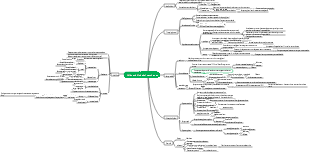
MindMap Gallery Energy and Macronutrients – Lipids
This is a mind map about energy and macronutrients - lipids, the composition and classification of lipids, including lipids, fatty acids, lipids, etc.
Edited at 2023-11-10 16:42:16This is a mind map about bacteria, and its main contents include: overview, morphology, types, structure, reproduction, distribution, application, and expansion. The summary is comprehensive and meticulous, suitable as review materials.

This is a mind map about plant asexual reproduction, and its main contents include: concept, spore reproduction, vegetative reproduction, tissue culture, and buds. The summary is comprehensive and meticulous, suitable as review materials.
This is a mind map about the reproductive development of animals, and its main contents include: insects, frogs, birds, sexual reproduction, and asexual reproduction. The summary is comprehensive and meticulous, suitable as review materials.
This is a mind map about bacteria, and its main contents include: overview, morphology, types, structure, reproduction, distribution, application, and expansion. The summary is comprehensive and meticulous, suitable as review materials.
This is a mind map about plant asexual reproduction, and its main contents include: concept, spore reproduction, vegetative reproduction, tissue culture, and buds. The summary is comprehensive and meticulous, suitable as review materials.
This is a mind map about the reproductive development of animals, and its main contents include: insects, frogs, birds, sexual reproduction, and asexual reproduction. The summary is comprehensive and meticulous, suitable as review materials.
Energy and macronutrients
energy
protein
Lipids
Common characteristics: soluble in organic solvents but not soluble in water. Normal human body lipids are 14%-19%, and obese people have more than 30%
Composition and Classification of Lipids
Fat
Neutral fat, called "triacylglycerol" or "triglyceride", accounts for 95% of lipids. The content is not constant. It is also called "variable fat" and "liquid fat".
fatty acid
The basic unit that makes up triglycerides
Classification by fatty acid carbon chain length
long chain fatty acids
medium chain fatty acids
short chain fatty acids
Classification according to degree of fatty acid saturation
saturated fatty acid
polyunsaturated fatty acids
Classification according to the spatial structure of fatty acids
cis fatty acid
trans fat
Classification according to the position of the first double bond of unsaturated fatty acids
lipids
The content is relatively constant and is called "fixed fat" or "immovable fat"
Phospholipids
Lecithin, found in egg yolk and plasma, sphingomyelin found in nerve sheaths
Glycolipids
Necessary to form cell membrane
Steroids and sterols
Cholesterol in animal tissues and sitosterol in plant tissues
Digestion and absorption of lipids
Digestion and absorption of fat
The absorption rate of food fat is generally above 80%, and the highest rate, such as rapeseed oil, can reach 99%
Digestion and absorption of lipids
Cholesterol can be absorbed directly
Physiological functions of lipids
Fat
supply energy
Promote absorption of fat-soluble vitamins
Maintain body temperature and protect organs
Increase satiety
Improve dietary sensory attributes
The main function of lipids is to constitute body tissues and some important physiologically active substances
essential fatty acids
An important component of mitochondria and cell membranes
Precursors for the synthesis of prostaglandins
Involved in cholesterol metabolism
Participate in the formation of animal sperm
Maintain eyesight
Dietary fat reference intake and lipid food sources
Reference intake for dietary fat, AMDR
The main food sources of lipids: vegetable oils, oil crop seeds, and animal foods. The best food source of essential fats is vegetable oils, which should not be less than 50% of total fat. Cholesterol only exists in animal foods, but can also be synthesized by human tissues, mainly the liver and small intestine, with the liver accounting for 80% of the synthesis. The human body can synthesize 1-1.2g of cholesterol every day
carbohydrate